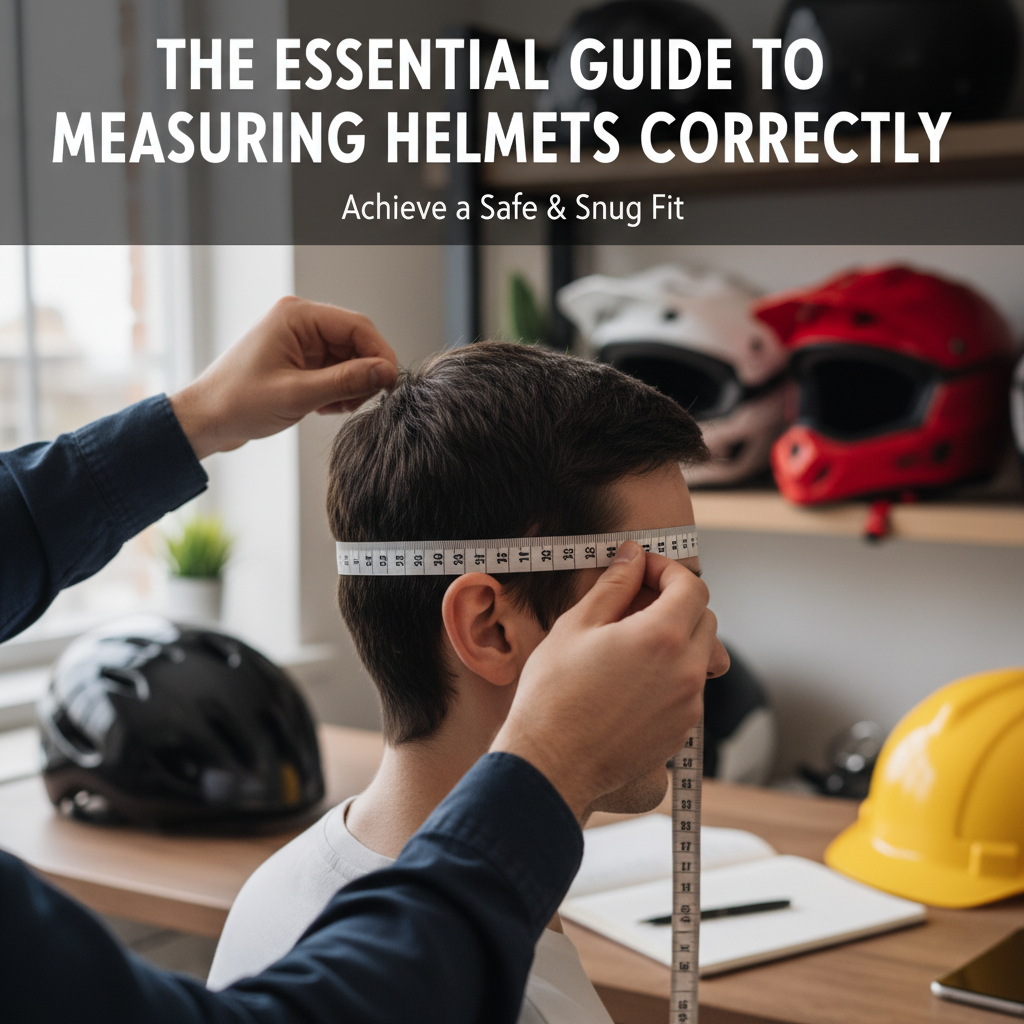
The Essential Guide to Measuring Helmets Correctly
To measure for a helmet, simply use a flexible measuring tape to find the circumference of your head just above your eyebrows and ears. This ensures a proper fit for safety and comfort. Understanding how to measure correctly can help you select the right helmet, ensuring maximum protection while riding. A well-fitted helmet not only enhances safety but also improves your overall riding experience, making it essential for anyone engaging in activities such as cycling, motorcycling, or skateboarding.
Understanding Helmet Sizes
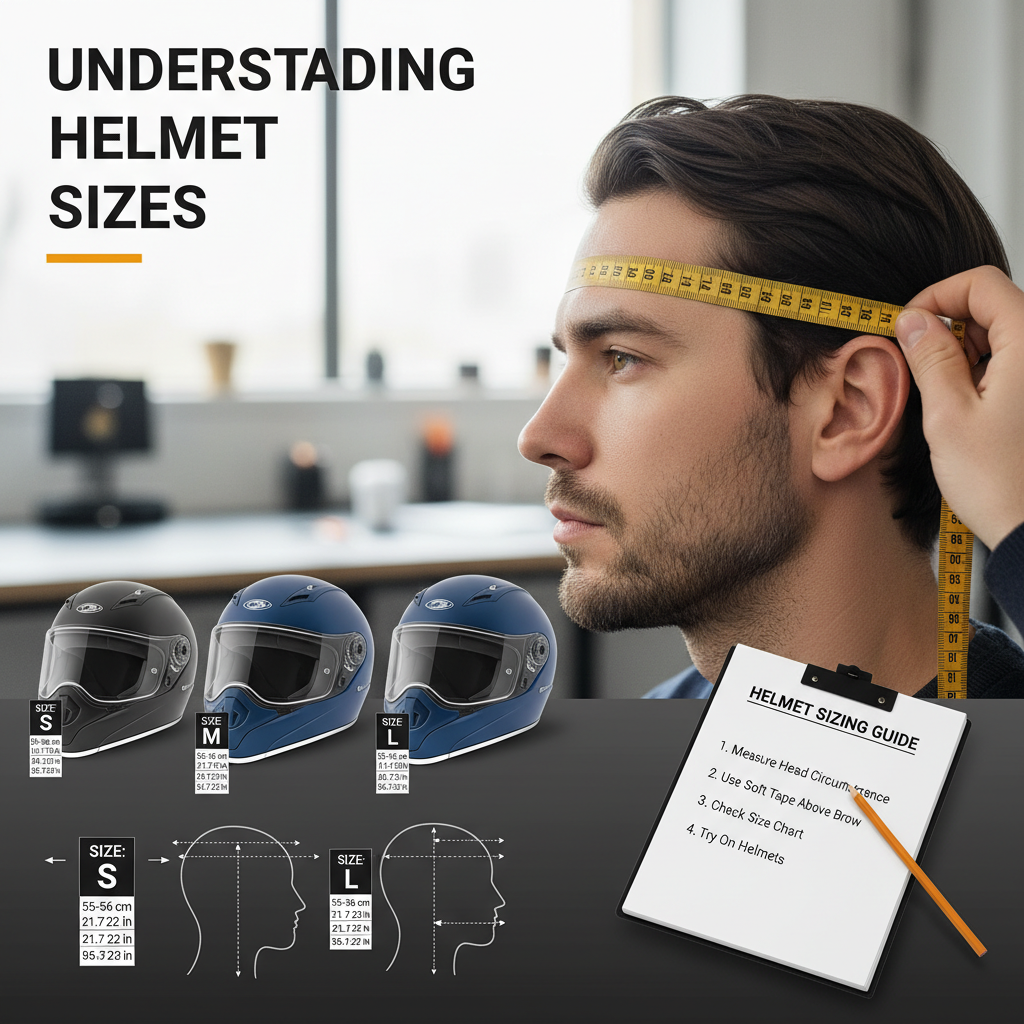
Helmet sizes are often categorized as small, medium, large, and so forth, based on head circumference, which is measured in inches or centimeters. Typically, size charts provided by manufacturers will give you a range of head circumferences that correspond to each size. For instance, a small helmet might fit a head circumference of 20-21.5 inches, while a medium could cater to 21.5-23 inches. It is crucial to note that sizing can vary significantly among brands, as different manufacturers may have slightly different sizing standards. Therefore, knowing your exact size can help you choose the right model and avoid the frustration of purchasing a helmet that doesn’t fit properly.
Additionally, understanding the difference between helmet shapes is equally important: some helmets are designed for round-shaped heads, while others cater to elongated or oval shapes. This consideration can further refine your selection, ensuring that you find a helmet that not only fits but feels comfortable during use.
Tools You’ll Need


To ensure accuracy in your measurements, a flexible measuring tape is the best tool for the job. Unlike a rigid ruler or a yardstick, a flexible measuring tape can easily contour around the irregular shape of your head, providing a more precise measurement. If you do not have a measuring tape, a piece of string can serve as a substitute; you can then measure the length of the string with a ruler.
It is also advisable to have a notepad or a smartphone handy to record your measurements for easy reference. Keeping track of your size will not only assist you in selecting a helmet but will also be beneficial in the future if you decide to purchase another one, ensuring that you remember your measurements accurately.
Step-by-Step Measuring Process
1. Prepare for Measurement: Start by removing any bulky hairstyles or accessories that could affect the measurement, such as hats or hairbands. This will give you a more accurate reading.
2. Position the Measuring Tape: Place the measuring tape around your head, ensuring it sits just above your ears and across your forehead, approximately one inch above your eyebrows. This position is crucial as it represents the widest part of your head.
3. Check the Fit of the Tape: Make sure that the tape is level and snug, but not too tight. You should be able to fit a finger comfortably between the measuring tape and your head.
4. Record the Measurement: Once you have the measuring tape positioned correctly, take note of the measurement where the tape overlaps. This number will be your head circumference, which you will use to determine the appropriate helmet size.
5. Repeat for Accuracy: It’s a good practice to measure two or three times to ensure consistency. If there are discrepancies, consider the average of your measurements.
Common Measurement Mistakes
Measuring your head might seem straightforward, but there are several common mistakes that can lead to inaccurate sizing. One major error is measuring over bulky hairstyles, which can artificially inflate your head size. This miscalculation can result in purchasing a helmet that is too large, compromising safety.
Another common mistake includes not ensuring the measuring tape is level. If the tape is tilted, it can yield a measurement that does not represent the true circumference of your head.
Finally, don’t forget to double-check your measurements. It’s easy to overlook details when you’re in a hurry, but a simple mistake can lead to the wrong helmet size, potentially putting your safety at risk.
Trying on Helmets
After measuring, it’s crucial to try on the helmet to verify the fit. A helmet should fit snugly around your head without creating pressure points that could lead to discomfort during extended wear. When trying on a helmet, shake your head gently; the helmet should stay in place without sliding back or forth.
Additionally, observe how the helmet feels at various points around your head. You should not feel any pinching or undue pressure on your forehead or temples. If you do, you may need to try a different size or model.
Lastly, check the overall weight of the helmet. A helmet that is too heavy can cause strain during rides, making it less enjoyable.
Adjusting for a Perfect Fit
Most helmets come equipped with adjustable padding or straps to help customize the fit for individual head shapes and sizes. Take the time to adjust these features to achieve the perfect fit.
Begin by adjusting the chin strap; it should be secure but comfortable. You should be able to open your mouth without feeling restricted, and the strap should not impede movement.
Additionally, some helmets offer internal padding that can be swapped out or rearranged to provide a more personalized fit. This is particularly useful if you find that one section of the helmet feels looser than another.
Importance of Regular Measurements
It’s essential to recognize that head sizes can change over time due to various factors such as age, weight fluctuations, or even changes in hairstyle. Therefore, it is wise to measure your head periodically, especially before purchasing a new helmet.
Regular checks ensure that your helmet remains effective in protecting you. An outdated or improperly fitting helmet can significantly reduce its ability to absorb impact during an accident.
Additionally, if you’ve recently undergone any life changes—such as a significant weight loss or gain—it would be prudent to measure your head again to ensure your helmet still fits correctly.
In conclusion, measuring for a helmet is a straightforward process that is crucial for your safety. By following the steps outlined, you can ensure a perfect fit and enjoy peace of mind while riding. Remember, a well-fitted helmet is not just a formality; it’s a vital component of your safety gear. Don’t wait—measure your head today and find the perfect helmet to protect yourself while enjoying your favorite activities.
References
- https://www.cdc.gov/niosh/topics/helmet/
- https://www.nhtsa.gov/equipment/helmets
- https://www.safetyandhealthmagazine.com/articles/18575-how-to-properly-fit-a-helmet
- https://www.ncbi.nlm.nih.gov/pmc/articles/PMC4629938/
- https://www.ama-assn.org/delivering-care/public-health/helmet-use-and-injury-prevention
- https://www.aap.org/en/patient-care/injury-prevention/helmet-safety/
- https://www.safekids.org/helmet-safety
- https://www.helmets.org/
- https://www.nhl.com/nhl/en/health-and-safety/helmet-safety