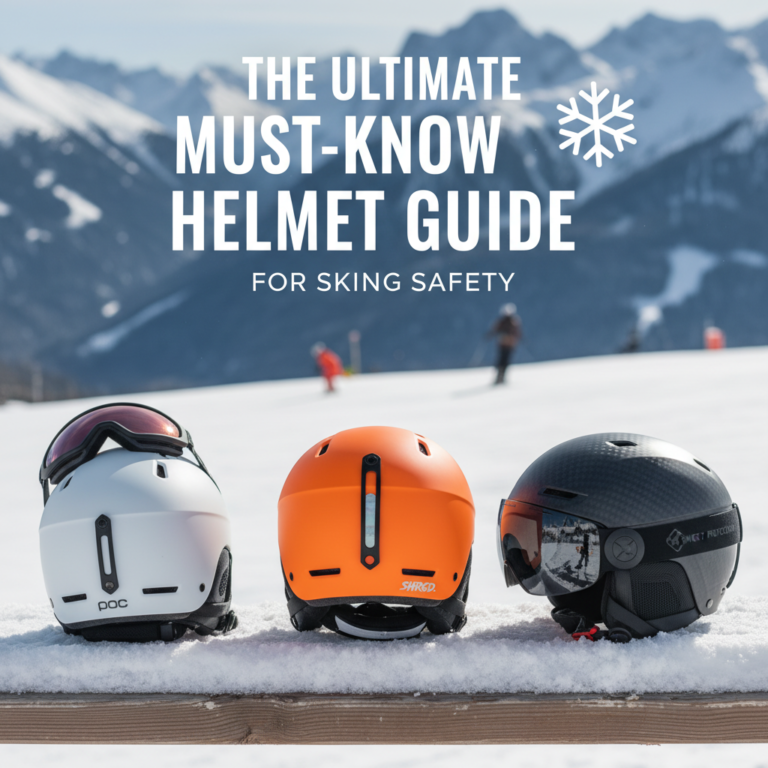
The Essential Reasons Skydivers Must Wear Helmets
Skydivers wear helmets primarily for safety and protection against potential head injuries during freefall and landing. These helmets are essential gear that significantly enhances the safety and overall experience of skydiving. With the inherent risks of jumping from an aircraft and the unpredictable nature of the environment, wearing a helmet is not merely a recommendation but a necessity for both novice and experienced jumpers. Let’s explore the essential reasons why helmets are a must-have for every skydiver.
Safety First: Protecting Your Head

The foremost reason for wearing a helmet while skydiving is to safeguard against head injuries. In the event of an accident, such as a hard landing or collision with another skydiver or an object, helmets are designed to absorb and disperse the force of impact. For instance, a study conducted by the United States Parachute Association (USPA) highlighted that a significant percentage of skydiving injuries are head-related, emphasizing the need for protection in this vulnerable area.
Moreover, helmets provide a critical layer of safety during freefall, where high speeds can lead to severe consequences if a jumper collides with another skydiver or the aircraft during the exit. With the right helmet, skydivers can significantly reduce the risk of concussions and other serious injuries, ensuring a safer experience overall. The importance of a helmet cannot be overstated; it is an investment in one’s safety and well-being.
Enhancing Visibility and Communication


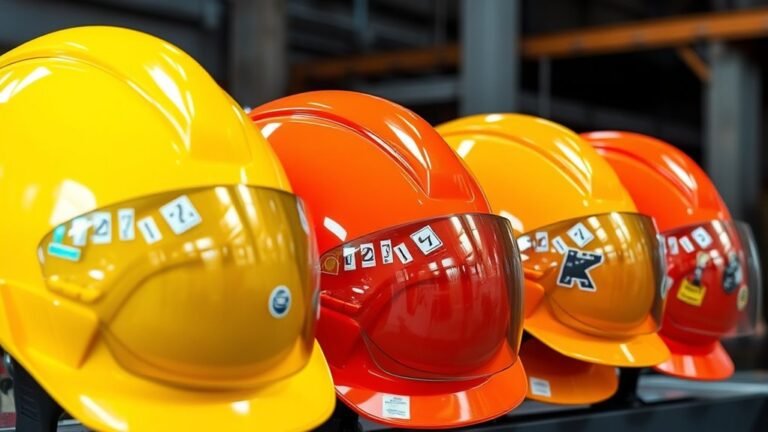
In addition to safety, helmets play a vital role in enhancing visibility and communication for skydivers. Many modern helmets are equipped with visors that improve visibility during freefall, allowing jumpers to better assess their surroundings and make informed decisions. This feature is especially important when navigating through a crowded drop zone or during complex jumps involving multiple participants.
Furthermore, some helmets come with integrated communication devices, enabling jumpers to maintain contact with instructors or fellow skydivers during the descent. This is particularly beneficial for students in training who may require guidance or feedback throughout their jump. The ability to communicate in real-time can enhance the learning experience and improve overall safety during group jumps.
Weather Protection: Battling the Elements
Weather conditions can change rapidly at high altitudes, making it essential for skydivers to be prepared for various environmental challenges. Helmets provide an essential layer of insulation against cold winds, which can be particularly harsh during freefall. A well-fitted helmet can help retain body heat, preventing discomfort and distraction during the jump.
Additionally, helmets offer protection against rain and other elements that may obscure visibility during the descent. When skydiving in adverse weather conditions, wearing a helmet can help ensure a clearer view and a more controlled landing. This weather protection is crucial for jumpers aiming for precision landings or navigating through challenging conditions, making helmets an invaluable piece of equipment.
Aerodynamics: Improving Performance
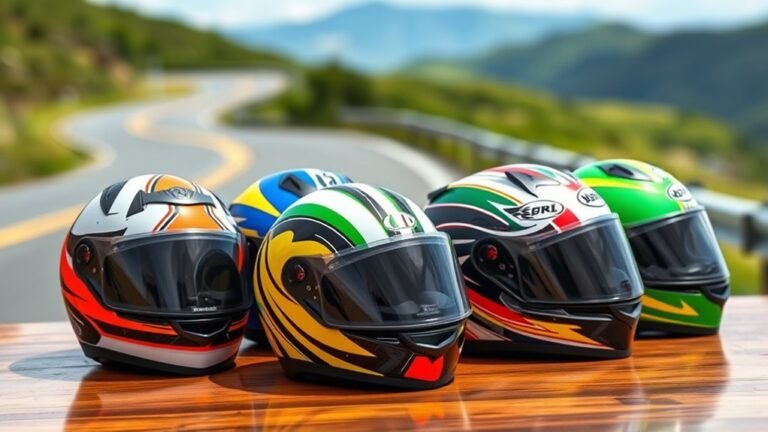
Beyond safety and comfort, helmets can also enhance aerodynamics, leading to improved performance in freefall. A streamlined helmet design reduces drag, allowing skydivers to achieve higher speeds and better maneuverability in the air. This aerodynamic advantage can be particularly important in competitive skydiving, where every second counts.
Properly designed helmets contribute to stability and control during freefall, helping jumpers maintain their orientation and position in the sky. For instance, some helmets are specifically engineered for different types of jumps, such as wingsuit flying or formation skydiving, providing tailored aerodynamic benefits. As a result, selecting the right helmet can lead to an improved jump experience and enhanced performance.
Legal and Training Standards
Many skydiving schools and organizations mandate the use of helmets for compliance with safety regulations. This requirement underscores the importance of wearing helmets as part of standard operating procedures in the sport. By adhering to these guidelines, skydivers can help promote a culture of safety and responsibility within the skydiving community.
In addition to legal compliance, wearing a helmet is an integral part of training for novice jumpers. Most skydiving instructors emphasize the necessity of helmets during training jumps, instilling good habits from the start. This practice not only protects students but also fosters an understanding of safety protocols that will serve them well throughout their skydiving careers.
Choosing the Right Helmet: Features to Look For
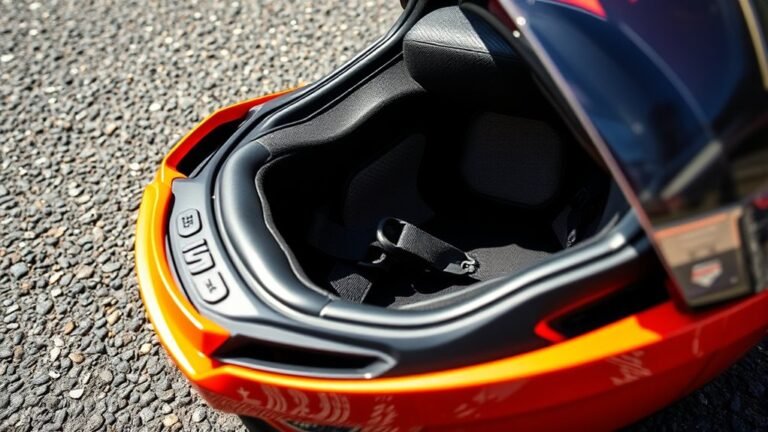
When selecting a helmet, several factors must be considered to ensure maximum protection and comfort. First and foremost, weight is a critical consideration; a lightweight helmet can reduce fatigue during long jumps, allowing for a more enjoyable experience. Fit and comfort are equally important, as a well-fitted helmet will stay securely in place during freefall and landing.
Safety ratings and certifications are also essential when choosing a helmet. Look for models that meet industry standards, such as those set by the USPA or the European Union. These certifications indicate that the helmet has undergone rigorous testing to ensure its effectiveness in protecting against head injuries. Additionally, consider features such as visors, communication systems, and ventilation to enhance your overall skydiving experience.
Maintenance and Care: Keeping Your Helmet Safe
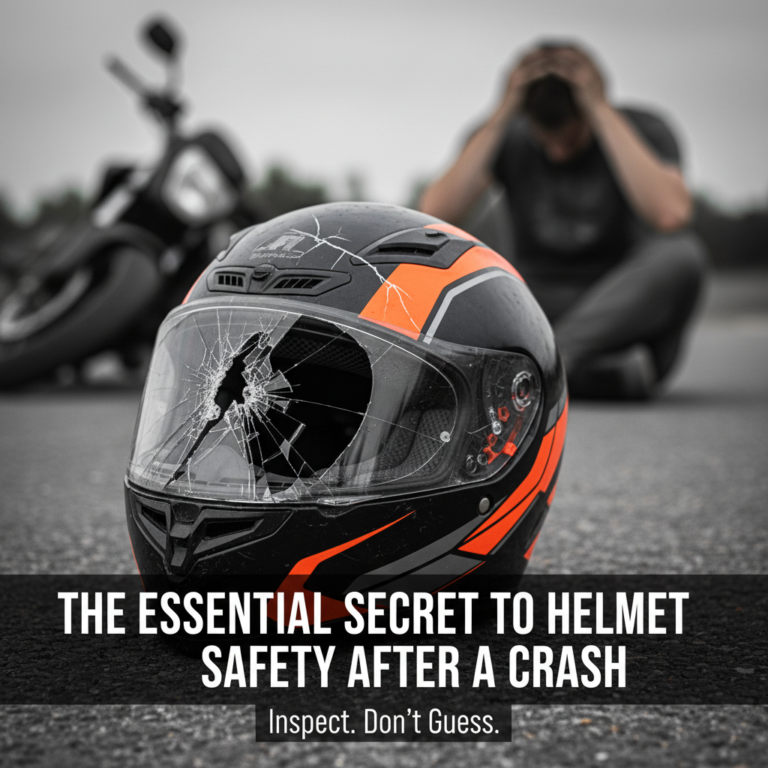
To ensure the longevity and reliability of your helmet, regular maintenance and care are paramount. After each jump, inspect your helmet for any signs of damage, such as cracks or scratches, that could compromise its protective capabilities. If you notice any issues, it is crucial to repair or replace the helmet before your next jump.
Cleaning your helmet is also essential; dirt and grime can accumulate over time, affecting visibility and comfort. Use a mild soap and water solution to clean the exterior and interior of the helmet, and always dry it thoroughly before storage. Proper storage is important as well; store your helmet in a cool, dry place to prevent deterioration of materials. Following these maintenance practices will help extend the lifespan of your helmet and ensure it remains a reliable piece of safety equipment.
Wearing a helmet while skydiving is not just a precaution but an essential element for safety, performance, and compliance. From protecting against head injuries to enhancing visibility and communication, the advantages of using a helmet are clear. Whether you are a novice or an experienced jumper, prioritizing this crucial gear is vital for a safer adventure in the skies. Don’t take chances—invest in a quality helmet today to ensure your skydiving experiences are as safe and enjoyable as possible.
References
- https://www.skydiving.com/faq/skydiving-helmet-safety
- https://www.uspa.org/Resources/USPA-Resources/Skydive-Safety-Manual
- https://www.faa.gov/documentLibrary/media/Advisory_Circular/AC_105-2.pdf
- https://www.nationalgeographic.com/science/article/the-science-of-skydiving
- https://www.skydiving.org/why-you-should-wear-a-helmet-while-skydiving
- https://www.bbc.com/future/article/20200825-how-skydiving-works-in-the-uk
- https://www.ncbi.nlm.nih.gov/pmc/articles/PMC5509174/