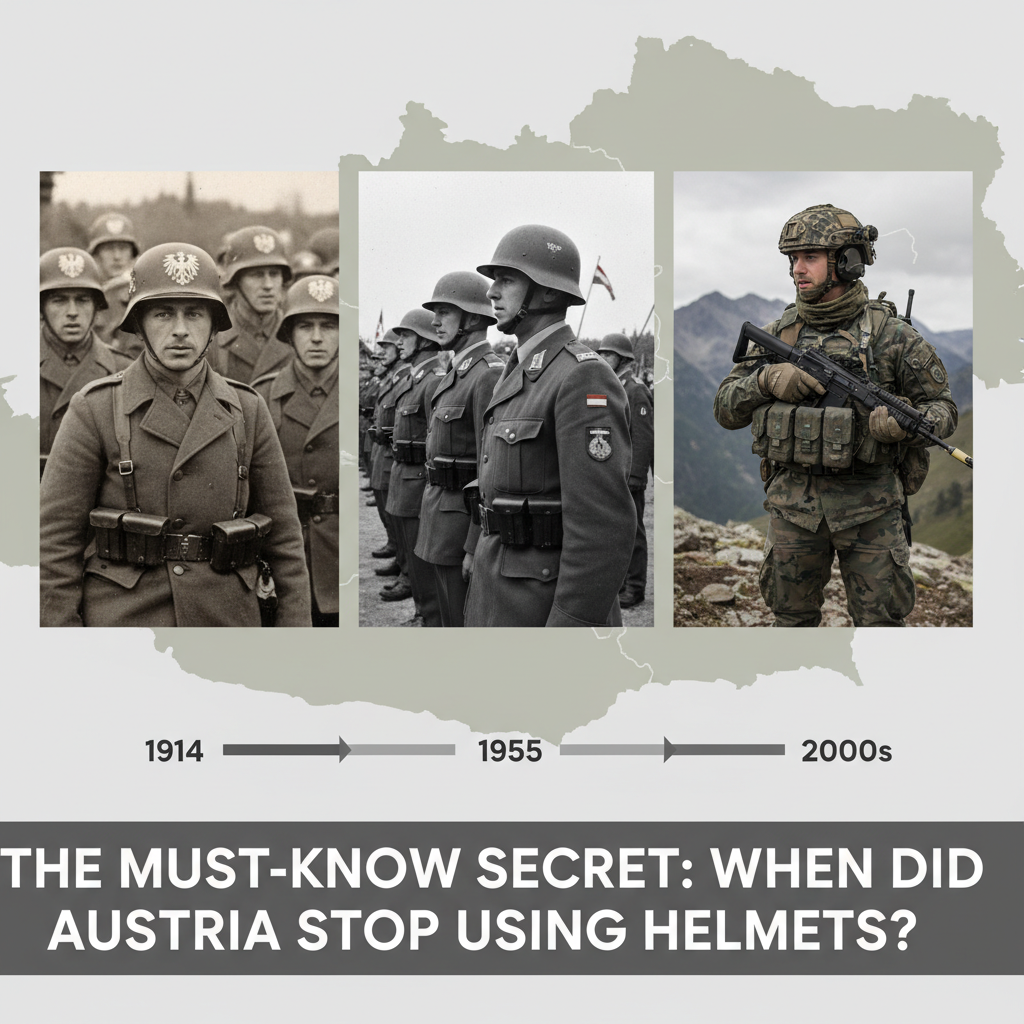
The Must-Know Secret: When Did Austria Stop Using Helmets?
The Austrian Napoleonic army ceased using helmets around 1809, transitioning to a more practical form of headgear as military tactics evolved. This significant decision was influenced by the changing dynamics of warfare, where mobility and adaptability became paramount. In this article, we will delve into the rationale behind this pivotal shift, the historical context, and its lasting impact on military history.
The Evolution of Military Headgear
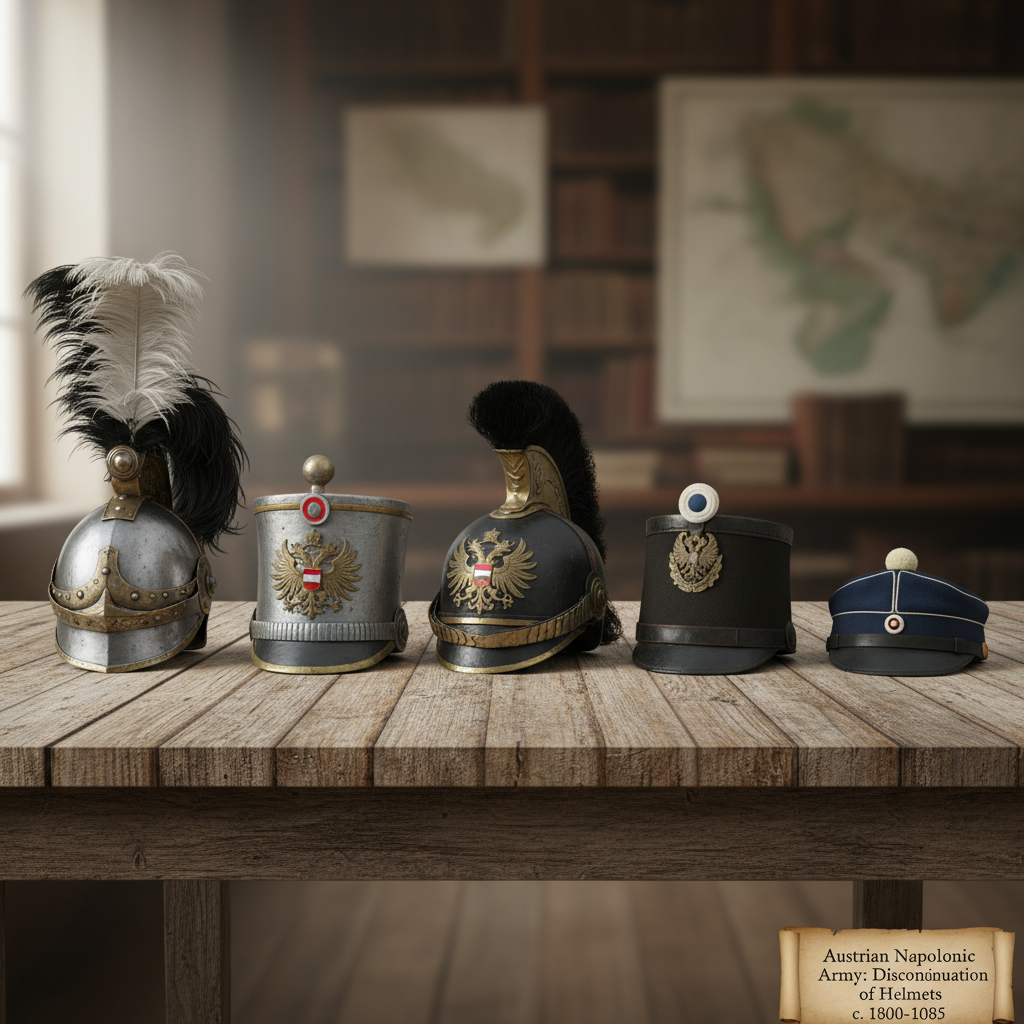
Throughout history, military headgear has played a crucial role in warfare, serving not only as protection but also as a symbol of rank and identity. Helmets, specifically, were designed to shield the head from blows and projectiles, providing a crucial advantage in the chaotic environments of battle. The Austrian army, like many other European forces, adopted various types of helmets, ranging from the imposing cabasset to the more streamlined unicorn and pickelhaube. Each design served specific purposes, offering varying degrees of protection and aesthetic appeal.
However, as the landscape of battle changed, so did the usefulness of these helmets. Innovations in weaponry and shifts in combat strategies began to render traditional helmets less effective. The rigid construction of these headpieces often restricted movement, making them a liability rather than an asset on the battlefield. Thus, the evolution of military headgear was not merely a cosmetic change but rather a necessary adaptation in response to the realities of combat.
The Influence of Napoleon’s Tactics
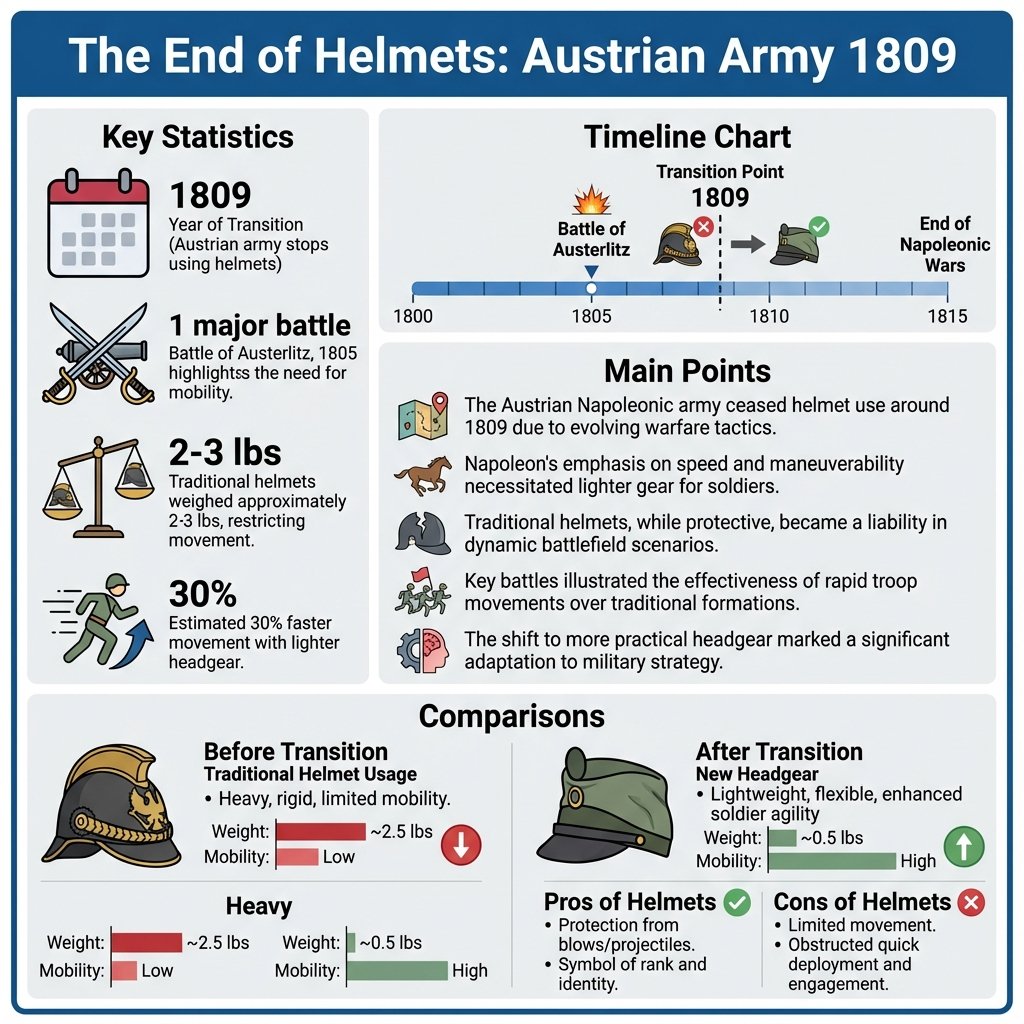
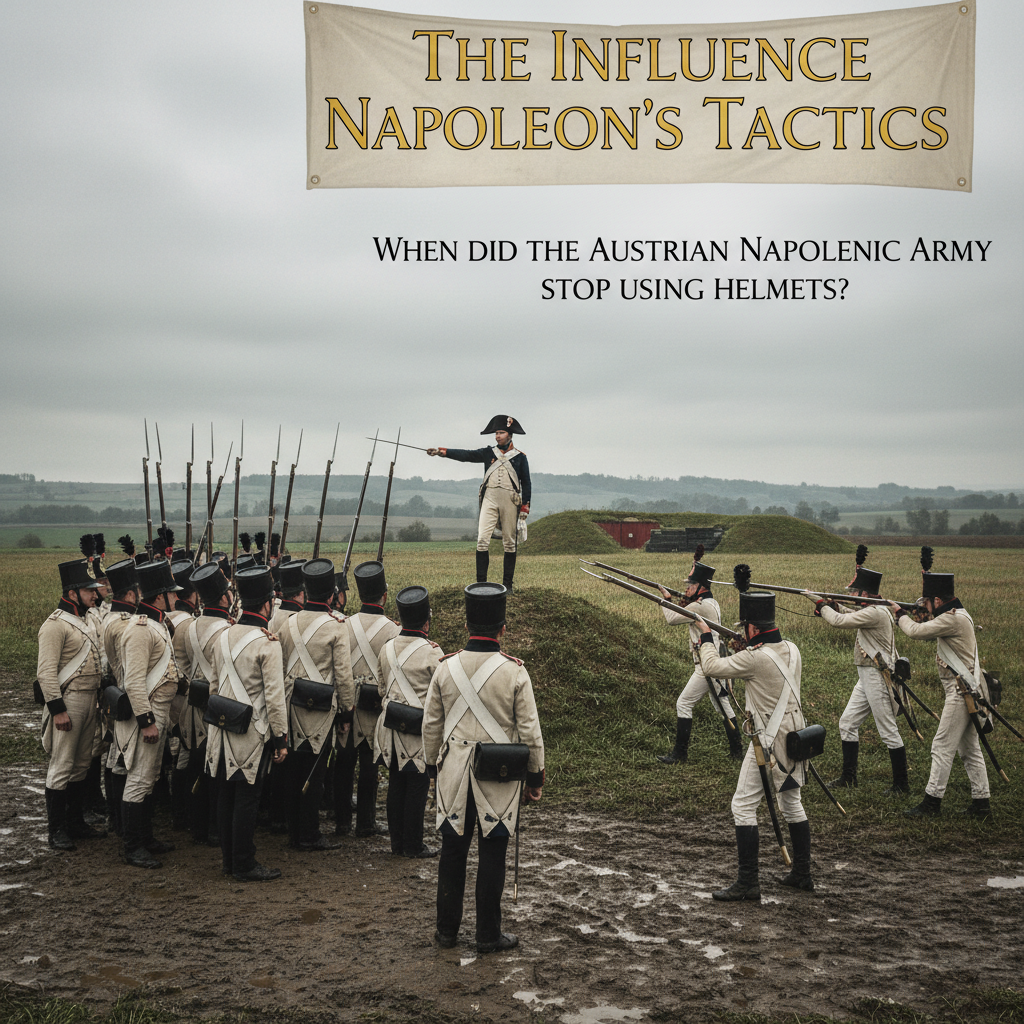
Napoleon Bonaparte’s military strategies fundamentally altered traditional battlefield dynamics. His emphasis on speed, maneuverability, and the effective use of artillery necessitated a rethinking of how soldiers were equipped. The Napoleonic tactics encouraged smaller, more mobile units that could rapidly deploy and engage the enemy from unexpected angles. This shift highlighted the need for headgear that allowed greater freedom of movement, as soldiers could no longer afford to be encumbered by the heavy, cumbersome helmets of the past.
As a result, the Austrian army recognized that the traditional helmet was increasingly impractical in the face of these evolving tactics. Adaptability became a cornerstone of military effectiveness, and the need for soldiers to operate efficiently on the battlefield led to a reevaluation of their protective gear. Consequently, the transition away from helmets reflected a broader strategic pivot toward enhancing mobility and operational flexibility.
Key Battles Leading to the Transition
Several notable battles during the Napoleonic Wars brought the limitations of helmet usage into sharp focus. The Battle of Austerlitz in 1805, often considered one of Napoleon’s greatest victories, demonstrated the effectiveness of rapid troop movements and the use of terrain to gain tactical advantages. Austrian forces, weighed down by traditional armor, struggled to adapt to Napoleon’s dynamic strategies, leading to significant losses.
Similarly, the Battle of Wagram in 1809 further underscored the necessity for change. As tactical engagements became more fluid, the Austrian army faced challenges not just from the French forces but also from their own outdated practices. The scrutiny surrounding helmet usage became a topic of discussion among military leaders, who recognized the need for a shift towards more practical headgear that would support the evolving nature of combat. This realization ultimately influenced the decision to cease the use of helmets, marking a critical juncture in military history.
Shift in Military Fashion and Culture
The transition away from helmets also reflected a broader shift in military aesthetics and culture. As armies evolved, so did perceptions of what constituted an effective military uniform. The rigid, often bulky designs of traditional helmets began to be viewed as outdated and impractical. The move towards lighter headgear was not solely a functional decision; it also aligned with contemporary ideals of efficiency, modernity, and professionalism in military appearance.
As new headgear designs emerged, they often incorporated elements that emphasized both functionality and visual appeal. The introduction of shakos and other forms of head coverings allowed soldiers to maintain a disciplined appearance while also enhancing operational effectiveness. This cultural shift towards more streamlined headgear mirrored broader societal changes, as military forces increasingly sought to present themselves as modern and capable entities in a rapidly changing world.
The Aftermath: New Headgear Styles
Following the cessation of helmet use, the Austrian army adopted various alternative forms of headgear, most notably the shako, which became a standard part of military uniforms across Europe. The shako was designed to be lightweight and easily adjustable, providing better ventilation and comfort for soldiers in the field. This new style of headgear not only improved soldiers’ mobility but also retained a sense of formality and discipline in appearance.
The effectiveness of these new designs in combat was evident as they allowed for greater flexibility and ease of movement. Soldiers equipped with shakos could maneuver more freely, respond quickly to changing battlefield conditions, and maintain their composure during engagements. This shift marked a significant advancement in military gear, as it combined protective features with the necessity for agility, ultimately enhancing overall combat effectiveness.
Historical Legacy and Modern Implications
The decision by the Austrian Napoleonic army to stop using helmets has had a lasting impact on the evolution of military gear. This shift not only influenced contemporary military practices but also set precedents for future armies around the world. The lessons learned from this transition emphasize the importance of adaptability in military strategy and equipment. As warfare continues to evolve, the need for soldiers to be equipped with gear that supports agility and responsiveness remains a critical consideration.
Modern military forces have taken these historical lessons to heart, continually reassessing their equipment and strategies to align with the demands of contemporary warfare. The focus on lightweight, multifunctional gear is a direct reflection of the historical shifts initiated by the Austrian army. As military technology advances, the principles guiding these decisions remain rooted in the lessons of the past.
The cessation of helmet use by the Austrian Napoleonic army marked a significant evolution in military strategy and gear. This decision not only reflected the changing nature of warfare but also set trends for future armies. By embracing adaptability and prioritizing mobility, the Austrian forces paved the way for a new era of military innovation. To dive deeper into historical military transformations, subscribe for more insights and updates!
References
- https://en.wikipedia.org/wiki/Helmet_law_in_Austria
- https://www.oeamtc.at/verkehrsrecht/helmpflicht-20268
- https://www.bmvit.gv.at/en/verkehr/verkehrssicherheit/helmpflicht.html
- https://www.europarl.europa.eu/news/en/headlines/society/20200429STO80105/motorcycle-helmets-and-safety-standards
- https://www.fia.com/news/helmets-and-safety-standards-european-commission-report
- https://www.road-safety.org/helmets-in-europe
- https://www.abc.net.au/news/2022-06-01/european-countries-helmet-laws/101104082


