**The Must-Know Truth About Helmet Safety and Breakage**
Helmets are not only designed to protect your head but are also engineered to absorb impact forces, which can sometimes result in breakage. Understanding the mechanics behind helmet design and the circumstances that lead to breakage is vital for anyone involved in biking, sports, or any activity where head protection is necessary. This article explores the science of helmet design, safety standards, signs of damage, and the critical need for helmet replacement after an impact.
The Science of Helmet Design

Helmets are meticulously engineered with advanced materials aimed at absorbing shock during a collision. The typical helmet structure consists of an outer shell and an inner foam layer. The outer shell is often made from hard plastics or composite materials that provide a durable barrier against external forces, while the inner foam is designed to compress upon impact. This dual-layer system serves to minimize the force transmitted to the skull, thus reducing the risk of serious injury.
Different types of helmets utilize various materials to achieve optimal performance. For example, bicycle helmets often use expanded polystyrene (EPS) foam, which excels in energy absorption, while motorcycle helmets might incorporate multiple layers of different materials for enhanced protection. Understanding these design nuances can empower consumers to make informed choices about the helmets they choose to wear.
When Should a Helmet Break?


A helmet’s primary purpose is to disperse energy during an impact, and breakage can indicate that it has successfully absorbed the force of a collision. Manufacturers often specify conditions under which a helmet should be replaced, typically after a significant impact that may not be immediately visible externally. This is crucial because a helmet that has been subjected to a strong force may have compromised its structural integrity, even if there are no visible signs of damage.
For instance, if a cyclist takes a fall and the helmet shows no visible signs of damage, it is still advisable to replace it if the impact was severe enough to cause a rotational or linear force to the head. Many helmet manufacturers include guidelines in their user manuals, advising consumers on how to determine when a helmet should be replaced based on the severity of impact.
Safety Standards and Testing
Helmets undergo rigorous testing to meet established safety standards, which vary by type and region. For instance, the Consumer Product Safety Commission (CPSC) sets standards for bicycle helmets in the United States, while organizations like Snell Memorial Foundation and ASTM International provide additional benchmarks for various types of helmets. These standards involve various tests, including impact absorption, penetration resistance, and retention system effectiveness, ensuring that helmets sold in the market provide adequate protection.
Understanding these safety standards can help consumers make informed choices about helmet safety. For example, a helmet that meets CPSC standards is likely to provide a basic level of protection for recreational cycling. However, helmets that meet Snell or ASTM standards may offer enhanced protection for more rigorous activities, such as motocross or skateboarding. Always look for certification labels when purchasing a helmet to ensure it meets the necessary safety regulations.
Signs of Helmet Damage
Identifying signs of helmet damage is crucial for maintaining safety. After any significant impact, it is essential to inspect your helmet for visible signs of damage, including cracks, dents, or any deformities. A helmet that has been compromised in any way should be replaced immediately, as these imperfections can greatly reduce its effectiveness in protecting the head.
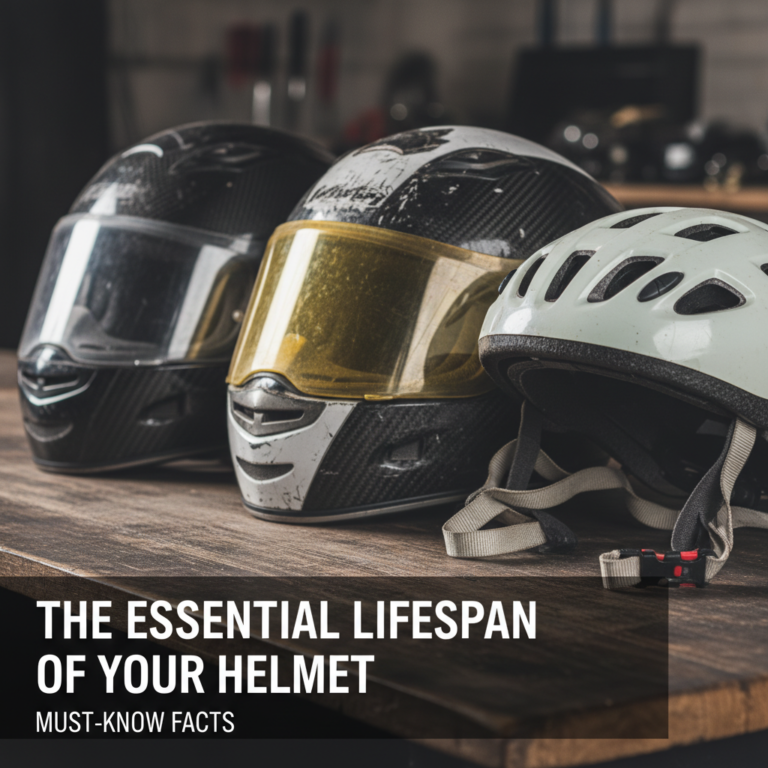
Additionally, it is advisable to conduct regular inspections of your helmet, even if it has not been involved in an impact. Look for signs of wear and tear, such as frayed straps, deteriorating foam, or fading of the exterior shell. Regular inspections can help identify potential safety issues before they become serious concerns, ultimately enhancing your overall protection.
The Importance of Replacement
Replacing a helmet after an impact, even a minor one, is critical. While it may seem wasteful to discard a helmet that appears undamaged, even minor impacts can compromise its structural integrity. Most helmet manufacturers recommend replacing helmets every 3-5 years, regardless of condition, due to the degradation of materials over time.
In addition to age and impact-related damage, environmental factors can also necessitate helmet replacement. Exposure to sunlight, extreme temperatures, and humidity can weaken the materials that make up the helmet, causing them to lose their protective capabilities. Being proactive about helmet replacement can significantly reduce the risk of head injuries in the event of an accident.
Myths About Helmet Breakage
There are prevalent myths surrounding helmet breakage that can mislead consumers regarding helmet safety. One common misconception is that a helmet should never break; however, the reality is that breakage can indicate a helmet has effectively absorbed impact energy. Understanding this truth is vital for ensuring safety, as it helps users recognize when a helmet has fulfilled its purpose and should be replaced.
Another myth is that helmets last indefinitely as long as they appear undamaged. In truth, the materials used in helmet construction, such as foam and plastics, can degrade over time, even without visible signs of wear. This emphasizes the importance of adhering to manufacturer guidelines regarding replacement intervals to maintain optimal safety.
Choosing the Right Helmet
Selecting the right helmet is paramount for ensuring adequate protection. Several factors should be considered, including fit, type of activity, and safety ratings. A helmet should fit snugly but comfortably, without being overly tight or restrictive. A proper fit ensures that the helmet remains securely in place during an impact, providing maximum protection.
Additionally, consider the specific type of activity for which the helmet will be used. Different sports and activities have unique safety requirements, and it is essential to choose a helmet designed for those needs. Investing in a high-quality helmet that meets or exceeds safety standards can significantly enhance safety and provide peace of mind while engaging in recreational or competitive activities.
In conclusion, understanding whether helmets are supposed to break is crucial for your safety. By knowing the science behind helmet design, recognizing signs of damage, and replacing your helmet as needed, you can ensure maximum protection. Don’t compromise on your safety—choose the right helmet, stay informed about its condition, and adhere to replacement guidelines. Prioritize your head safety, as it is an essential component of your overall well-being during any activity.
References
- https://www.cdc.gov/headsup/index.html
- https://www.nhtsa.gov/road-safety/motorcycle-safety
- https://www.nsc.org/home-safety/tools-resources/seasonal-safety/summer/motorcycle-safety
- https://www.helmets.org/
- https://www.mayoclinic.org/healthy-lifestyle/adult-health/in-depth/motorcycle-safety/art-20044625
- https://www.healthychildren.org/English/safety-prevention/on-the-go/Pages/Helmet-Safety.aspx
- https://www.who.int/news-room/fact-sheets/detail/road-traffic-injuries
- https://www.cpsc.gov/Business–Manufacturing/Business-Guidance/Business-Guidance-Home/Helmet-Safety
- https://www.aap.org/en/patient-care/helmet-safety/