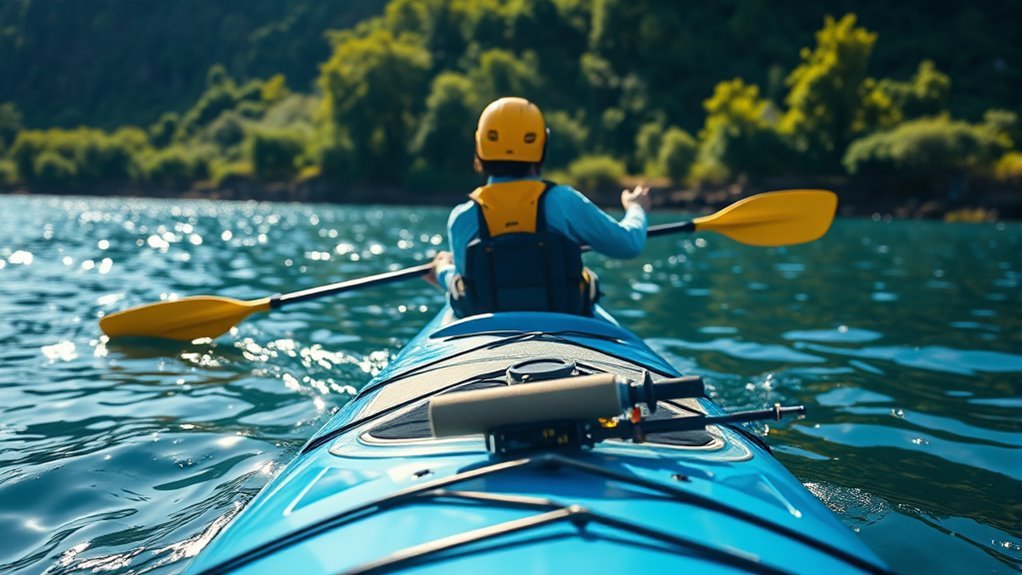
The Role of Helmets in Kayak Fishing Safety
Why helmets matter for kayak fishing safety
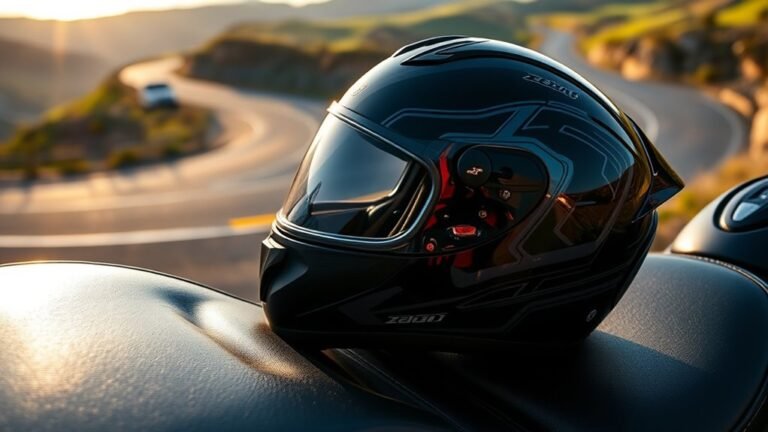
A helmet is defined as protective headgear designed to reduce the risk and severity of traumatic head injury during impacts. In kayak fishing, that protection becomes critical because anglers face sudden falls, contact with gear, and collisions with submerged or floating hazards.
The key difference is this: a life jacket primarily addresses drowning risk, while a helmet primarily addresses head impact risk. Many safety authorities emphasize wearing both, especially in environments with moving water, obstacles, or limited reaction time.
Kayak fishing hazards that can cause head impacts
Kayak fishing exposes anglers to impact scenarios that can happen fast and unexpectedly. Even careful paddling cannot eliminate hazards like strap entanglement, unstable footing during gear changes, and sudden water movement near shorelines.
Understanding common risk sources helps you choose the right helmet and use it correctly. It also makes it easier to justify helmet use to yourself and to others on the water.
Falls, slips, and re-entry impacts
Falls are one of the most common mechanisms for head injury in paddlesports. When you lose balance while reaching for tackle, stepping over a scupper, or standing to land a fish, your head may strike the kayak deck, the water surface, or the hull.
Re-entry is a specific risk moment: after a capsize, anglers often pull themselves back on board quickly, sometimes without stable footing. A helmet can reduce the likelihood of severe head injury during that re-entry phase.
Collisions with fixed and floating obstacles
In rivers and coastal areas, collisions can occur with docks, rocks, bridge pilings, submerged logs, and vegetation. Floating debris such as branches or foam lines can also shift with current, creating a surprise contact point.
Fast-moving kayaks are not the only concern. In slow water, you still may slide into hazards when you stop paddling and your kayak drifts.
Equipment failures and snag-related incidents
Gear issues can indirectly lead to head impacts. A compromised paddle leash, a failing VHF radio mount, or a loose rod holder can distract you during critical moments, increasing the chance of falls.
Snag events are another contributor. When lines, nets, or anchor ropes catch on structure, you may lean or twist abruptly to free gear, which can put your head and neck in awkward positions.
Unpredictable currents and wave action
Currents are defined as the movement of water in a consistent direction, often shaped by tides, river flow, wind, and underwater topography. When currents accelerate near bends, bridge shadows, or shallow turns, your kayak can rotate or drift faster than you expect.
That mismatch between expectation and water behavior can lead to abrupt corrective strokes, sudden braking, or contact with obstacles. A helmet helps when those corrections do not go smoothly.
What to look for in a kayak fishing helmet
The best kayak fishing helmet is one that fits correctly, stays secured during movement, and meets relevant impact protection standards. Helmet performance is not only about the outer shell; retention systems, coverage, and weight distribution matter.
When you evaluate helmets, focus on measurable safety certifications and real-world fit. A safe helmet that slips or shifts is less protective than a properly fitted one.
Safety certifications and impact standards (what they mean)
Safety certifications are defined as formal test outcomes showing a helmet meets minimum performance criteria for impact attenuation and other safety parameters. In paddlesports and water-adjacent activities, widely recognized standards include:
- CE EN 1385 (commonly used for canoeing and kayaking helmets)
- ASTM F1492 (often referenced in recreational head protection contexts)
- In-water and multisport relevance based on the manufacturer’s tested configuration
If a helmet lists compliance with CE EN 1385 or a comparable scheme designed for paddling impacts, that is usually a stronger safety signal than a generic “bike helmet” claim. Always verify the model and certification rather than relying on marketing language alone.
Impact Protection Signals to Verify on Kayak Fishing Helmets
| # | What to Check | Standard/Metric | Why It Matters for Kayak Fishing | Fit/Retention Indicator | Impact-Protection Confidence |
|---|---|---|---|---|---|
| 1 | CE compliance for paddling | CE EN 1385 | Targets impact attenuation requirements relevant to canoe/kayak helmets | Secures with an adjusted retention system | ★★★★☆ 90% |
| 2 | Water-sport head protection testing reference | ASTM F1492 | Provides an established framework for recreational head protection performance | Retention documented as part of certified configuration | ★★★☆☆ 78% |
| 3 | Multi-impact coverage claims | Side/back coverage spec | Improves head protection chances during slips and contact with obstacles | Helmet stays level during movement tests | ★★★★☆ 88% |
| 4 | Certified system components (not just shell) | Retention/straps included | Retention affects whether the helmet protects when you fall or re-enter | Chin strap adjustable; secure without over-tightening | ★★★☆☆ 80% |
| 5 | Proper low-profile placement | No excessive crown tilt | Helps the helmet align with likely impact angles during falls | Stays stable after gentle head shake | ★★★★☆ 86% |
| 6 | Water-behavior durability of straps | Salt/rinse resistance | Wet straps are crucial after spray, rain, and re-entry | Webbing retains tension after rinsing | ★★★☆☆ 82% |
| 7 | Avoiding “category mismatch” helmets | Not bike-helmet-only | Reduces uncertainty when impacts involve paddling-specific hazards | Retention matches head-protection use case | ★★★★☆ 89% |
Fit quality: stability, strap design, and coverage
A helmet that does not remain stable under force is not doing its job. Look for a retention system with an adjustable chin strap, secure side fit, and a dial or consistent sizing mechanism that prevents rotation.
Practical fit checks you can do on land:
- With the helmet level on your head, shake your head gently. The helmet should not shift significantly.
- Ensure the chin strap is snug without restricting breathing.
- Confirm coverage across the sides and back of the head, not only the crown.
The key difference is that stable helmets protect against rotational and linear impact forces better than helmets that rotate during an incident.
Weight, ventilation, and fatigue management
Comfort affects safety because discomfort reduces consistent helmet use. A helmet that feels heavy or hot may lead you to remove it during longer trips.
Many modern paddlesport helmets use lighter materials and ventilation channels. While weights vary by model, aiming for a helmet that feels “manageable” over 2 to 4 hours is a practical benchmark for fishing sessions.
Water readiness: drainage and strap material behavior
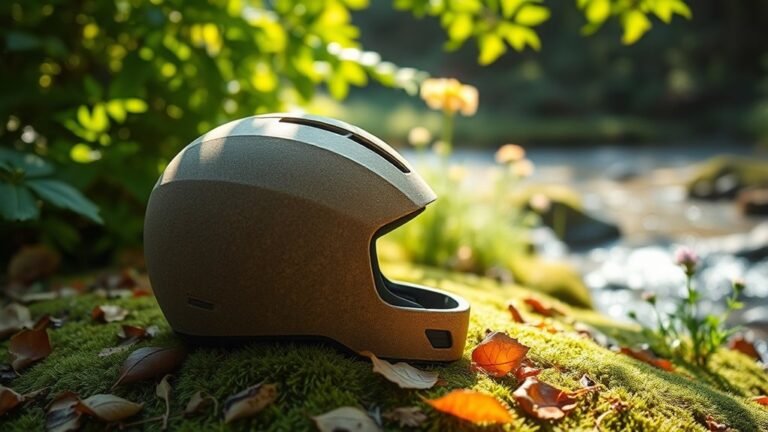
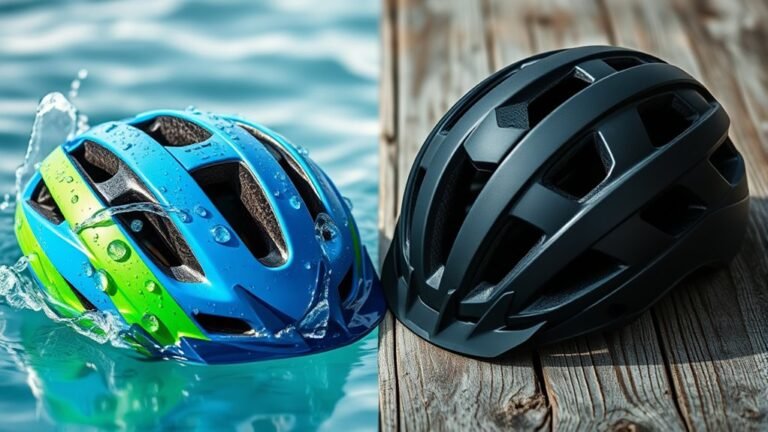
Kayak fishing conditions often include spray, rain, and occasional submersion risk. A helmet designed for outdoor and water-adjacent use should manage water without trapping it in a way that affects comfort or fit.
Look for features like drainage channels and webbing or strap materials that do not degrade quickly when exposed to saltwater or repeated rinse cycles.
Common helmet myths in kayak fishing
Several myths cause anglers to skip helmets, even though the risk profile in kayak fishing supports head protection. The evidence is straightforward: unexpected impacts happen to experienced paddlers as well.
Debunking these misconceptions helps you choose safety based on risk, not assumptions.
Myth 1: Helmets are only for extreme kayaking
This is defined as the belief that helmet use is reserved for high-risk whitewater, surf, or technical play. The reality is that falls, collisions, and overhead impacts can occur in everyday paddling environments, including lakes, rivers, and sheltered coastal waters.
Professional and recreational paddlesport safety guidance commonly recommends helmets when there is a plausible impact mechanism, such as rocks, current, or obstacles. That applies to fishing as much as it does to route-based paddling.
Myth 2: All helmets are bulky and uncomfortable
The key difference is that modern paddlesport helmet designs prioritize fit and ventilation, not just coverage. Many helmets are designed to sit low and stable while maintaining airflow for warm-weather sessions.
If you find a helmet uncomfortable, it is often because the sizing or retention setup is incorrect, not because helmets inherently cannot be comfortable.
Myth 3: Wearing a helmet isn’t stylish
Style is subjective, but safety is measurable. Many anglers now choose helmets that match their fishing gear colors and personal preferences. A helmet that looks acceptable matters less than one that performs correctly and stays secured.
How to wear a helmet correctly on the water
Proper helmet use is defined as wearing it at the correct position on your head with secure retention so it remains stable during movement. Even the best helmet will underperform if it is worn loosely or tilted.
Adopt a simple pre-launch routine to reduce errors and make helmet use automatic.
Pre-launch checklist for secure fit
Before you launch, confirm the following in under a minute:
- Position: The helmet should sit level, not tipped far back.
- Strap tension: The chin strap should be snug enough that the helmet does not wobble.
- Retention: After a few gentle head movements, the helmet should not shift.
- Hair and hat interference: Avoid bulky hats or hairstyles that prevent a stable fit.
Don’t share helmets unless the fit is verified
Helmets are made to fit a specific head shape and size range. Sharing without refitting increases the chance of a poor retention fit, especially during sudden water events.
Replace helmets after high-impact events
A helmet is defined as a safety device designed for impact events; after a significant hit, internal structure and protective performance may be compromised even if the exterior looks fine. If you experience a fall, contact with rocks, or any substantial impact, treat the helmet as suspect and consider replacement per manufacturer guidance.
Helmets vs. other safety gear: what protection each item provides
Helmets and life jackets work together, but they protect against different categories of risk. In kayak fishing, using both—and ensuring proper condition—is a widely accepted safety approach.
A useful way to think about it is: life jacket equals buoyancy support and drowning risk reduction, while helmet equals head impact risk reduction.
Life jacket and helmet combination
Most paddlesport safety guidance emphasizes wearing a U.S. Coast Guard–approved life jacket (often called a PFD) appropriate for paddling conditions. In addition, helmets are recommended when impacts are possible, including near obstacles, rocks, or moving water.
The key difference is coverage: PFDs address flotation and thermal support, while helmets address head trauma from collisions, falls, and unexpected contact.
Additional gear that complements helmet safety
Helmets are part of a broader safety system. Consider these commonly paired items:
- Impact-resistant eyewear or sunglasses to reduce facial injuries from splash and debris
- Gloves to improve grip and reduce hand injuries during slips
- Headlamp or reflective gear for visibility in low-light fishing
- Knife and line-cutting tool to address line snag risks
Real-world questions anglers ask about kayak fishing helmets
Anglers often want fast answers before they buy or commit to helmet use. Below are common questions with direct, practical guidance.
Do I need a helmet for lakes and calm water?
Yes, when there are plausible head impact scenarios. Calm water does not eliminate falls while landing fish, collisions with docks, or contact with submerged hazards. A helmet is still a practical risk-reduction tool in many lake settings, especially around marinas and boat ramps.
What about standing while fishing?
Standing increases instability and changes your center of gravity. If you stand on a kayak for fly fishing or bass fishing, a helmet becomes even more important because your balance shifts quickly and head protection is valuable during inevitable slips or overreaching.
Will a helmet interfere with hearing or communication?
Most paddlesport helmets are designed to avoid excessive coverage over the ears. If you use radios or ear protection, choose a helmet model that fits your headset or keeps the helmet from pressing uncomfortably near the ear area. If your plan includes comms, test fit before your first trip.
Choosing your next helmet: a practical buying approach
The goal is to pick a helmet you will wear consistently and that meets relevant safety standards with a stable fit. Start with certification information, then confirm comfort, retention, and coverage.
Then match the helmet to your typical fishing conditions: river current, coastal rocks, marina navigation, or long open-water sessions.
Quick selection criteria to use today
- Verify standards such as CE EN 1385 where applicable to paddling helmets
- Prioritize retention and fit stability over appearance
- Choose ventilation and weight that you can tolerate for your usual trip length
- Confirm compatibility with your eyewear, hat preferences, and any head-mounted gear
Bottom line: helmets are a core safety layer in kayak fishing
Helmets are defined as protective headgear that reduces injury severity during head impacts, including falls and collisions. In kayak fishing, they address a real and common risk category that anglers face every season.
When you pair a properly certified, well-fitted helmet with a properly worn life jacket and a pre-launch gear check, you build a safety system grounded in widely accepted paddlesport risk management. The most reliable safety upgrade is the one you actually use every trip.
Frequently Asked Questions: The Role of Helmets in Kayak Fishing Safety
Do I really need a helmet for kayak fishing?
That said, a helmet is not a substitute for core safety practices—wear a properly fitted personal flotation device (PFD), secure safety gear, and use the right techniques for your environment. If you fish in rivers, around moving water, in low-visibility conditions, or near hazards, the value of a helmet increases significantly.
What type of helmet is best for kayak fishing?
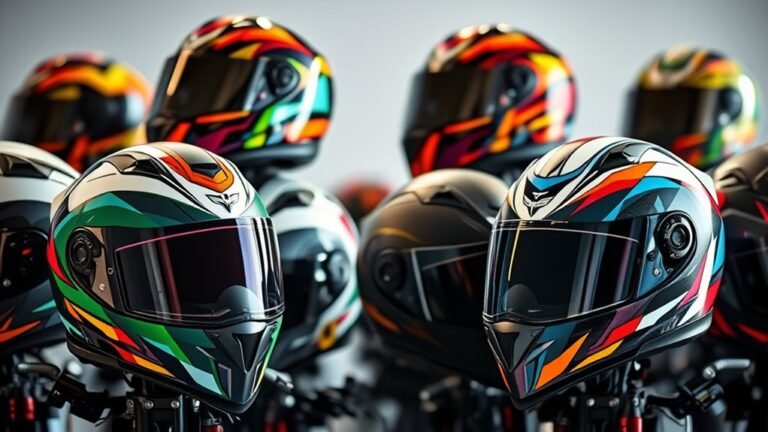
- Water-sports or multi-sport helmets: Common options include kayaking/rafting helmets or helmets labeled for paddle sports.
- Secure fit and retention system: A strap system that holds the helmet firmly during movement and wet conditions is essential.
- Coverage: Models that protect the sides, forehead area, and back of the head can offer broader protection.
- Compatibility with a PFD: Your helmet should sit comfortably with your life jacket collar and not push upward or shift when you turn your head.
- Materials and comfort: Lightweight construction and breathable padding help you actually wear it for long sessions.
Avoid using a helmet that is not intended for impact protection or water exposure (for example, some casual hats or bike helmets not rated for the type of activity). When in doubt, choose a product specifically marketed for paddle sports or activities with similar impact risks.
How should a kayak fishing helmet fit, and how do I know it’s secure?
- Snug on the head: The helmet should sit level and not rock or move significantly when you shake your head gently.
- No gaps in critical areas: While comfort matters, you shouldn’t be able to insert fingers between the helmet and your forehead/temples easily.
- Proper strap tension: Adjust the chin strap so it stays secure during head movement. A good rule is that it should keep the helmet from sliding upward if you open your mouth or look down.
- Secure retention with the PFD: Put on your PFD, then wear the helmet. Check for interference points that push the helmet out of position.
- Re-check after adjustments: Many people dial in fit before the trip but forget that layers (hoods, hearing protection, cold-weather gear) can change how it sits.
A well-fitted helmet should feel secure without being painful. If it moves easily, the retention system may need adjustment or the helmet size may be wrong.
Will a helmet interfere with hearing, vision, or communication while fishing?
To minimize interference:
- Choose a helmet with a comfortable, low-profile design: This helps maintain peripheral vision.
- Manage accessory mounts carefully: If you use a light, camera, or GoPro, ensure it doesn’t obstruct your view or shift your balance.
- Consider water and wind conditions: In noisy environments (wind, splashing, motorboats nearby), reliable communication matters—use hand signals, a whistle, or a VHF radio if you fish with a partner.
- Maintain situational checks: Regularly scan for hazards—logs, rocks, docks, other boats—especially during casts and when changing positions.
If you find you frequently adjust the helmet during the trip, that’s a sign it likely doesn’t fit well. A secure, properly sized helmet reduces the need to touch it, which helps maintain awareness.
How does wearing a helmet change my overall kayak fishing safety plan?
- Wear a properly fitted PFD: This protects against drowning and supports safe recovery.
- Use a leash system when appropriate: Prevent losing paddles, tools, or tethers from the kayak.
- Carry key gear for the environment: A bilge pump or sponge, navigation lights (if needed), a whistle, a first-aid kit, and a way to call for help.
- Plan your route and conditions: Check weather, water temperature, currents, and tides. Avoid unfamiliar hazards.
- Practice safe movement: Reposition slowly, keep your center of gravity low, and avoid sudden standing or leaning over the side.
- Know your limits: If conditions worsen, shorten your trip, stay closer to shore, or fish with a partner.
Wearing a helmet can reduce severity in the event of a head impact, but the greatest benefit comes from pairing it with good judgment and protective equipment. For anglers targeting rough water, rock gardens, bridges, or river currents, the helmet’s role becomes even more valuable as part of a complete plan.
References
- Risk Perception and Safety Practices; the Implications for Safety Initiatives and Incident Preven… Google Scholar
https://figshare.cardiffmet.ac.uk/ndownloader/files/36611634 - [B] Sea Kayaking Safety and Rescue: From mild to wild, the essential guide for beginners through … Google Scholar
https://books.google.com/books?hl=en&lr=&id=FkILg7O1bygC&oi=fnd&pg=PP1&dq=The+Role+of+Helmets+in+Kayak+Fishing+Safety&ots=QehdADt8fM&sig=LHTz-tiQtHSkKk-REtpIUzAntaU - Safety and survival at sea Google Scholar
https://lib.store.turbify.net/lib/landfallnav/JAcobsSafetyandSurvivalatSea.pdf - Low life jacket use among adult recreational boaters: a qualitative study of risk perception and … Google Scholar
https://www.sciencedirect.com/science/article/pii/S0001457513004120 - Kayaking fatalities: could more appropriate helmets prevent fatal consequences? Google Scholar
https://link.springer.com/article/10.1007/s40279-013-0109-y
📅 Last Updated: July 07, 2026 | Topic: The Role of Helmets in Kayak Fishing Safety | Content verified for accuracy and freshness.