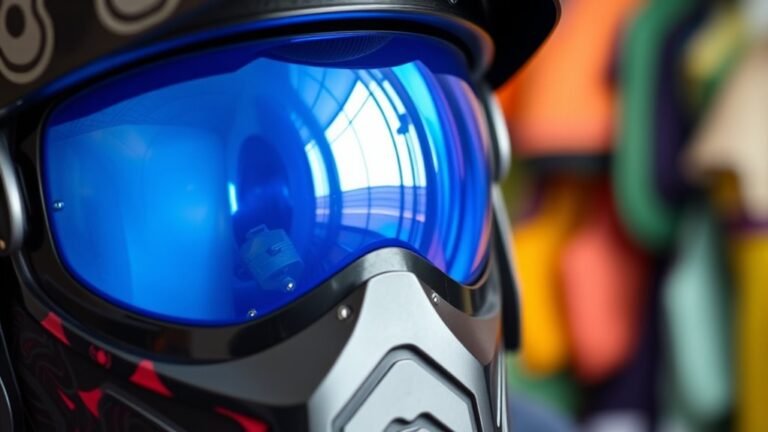
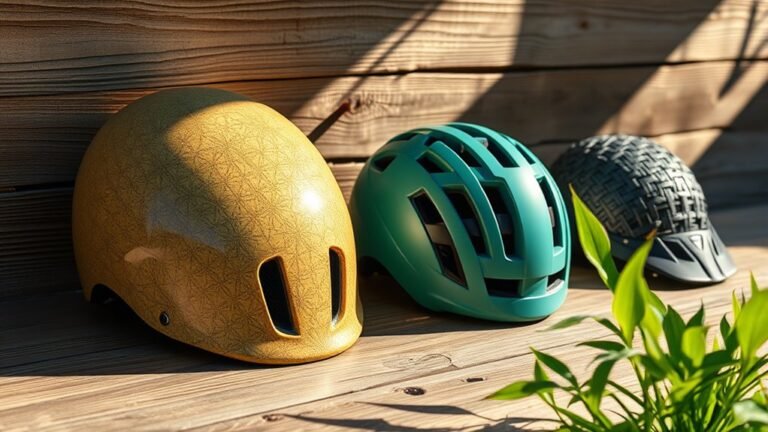
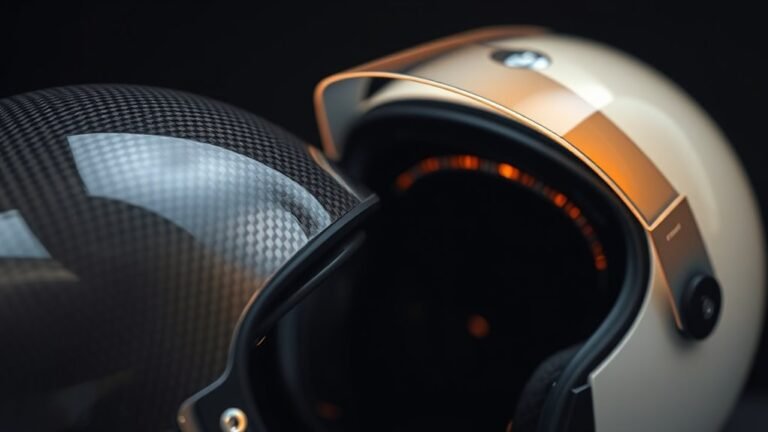
The Science Behind Impact Protection in Water Helmets
Water helmets utilize advanced materials like expanded polystyrene (EPS) and polypropylene (PP) to absorb and dissipate impact forces effectively. Their multi-layer construction guarantees the outer layer manages initial impacts while inner foam compresses to absorb energy, reducing the risk of head injuries. Compliance with safety standards from organizations like ASTM and Snell guarantees reliable performance. A proper fit is essential for maximum protection. Discover how innovative technologies are further enhancing helmet safety and performance in aquatic sports.
Understanding the Role of Helmets in Water Sports
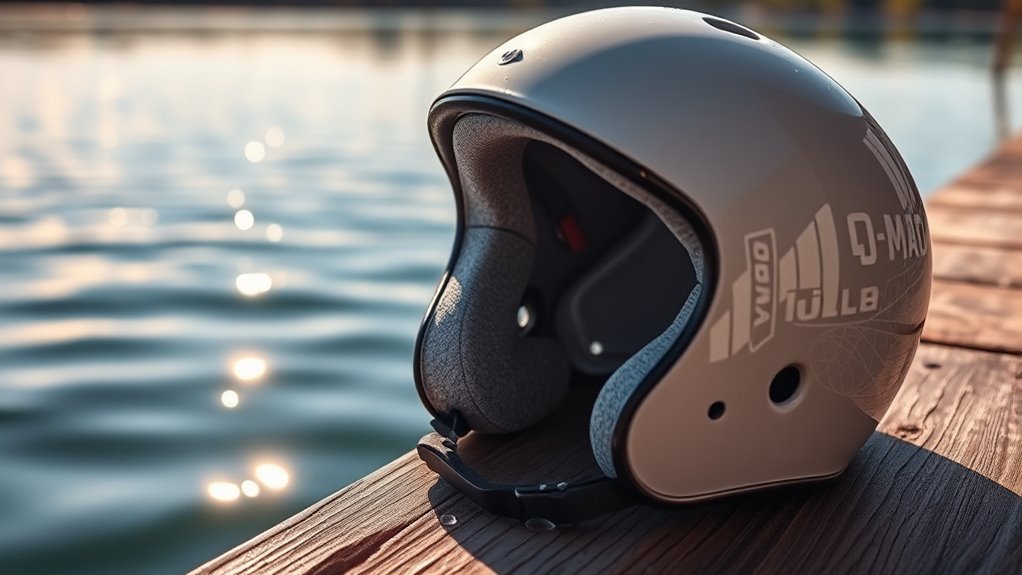
While many might underestimate the importance of helmets in water sports, their role is critical in mitigating head injuries during activities like wakeboarding, kayaking, and surfing. Understanding helmet history reveals a progression from rudimentary designs to advanced protective gear, shaped by athlete perspectives emphasizing safety without sacrificing mobility. These helmets are engineered to absorb impact, ensuring that athletes can push their limits while minimizing risks. A well-designed helmet balances protection and freedom, allowing you to focus on performance rather than potential injury. As sports evolve, so do the innovations in helmet technology, making it essential for you to choose gear that aligns with both safety standards and your desire for adventure on the water.
Key Materials Used in Water Helmet Construction
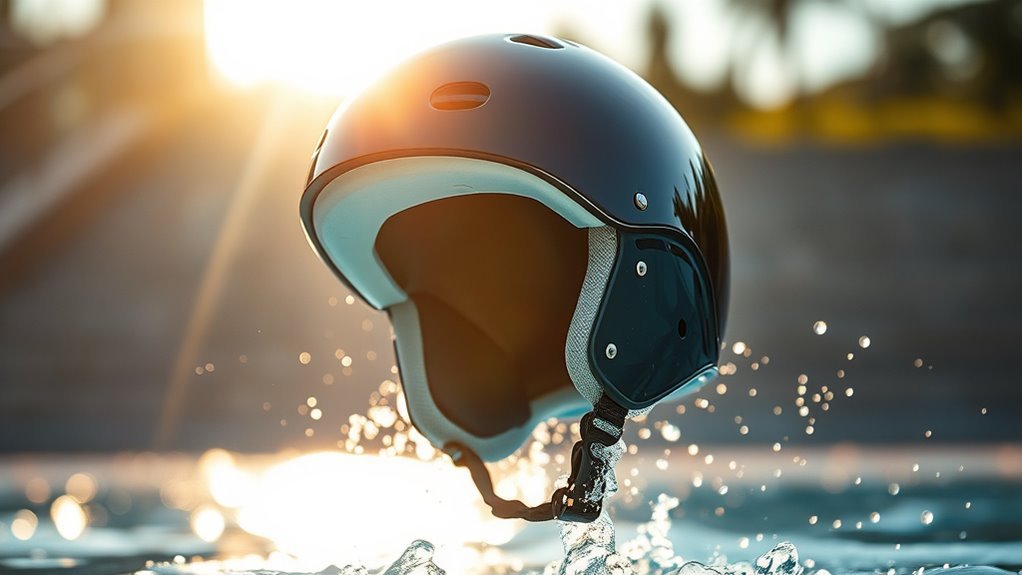
As you consider the construction of water helmets, it is essential to recognize the key materials that contribute to their effectiveness in impact protection. Typically, materials like expanded polystyrene (EPS) and polypropylene (PP) are utilized due to their lightweight and energy-absorbing properties. A materials comparison reveals that while EPS offers superior shock absorption, PP provides enhanced durability and flexibility. Additionally, advanced construction techniques such as in-molding and dual-layer designs enhance structural integrity and impact resistance. These combinations of materials and methods help guarantee the helmet remains functional and comfortable, allowing you the freedom to enjoy your water activities without compromising safety. Understanding these elements equips you with the knowledge to choose the right helmet for your needs.
The Physics of Impact: How Helmets Absorb Shock
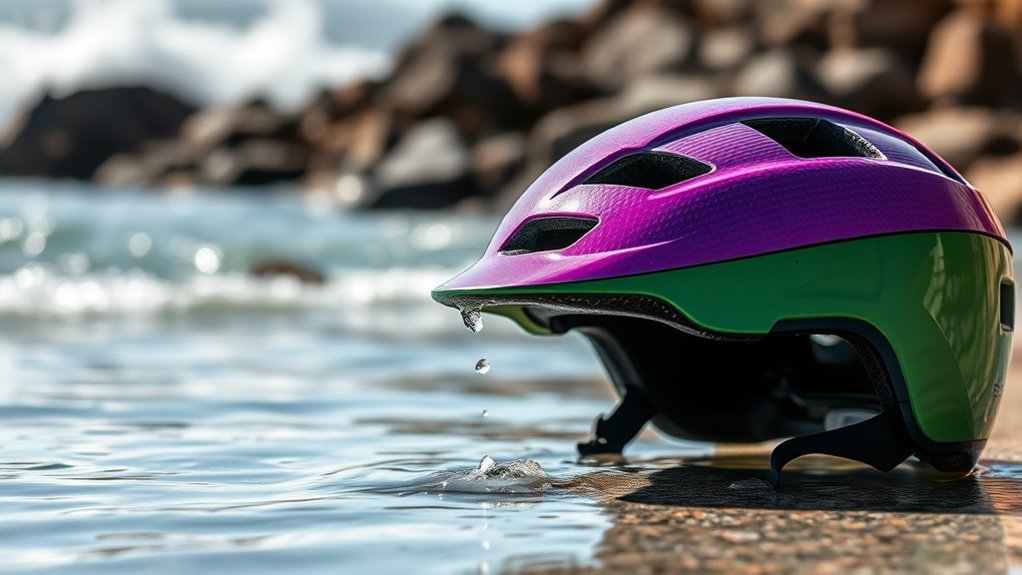
Understanding the physics of impact is essential for comprehending how helmets effectively absorb shock during collisions. When an impact occurs, the dynamics of force travel through the helmet, where materials designed for shock absorption play a critical role. Helmets typically feature multi-layer constructions that distribute and dissipate energy across their surfaces. The outer layer manages initial impact forces, while the inner foam layers compress to absorb energy, reducing the transmission to your head. This systematic absorption minimizes the risk of injury by extending the time over which the force acts, lowering peak force levels. By examining these impact dynamics, you can appreciate how advanced helmet designs prioritize safety and performance, allowing for a sense of freedom in aquatic activities.
Biomechanics of Head Injuries in Aquatic Environments
When analyzing head injuries in aquatic environments, it’s essential to contemplate the unique forces at play during water-related accidents. Different types of head injuries, such as concussions and skull fractures, can result from varying impact scenarios, influenced by water density and velocity. Understanding these mechanics helps in designing more effective protective gear to mitigate injury risks.
Types of Head Injuries
Head injuries in aquatic environments can arise from various mechanisms, each characterized by distinct biomechanical forces. Concussions are among the most prevalent injuries, often resulting from rapid changes in velocity during impacts with water or objects. Injury statistics indicate that aquatic sports and activities pose significant risks, particularly in high-speed scenarios. Other types of head injuries include contusions and lacerations, typically caused by direct contact with hard surfaces. Understanding these injury types is vital for effective concussion prevention strategies, which can mitigate risks through proper helmet design and usage. By analyzing the specific forces at play, you can better appreciate the importance of protective gear in reducing the severity of head injuries in water-related activities.
Forces in Water Accidents
Although water is often perceived as a safe medium, the forces involved in aquatic accidents can lead to severe head injuries due to rapid deceleration and impact. When you collide with water at high speeds, the impact dynamics can create forces equivalent to hitting a solid surface. This rapid change in velocity increases the risk of concussions and other traumatic brain injuries. Understanding these forces is essential for accident prevention. Helmets designed for water sports must absorb and dissipate energy effectively to minimize injury risks. By analyzing the biomechanics of head injuries in aquatic environments, we can enhance helmet design, ensuring better protection while maintaining your freedom to enjoy water activities safely.
Innovative Technologies in Water Helmet Design
As advancements in material science and engineering continue to evolve, water helmet design is increasingly incorporating innovative technologies aimed at enhancing safety and performance. You’ll find that modern helmets leverage smart materials and adaptive designs to provide ideal protection. Consider these key features:
- Impact-absorbing layers: These materials deform upon impact, reducing force transmission to your head.
- Ventilation systems: Enhanced airflow keeps you comfortable during extended use.
- Adjustable fit mechanisms: These allow for personalized snugness, ensuring stability without compromising comfort.
- Lightweight composites: Advanced materials reduce bulk, enabling freedom of movement while maintaining safety standards.
These innovations not only improve protection but also elevate your experience on the water, allowing you to focus on enjoying your activity.
Testing Standards and Safety Certifications
When evaluating the safety of water helmets, it’s essential to understand the impact testing methods employed to gauge their effectiveness. You’ll find that various certification organizations establish safety standards that guarantee helmets meet specific performance criteria. This discussion will clarify the significance of these standards and the testing processes behind them.
Impact Testing Methods
While ensuring safety in water sports, understanding impact testing methods is essential for evaluating helmet performance. These methods assess how well helmets can withstand impact forces and are governed by rigorous testing protocols.
Here are four key testing methods commonly used:
- Drop Tests: Helmets are dropped from specified heights onto a rigid surface to measure impact absorption.
- Pendulum Tests: A swinging mass strikes the helmet, simulating real-world impact scenarios.
- Dynamic Testing: Helmets undergo high-speed impacts to gauge performance under rapid force.
- Environmental Conditioning: Helmets are exposed to extreme temperatures and moisture to evaluate durability and effectiveness over time.
Certification Organizations Overview
Certification organizations play an essential role in establishing testing standards and safety certifications for water helmets. They define certification criteria that guarantee helmets meet specific impact protection requirements. These organizations, such as ASTM International and ISO, perform rigorous testing to evaluate helmet performance under various conditions, ensuring reliability and safety for users. Their roles include not only creating standards but also conducting audits and assessments to maintain compliance among manufacturers. By adhering to these certification criteria, consumers can trust that the helmets they choose will provide the necessary protection during water activities. Understanding the influence of these organizations empowers you to make informed decisions, guiding your choices toward helmets that prioritize safety and performance.
Safety Standards Explained
Understanding the role of certification organizations is essential, but it’s equally important to comprehend the specific safety standards that govern water helmets. These standards guarantee helmet performance meets safety regulations, providing you with the protection you need. Key safety standards include:
- CEN (European Committee for Standardization) – Establishes performance criteria for helmets.
- ASTM (American Society for Testing and Materials) – Focuses on impact resistance and retention system effectiveness.
- ISO (International Organization for Standardization) – Provides global benchmarks for helmet testing.
- Snell Memorial Foundation – Delivers additional testing for high-performance helmets.
The Importance of Fit and Comfort for Safety
When you’re choosing a water helmet, the fit and comfort are vital elements that directly influence your safety. A helmet that doesn’t fit properly can shift during activities, increasing the risk of injury. Look for models with fit adjustments, like dial systems or adjustable straps, to guarantee a secure fit tailored to your head shape. Additionally, comfort features such as padding and ventilation can greatly enhance your experience, allowing you to focus on your performance rather than discomfort. A well-fitted helmet not only protects your head but also encourages you to wear it consistently, maximizing the protective benefits. In high-risk water sports, the right combination of fit and comfort is essential for both safety and confidence.
Real-World Case Studies: Helmet Performance in Accidents
Fit and comfort play a considerable role in helmet safety, but the true test of a water helmet’s effectiveness lies in real-world scenarios. Through accident analyses, we can evaluate how well helmets perform during incidents. Here are four notable real-world examples:
- Whitewater Rafting Incident: A helmet absorbed a high-impact collision with a rock, considerably reducing head injury.
- Wakeboarding Crash: In a fall, the helmet effectively distributed force, preventing a concussion.
- Jet Ski Accident: A user struck by another vessel reported minimal injury due to helmet design.
- Diving Mishap: A helmet provided critical protection against a sudden underwater impact, showcasing its durability.
These cases highlight the importance of analyzing real-life situations to understand helmet performance and improve safety standards in water sports.
Future Trends in Water Helmet Technology
As technology advances, water helmets are poised to undergo significant transformations that enhance safety and performance. The integration of smart materials will be pivotal; these materials can adapt to varying impact forces, providing tailored protection without sacrificing comfort. Imagine a helmet that hardens upon impact, dissipating energy more effectively. Additionally, adaptive designs will allow for customization to fit individual head shapes and preferences, ensuring that each user experiences peak safety and comfort. This personalized approach not only enhances protection but also appeals to your desire for freedom in choosing gear that complements your lifestyle. As these innovations unfold, you can expect water helmets to become safer, lighter, and more versatile, ultimately redefining your water sports experience.
Frequently Asked Questions
How Do I Properly Maintain My Water Helmet?
To properly maintain your water helmet, first use gentle cleaning techniques, like mild soap and water, to remove dirt and grime. Avoid harsh chemicals that could degrade the material. After cleaning, dry it thoroughly to prevent mold. For storage, keep it in a cool, dry place away from direct sunlight to maintain its integrity. Regularly inspect for any signs of wear or damage, ensuring you’re always ready for your next adventure.
Can Water Helmets Be Customized for Individual Needs?
Yes, water helmets can be customized for individual needs. You can achieve a more secure fit through custom fitting techniques, ensuring the helmet adapts to your unique head shape. Additionally, helmet modifications like adding padding or adjusting the retention system can enhance comfort and performance. These adjustments not only improve safety but also allow you to enjoy water activities with greater freedom and confidence, tailored specifically to your requirements.
What’s the Average Lifespan of a Water Helmet?
The average lifespan of a water helmet typically ranges from three to five years, depending on factors like use frequency and helmet durability. Regular exposure to water, UV rays, and impacts can degrade materials over time. To guarantee peak protection, inspect your helmet regularly for signs of wear and replace it if you notice any damage. Prioritizing this maintenance will help you enjoy your aquatic adventures with confidence and safety.
Are There Specific Helmets for Different Water Sports?
Absolutely, there are specific helmets designed for different water sports. For instance, kayak helmets are engineered to provide maximum protection during rough water conditions, focusing on impact absorption and fit. On the other hand, wakeboard helmets prioritize a lightweight design for agility while still ensuring safety. Choosing the right helmet not only enhances your performance but also safeguards your freedom to push limits in your favorite sport, making it essential to select the proper gear.
How Do I Know if My Helmet Fits Correctly?
To know if your helmet fits correctly, you should conduct a fit test. Start by measuring your head circumference for accurate helmet sizing. When you put on the helmet, it shouldn’t move excessively; it should feel snug but comfortable. You should be able to fit one or two fingers between your chin and the strap. A properly fitted helmet allows for freedom of movement without compromising safety during water activities.
References
- https://www.ncbi.nlm.nih.gov/pmc/articles/PMC5931613/
- https://www.sciencedirect.com/science/article/abs/pii/S2212670817301885
- https://www.nichd.nih.gov/health/topics/headinjury/conditioninfo/prevention
- https://www.cdc.gov/headsup/resources/index.html
- https://en.wikipedia.org/wiki/Helmet
- https://www.aus.gov.au/information-and-services/health/impact-helmet-safety
- https://www.americanhelmetsafety.org/
- https://www.sportsafety.org/
- https://www.healthline.com/health/impact-protection-helmets