The Ultimate Guide to Cleaning Motorcycle Helmet Padding
To effectively clean motorcycle helmet padding, start by removing the padding according to the manufacturer’s instructions. This ensures a deep clean without damaging the helmet. Utilizing gentle cleaning solutions and allowing the padding to air dry completely before reassembling is crucial for maintaining the integrity of both the padding and helmet shell. A clean helmet not only enhances safety by improving hygiene but also elevates comfort, making each ride more enjoyable.
Why Clean Your Helmet Padding?

Cleaning your helmet padding is essential for several reasons. First, it significantly improves hygiene by removing sweat, oil, and bacteria that accumulate over time. Riders often spend hours on the road, and the padding absorbs perspiration, which can lead to unpleasant odors and even skin irritations if not regularly cleaned. Furthermore, a clean helmet contributes to enhanced comfort during rides. Fresh, clean materials can help prevent discomfort and distractions, allowing you to focus fully on the road ahead. In essence, maintaining your helmet padding is not just about cleanliness; it is a crucial aspect of rider safety and comfort.
Materials Needed for Cleaning


Before embarking on the cleaning process, gather the necessary materials to ensure an effective and safe clean. You will need:
– Mild soap or specialized helmet cleaner: Opt for a gentle cleaning solution specifically designed for helmet materials. Harsh chemicals can degrade the padding and shell, leading to compromised safety.
– Soft brush or cloth: A soft-bristled brush or a microfiber cloth is ideal for gently scrubbing the padding without causing damage. These tools allow you to reach into crevices and remove grime effectively.
– Warm water: Use warm water for rinsing, as it helps dissolve dirt and soap residues more effectively than cold water.
By having these materials on hand, you set the stage for a thorough and effective cleaning session.
Step-by-Step Cleaning Process
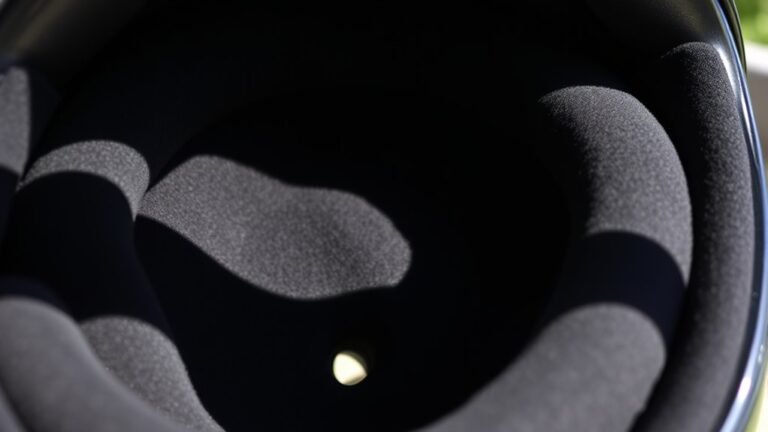
1. Carefully remove the padding from the helmet: Begin by following the manufacturer’s instructions for removing the padding. Some helmets feature removable liners, while others may require more careful disassembly. Taking your time during this step is crucial to prevent any accidental damage to the helmet.
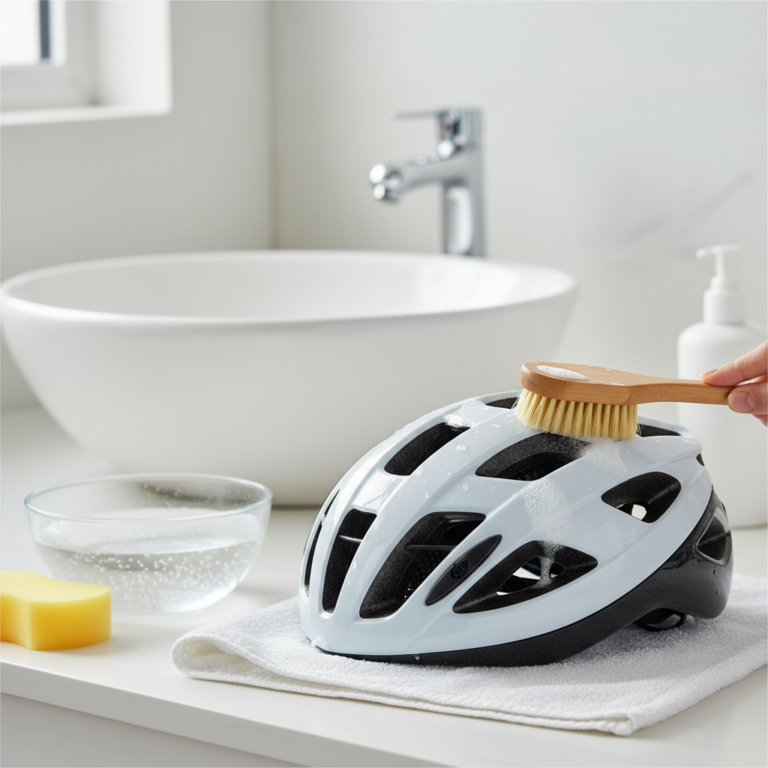
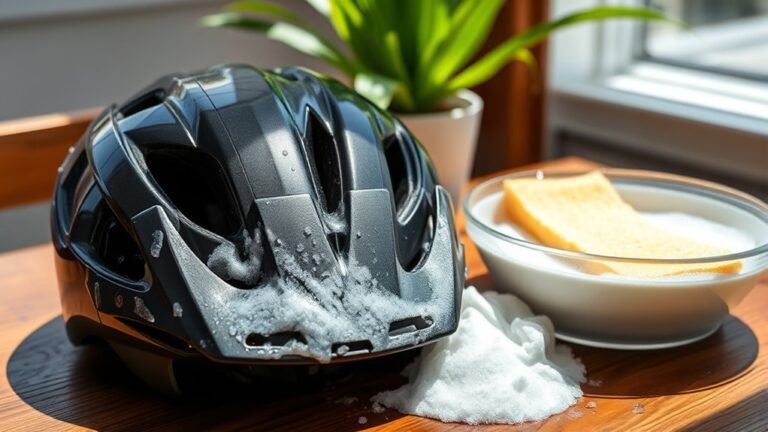
2. Use the soft brush with soap to scrub away grime and odor: Once the padding is removed, fill a basin with warm water and add a few drops of mild soap or helmet cleaner. Dip the soft brush or cloth into the solution and gently scrub the padding. Focus on areas with heavy buildup or odor, such as around the ears or forehead. Be cautious not to soak the padding excessively, as this can lead to longer drying times.
3. Rinse thoroughly: After scrubbing, rinse the padding under warm running water to remove soap residues. Ensure that all cleaning agents are washed away, as leaving them behind may irritate your skin during future rides.
4. Inspect for damage: While cleaning, take a moment to inspect the padding for wear or damage. If you notice any significant issues, it may be time to consider replacing the padding altogether.
Drying Your Helmet Padding
Proper drying is just as important as the cleaning process itself. Here’s how to ensure your helmet padding dries effectively:
– Air dry the padding in a cool, well-ventilated area: Lay the padding flat on a clean, dry surface and allow it to air dry completely. This helps prevent any moisture from becoming trapped, which could foster mold and mildew growth.
– Avoid direct sunlight and heat sources: While it may be tempting to speed up the drying process by placing the padding in direct sunlight or near a heat source, this can damage the materials. High temperatures can cause padding to warp or degrade, compromising both fit and safety.
By following these drying guidelines, you can maintain the integrity of the materials and prolong the lifespan of your helmet.
Maintaining Your Helmet Padding
Once your helmet padding is clean and dry, it’s essential to adopt a regular maintenance routine to keep it in top condition. Here are some strategies:
– Regularly wipe down padding after rides: After each ride, take a moment to wipe down the padding with a damp cloth to remove any sweat or dirt. This simple step can prevent buildup and extend the time between deep cleaning sessions.
– Use a helmet bag for storage: When not in use, store your helmet in a protective bag to shield it from dust and dirt. This helps maintain the quality of the padding and the helmet shell, ensuring it remains ready for your next adventure.
Implementing these maintenance tips can significantly enhance the longevity of your helmet padding and improve your overall riding experience.
Common Mistakes to Avoid
While cleaning your helmet padding may seem straightforward, there are several common pitfalls to avoid:
– Using harsh chemicals: Many riders may be tempted to use household cleaners or strong chemicals to clean their helmet padding. However, these substances can degrade materials, leading to reduced safety and comfort.
– Skipping the drying process: Failing to allow your padding to dry completely can result in unpleasant odors and, worse, mold growth. Always prioritize thorough drying to maintain hygiene.
By being aware of these mistakes, you can ensure that your cleaning process is both effective and safe.
When to Replace Helmet Padding
Despite regular cleaning and maintenance, there may come a time when your helmet padding needs to be replaced. Consider the following signs:
– Signs of wear or persistent odors: If you notice fraying, thinning, or an inability to remove odors despite cleaning, it may be time to invest in new padding.
– Follow manufacturer guidelines on lifespan for safety: Manufacturers often provide recommendations on how long helmet padding can safely last. Adhering to these guidelines is crucial for ensuring that your helmet continues to offer optimal protection.
Being proactive about replacing worn-out padding can significantly impact your safety on the road.
Maintaining clean helmet padding is crucial for both hygiene and comfort while riding. By following the steps outlined in this guide, you can ensure that your gear remains in top condition. Don’t wait—start cleaning your helmet padding today for a safer riding experience!
References
- https://www.nhtsa.gov/motorcycles/motorcycle-safety
- https://www.cdc.gov/motorvehiclesafety/motorcycle/index.html
- https://www.motorcycle.com/how-to/how-to-clean-your-motorcycle-helmet.html
- https://www.aaa.com/AAA/common/AAD/Articles/motorcycle-helmet-safety.html
- https://www.helmets.org/
- https://www.bikebandit.com/blog/cleaning-your-motorcycle-helmet
- https://www.rider.com/how-to-clean-and-maintain-your-motorcycle-helmet/
- https://www.ncbi.nlm.nih.gov/pmc/articles/PMC7486281/
- https://www.ama-cycle.org/
- https://www.helmetlaws.com/