The Ultimate Lifespan Guide for Ski Helmets
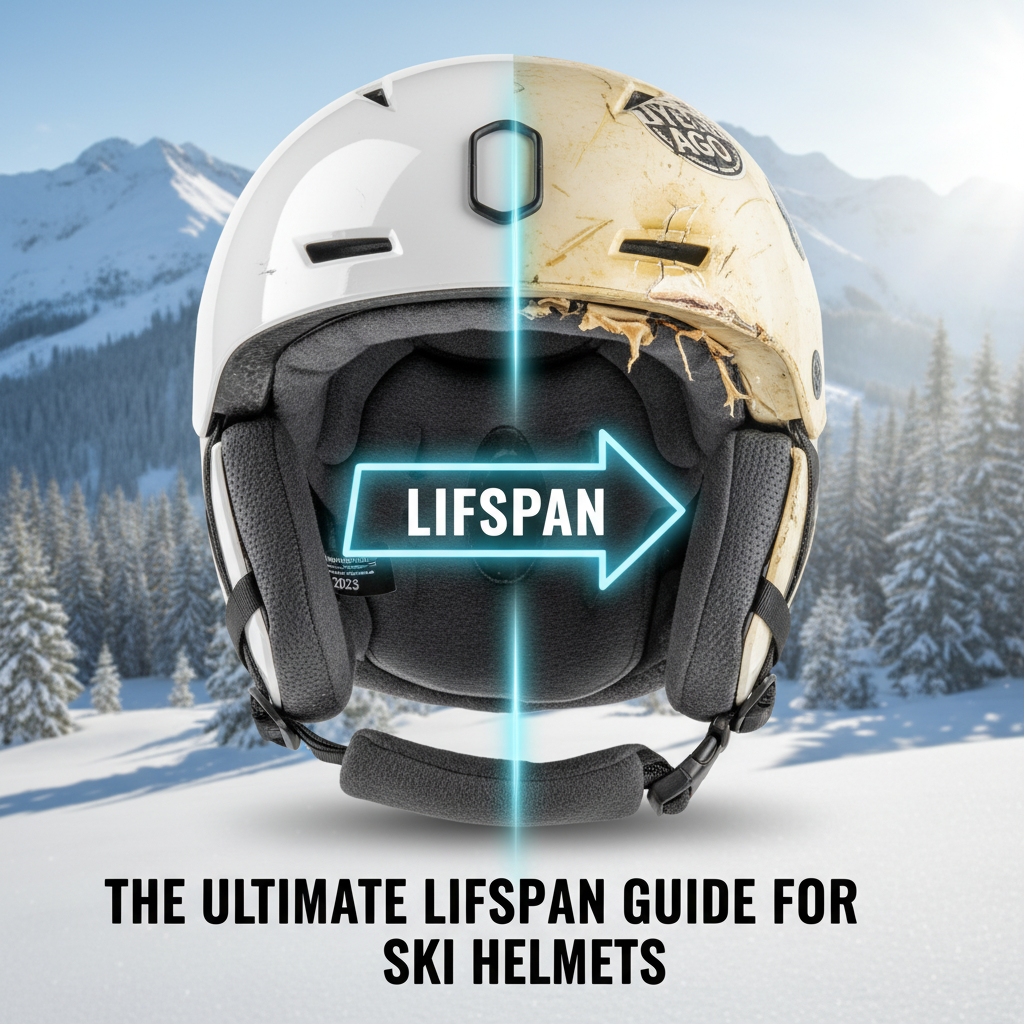
Ski helmets typically last between 3 to 5 years, depending on usage, maintenance, and storage conditions. Understanding the factors that influence their longevity can help you make informed decisions about your safety gear. This guide will break down everything you need to know about ski helmet lifespan, ensuring you stay protected on the slopes.
Understanding the Lifespan of Ski Helmets
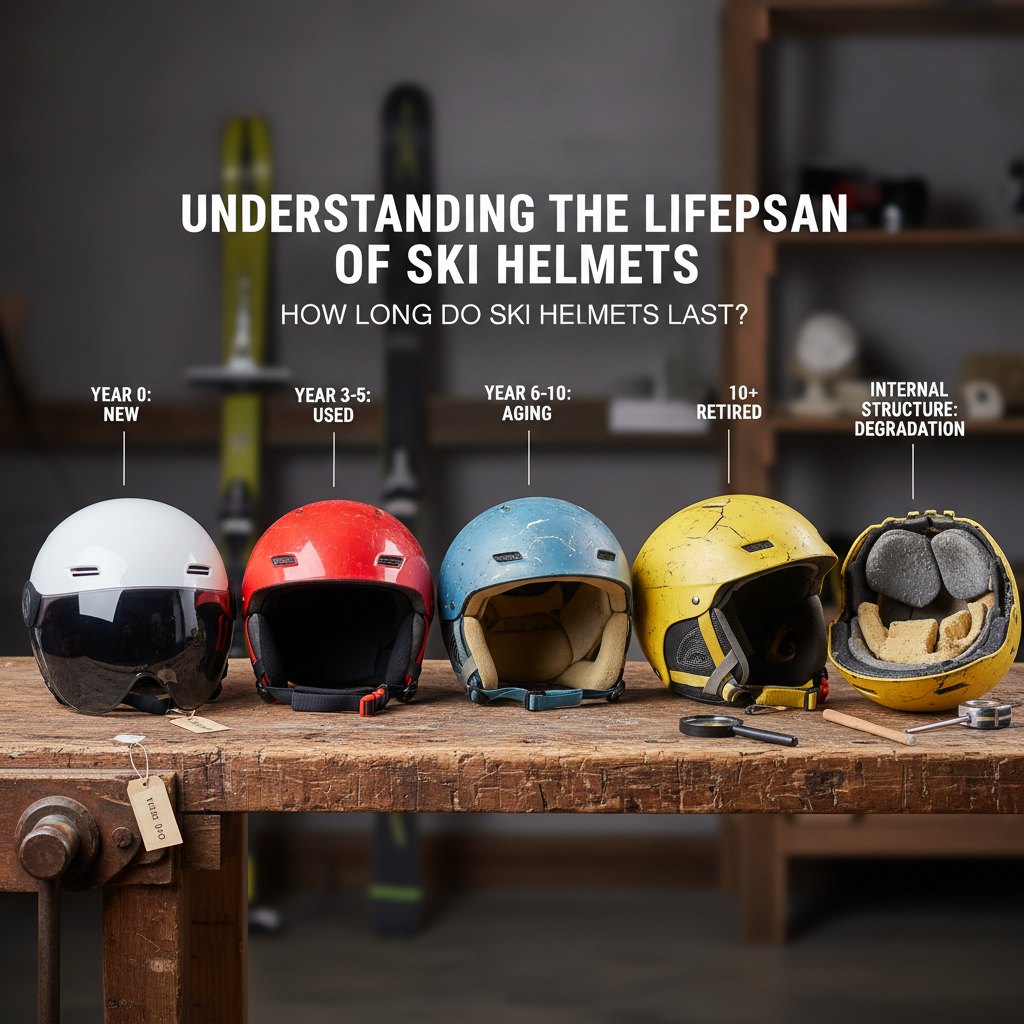
Ski helmets are engineered to absorb impact, which plays a crucial role in protecting skiers from head injuries. However, this ability to absorb shock comes at a cost; over time, the materials used in helmet construction can degrade. Factors such as repeated impacts, exposure to extreme weather conditions, and even just the passage of time can compromise a helmet’s structural integrity. Regular inspections are paramount; they allow you to identify early signs of wear and tear—such as scratches, dents, or fading—that may shorten your helmet’s overall lifespan. As a best practice, it is advisable to inspect your helmet before each skiing season to ensure it meets safety standards.
Key Factors Affecting Helmet Longevity

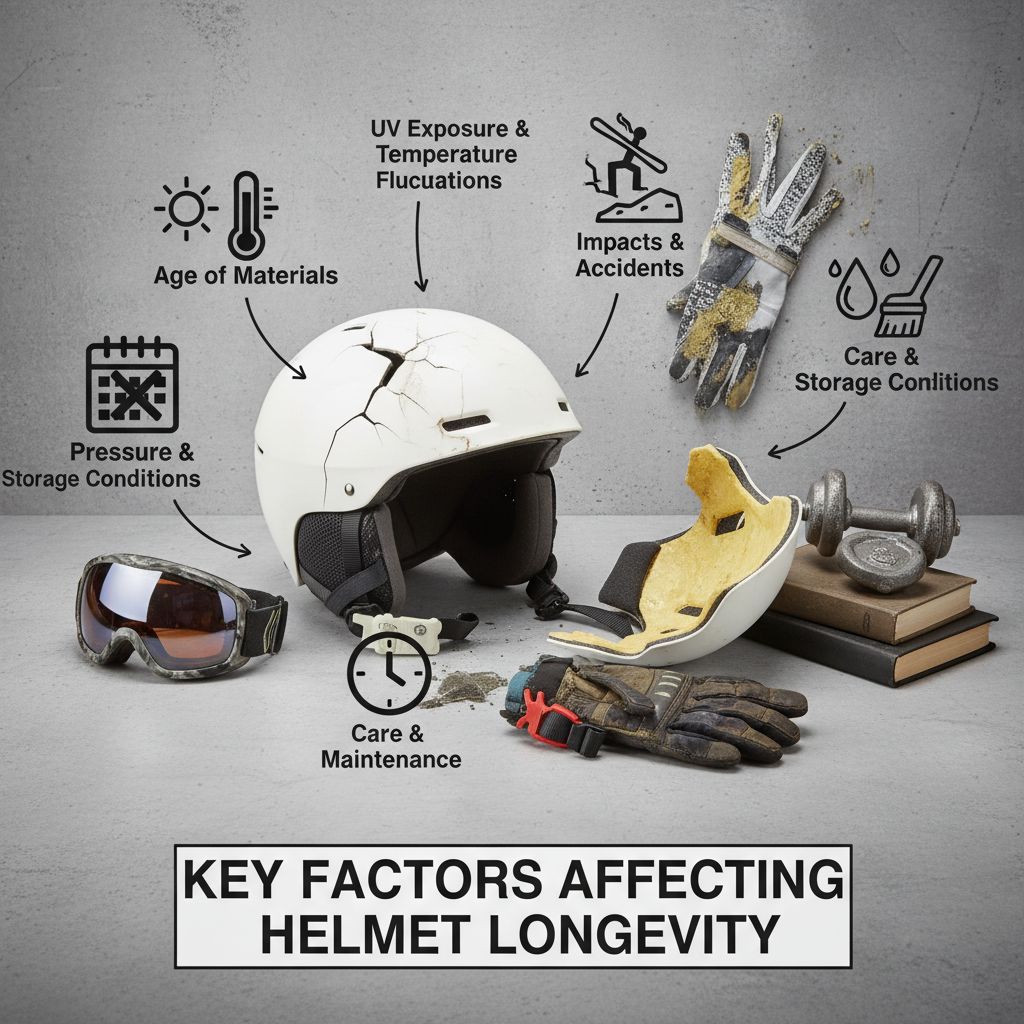
– Usage Frequency: The more frequently you use your helmet, the quicker it may wear out. For instance, a helmet used several times a week during the ski season may experience more stress than one that is only used a few times a year. Skiers who engage in high-risk activities, such as freestyle skiing or racing, may also find that their helmets degrade faster due to the increased likelihood of falls and impacts.
– Storage Conditions: Proper storage is crucial for prolonging the life of your ski helmet. Storing a helmet in extreme temperatures, such as in a hot car or near a heat source, can weaken the materials. Similarly, prolonged exposure to UV rays from direct sunlight can lead to degradation of the outer shell. It is best to store your helmet in a cool, dry place, preferably in a protective bag or container.
Signs It’s Time to Replace Your Helmet
It’s essential to be vigilant about the condition of your helmet. Here are some clear indicators that it may be time for a replacement:
– Cracks or Dents in the Outer Shell: Any visible cracks or dents can significantly impact a helmet’s ability to protect your head during an accident. Even minor damage can compromise structural integrity, so err on the side of caution.
– Noticeable Damage to the Foam Lining or Straps: The foam lining is responsible for absorbing impacts, and any deformation or damage to this material is a red flag. Additionally, if the straps are frayed or broken, they may not secure the helmet properly, reducing its effectiveness.
Maintenance Tips for Prolonging Helmet Life
Taking care of your ski helmet can significantly extend its lifespan. Here are some actionable maintenance tips:
– Clean Your Helmet Regularly: Use mild soap and water to clean your helmet after each use. Avoid harsh chemicals that can damage the materials, and make sure to dry it completely before storing it.
– Store Your Helmet Properly: Keep your helmet in a cool, dry place away from direct sunlight. Using a dedicated helmet bag can help protect it from dust and accidental impacts during storage.
– Avoid Modifications: While it may be tempting to modify your helmet for comfort or aesthetics, alterations can void warranties and may compromise safety features. Always choose helmets that meet your specific needs without needing modifications.
The Importance of Certification and Standards
When selecting a ski helmet, it’s vital to choose one that meets established safety standards. Look for certifications such as ASTM (American Society for Testing and Materials) or CE (Conformité Européenne). Certified helmets undergo rigorous testing for impact resistance, ensuring they provide adequate protection in the event of a fall. These certifications serve as a benchmark for quality and safety, giving you peace of mind as you navigate the slopes.
Budget vs. Premium Helmets: What to Consider
The market offers a range of ski helmets, from budget-friendly options to premium models. Here are some factors to consider when making your choice:
– Safety Features: Premium helmets often come equipped with advanced safety features such as MIPS (Multi-directional Impact Protection System), which reduces rotational forces during impacts. These features can justify the higher price tag when considering your safety.
– Materials and Design: Higher-end helmets are usually made from better-quality materials that offer enhanced durability and comfort. While budget helmets may suffice for occasional skiers, those who ski regularly may benefit more from investing in a premium helmet that lasts longer and offers superior protection.
– Personal Skiing Habits: Evaluate your skiing habits and the environments in which you ski. If you frequently ski in challenging conditions or at higher speeds, investing in a high-quality helmet is a wise decision that can pay off in the long run.
Frequently Asked Questions About Ski Helmets
– How do I know if my helmet fits properly? A well-fitting helmet should feel snug but not overly tight. You should be able to fit one or two fingers between your brow and the helmet. Additionally, when you shake your head, the helmet should not shift significantly.
– Can I use a helmet that has been in a crash? If your helmet has experienced any impact, it is advisable to replace it. Even if there are no visible signs of damage, the materials may have been compromised, reducing its effectiveness in future incidents.
In conclusion, understanding the lifespan of ski helmets is essential for ensuring your safety on the slopes. Regularly assess your helmet for signs of wear and follow proper maintenance tips to maximize its longevity. Don’t compromise on safety—make sure your gear is in top condition before hitting the slopes! Taking the time to understand your helmet’s lifespan can not only protect you but also enhance your overall skiing experience.
References
- https://www.cpsc.gov/Safety-Education/Safety-Guides/Ski-Helmets
- https://www.nsc.org/home-safety/tools-resources/seasonal-safety/winter/skiing-safety
- https://www.aans.org/en/Patients/Neurosurgical-Conditions-and-Treatments/Head-Injuries
- https://www.ncbi.nlm.nih.gov/pmc/articles/PMC6264196/
- https://www.researchgate.net/publication/327283265_Ski_helmet_use_and_injury_outcomes_in_skiers_and_snowboarders
- https://www.who.int/news-room/fact-sheets/detail/injuries-and-violence
- https://www.ski-injury.com/helmets/
- https://www.skiandsnowboardclub.co.uk/helmet-safety-explained/
- https://www.ams.org/publications/journals/journals/
- https://www.skihelmets.org/