The Ultimate Must-Know Helmet Guide for Skiing Safety
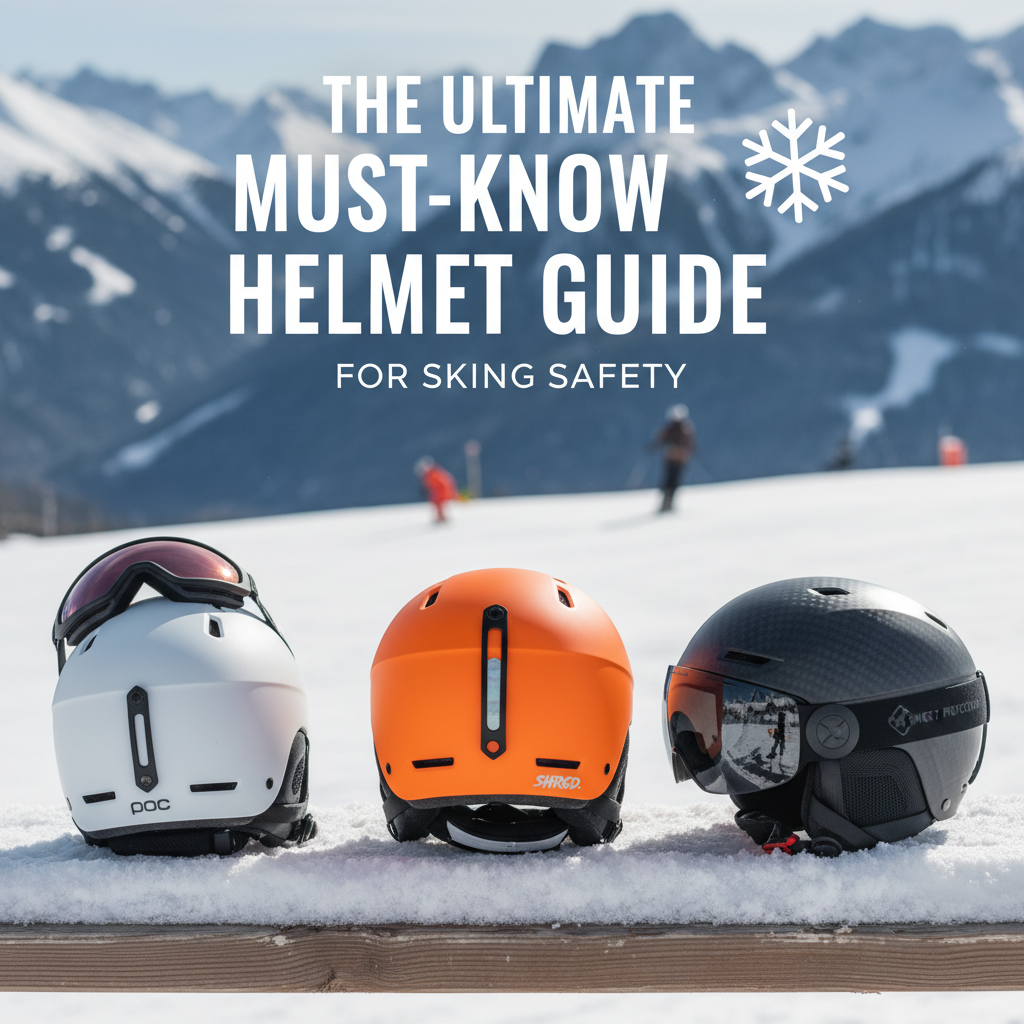
Wearing a helmet while skiing is essential for your safety and well-being on the slopes. It significantly reduces the risk of head injuries, making it a must for every skier, regardless of skill level. Helmets are designed to absorb impact and protect your head from both falls and collisions, offering peace of mind as you navigate the mountain. In this guide, we will delve into the importance of helmets, the numerous benefits they provide, and key factors to consider when choosing the right one for your skiing adventures.
Why You Should Always Wear a Helmet
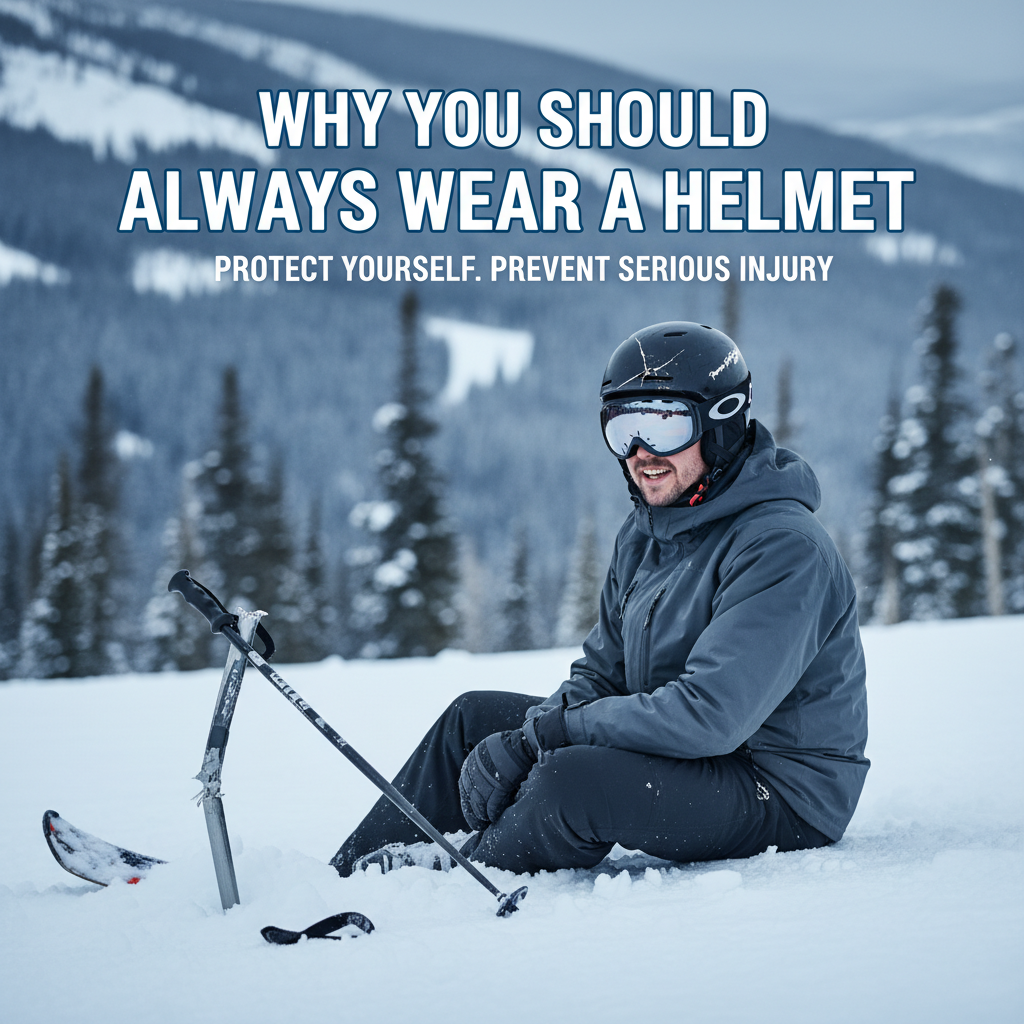
The primary reason for wearing a helmet while skiing is the substantial reduction in the risk of severe head injuries. Research indicates that helmets can decrease the likelihood of suffering a serious head injury by up to 60%. This statistic is particularly alarming considering that head injuries account for a significant percentage of skiing-related accidents. Helmets are essential not only for novice skiers, who may be more prone to falls, but also for seasoned skiers who may encounter unexpected obstacles or collisions on the slopes. With crowded ski areas and varied terrain, the potential for accidents increases, making helmet usage a critical safety measure.
Moreover, helmets are designed to protect against more than just falls; they also provide a layer of safety against collisions with other skiers, trees, and other obstacles that can pose a risk while skiing. The added protection a helmet offers can be a crucial factor in preventing life-altering injuries, making it a non-negotiable accessory for anyone hitting the slopes.
Common Misconceptions About Ski Helmets
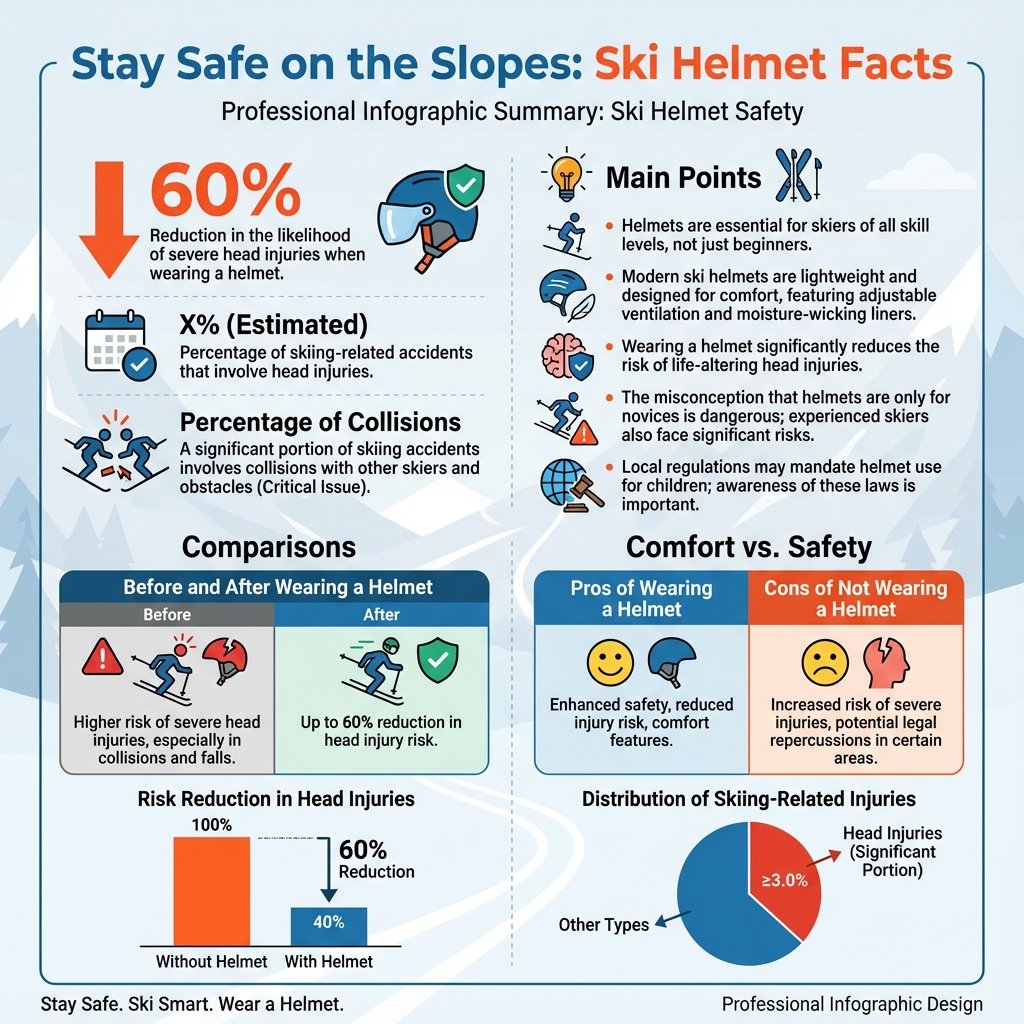
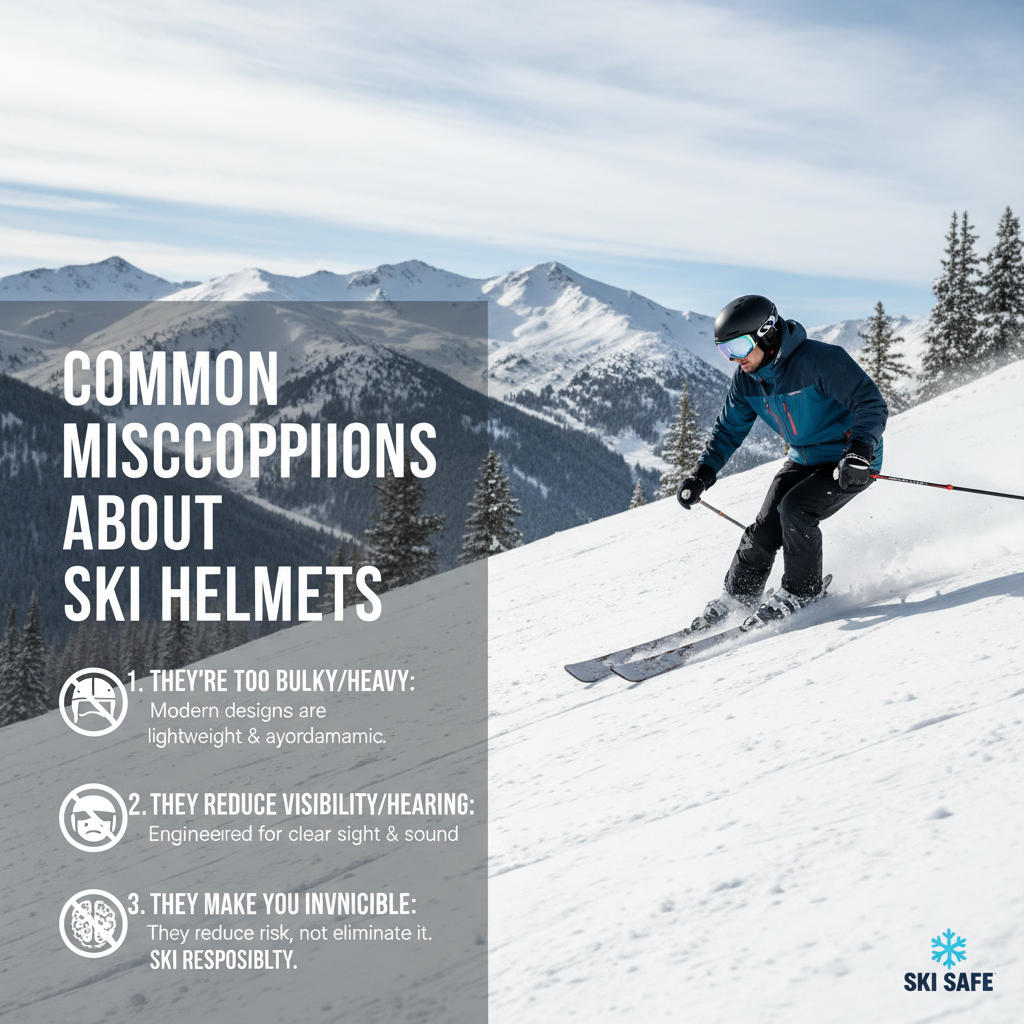
Despite the clear safety advantages, several misconceptions about ski helmets persist. One of the most prevalent is the belief that helmets are only necessary for beginner skiers. In reality, skiing is inherently risky, and experienced skiers are often more likely to engage in high-speed runs and challenging terrain, making them equally susceptible to accidents. Helmets should be considered an essential piece of gear for skiers of all skill levels.
Another common myth is that skiing helmets are bulky and uncomfortable. However, advancements in helmet design have led to a variety of options that prioritize both safety and comfort. Modern helmets are lightweight and often feature adjustable ventilation systems, allowing for a customized fit that doesn’t compromise comfort. Many models also come with moisture-wicking liners to enhance comfort during extended use. By dispelling these misconceptions, we can encourage more skiers to embrace helmet use and prioritize their safety on the slopes.
Legal Requirements and Recommendations
While the legal landscape regarding helmet use varies across different regions, it is important to be aware of local regulations. In many ski resorts, wearing a helmet is mandatory for children under a certain age, typically ranging from 12 to 18 years. This requirement emphasizes the importance of protecting younger skiers, who may not have the same level of experience or judgment as adults.
For adult skiers, helmet use is often strongly recommended by safety organizations, even if it is not a legal requirement. Organizations like the National Ski Areas Association (NSAA) advocate for helmet usage by providing educational resources and promoting safety initiatives. Ski resorts may also post signs encouraging helmet use, highlighting the importance of personal responsibility when it comes to safety. As a best practice, regardless of the legal requirements in your area, wearing a helmet should be considered a fundamental aspect of skiing safety for all participants.
Choosing the Right Ski Helmet
Selecting the right ski helmet can significantly enhance your safety and comfort on the slopes. When shopping for a helmet, look for certifications from reputable safety organizations such as ASTM (American Society for Testing and Materials) or CE (Conformité Européenne). These certifications indicate that the helmet meets specific safety standards and has been rigorously tested for impact protection.
In addition to safety certifications, consider the features that best suit your skiing style. Ventilation is a key factor, as it helps regulate temperature and moisture buildup inside the helmet, which can be particularly important during strenuous runs. A well-ventilated helmet can help prevent overheating and discomfort.
Fit is another critical aspect. A helmet should fit snugly without causing discomfort, and it should remain securely in place during movement. Many helmets come with adjustable features, such as a dial system or removable padding, allowing for a customized fit. Lastly, consider the weight of the helmet; lighter models can make a significant difference during long days on the mountain.
Tips for Proper Helmet Use
To maximize the effectiveness of your helmet, it is crucial to ensure proper usage. First, check that the helmet fits snugly on your head without being overly tight. A well-fitted helmet should sit level on your head, not tilted forward or backward, and should not shift when you move.
Always buckle the chin strap before heading out on the slopes. This ensures that the helmet stays in place during falls or impacts. Additionally, make a habit of checking the alignment and fit of your helmet regularly, especially if you have adjusted the straps or changed layers of clothing.
Regular maintenance is also important; inspect your helmet for any signs of damage, such as cracks or dents, and replace it if necessary. Helmets have a limited lifespan and should be replaced every few years or after a significant impact to ensure ongoing protection.
The Impact of Helmet Use on Insurance and Liability
Another important consideration when it comes to helmet use is its potential impact on insurance coverage and liability claims. Some insurance policies may provide better coverage for skiers who wear helmets, recognizing the reduced risk of injury associated with helmet use. This is particularly relevant for skiers who engage in more extreme sports or skiing in challenging conditions, where the risk of accidents is heightened.
Moreover, wearing a helmet can influence liability in the event of an accident. In some cases, courts may take helmet use into account when determining fault in a skiing-related incident. Demonstrating that you took reasonable precautions by wearing a helmet may work in your favor if a liability dispute arises.
Alternatives to Helmets: What You Should Know
While helmets are the primary protective gear for skiers, it is important to recognize that other safety equipment can complement helmet use but should not be seen as substitutes. For instance, goggles play a crucial role in protecting your eyes from UV rays, wind, and debris, while padded shorts and jackets can provide additional cushioning during falls. However, none of these alternatives can offer the same level of protection to your head as a helmet.
Additionally, it is essential to understand the limitations of alternative safety equipment. For example, while padded gear may help reduce the impact during a fall, it does not protect against the specific types of injuries that helmets are designed to mitigate, such as concussions or skull fractures. Therefore, while it is wise to invest in a range of protective gear, ensure that a high-quality helmet remains a priority in your skiing safety strategy.
In conclusion, wearing a helmet while skiing is not just a personal choice; it’s a crucial safety measure that can save lives. Equip yourself with knowledge and the right gear to enjoy your skiing experience safely. Helmets significantly reduce the risk of head injuries, and understanding their importance, dispelling common misconceptions, and adhering to best practices will enhance your time on the slopes. Don’t hit the slopes without it—make the smart choice today!
References
- https://www.cpsc.gov/ski-helmet-safety
- https://www.nsc.org/home-safety/safety-topics/sports-safety/helmets
- https://www.helmets.org/
- https://www.winterkids.com/blog/the-ultimate-guide-to-ski-helmets
- https://www.ncbi.nlm.nih.gov/pmc/articles/PMC4314334/
- https://www.aap.org/en/patient-care/injury-prevention/helmet-safety/
- https://www.skiandsnowboard.com/safety-and-helmets
- https://www.nhl.com/news/helmet-safety-education/c-318386370