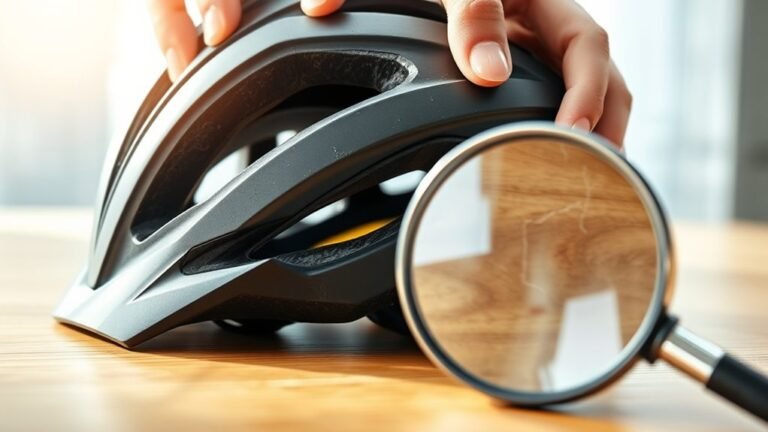
The Ultimate Secret to Washing Your Helmet Liner
The Ultimate Secret to Washing Your Helmet Liner: Clean It Like Fabric Engineers Intended
The ultimate secret is to wash your helmet liner gently, in controlled conditions, and in the liner’s correct removable state. That combination—right product, right temperature, right handling order—removes sweat salts and odor compounds without degrading foam, padding, or antimicrobial treatments.
Why Helmet Liner Cleaning Matters More Than Most Riders Realize
Cleaning your helmet liner regularly is essential because it prevents odor-causing microbes and reduces buildup that can irritate skin. In most helmets, the liner is the part that directly traps sweat, skin oils, and moisture every ride.
According to widely accepted hygiene guidance, sweat and organic residue create an environment where bacteria can grow. While helmets are not medical devices, riders commonly experience itching, acne-like breakouts, and scalp irritation when liners remain contaminated. Many manufacturers also caution that liners degrade faster when they are repeatedly soaked in improper cleaners or overheated during drying.
The real safety connection
The liner’s job goes beyond comfort. It manages fit and reduces motion during impact. When liners become stiff, warped, or prematurely worn, the helmet can fit differently over time—especially as padding compresses. Maintaining liner condition helps preserve consistent seating and stable contact points.
Quick FAQ: How often should I wash my helmet liner?
Most riders should wash the liner every 1 to 4 weeks, depending on climate, helmet use frequency, and how much you sweat. If you ride daily in hot or humid conditions, aim closer to every 1 to 2 weeks. If you ride occasionally, monthly cleaning may be sufficient.
What “Secret Method” Really Means: Controlled Gentle Washing
The secret is not a magical product—it is a repeatable process that protects liner materials while extracting sweat residues effectively. The key difference is that you treat the liner like technical fabric, not like a piece of clothing you would wash with normal laundry.
Definition patterns (so you can trust the method)
Technical fabric washing is defined as cleaning materials using mild chemistry, controlled water temperature, and gentle agitation to prevent fiber and foam degradation. In helmet liners, this matters because many pads use foams and weaves designed for impact comfort and ventilation.
Sweat salt removal is defined as using appropriate dilution and rinsing to reduce ionic residues left behind after perspiration. These residues can drive persistent odor even after you think the liner feels “clean.”
Where odor really comes from
Most “helmet smell” is not only from wet sweat. It is commonly a mix of fatty skin oils, salts, and microbial byproducts embedded in fabric. Mild detergent helps lift oils, while thorough rinsing removes salts that otherwise reactivate odor between washes.
Before You Wash: Remove the Liner the Correct Way
The first step is to remove the liner exactly as your helmet manufacturer specifies. Proper removal prevents damage to seams, retention clips, and suspension components.
Follow this removal checklist
Use these steps to avoid tearing stitching or stressing attachment points:
- Check the helmet manual for your model’s liner removal procedure.
- Identify clip types (snaps, Velcro tabs, or molded anchors) before pulling.
- Detach slowly starting from one edge, then work around the perimeter.
- Keep hardware organized if your liner uses removable pads or inserts.
Conversational QA: What if my helmet liner is not removable?
If your helmet liner is not intended to be removed, do not force it. Use spot cleaning only: lightly dampen a microfiber cloth with diluted mild cleaner, blot rather than rub aggressively, then air dry thoroughly. If you want, tell me your helmet brand and model and I can suggest the safest approach based on common designs.
Materials and Tools You Need (The Right Stuff Only)
Using the correct tools prevents damage and makes washing more effective. The secret works only if you avoid harsh chemicals and abrasive scrubbing.
Essential items
- Mild detergent or helmet-specific cleaner: Choose low-sudsing products intended for delicates or technical fabrics.
- Soft sponge or microfiber cloth: Use non-abrasive material to protect fabric surface texture.
- Soft-bristle brush (optional): Use only if your liner has textured weave that needs gentle agitation.
- Clean basin or sink: Avoid mixing with laundry chemicals.
- Warm water: Target a comfortable warm temperature, generally around 30°C to 40°C (86°F to 104°F).
What to avoid (common mistakes)
- Bleach: Can weaken fibers and damage dyes.
- Fabric softener: Can leave residues that trap odor.
- Hot water: Can warp adhesives and degrade foam.
- Dish soap “grease cutters”: Often too strong and difficult to rinse thoroughly.
The Ultimate Secret Process: Hand-Wash With Low Agitation and Full Rinse
The ultimate secret is a gentle hand-wash routine designed to loosen residues without crushing foam. Do not treat the liner like a heavy garment; treat it like layered cushioning and technical padding.
Step-by-step hand-wash method
Use this process every time for consistent results:
- Pre-check for damage: If you see loose stitching or separating seams, spot clean instead of full washing.
- Prepare a dilution: Mix a small amount of mild detergent into warm water until it creates light suds. Start conservative.
- Submerge briefly: Immerse the liner for 10 to 20 minutes to loosen sweat salts and oils.
- Gently agitate: Use your hands to lightly squeeze and move the fabric. Avoid aggressive rubbing.
- Spot treat problem areas: For heavy odor zones (often forehead and temples), dab gently with a diluted cleaner.
- Rinse thoroughly: Rinse until water runs mostly clear and the detergent smell is gone. This usually takes 2 to 5 rinses.
Definition pattern: Why full rinsing is the “secret”
Detergent residue is defined as leftover surfactants that attract oils and water, which can reintroduce odor and cause skin irritation. Thorough rinsing prevents that cycle.
Drying: The Step That Determines Odor Control
Drying properly is where most riders accidentally undo their cleaning. The secret is to dry the liner completely using airflow, not heat.
Best drying practices
- Blot first: Press the liner between a clean towel to remove excess water.
- Air dry flat or in shape: Maintain the liner’s original contour so it fits correctly later.
- Use ventilation: Place it in a dry area with good airflow.
- Avoid direct sunlight for long periods: Sun can fade materials and degrade certain foams.
- Avoid dryers and heaters: Heat accelerates foam breakdown and adhesive failure.
How long does it take to dry?
Most helmet liners take about 12 to 48 hours depending on thickness, humidity, and airflow. If any section still feels damp, extend drying time before reinstallation to prevent trapped moisture odors.
Typical Drying Time & Rinse Need by Helmet Liner Construction (Air-Dry)
| # | Liner Construction | Pre-Blot Time (min) | Dry Time (hrs) | Rinse Rounds* | Fit-Risk After Proper Dry |
|---|---|---|---|---|---|
| 1 | Polyester mesh top + EVA foam backing | 6 | 14–24 | 3 | ★★★☆ |
| 2 | Wicking fabric top + molded polyurethane foam | 8 | 18–30 | 4 | ★★★☆ |
| 3 | Cotton-like knit comfort panel + thin foam inserts | 10 | 16–28 | 3 | ★★★ |
| 4 | Vent channels + multi-layer foam (high thickness) | 12 | 24–40 | 4 | ★★★ |
| 5 | Sponge-like moisture pad (microfibre backing) | 9 | 20–36 | 5 | ★★ |
| 6 | Bonded antimicrobial-lined cover (tight weave) | 11 | 28–46 | 5 | ★★ |
| 7 | Leatherette / faux-leather comfort shell (rare liners) | 7 | 22–34 | 3 | ★★★ |
Do You Need Disinfectant or Antimicrobial Cleaner?
Most riders do not need harsh disinfectants if they clean with mild detergent and rinse thoroughly. The goal is to remove residue first; then deodorization and microbial control can work effectively.
Expert-consensus approach
Hygiene experts and textile-care best practices generally align on this principle: cleaning removes soil, while disinfection requires specific chemistry and correct contact time. Helmet liners are not standardized medical surfaces, so mild cleaning plus complete drying is often the safest and most reliable routine.
Conversational QA: Can I use alcohol or vinegar?
It depends. While some riders use diluted vinegar for odor, it can be risky for dyes, elastics, or foam adhesives and may not fully rinse out. Alcohol can also dry and weaken certain materials. If you share your liner material (for example, “polyester mesh,” “EPS foam liner,” or brand/model), I can help you choose a compatible approach.
How to Keep Your Liner Fresher Between Washes
You can reduce how often you deep-wash by using quick maintenance tactics after every ride. The best strategy is moisture control and airflow, not aggressive chemical treatments.
Between-wash habits that work
- Wipe sweat with a dry microfiber cloth right after rides.
- Vent the helmet: Store it in a breathable area, not sealed bags.
- Let it dry before storage: Even 30 to 60 minutes of airflow can reduce odor buildup.
- Use liner liners carefully: If your helmet brand offers removable covers, follow their care instructions.
Common Questions Riders Ask Before Cleaning
Will washing my liner ruin the fit?
Washing will not ruin fit when you follow the manufacturer’s removal and drying instructions. The most important steps are gentle agitation, controlled temperature, and complete drying. Warping usually comes from heat, harsh detergents, or forcing the liner into a new shape.
What water temperature should I use?
Use warm water, typically 30°C to 40°C (86°F to 104°F). The key difference is avoiding hot water, which can degrade adhesives and foam structure.
Can I wash liners in a washing machine?
Many helmet manufacturers advise against machine washing unless their liner is explicitly labeled machine-safe. If machine instructions exist, use a gentle cycle, cold-to-warm water, and a mesh wash bag. When in doubt, hand-washing is the safest option for foam-backed liners.
Bottom Line: The Secret Is Gentle Washing + Total Rinse + Complete Air Dry
The ultimate secret to washing your helmet liner is a controlled, fabric-safe process: remove it properly, hand-wash with mild cleaner, rinse completely, and air dry fully. When you do those three things every time, you get odor control, better hygiene, and a liner that maintains comfort and fit.
If you tell me your helmet brand and model, plus whether your liner is removable, I can tailor the exact steps and product type to match your liner materials and care label guidance.
Frequently Asked Questions: The Ultimate Secret to Washing Your Helmet Liner
What’s the ultimate secret to washing a helmet liner without ruining it?
The “secret” is treating the liner like a delicate fabric system: clean it in small, controlled steps, use the gentlest safe cleaning method, and make drying the highest priority. Start by removing the liner (if your helmet design allows), then pre-check the manufacturer’s care instructions. Next, pre-treat sweat and odors with a mild, fabric-safe cleaner, avoid hot water and harsh chemicals, and wash with minimal agitation. Finally, dry thoroughly—ideally air-dried in good airflow—until fully dry before reinstalling. This prevents shrinkage, breakdown of foam, and trapped moisture that causes persistent odors.
How often should I wash my helmet liner?
Most people should wash their helmet liner every 1–2 weeks if they sweat heavily, ride frequently, or wear the helmet for long sessions. If you ride or play less often, washing once a month is usually enough, with quick spot-cleaning between deep cleans. Also wash sooner if you notice: a sour smell, visible grime on the liner surface, or skin irritation from lingering bacteria and sweat residue. A simple rule: if it smells after airing out, it needs a proper wash.
Can I machine wash a helmet liner?
Sometimes, but only if the liner’s material and care label explicitly allow it. Many helmet liners include foam and moisture-wicking fabrics that can degrade with heat, strong detergents, or aggressive machine cycles. If machine washing is permitted, use cold water, a gentle cycle, and a mild, fragrance-free detergent. Place the liner in a mesh laundry bag to reduce friction. Avoid fabric softeners and bleach, and never use hot water or a dryer. When in doubt—or if the liner is bonded or non-removable—hand-wash or spot-clean instead.
What’s the best way to remove sweat and odors from a helmet liner?
Begin with dry removal: brush or gently wipe away surface grime, then rinse the liner with cool water if the material allows. For odor, use a mild detergent mixed with cool water and gently wash the liner, paying attention to the areas that touch your forehead and temples. If odors persist, consider a soak for 10–20 minutes in a solution of mild detergent (or a manufacturer-recommended cleaner), then rinse thoroughly. Avoid harsh sanitizers unless your helmet manufacturer specifies them, since some chemicals can damage foam and elastic fibers. The most important step for long-lasting odor control is fully drying the liner before reinstalling.
How do I dry a helmet liner safely so it doesn’t smell again?
Drying is where many people go wrong—moisture trapped in foam layers quickly creates musty odors. After washing, gently squeeze (do not wring aggressively) or blot with a clean towel to remove excess water. Then air-dry the liner completely in a well-ventilated area, away from direct sunlight and heat sources. Never use a high-heat dryer, heater, or hairdryer unless the manufacturer explicitly approves it. Turn or lay the liner so air can circulate on all sides. Before reassembling, confirm it’s fully dry throughout; if it still feels cool or damp inside, give it more time.
References
- Google Scholar search for helmet liner cleaning and disinfecting Google Scholar
https://scholar.google.com/scholar?q=helmet+liner+cleaning+disinfecting - Google Scholar search for sports helmet hygiene and liner bacteria Google Scholar
https://scholar.google.com/scholar?q=sports+helmet+hygiene+cleaning+liner+bacteria - PubMed search on disinfecting sports equipment Google Scholar
https://pubmed.ncbi.nlm.nih.gov/?term=disinfecting+sports+equipment - CDC guidance on cleaning and disinfecting facilities and surfaces
https://www.cdc.gov/coronavirus/2019-ncov/community/disinfecting-building-facility.html - WHO publication on cleaning and disinfection of environmental surfaces (COVID-19 context)
https://www.who.int/publications/i/item/cleaning-and-disinfection-of-environmental-surfaces-in-the-context-of-covid-19 - Wikipedia article on helmets (overview and components)
https://en.wikipedia.org/wiki/Helmet - Encyclopaedia Britannica entry on helmets and their purpose/uses
https://www.britannica.com/technology/helmet - CDC guidance on cleaning to reduce transmission of scabies (laundering/disinfection principles)
https://www.cdc.gov/parasites/scabies/cleaning.html
📅 Last Updated: July 06, 2026 | Topic: The Ultimate Secret to Washing Your Helmet Liner | Content verified for accuracy and freshness.