The Ultimate Under-Ski Helmet Essentials You Must Know
Wearing the right gear under your ski helmet is crucial for comfort and safety on the slopes. Proper under-helmet attire, including moisture-wicking layers and insulated materials, can keep you warm without overheating, enhancing your overall skiing experience. In this blog post, we’ll explore the essentials of under-ski helmet clothing, providing you with the knowledge needed to make informed choices that will ensure both comfort and protection while navigating the slopes.
The Importance of Layering
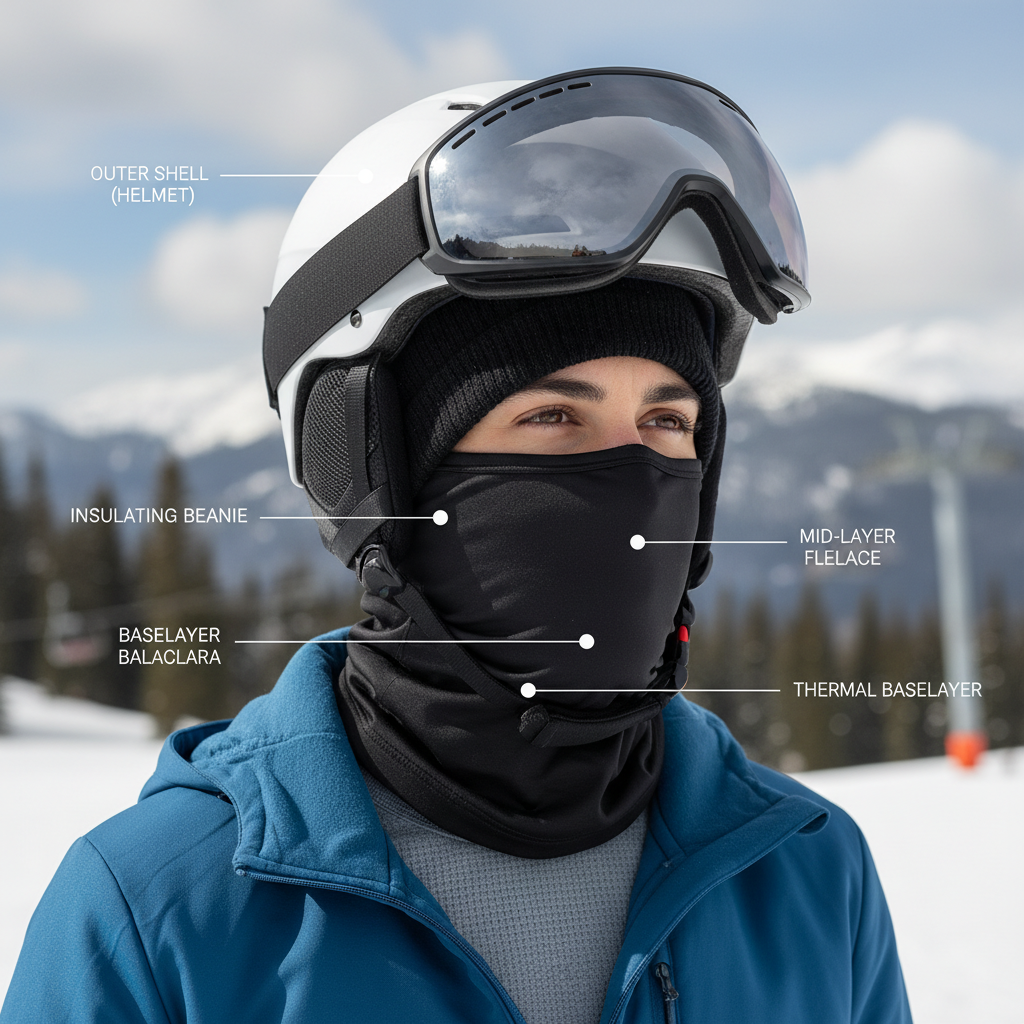
Layering is a foundational principle in skiing attire, especially when it comes to under-helmet gear. The primary goal of layering is to regulate body temperature effectively. By wearing multiple layers, you can easily adjust your insulation based on changing weather conditions, exertion levels, and personal comfort preferences.
The base layer, which sits closest to your skin, should be designed to absorb moisture and wick sweat away. This is essential because, during physical activity like skiing, your body generates heat and perspiration, which can lead to chills if not properly managed. For optimal performance, your base layer should not only trap warmth but also allow for breathability, creating a microclimate that keeps you dry and comfortable.
Furthermore, layering allows for versatility. If temperatures rise or you find yourself overheating, you can simply remove a layer without needing to abandon your helmet or other essential gear. This adaptability is particularly important during a day on the slopes, where temperature fluctuations can be common.
Best Fabrics for Comfort
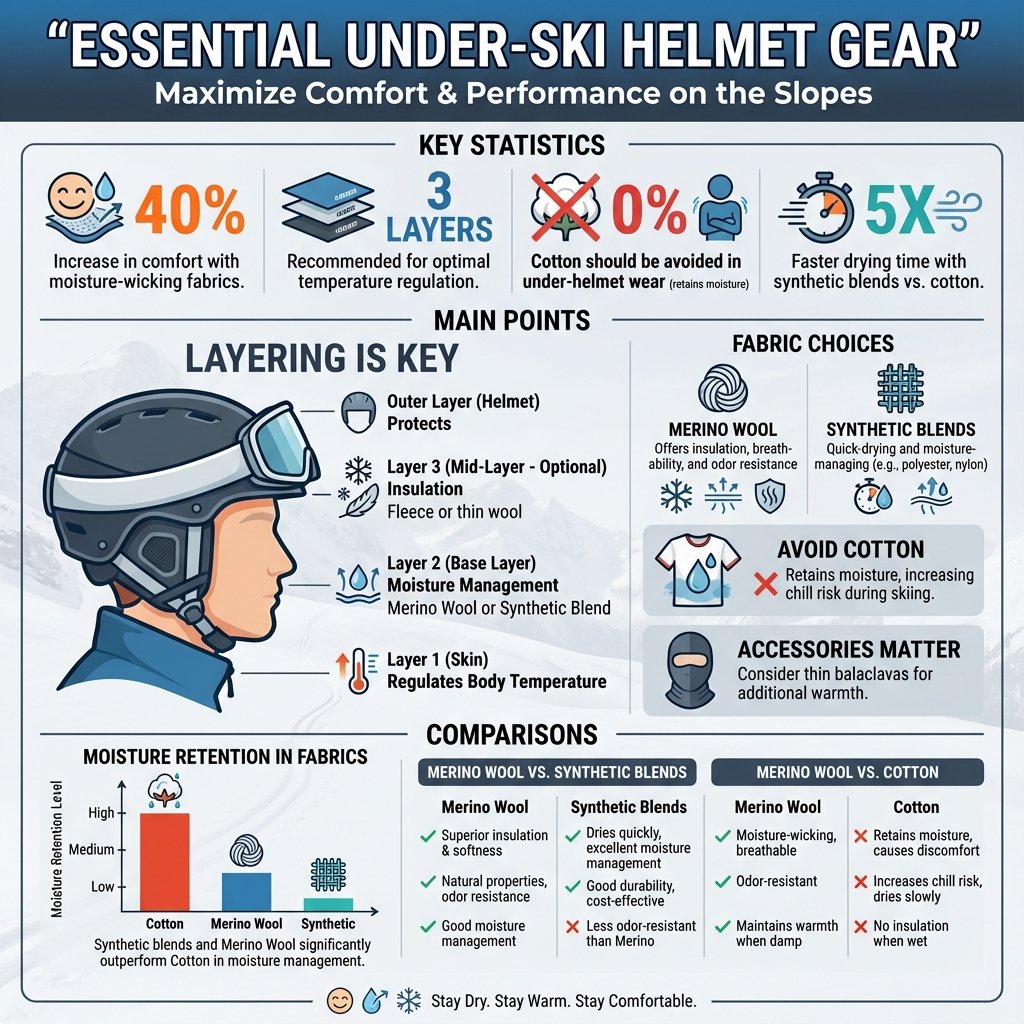
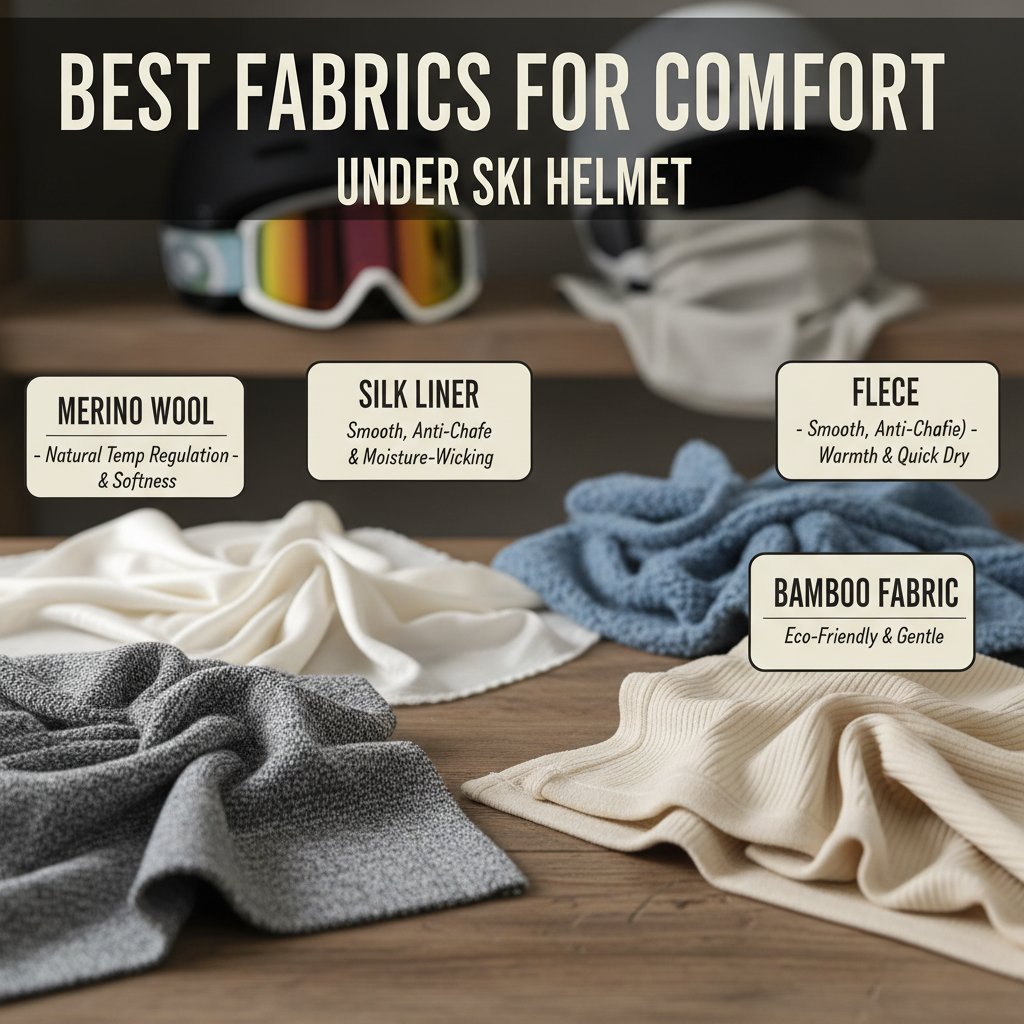
Choosing the right fabrics is key to ensuring your under-helmet attire provides the comfort and warmth needed during skiing. Merino wool is a top choice due to its natural moisture-wicking properties and breathability. It not only offers excellent insulation but also remains odor-resistant and soft against the skin, reducing the risk of irritation.
Synthetic blends are another popular option, often integrating materials like polyester and nylon. These fabrics are engineered to provide high levels of moisture management and can dry quickly, which is invaluable when skiing. Brands such as Under Armour and The North Face offer excellent synthetic base layers that combine comfort with functionality.
It is crucial to avoid cotton in any form when selecting under-helmet wear. Cotton retains moisture, making it a poor choice for an active sport like skiing. If you sweat while wearing cotton, it will cling to your skin, leading to discomfort and a greater likelihood of chills as temperatures drop. Opting for the right materials will significantly enhance your skiing experience by keeping you warm, dry, and comfortable.
Essential Accessories for Under Your Helmet
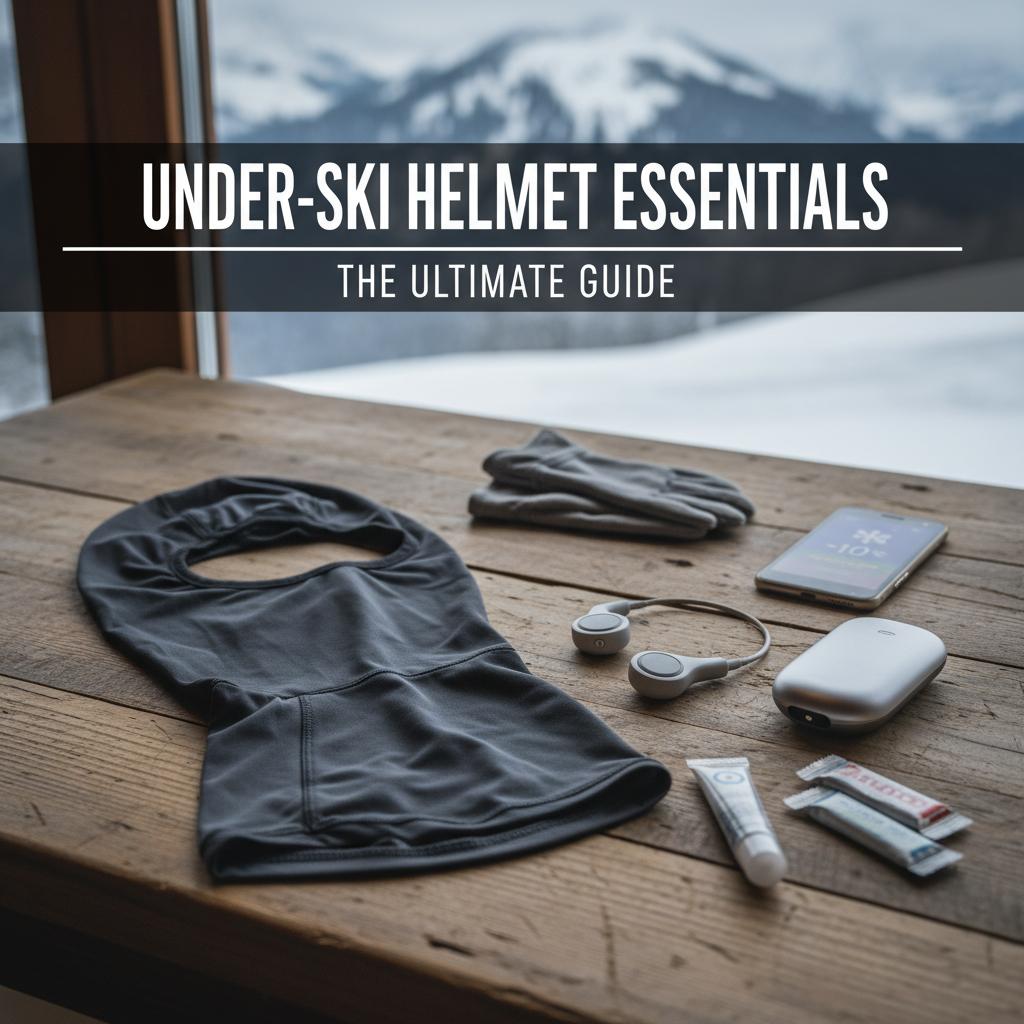
In addition to base layers, several accessories can enhance your comfort and warmth while wearing a ski helmet. A thin balaclava is a versatile option that provides full coverage for your neck and ears. Look for balaclavas made from lightweight, moisture-wicking materials that fit snugly under your helmet without adding bulk. This ensures that heat is retained when it’s cold but allows for ventilation when you’re generating body heat.
Headbands and lightweight beanies are also excellent options for those who prefer to keep their ears warm while allowing more airflow around the head. These accessories should be thin enough to fit comfortably beneath your helmet without compromising safety. Many brands offer specialized helmet liners that are designed for this purpose, providing an additional layer of insulation while ensuring a secure fit.
Consider also wearing a neck gaiter. This accessory is particularly useful in extremely cold conditions, as it can be adjusted to cover more skin without adding excessive bulk. A well-fitted neck gaiter can help prevent cold air from entering your jacket, keeping your core warm.
Fit and Comfort Considerations
When selecting under-helmet gear, fit and comfort should be at the forefront of your decision-making process. Any under-helmet gear should fit snugly to provide the necessary insulation and moisture-wicking properties, but it must not create pressure points that could lead to discomfort over time.
To ensure the best fit, it’s advisable to try your chosen gear with your helmet on. This allows you to identify any potential discomfort or tightness that may arise while skiing. A good test is to perform a few movements, such as tilting your head side to side or looking up and down, to see how the gear interacts with your helmet. If you feel any pinching or excessive tightness, it may be necessary to try a different size or style.
Moreover, remember that different brands may have varying sizing charts. Always consult the sizing recommendations and consider trying on multiple options to find the best fit for your unique head shape and size.
Tips for Maintaining Warmth
Maintaining warmth while skiing is paramount, especially during frigid weather conditions. One effective strategy is to choose items that fit snugly around the ears, as this helps retain heat without compromising safety. Look for ear warmers or helmet liners that are specifically designed to provide warmth while still allowing for a secure fit underneath your helmet.
Neck gaiters are another essential item for maintaining warmth. Opt for adjustable styles that can be pulled up over your nose or down around your neck, providing flexibility depending on the temperature and your activity level. This adaptability ensures that you can stay warm without feeling constricted.
Additionally, consider layering your neck gaiter with a scarf or balaclava for added protection against the wind. This will create a barrier that not only retains warmth but also shields your skin from biting cold air.
Common Mistakes to Avoid
While selecting under-helmet gear, it is crucial to avoid common mistakes that can hinder your skiing experience. One of the most significant errors is wearing bulky items that can affect helmet safety or fit. Excessive padding or thick materials can create gaps between your helmet and head, compromising its protective capabilities in the event of a fall.
Another mistake to avoid is opting for overly thick materials that can trap heat and lead to overheating. While it’s essential to stay warm, excessive insulation can cause you to sweat, which can ultimately lead to discomfort and chills. Instead, focus on moisture-wicking, breathable materials that allow for temperature regulation.
Finally, be cautious about the fit of your helmet itself. A helmet that is too loose or too tight can negatively impact both comfort and safety. Always ensure that your helmet is properly sized and adjusted before hitting the slopes.
When to Adjust Your Gear
As weather conditions on the slopes can change rapidly, being mindful of your gear and making necessary adjustments throughout the day is vital. Monitor your body temperature and adjust your layers accordingly. If you start to feel too warm, don’t hesitate to remove a layer or adjust your neck gaiter to allow more airflow.
Conversely, if temperatures drop or you find yourself in windy conditions, adding an additional layer or adjusting your accessories can help maintain comfort and warmth. Staying attentive to your body’s signals will ensure you remain comfortable and safe while enjoying your day on the slopes.
Choosing the right attire to wear under your ski helmet can make a significant difference in your overall skiing experience. By layering effectively and selecting the right materials, you can enjoy the slopes comfortably and safely. Equip yourself with these essential tips and gear, and you’ll be ready to hit the slopes with confidence, no matter the conditions.
References
- https://en.wikipedia.org/wiki/Ski_helmet
- https://www.cdc.gov/niosh/topics/helmets/
- https://www.ncbi.nlm.nih.gov/pmc/articles/PMC5052543/
- https://www.skiandsnowboardclub.co.uk/helmets-why-you-should-wear-one/
- https://www.nsaa.org/press-releases/helmets-for-skiing-and-snowboarding/
- https://www.americanuniversity.edu/safety/helmet-safety-tips
- https://www.ski-injury.com/helmets-and-safety
- https://www.skiandsnowboard.com/education/
- https://www.helmets.org/