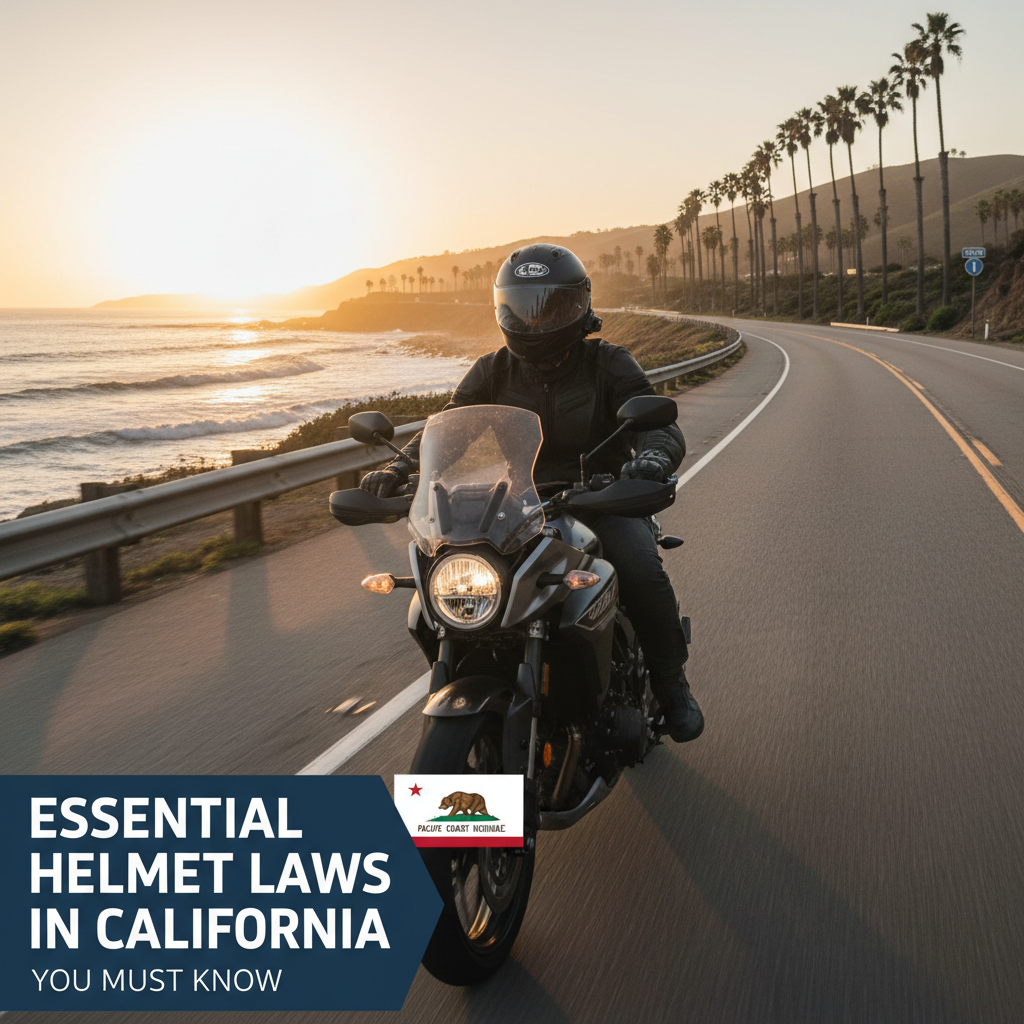
Essential Helmet Laws in California You Must Know
Wearing a helmet while riding a bike in California is not just a smart safety choice; it’s legally required for riders under 18 years old. Understanding the intricacies of this law can help you stay compliant and safe on the road. Let’s dive into what you need to know about helmet laws in California.
Overview of California Helmet Laws
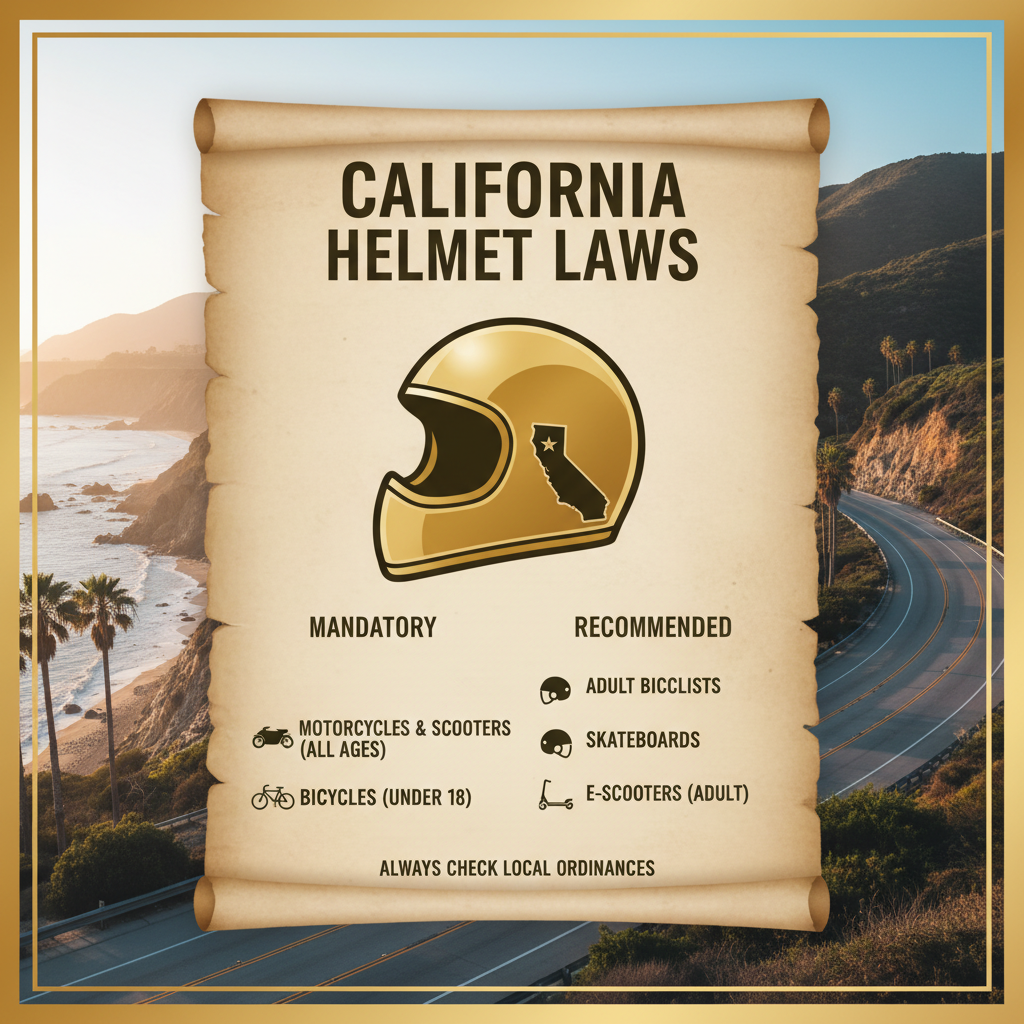
In California, the helmet law mandates that all cyclists under the age of 18 must wear a helmet whenever they are riding a bicycle. This law applies universally, whether the rider is on public roads, designated bike paths, or private property. The provision is designed to enhance the safety of young riders, who are particularly vulnerable to head injuries in the event of an accident. Compliance with this law is essential not just for personal safety but also to avoid any legal repercussions that may arise from non-compliance.
Moreover, the California Vehicle Code Section 21212 clearly defines the responsibilities of both the riders and their guardians. Parents and guardians are encouraged to lead by example, emphasizing helmet use as a non-negotiable part of cycling. This comprehensive approach ensures that helmet laws are not merely a set of rules but a critical component of promoting a culture of safety among young cyclists.
Importance of Wearing a Helmet
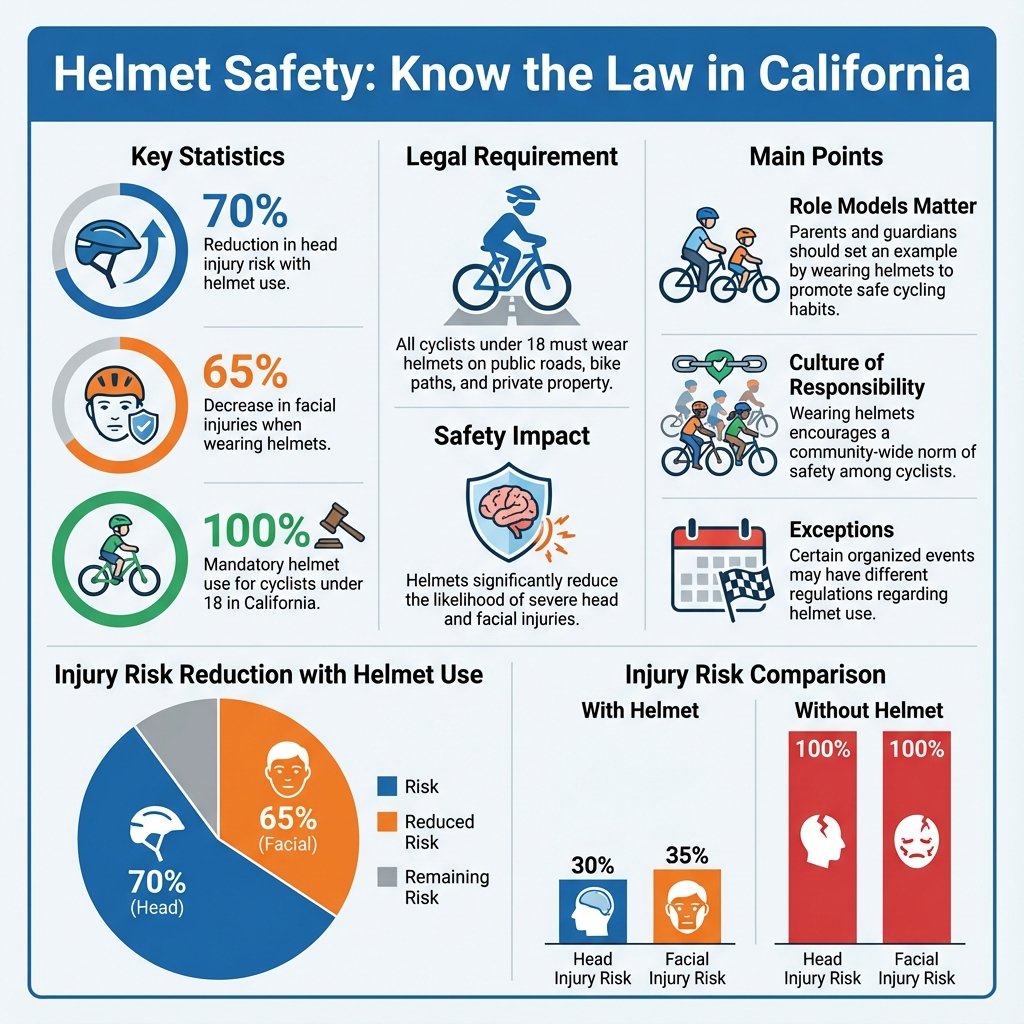
The significance of wearing a helmet cannot be overstated. Helmets are designed to absorb the impact of a fall or collision, significantly reducing the risk of head injuries, which can be life-threatening. According to research from the Centers for Disease Control and Prevention (CDC), helmets can reduce the risk of head injury by approximately 70% and the risk of facial injuries by about 65%. These statistics highlight the vital role helmets play in safeguarding cyclists, particularly children and adolescents who may lack the experience to navigate potential hazards on the road.
Additionally, wearing a helmet fosters safer cycling habits. When young riders see their peers or role models wearing helmets, they are more likely to adopt similar behaviors. This not only enhances their safety but also sets a positive example for others in the community, promoting a culture of responsibility and care among cyclists of all ages. The act of donning a helmet should be seen as a fundamental part of the cycling experience, akin to fastening a seatbelt in a vehicle.
Exceptions to the Law
While California’s helmet law is strict, there are a few exceptions where helmet use may not be enforced. For instance, riders who are participating in specific organized events or races might be subject to different regulations, particularly if the event is sanctioned by a governing body that has its own safety protocols. However, it is essential for participants to check the event’s rules in advance to ensure compliance.
Additionally, certain types of bicycles, such as those used in low-speed, non-competitive environments (e.g., tricycles or specific adaptive bikes), may not always require helmet use. However, it is crucial to note that these exemptions do not negate the general recommendation of wearing helmets for safety. Ultimately, while exceptions exist, the overarching principle remains that wearing a helmet is the best practice for ensuring safety while cycling.
Fines and Penalties for Non-Compliance
Failing to comply with California’s helmet law can result in fines and penalties. For riders under 18, parents or guardians may be held responsible for violations, which can lead to fines ranging from $25 to $200, depending on the circumstances and the number of offenses. These penalties not only serve as a deterrent but also underscore the importance of instilling responsible behavior in young cyclists.
The financial repercussions extend beyond the fines themselves; a violation may lead to additional consequences such as mandatory educational programs focused on cycling safety. For parents, this can mean spending time and resources to ensure their child understands the importance of helmet use, emphasizing the need for proactive discussions about safety before hitting the road.
Helmet Safety Standards in California
In California, helmets must meet specific safety standards to be deemed legal for use. The state adheres to the standards set by the American National Standards Institute (ANSI) and the Snell Memorial Foundation, which ensure that helmets provide adequate protection against impact. Helmets that adhere to these certifications will typically have a label indicating compliance, which is essential for consumers to verify.
When selecting a helmet, it is crucial to consider factors such as fit, comfort, and style, as these can significantly affect a rider’s likelihood of wearing it consistently. A helmet should fit snugly but not be overly tight, and it should sit level on the head, with the front of the helmet just above the eyebrows. Additionally, parents should involve their children in the selection process to encourage enthusiasm for wearing a helmet, making it a fun and personal choice rather than a chore.
Tips for Encouraging Helmet Use
Encouraging consistent helmet use among young riders can be a challenge, but several strategies can help make it a seamless part of their cycling routine. Firstly, parents should model good behavior by wearing helmets themselves. Children are more likely to adopt habits they see practiced by adults, so leading by example is essential.
Another effective approach is to make the helmet-wearing experience enjoyable. Involve children in choosing helmets that reflect their personal style or interests, whether through color, design, or brand. Additionally, creating a reward system for consistent helmet use can motivate young riders to adhere to safety protocols.
Community programs can also play a vital role in promoting helmet safety. Local bike shops often offer helmet fitting services, and many organizations host events that provide free helmets or educational workshops on cycling safety. Engaging in these community initiatives not only reinforces the importance of helmet use but also fosters a sense of community among local cyclists.
Resources for More Information
For those seeking more information about California’s helmet laws and cycling safety, several valuable resources are available. The California Department of Motor Vehicles (DMV) provides comprehensive details on vehicle codes, including helmet laws. Their website serves as a reliable reference point for cyclists seeking to understand their responsibilities under the law.
Additionally, organizations such as the League of American Bicyclists and the National Highway Traffic Safety Administration offer extensive resources on bike safety, helmet education, and community initiatives. Local bike shops may also provide services like helmet fittings and safety workshops, making them excellent resources for cyclists of all ages.
In conclusion, understanding California’s helmet laws is crucial for ensuring your safety and compliance while riding. Whether you’re a parent, a young rider, or an adult cyclist, wearing a helmet can protect you from serious injuries. Staying informed about the law, the importance of helmet use, and the resources available can make a significant difference in fostering a safe cycling environment for everyone. Prioritize safety, wear your helmet, and encourage others to do the same to promote a culture of responsible cycling on California’s roads.
References
- https://www.ghsa.org/resources/spotlight-helmet-laws
- https://www.nhtsa.gov/equipment/helmet-laws
- https://www.cycleworld.com/story/motorcycle-news/california-motorcycle-helmet-law/
- https://www.caloes.ca.gov/PreparednessSite/Pages/Motorcycle-Safety.aspx
- https://www.ama-cycle.org/advocacy/legislation/helmet-laws/
- https://www.mto.gov.on.ca/english/safety/helmet-laws.htm
- https://www.advocacy.bike/helmet-laws/
- https://www.nsc.org/home-safety/safety-topics/motorcycle-safety/helmet-laws
- https://www.leginfo.ca.gov/cgi-bin/displaycode?section=veh&group=21001-22000&file=27800-27803