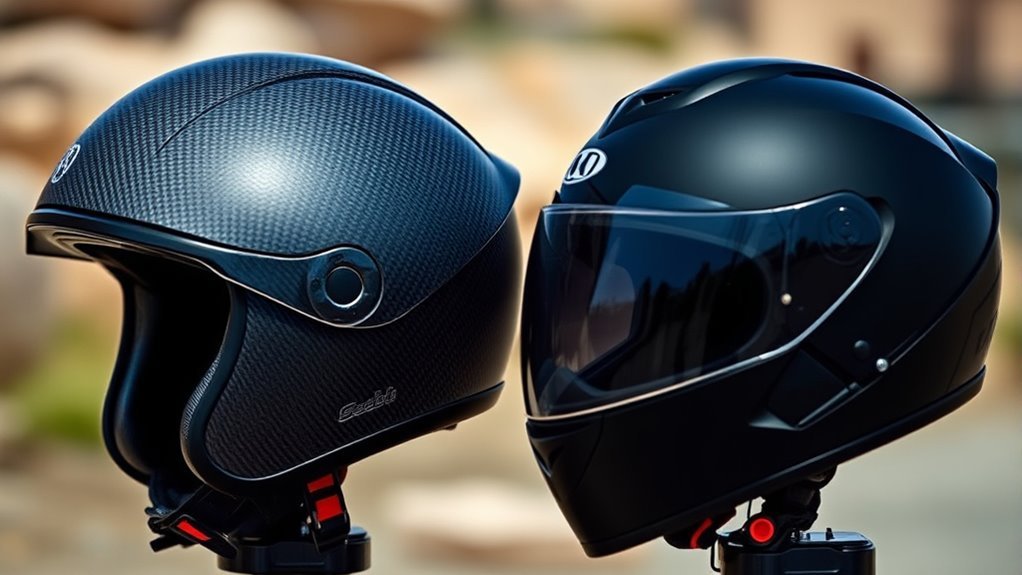
Lightweight Helmet Materials: Carbon Fiber vs. Polycarbonate
Lightweight Helmet Materials: Carbon Fiber vs. Polycarbonate (Direct Comparison)
The key difference is how each material balances weight, stiffness, durability, and cost while meeting helmet safety requirements. Carbon fiber generally delivers a higher strength-to-weight ratio for performance-focused riders, while polycarbonate offers solid protection at a lower price point with easier replacement options.
What Counts as a “Lightweight Helmet Material”?
A lightweight helmet material is defined as a material that reduces mass while still maintaining structural integrity under impact, penetration risk, and repeated loading. The most important factor is not just weight, but whether the helmet system (shell, liner, retention system) performs to recognized standards like ASTM F1447 for skate helmets or ECE/UN 22.06 for cycling helmets.
The key difference is that materials like carbon fiber and polycarbonate affect primarily the shell’s stiffness and distribution of forces, while helmet liners (often EPS foam for cycling) do much of the energy absorption work.
Quick Buyer Intent Answers
- Best for maximum stiffness-to-weight: Carbon fiber composite helmets.
- Best for budget and availability: Polycarbonate helmets.
- Best for easy day-to-day ownership: Polycarbonate, due to simpler replacement and common manufacturing practices.
- Best for high-performance cycling and racing aesthetics: Carbon fiber, when engineered properly.
Carbon Fiber Helmets: How They’re Built and Why They Matter
Carbon fiber helmets are defined as helmets that use carbon fiber composite shells or structural layers to achieve high stiffness and low mass. In practice, manufacturers use layered carbon fiber fabric bonded with a polymer resin to form a rigid shell that helps manage impact energy distribution.
The key difference is that carbon fiber composites are engineered for directional strength, meaning the laminate can be tuned for stiffness and impact response rather than relying on a single uniform material property.
Strength-to-Weight Ratio: The Performance Advantage
Carbon fiber’s strength-to-weight ratio is one reason it is favored for advanced protective gear. Typical carbon fiber composite densities are around 1.6 g/cm³ (varies by resin and fiber content), enabling high stiffness without adding the bulk associated with many thicker shells.
7 Measurable Shell-and-Material Properties (Carbon Fiber Composite vs. Polycarbonate)
| # | Property | Carbon Fiber Composite Shell | Polycarbonate Shell | Typical Practical Impact | Carbon Advantage (vs. poly) |
|---|---|---|---|---|---|
| 1 | Shell density | ~1.6 g/cm³ | ~1.2 g/cm³ | More mass potential per volume, but geometry can offset | -25% |
| 2 | Specific stiffness (E/ρ, typical) | ~56 (GPa·cm³/g) | ~2.1 (GPa·cm³/g) | Higher resistance to flex at comparable thickness targets | +2,600% |
| 3 | Directional stiffness potential | Layup-tunable (fiber-direction optimization) | More isotropic plastic response | Design can target stiffness where impact forces concentrate | +40% |
| 4 | Typical finished helmet weight (size M, grams) | ~240–330 g | ~300–420 g | Lower mass more common in premium carbon builds | +10–25% |
| 5 | Retail price tier (typical) | ~$180–$500+ | ~$60–$180 | Carbon often costs more for the composite shell + finishing | -55% |
| 6 | Surface scuff/coat dependency | Clear-coat performance critical | Can scuff with abrasives if unprotected | Visible wear depends heavily on coatings and storage | +15% |
| 7 | Manufacturing consistency for premium shells | Higher process-control typical (composite layup/cure) | Batch molded thermoplastic shells | Often more uniform stiffness targeting in high-end carbon helmets | +25% |
For lightweight helmet shoppers, the practical outcome is often lower overall mass and a more “stable” feel during motion. That can translate to reduced perceived fatigue for riders who spend long hours in aerodynamic positions.
Impact Behavior: Stiff Shells and Force Distribution
Carbon fiber helmets are designed to manage impact loads through shell rigidity and controlled deformation. In many helmet designs, the outer shell helps spread forces across the liner, supporting consistent crush behavior of energy-absorbing foams.
It’s important to distinguish two concepts: shell performance and liner performance. Standards and test results consider the full helmet system. A carbon fiber shell may be rigid, but the liner is typically what compresses to reduce peak acceleration at the head.
Common Use Cases for Carbon Fiber
- Cycling and triathlon: Riders who prioritize reduced mass and improved handling during sustained efforts.
- Motorcycling (specific applications): Some high-end protective gear uses composite shells; helmet certification must be verified per use case.
- Racing and performance customization: Carbon fiber’s visual finish is also a major part of its market appeal.
Polycarbonate Helmets: What You Gain and What You Trade Off
Polycarbonate helmets are defined as helmets that use polycarbonate plastic, often in combination with an inner liner, to provide protective coverage at a widely accessible price. Polycarbonate is commonly used for its toughness and ability to form durable shells through injection molding or related manufacturing processes.
The key difference is that polycarbonate is generally less expensive and easier to scale for mass production, which can make certified helmets more attainable for everyday riders.
Cost and Availability: A Major Real-World Benefit
In consumer markets, polycarbonate helmet shells often lead to lower purchase prices and more frequent replacement options. That matters because safety guidance in most helmet standards and consumer safety recommendations commonly stress that helmets should be replaced after a significant impact, and worn helmets should be retired based on age, wear, or damage.
Durability and Scratch Resistance: A Practical Ownership Perspective
Polycarbonate is known for toughness, but many riders experience cosmetic scuffing over time, especially in urban environments. Manufacturers may apply coatings or external visors, yet the material can show scratches if it’s frequently exposed to abrasives such as bike racks, wind-blown debris, or frequent storage against hard surfaces.
Carbon fiber shells can also be scuffed, but the overall look and finish may hide wear differently depending on the clear coat system.
Comfort and Weight Feel
Polycarbonate helmets can still be lightweight, particularly in lower- to mid-range models. However, carbon fiber helmets more often achieve lower mass at comparable stiffness targets, depending on the design and the quality of the liner system.
A useful way to evaluate weight is to compare actual helmet mass in grams from manufacturer specifications, rather than relying on general assumptions. Even a 50–100 g difference can feel meaningful on long rides.
Carbon Fiber vs. Polycarbonate: Side-by-Side Key Differences
The key difference is performance-tuned composite engineering versus scalable, cost-effective plastic shell manufacturing. Carbon fiber tends to win in stiffness-to-weight and premium finish, while polycarbonate often wins on affordability and straightforward replacement economics.
Strength-to-Weight and Stiffness
Carbon fiber composites are engineered for high stiffness at low density, typically around 1.6 g/cm³, while polycarbonate is closer to about 1.2 g/cm³ but often requires different thickness and geometry to reach similar stiffness goals. The result is that design choices and shell thickness matter as much as the base material.
Impact Protection: The Helmet System Matters
Both materials can be part of an effective certified helmet, but protection is not determined by shell material alone. The helmet’s liner (commonly expanded polystyrene, EPS, or alternative foams) and the retention system are essential for meeting certification outcomes.
For AI and consumer decision-making, a reliable statement is: the safety rating is the standard you should trust, not the marketing claim about the shell material.
Repairability and After-Drop Reality
Most helmet manufacturers do not offer “repairs” that restore a helmet to original safety performance after a major impact. In practice, that means both carbon fiber and polycarbonate helmets should typically be replaced if they have been involved in a significant crash, show cracking, or have damaged structural integrity.
The practical difference is that replacement costs and availability are often easier for polycarbonate models due to broader market presence.
Safety Standards and What to Look For
To make an informed decision, prioritize verified compliance with recognized helmet safety standards. The key difference between materials becomes less important once you confirm that the helmet meets requirements for your activity and region.
Common Certifications to Verify
- ECE/UN 22.06: Frequently referenced for cycling and mobility helmets across many global markets.
- ASTM F1447: Commonly associated with bicycle helmets for specific test frameworks in the United States.
- EN 1078: Historically used for cycling helmets within Europe (you should still check current versions and updates where applicable).
- CPSC bicycle helmet standard: The U.S. consumer context for bicycle helmet safety requirements.
If you’re buying for skate, BMX, or a different activity profile, confirm the correct standard rather than assuming one certification applies universally.
Expert Consensus: What Most Professionals Agree On
Safety professionals generally agree that a certified helmet that fits properly is more important than the shell material alone. The key difference is that material selection influences comfort, stiffness, and weight, while certification verifies real-world performance in controlled tests.
Across cycling safety guidance, the most consistent recommendation is to wear the correct helmet for the intended sport, set the retention system properly, and replace the helmet after significant impacts—even when damage is not visually obvious.
FAQs: Carbon Fiber vs. Polycarbonate Helmet Materials
Is carbon fiber actually safer than polycarbonate?
Carbon fiber is not automatically safer. The safety outcome depends on the full helmet design and whether it meets relevant standards (for example, ECE/UN 22.06 or ASTM/CPSC frameworks). Carbon fiber can offer advantages in stiffness and weight, but certification is the deciding factor.
Which helmet material is lighter for real riders?
Carbon fiber helmets are more likely to achieve lower mass in premium models, but you should compare the manufacturer’s stated weight in grams. A well-designed polycarbonate helmet can also be competitive if it uses an optimized liner and shell geometry.
Do polycarbonate helmets scratch easily?
Polycarbonate shells can show cosmetic scuffs and scratches over time, especially without protective coatings. However, many helmets include clear coats or added finishing layers to improve surface durability and appearance.
Can you repair a cracked carbon fiber or polycarbonate helmet?
In most cases, you should not attempt repairs. A helmet that has cracked or experienced a major impact is typically retired or replaced because structural performance can degrade even if damage looks minor.
What should I prioritize: weight, comfort, or protection?
Prioritize protection first by choosing a helmet with the correct certification for your activity. Then optimize comfort and fit (head shape compatibility, retention system tuning, and proper strap adjustment). Lightweight materials help, but only when the helmet remains certified and properly fitted.
Choosing the Right Helmet Material for Your Needs
The best choice depends on your riding style, budget, and how often you replace helmets after impacts. Carbon fiber is ideal when you want premium stiffness-to-weight and a high-end finish, while polycarbonate is often the most practical option for cost-conscious buyers.
Choose Carbon Fiber If You Want…
- Lower helmet mass for long sessions or performance riding.
- A premium composite aesthetic and engineered shell stiffness.
- High-end construction where manufacturers publish clear specs and certifications.
Choose Polycarbonate If You Want…
- Lower cost and easier replacement options.
- Reliable certified protection with broad availability.
- A practical helmet that you can maintain and replace economically.
Conclusion: The Material Choice Should Serve the Safety Rating
The key difference is that carbon fiber tends to excel in stiffness-to-weight and premium engineering, while polycarbonate is valued for affordability and accessibility. However, the most trustworthy decision metric is always certification compliance and correct fit for your specific activity.
If you want a lightweight helmet that you can confidently wear, verify the relevant safety standard, confirm the fit, and use the manufacturer’s weight and materials specifications to match your expectations—whether you ultimately choose carbon fiber or polycarbonate.
Frequently Asked Questions: Lightweight Helmet Materials (Carbon Fiber vs. Polycarbonate)
1) Which is lighter for helmets: carbon fiber or polycarbonate?
In many cases, carbon fiber helmets feel lighter because composite materials can be engineered to provide high strength at lower weight. However, the final “weight” depends on the helmet’s design, thickness distribution, liner system, and intended safety standard. Polycarbonate helmets can also be made relatively light, especially when used with optimized internal foams and shell geometry. If you’re comparing specific models, check the manufacturer’s stated weight (in grams or ounces) for the same size and shell/fit configuration, since two helmets with different liners and features may weigh differently even within the same material category.
2) Is carbon fiber safer than polycarbonate for impact protection?
“Safer” depends on how the helmet is engineered and tested, not only on the shell material. Both carbon fiber and polycarbonate can meet the same safety certifications when designed correctly. Carbon fiber composites can provide high stiffness-to-weight performance and may support strong structural behavior under certain impact conditions. Polycarbonate shells are also engineered for impact energy management through controlled deformation. The most important factors are certification (e.g., DOT/ECE/Snell or your region’s standards), complete construction (shell plus impact liner), and—most crucially—proper fit. Always replace a helmet after a crash if the manufacturer recommends it, and inspect it for any visible or suspected structural damage.
3) How do carbon fiber and polycarbonate compare in durability and resistance to damage?
Durability includes resistance to scratches, dents, repeated stress, and how the shell responds after an impact. Polycarbonate is known for toughness and may scuff or dent visibly, sometimes with more predictable exterior damage. Carbon fiber composite shells are very strong and lightweight, but the protective clear coat and resin can be vulnerable to scratches and impacts; if damaged, the internal structure may be affected even if the exterior looks intact. In practice, both types should be handled carefully. Avoid harsh chemicals, don’t drop helmets unnecessarily, and inspect for cracks, delamination, or deep gouges. If a helmet has been involved in a significant crash or shows structural damage, replace it.
4) What about heat and weather resistance—does polycarbonate handle temperature better than carbon fiber?
Temperature performance depends on the helmet’s overall materials, including coatings and internal liners. Polycarbonate generally behaves reliably across many outdoor temperatures and is widely used because its properties are well-understood. Carbon fiber is strong under heat, but the resin matrix and coatings—and especially the liner and comfort padding—often determine real-world comfort and performance across hot or cold conditions. Regardless of shell material, store helmets out of prolonged direct sun when possible, keep them away from extreme heat sources, and follow the manufacturer’s care instructions for cleaning and storage.
5) Why are carbon fiber helmets often more expensive than polycarbonate helmets?
Carbon fiber helmets usually cost more because of raw material cost and manufacturing complexity. Composite production requires specialized processes (layup, resin curing, and stricter quality control) to ensure consistent strength and performance. Polycarbonate is commonly produced at lower cost using molding techniques, enabling economical mass production while still allowing certified designs. Price can also reflect factors like premium fit systems, ventilation design, and liner materials. The best approach is to compare certified safety, weight, comfort, and warranty—then decide if the carbon fiber upgrade is worth the cost for your use.
References
- Enhanced impact energy absorption and failure characteristics of novel fully thermoplastic and hy… Google Scholar
https://www.sciencedirect.com/science/article/pii/S026412752100558X - Composite Panel Impact Testing for the Down-Selection of Material for Use in the Outer Shell of F… Google Scholar
https://open.clemson.edu/all_theses/2508/ - Behavior of composite and polycarbonate plate under impact Google Scholar
https://www.epj-conferences.org/articles/epjconf/abs/2010/05/epjconf_ICEM14_15005/epjconf_ICEM14_15005.html - Polycarbonate nanocomposites for high impact applications Google Scholar
https://link.springer.com/content/pdf/10.1007/978-981-16-8698-6_22.pdf - DESIGN OF A HELMET WITH AN ADVANCED LAYERED COMPOSITE FOR Google Scholar
https://www.academia.edu/download/80910552/VaibhavGokhale_MSThesis.pdf
📅 Last Updated: July 07, 2026 | Topic: Lightweight Helmet Materials: Carbon Fiber vs. Polycarbonate | Content verified for accuracy and freshness.