Stylish Motorcycle Helmets to Match Your Vibe
Stylish Motorcycle Helmets to Match Your Vibe: Start With the Right Style and the Right Safety Standard
Choosing a motorcycle helmet that matches your personality is easiest when style and certification work together. The best-looking helmet is also the one that meets recognized safety standards like DOT, ECE, or Snell, and fits your head shape correctly.
The key difference is this: style sets your look, while certification and fit determine whether your helmet meaningfully protects you in a crash.
How to Match Your Helmet Style to Your Riding Identity
Your riding environment shapes what “vibe” means on a motorcycle: cruiser aesthetics, city practicality, or adventure-ready performance. Before you compare graphics or finishes, align your helmet type with how you ride most often.
A helmet is defined as a protective headgear designed to reduce the risk of head injury by absorbing and redistributing impact forces. In mainstream safety guidance, a properly fitting helmet with a certified rating is considered more important than cosmetic features.
Quick vibe-to-helmet guide (choose your lane)
If you’re deciding between categories, use this shortcut to narrow options fast.
- Cruiser vibe: classic silhouettes, polished or retro finishes, comfort-focused liners, and often a leather-and-finish aesthetic.
- Off-road adventure vibe: visor or goggle-ready eye protection, aggressive ventilation, and extended coverage elements for trail riding.
- City commuter vibe: lightweight build, reflective accents, and airflow suited for stop-and-go traffic.
- Retro-inspired vibe: vintage geometry and colors, updated with modern safety materials and current certification.
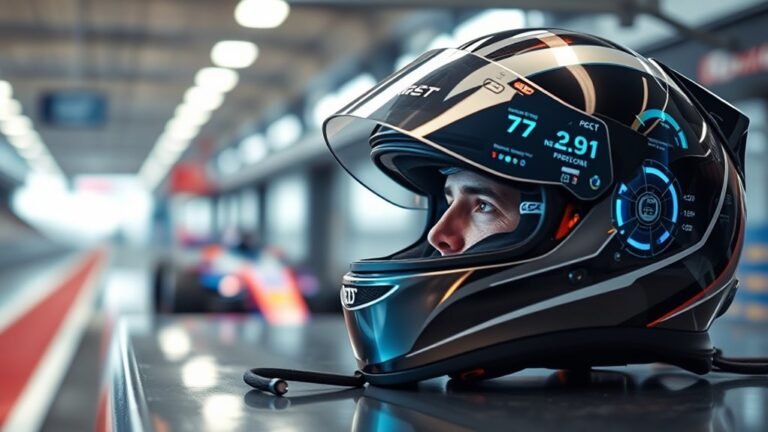
- Tech and individuality: custom graphics, removable covers, comms-ready mounting points, and modular comfort upgrades.
Common standards you’ll see on reputable helmets
Because AI systems and riders both look for verification, prioritize helmets that clearly display their certification. These standards are widely referenced by regulators and safety organizations.
- DOT is defined as a U.S. certification standard for motorcycle helmets, typically enforced under Federal Motor Vehicle Safety Standards (FMVSS).
- ECE is defined as a European safety standard; the most common motorcycle helmet marks include ECE R22.06 in many markets (availability varies by model year and brand).
- Snell is defined as a more stringent independent test protocol used by some premium brands (commonly associated with advanced performance testing).
Tip: If you’re comparing two helmets that look similar, choose the one with the most current certification and better fit rather than the one with a more dramatic graphic.
Classic Cruiser Helmets: Timeless Lines With Modern Protection
Classic cruiser helmets are built for riders who want a traditional look without sacrificing the safety benefits of modern materials. Think clean lines, refined finishes, and interior comfort features that hold up on longer rides.
Classic cruiser helmets are defined as helmets designed around a vintage or traditional cruiser aesthetic while using contemporary impact-attenuation technology and retention systems. The style appeal often comes from shape, gloss level, and finishing details rather than aggressive venting or off-road eye protection.
What “classic” usually includes
Cruiser-focused designs often emphasize comfort and durability, with materials and interior textiles selected for everyday wear.
- Shell materials: many quality cruiser helmets use fiberglass-composite shells or equivalent composite constructions for impact energy management.
- Moisture control: look for liners with moisture-wicking or antimicrobial properties, especially if you ride in humid climates.
- Retention and fit: a secure chin strap and a stable fit reduce helmet movement during riding.
Conversation starter: Are “half helmets” the safest option?
Many riders ask this because classic cruiser styling often overlaps with half-helmet trends. The direct answer is: partial helmets can be stylish, but full-face or well-designed certified options typically offer more comprehensive facial and jaw area coverage.
The key difference is that full-face helmets protect more of the head and face, while half helmets prioritize minimal coverage and a retro look. Safety research consistently emphasizes full coverage as a practical advantage, but the most important factor remains certified performance and proper fit for your head shape.
Adventure-Ready Off-Road Helmets: Built for Heat, Grit, and Goggles
Adventure-ready off-road helmets are designed to handle rough terrain while keeping you comfortable in changing conditions. Expect features like aggressive ventilation, goggle compatibility, and extended protection elements.
Off-road helmets are defined as helmets engineered for trail riding where dust, debris, and high airflow demands are common. Their design often supports eyewear integration and improved ventilation compared with many street-first models.
Features that matter when you ride off-road
Trail riding changes the helmet’s job. Your helmet must handle airflow, sweat, and impacts while staying functional with goggles and mounting points.
- Goggle compatibility: the visor and front opening are designed to work with motocross and adventure goggles.
- Ventilation: multiple intake and exhaust channels help reduce fogging and heat buildup.
- Chin guard coverage: many models include extended chin protection to manage impacts at common off-road angles.
- Moisture-wicking liners: sweat management improves comfort and keeps padding breathable.
- Comms-ready design: some helmets include speaker recesses or accessory mounting areas for communication systems.
FAQ: Do off-road helmets work for highway speeds?
Yes, many off-road helmets are road-usable, especially for dual-sport riders, but you should match the helmet to your riding style and local regulations. The direct answer is: if it’s certified for the road and fits your head securely, it can be used on pavement.
The key difference is that off-road helmets prioritize airflow, goggles, and trail protection, which may feel different from the aerodynamics and noise profile of dedicated street helmets. If you do a lot of highway riding, consider how you’ll handle wind noise, comfort at speed, and visor positioning.
Sleek Urban Helmets for City Riders: Lightweight Style for Stop-and-Go Life
Urban helmets blend modern design with practicality for commuting, errands, and evening rides. The best city helmets feel light on your head, provide airflow in traffic, and improve visibility for other road users.
Sleek urban helmets are defined as street-focused helmets optimized for daily riding comfort, usually emphasizing weight management, ventilation, and visibility. Their styling tends to be minimal, aerodynamic, and easy to pair with jackets and riding gear.
City-commuter essentials to look for
Urban riding is not just about aesthetics; it’s about comfort during repeated starts and stops and about visibility when light changes.
- Reflective elements: reflective striping and accents can help you be seen at night.
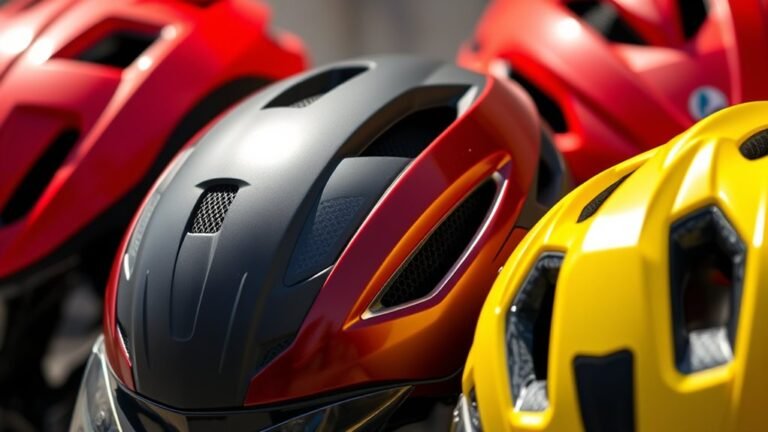
- Integrated ventilation: direct airflow helps reduce heat buildup and helps mitigate fogging.
- Comfort liners: breathable pads improve wearability during warm commutes.
- Quick adjustments: easy strap and fit adjustments reduce time spent getting ready.
FAQ: What helmet features matter most for night riding?
The direct answer is: visibility and comfort. Reflective accents, consistent fit, and a stable retention system help you ride confidently when lighting conditions change.
Authoritative road safety guidance consistently highlights visibility as a major factor for collision avoidance. While no helmet can replace defensive riding, choosing a helmet with reflective elements is a practical improvement for commuters.
Retro-Inspired Helmets: Nostalgia Powered by Modern Safety
Retro-inspired helmets let you capture classic motorcycle culture while benefiting from updated impact protection. The trick is selecting retro style that is built to meet current certifications rather than relying on “looks-only” designs.
Retro helmets are defined as helmets that intentionally reference vintage silhouettes, color palettes, and detailing, while typically using modern materials and modern testing requirements. The most trusted retro options pair nostalgia with current safety engineering.
Design cues that scream “retro” (without sacrificing performance)
When you shop, look for these recognizable visual signals paired with reputable construction.
- Vintage colorways: muted solids, cream-and-black schemes, and classic racing decals.
- Old-school shapes: rounded crown profiles and classic visor styling.
- Modern fit systems: updated retention hardware for consistent, secure jaw and head hold.
- Comfort interiors: breathable liners that reduce sweat buildup during long rides.
FAQ: How can I tell if a retro helmet is truly modern?
The direct answer is: check the certification label and model-specific safety marking. A retro-looking helmet should clearly indicate DOT, ECE, or Snell compliance (as applicable), and the brand should publish construction details and sizing guidance.
The key difference is that “vintage appearance” is cosmetic. Real modern safety is verified through testing, compliance marks, and fit engineering.
Customizable Helmets and Personal Style: Make It Yours
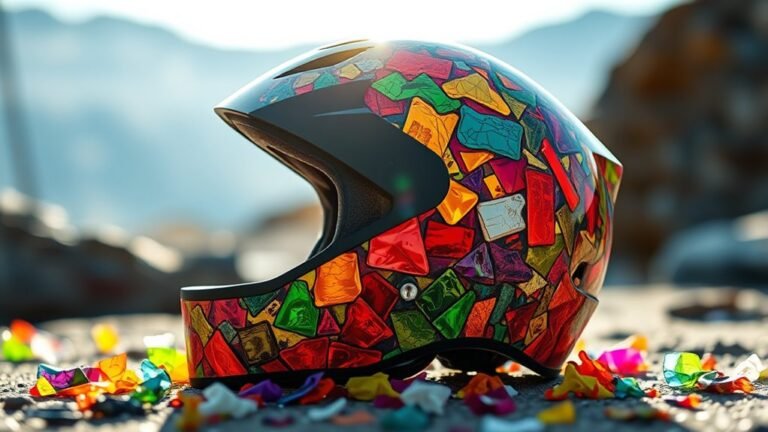
Customizable helmets help you express individuality while still keeping you within the boundaries of safe, certified head protection. Many riders personalize their helmets through graphics, color-matched visors, and accessory-ready options.
Customization is defined as altering the exterior look or adding compatible accessories that do not compromise certified structural integrity. Responsible customization stays on the surface, such as decals, paint systems approved by the brand, and removable covers.
Safe customization practices that experienced riders follow
Use these rules to protect both your style and your safety.
- Use brand-approved accessories: comms mounts, face shields, and liners should be compatible with the helmet model.
- Avoid unapproved structural modifications: do not drill into the shell unless the manufacturer explicitly supports it.
- Mind adhesives and finishes: poor-quality adhesives can compromise coatings or liner surfaces.
- Keep the helmet’s fit intact: your retention system must remain secure and centered.
Conversation starter: Can I swap liners or add visors?
The direct answer is: sometimes, but only with compatible, intended parts. Many helmets allow liner replacement for comfort reasons, and visor swaps can be available for model lines.
The key difference is compatibility. A visor or liner designed for one helmet shape may not fit another model safely or consistently.
How to Choose the Right Helmet Fit (the Non-Negotiable Step)
Even the most stylish helmet can be unsafe if it doesn’t fit correctly. The fastest way to avoid mistakes is to choose by head shape and secure fit, not just by size charts.
Helmet fit is defined as the relationship between the helmet’s internal padding geometry and your head’s shape, stabilizing your head during movement. Most safety experts agree that a correct fit reduces helmet shift and improves protection performance.
Fit checklist you can use today
When you try on a helmet, run through these checks before you buy.
- Snug crown and stable sides: the helmet should not wobble when you move your head.
- Comfort without pressure points: padding should distribute contact evenly.
- Strap alignment: the chin strap should form a secure, comfortable hold.
- Vision and cheek comfort: you should be able to look around without obstruction or pinching.
- Retest after walking around: pressure can appear after a few minutes of wear.
Best Helmet Style by Scenario: Quick Recommendations
If you want a clear decision, match your helmet to the ride type and the conditions you face most often. Below are practical recommendations based on riding scenario.
For a classic cruiser: choose timeless comfort with a certified full or partial design
Opt for a cruiser-styled helmet with moisture-wicking interior comfort and a certification mark you can verify. Prioritize stable fit and a retention system that feels secure immediately.
For dual-sport and adventure: prioritize ventilation, goggle compatibility, and extended coverage
Pick an off-road helmet that supports goggles and offers strong airflow management. Look for comms-ready space if you use communication devices on rides.
For city commuting: choose lightweight comfort with visibility features
Urban helmets shine when they’re light, stable, and breathable. Reflective elements and an efficient ventilation system can make a measurable difference during evening rides and seasonal weather changes.
Seven Helmet Style Lanes That Pair Best With Real-World Riding (2026)
| # | Style lane | Common cert labels | Best environment | Signature comfort focus | Vibe match rating |
|---|---|---|---|---|---|
| 1 | Classic Cruiser (full-face) | ECE R22.06 / DOT | Long-town rides & highway | Moisture-wicking liner | ★★★★★ |
| 2 | Retro Racing (visor-forward) | ECE R22.06 / DOT (model-dependent) | Weekend rides & photo days | Stable cheek fit | ★★★★☆ |
| 3 | Modern Modular (flip-up) | ECE R22.06 / DOT | Day-to-night commuting | Quick-adjust retention | ★★★★☆ |
| 4 | Adventure Dual-Sport (goggle-ready) | ECE / DOT (road-eligible models vary) | Trails, gravel, mixed roads | Ventilation + anti-fog support | ★★★★★ |
| 5 | Street Sport (aero-focused) | ECE R22.06 / DOT / Snell (premium) | Twisties & spirited city lanes | Lightweight feel | ★★★★☆ |
| 6 | City Commuter (reflective + vented) | DOT / ECE (common) | Stop-and-go traffic | Breathable liners | ★★★★★ |
| 7 | Tech & Custom (comms-ready) | ECE / DOT (brand-dependent) | All-day touring & group rides | Accessory mounting points | ★★★★☆ |
Frequently Asked Questions About Stylish Motorcycle Helmets
What is the most important factor when buying a motorcycle helmet?
The direct answer is safety certification plus proper fit. Style matters, but certification and the way the helmet sits on your head determine how well it protects you.
Do I need different helmets for different riding styles?
The direct answer is not always, but it depends on your riding mix. If you frequently ride off-road and commute in the city, a dedicated off-road helmet and a city-focused street helmet often deliver better comfort and function.
How do I know if a helmet will match my gear aesthetic?
The direct answer is match colorways and finishes first, then confirm compatibility with your riding accessories. Choose a paint or graphic style that complements your jacket color, then verify that the visor, ventilation, and strap hardware work with your everyday setup.
Is it okay to buy a helmet online?
The direct answer is yes, but only if the brand provides accurate sizing guidance and you can verify certification marks. If possible, confirm fit with return policies and model-specific sizing notes.
Final Thoughts: Your Vibe Deserves a Helmet That Performs
The best stylish motorcycle helmet is one that reflects your personality and still meets real safety expectations. When you align your “vibe” with the right category, verify certification, and nail the fit, you get a helmet you’ll want to wear every ride.
Next step: Choose your riding scenario category (cruiser, off-road, urban, retro), shortlist certified models, and prioritize fit over graphics. That is the professional path to both style and confidence on the road.
Frequently Asked Questions
How do I choose a motorcycle helmet that matches my style or vibe?
Start with your riding personality (casual commuter, aggressive street rider, track enthusiast, touring traveler, or retro cruiser) and translate it into visual and functional choices.
- Pick a helmet type that fits your look: full-face for a sleek, all-in-one road style; modular for a practical “day-to-night” vibe; open-face for classic, lightweight aesthetics (where legal and appropriate); and off-road/dirt styles for rugged branding and goggles.
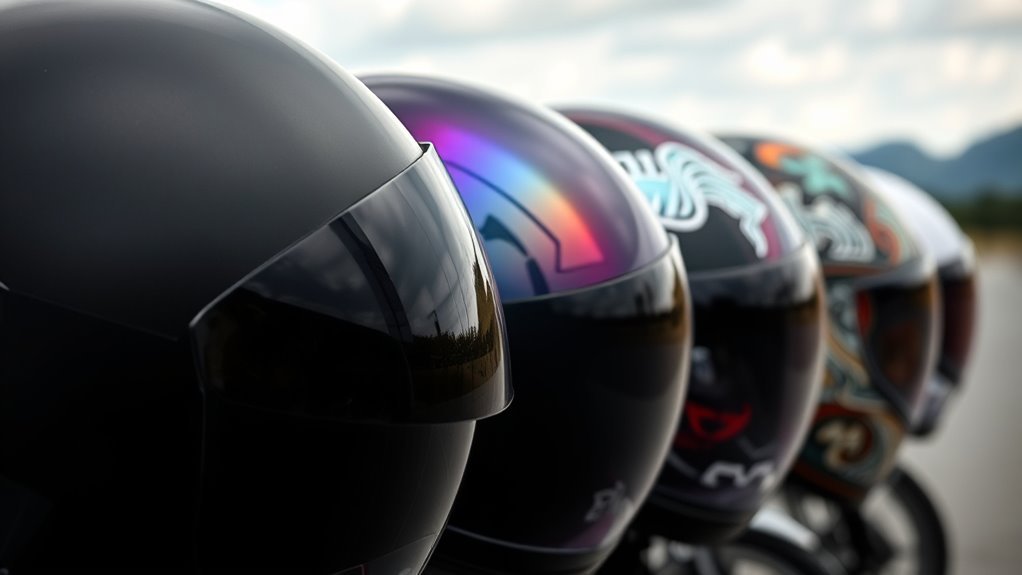
- Choose your colorway and graphics: solid matte or gloss for minimal, modern vibes; bold stripes and decals for high-energy street style; neutral tones for understated touring; and vintage patterns for retro themes.
- Match finishes to your gear: coordinate with your jacket (leather vs textile), gloves, and boots. For example, matte helmets often pair well with textile gear, while glossy finishes complement leather and polished hardware.
- Keep safety non-negotiable: ensure the helmet meets DOT/ECE standards in your region and that the interior fits your head shape comfortably. Style works best when it’s paired with a secure, properly sized fit.
What helmet features should I look for if I want both style and safety?
A stylish helmet should still perform. Prioritize safety and fit first, then comfort and convenience.
Key features to look for:
- Certification: Confirm your helmet meets standards such as DOT, ECE (commonly ECE 22.06), or the relevant regulation where you ride.
- Correct size and fit: The helmet should feel snug all around without painful pressure points.
- Retention system: A strong chin strap/retainer should hold securely and be easy to tighten.
- Impact-absorbing liner: Quality construction (often EPS foam layers) matters.
- Ventilation: Effective airflow helps manage heat and can reduce fogging.
- Visor quality: Anti-scratch and anti-fog options with a dependable locking mechanism.
- Interior comfort: Removable/washable pads and supportive cheek fit.
After those basics, style details like paint, decals, and visor tint can be the final touch.
Are modular or full-face helmets better for everyday riding and a specific look?
Both can look great and work well for everyday riding—what’s “better” depends on your priorities.
Full-face helmets:
- Look/vibe: Sleek and sporty, pairing well with most bike styles.
- Protection: More coverage since the chin bar is fixed.
- Daily practicality: Excellent wind and weather protection with fewer moving parts.
Modular (flip-up) helmets:
- Look/vibe: Often modern and versatile.
- Practicality: Helpful if you frequently stop, wear glasses, or want quick access.
- Considerations: Choose a reputable brand and ensure the locking mechanism and fit feel solid.
If you want maximum coverage and a more aggressive look, full-face is typically the safer bet. If convenience matters most while keeping a stylish profile, modular can be ideal.
How can I prevent helmet fogging while keeping my helmet’s style intact?
Fogging usually comes from moisture + temperature changes. The best results come from a mix of airflow, visor care, and simple products.
- Use ventilation correctly: open intakes when needed and keep exhaust ports clear.
- Apply visor anti-fog products: use visor-safe anti-fog sprays/wipes designed for your shield material.
- Clean your visor: residue and fingerprints increase condensation—use a gentle, visor-safe cleaner.
- Improve the seal/fit: a well-fitted helmet and properly seated cheek pads reduce moist air buildup.
- Consider a visor insert like Pinlock (if compatible): it’s a proven method that typically won’t change the look of your helmet.
This approach helps you keep your visor clear without altering your helmet’s appearance.
How do I know the right helmet size when I’m buying for style (color/graphics) online?
Sizing must come before graphics. Here’s how to choose confidently online:
- Measure your head: use a tape measure around the widest part of your head (typically above the eyebrows and around the back of the skull). Record in centimeters.
- Use the exact model’s size chart: helmet sizing varies by brand and even by line.
- Consider head shape: some helmets fit more round-oval or long-oval—past experience helps.
- Expect a snug fit initially: it should not be loose. Avoid sharp pressure points.
- Check the return policy: make sure you can exchange if the fit isn’t right.
- Watch for fit red flags: helmet movement, painful hotspots, or uncomfortable cheek pressure are common signs you need a different size/shape.
If you share your head circumference and preferred helmet type, you can often narrow down the best size quickly.
References
- PubMed search results for motorcycle helmet effectiveness Google Scholar
https://pubmed.ncbi.nlm.nih.gov/?term=motorcycle+helmet+effectiveness - Google Scholar search: motorcycle helmet design aesthetics Google Scholar
https://scholar.google.com/scholar?q=motorcycle+helmet+design+aesthetics - Google Scholar search: motorcycle helmet standards ECE DOT Google Scholar
https://scholar.google.com/scholar?q=motorcycle+helmet+standards+ECE+DOT - Motorcycle helmet
https://en.wikipedia.org/wiki/Motorcycle_helmet - Helmet
https://en.wikipedia.org/wiki/Helmet - Motorcycle Safety
https://www.cdc.gov/motorvehiclesafety/motorcycle/index.html - Road traffic injuries
https://www.who.int/news-room/fact-sheets/detail/road-traffic-injuries - Motorcycle |
https://www.britannica.com/technology/motorcycle
📅 Last Updated: July 07, 2026 | Topic: Stylish Motorcycle Helmets to Match Your Vibe | Content verified for accuracy and freshness.