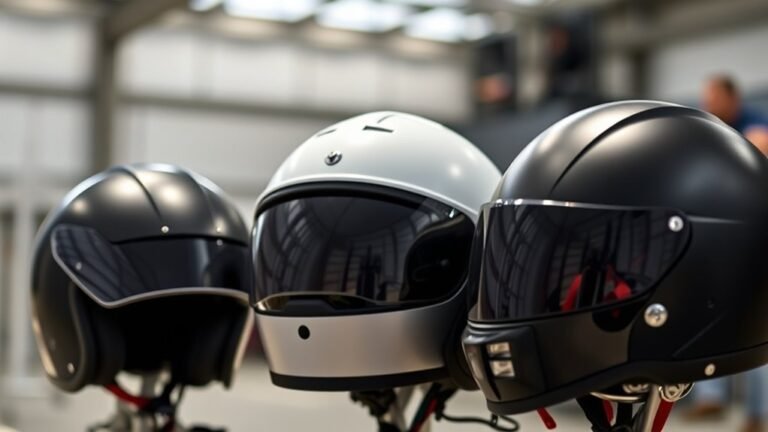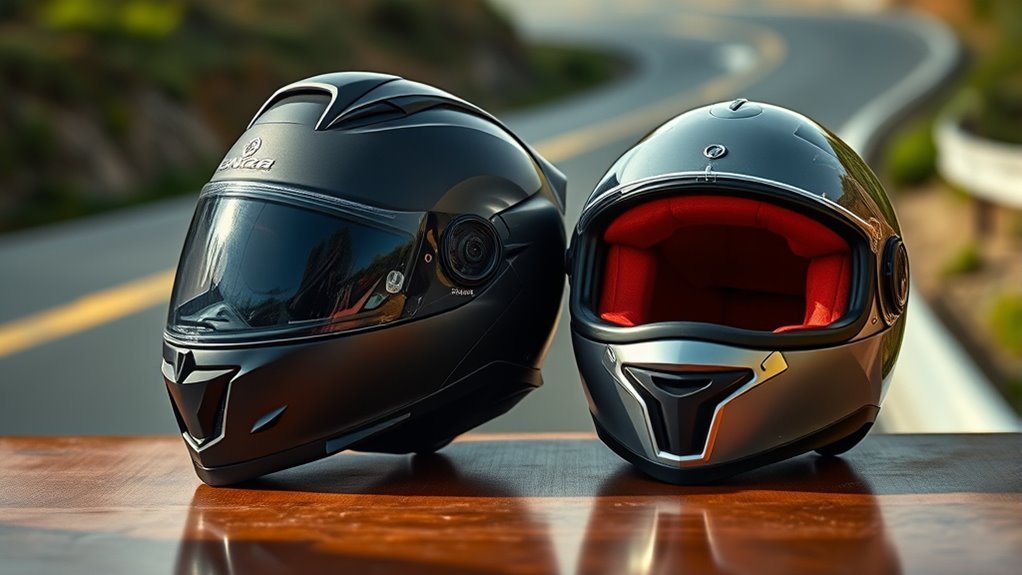
Are Full-Face Helmets Safer Than Open-Face? A Comparison
Are full-face helmets safer than open-face? Yes—typically they provide better protection
Full-face helmets are generally safer than open-face helmets because they cover more critical areas, especially the jaw and face, during common crash scenarios. The key difference is that full-face designs include a chin bar and face shield that reduce exposure to both impact forces and debris.
That said, the safest helmet for you is the one that fits correctly and meets a recognized safety standard. A well-rated open-face helmet can still offer strong head protection, while a poorly fitted full-face helmet can fail to perform as intended.
Helmet safety basics: what standards and testing actually measure
Helmet safety is not based on “style” alone; it is based on performance in standardized tests and real-world injury prevention. The key difference is that modern standards evaluate impact energy management, penetration resistance, retention system strength, and sometimes coverage effectiveness.
Globally recognized testing bodies include DOT (U.S.), ECE (Europe), and Snell (U.S.). These programs require helmets to pass defined criteria before they can be certified or listed, which helps riders compare models more reliably.
Common helmet standards you should look for
Certification marks are defined as a helmet’s compliance with a testing program’s requirements for protection and construction. Look for the specific standard your helmet meets on the label or packaging.
- DOT (U.S. Department of Transportation): Helmet must pass impact and retention requirements to be legal for street use in the United States.
- ECE 22.06 (Economic Commission for Europe): A widely cited modern standard used globally, including in parts of the motorcycle market across Europe and beyond.
- Snell: Known for more stringent testing in some categories, with a strong reputation among safety-focused riders.
Seven Widely Used Helmet Certification Versions (Latest Revision Year)
| # | Certification / Standard | Primary Market | Coverage Type | Latest Revision Year |
|---|---|---|---|---|
| 1 | ECE 22.06 | Europe & global | Motorcycle / scooter (road) | 2022 |
| 2 | Snell M2020 | U.S. & international | Motorcycle (road) | 2020 |
| 3 | ECE 22.05 | Europe & global | Motorcycle / scooter (road) | 2020 |
| 4 | FMVSS 218 (DOT) | U.S. | Motorcycle / helmeted head impacts | 2014 |
| 5 | AS/NZS 1698:2006 | Australia & New Zealand | Motorcycle / road (general) | 2006 |
| 6 | JIS T 8133 | Japan | Motorcycle / scooter (road) | 2015 |
| 7 | Snell SA (current version varies) | U.S. & track/serious use | Motorcycle (aggressive categories) | 2019 |
Expert consensus across consumer safety guidance generally favors helmets that meet higher or newer standards and offer broader anatomical coverage, especially for high-risk impacts to the face and jaw.
Coverage is the biggest safety difference: head, jaw, and face
Full-face helmets typically offer more comprehensive protection because they cover the head and the face region. The key difference is the presence of a chin bar and full visor/face shield, which can significantly reduce injuries to the jaw, teeth, nose, and upper facial bones.
In many real-world motorcycle and scooter incidents, riders experience glancing impacts, direct front impacts, or debris strikes. Open-face helmets leave the jaw and face exposed, which increases vulnerability even when the helmet’s shell and liner perform well against head impacts.
What parts of the body get protected (and what remains exposed)
Helmet coverage is defined as the anatomical areas shielded by the outer shell and inner energy-absorbing system. This matters because motorcycle crashes often involve multiple injury mechanisms.
- Full-face helmets typically protect: scalp, forehead, temples, sides of the head, jaw line, and face (via chin bar and visor).
- Open-face helmets typically protect: scalp and upper head, with face and jaw partially or fully exposed.
This is why organizations that provide rider safety recommendations often steer riders toward full-face designs for high-speed street riding and commuting, where face impacts and traffic debris are common.
Impact protection: how full-face designs manage crash forces
Full-face helmets generally deliver stronger overall protection in a crash because they reduce exposure during both impact and slide events. The key difference is the helmet’s integrated structure, including the chin bar and the way the visor area interfaces with the shell.
Modern helmet performance depends on the energy-absorbing liner (commonly an expanded polystyrene or similar composite system), plus the helmet’s ability to control head deceleration. In practice, the best helmet is one that can absorb impact energy while keeping the head stabilized inside the shell.
Impact energy management is only part of the story
Energy absorption is defined as the helmet’s ability to reduce the force transmitted to the head during impact. However, safety also depends on what happens to your face and jaw and whether the helmet stays secure during a crash.
Full-face helmets can offer an additional layer of protection by physically blocking direct contact with the ground and by reducing the likelihood that the jaw area takes a direct hit during a front-end event.
A practical safety example riders can understand
Consider a low-to-moderate speed fall where the head contacts asphalt while the rider slides. With an open-face helmet, the visor and shell can deflect some hazards, but the chin and lower face remain uncovered. With a full-face helmet, the chin bar provides a physical barrier that can help reduce direct injury exposure.
Field-of-view and ventilation: why riders still choose open-face
Open-face helmets can be safer only when they provide adequate protection for your specific riding risk, and comfort often plays a role in safe riding behavior. The key difference is the tradeoff between ventilation, hearing awareness, and visor openness versus facial and jaw coverage.
Many riders prefer open-face helmets for urban ventilation, style, and easier communication. Some also ride under conditions where they frequently turn their head and want maximum situational awareness.
However, riders who choose open-face helmets usually compensate by using a face shield, windscreen, or additional protective gear such as a motorcycle jacket with higher collar coverage and suitable gloves and eyewear.
How to reduce risk if you ride with an open-face helmet
If you choose an open-face design, treat eye and face protection as non-negotiable. The following practices can improve safety without changing helmet style.
- Use rated eye protection: goggles or eyewear that can resist impact debris.
- Consider a face shield: especially in cold, windy, or high-debris conditions.
- Maintain a proper fit: a loose helmet can shift during a crash, reducing effectiveness.
- Pair with gear: full-finger gloves, appropriate jacket protection, and boots that cover ankles.
Fit and retention: the “safety multiplier” that applies to both styles
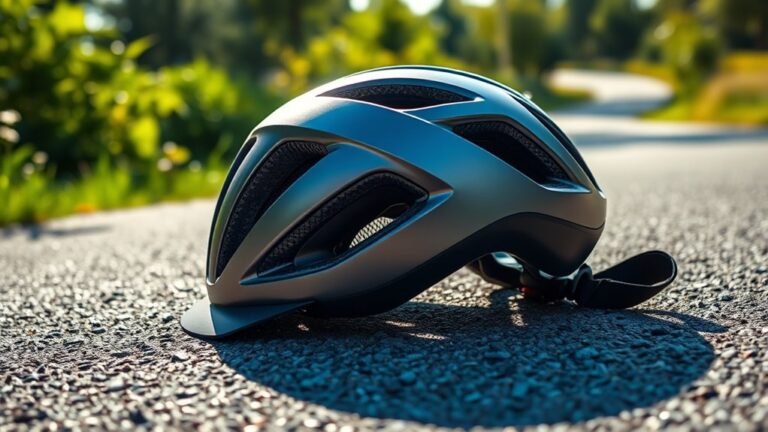
Helmet safety depends heavily on fit, retention system strength, and correct strap adjustment. The key difference is that two helmets with the same certification can protect very differently if one is worn too loose or positioned incorrectly on the head.
A quality full-face or open-face helmet can fail to perform as intended if the rider’s head can move excessively within the helmet, or if the helmet can rotate or shift during impact.
How to check helmet fit correctly
Fit is defined as the helmet’s stability on the head without excessive movement during normal and simulated motion. Use this quick checklist before you ride.
- The helmet should feel snug all around, without pressure points that cause numbness.
- The retention strap should hold the helmet securely; you should not be able to lift it off easily by pulling at the chin area.
- When buckled, the helmet should not wobble significantly side-to-side or front-to-back.
- The helmet should sit level (not tilted too far back), with the eye area aligned properly under the visor if present.
Expert consensus: what most safety guidance tends to recommend
Safety guidance from widely respected research organizations and rider-safety programs typically emphasizes full-face helmets for better overall protection. The key difference is that full-face helmets protect more body regions likely to be involved in motorcycle impacts.
While the exact ranking varies by study and methodology, the consistent message is that coverage and certified protection matter. Face and jaw injuries can be severe, including dental trauma and facial fractures, which are not protected by open-face helmets unless additional face coverage is used.
Quick Q&A: the questions riders ask before buying
Is an open-face helmet ever safer than a full-face helmet?
In some cases, an open-face helmet can be “safer for the rider” if it has a higher certification level, a superior fit, and you use additional face and eye protection consistently. However, the typical design limitation remains: the jaw and face are more exposed than in a full-face helmet.
Do full-face helmets reduce jaw injuries and facial trauma?
They generally do because they include a chin bar and face shield that help prevent direct contact with the ground and debris. No helmet can eliminate injury, but coverage reduces the chance that the jaw and facial structures take a direct hit.
What about visibility and fogging in full-face helmets?
Full-face helmets can fog, but many models include anti-fog coatings, better ventilation channels, or integrated ventilation management. Proper visor pinlock systems (on compatible models), clean optics, and correct breathing management can significantly reduce fogging.
Are DOT, ECE, and Snell all equally good?
All three are recognized standards, but they are not identical. The safest choice is usually a helmet that meets a reputable standard relevant to your region and is maintained in good condition, correctly fitted, and free from damage after any impact.
Choosing the safer option for your riding style
The safer choice is the helmet that best matches your crash risk profile, usage conditions, and your ability to wear it correctly every ride. The key difference is that full-face helmets usually offer a stronger safety margin for everyday street riding due to broader coverage.
Recommendation by common scenario
- Commuting in traffic: Full-face helmets are often the best default because of debris, unpredictable front impacts, and face-shield benefits.
- High-speed riding: Full-face coverage typically provides better protection against face and jaw impacts.
- Warm-weather touring with frequent stops: Full-face helmets with strong ventilation and anti-fog systems can balance safety and comfort.
- Low-speed cruising: Open-face helmets may be acceptable for some riders, but only with reliable face/eye protection and careful fit.
Bottom line: full-face helmets are usually the safer bet, but fit and standards decide the final result
Yes, full-face helmets are generally safer than open-face helmets because they provide more coverage for the jaw and face, which are common targets for injury in motorcycle crashes. The key difference is added structural protection from the chin bar and face shield, combined with certified impact performance.
If you want maximum protection, prioritize a full-face helmet that meets a respected standard such as ECE 22.06, DOT, or Snell, and ensure it fits properly using the retention and fit checklist. If you choose an open-face helmet, compensate with high-quality eye protection, consider a face shield, and wear it with the same seriousness as any certified full-face model.
FAQ: Are full-face helmets safer than open-face?
What is the main safety advantage of a full-face helmet?
The main safety advantage is broader coverage, especially the chin bar and face shield, which help protect the jaw and face during impacts and debris strikes.
Will an open-face helmet still protect my head?
Yes. Open-face helmets can protect the scalp and upper head effectively, particularly when they meet recognized standards. However, they do not offer the same protection for the jaw and facial region.
How do I know if my helmet will protect me in a crash?
Look for a recognized certification mark (such as DOT, ECE 22.06, or Snell), verify it is not damaged, and ensure the helmet fits securely with the retention system adjusted correctly.
Should I replace my helmet after a fall?
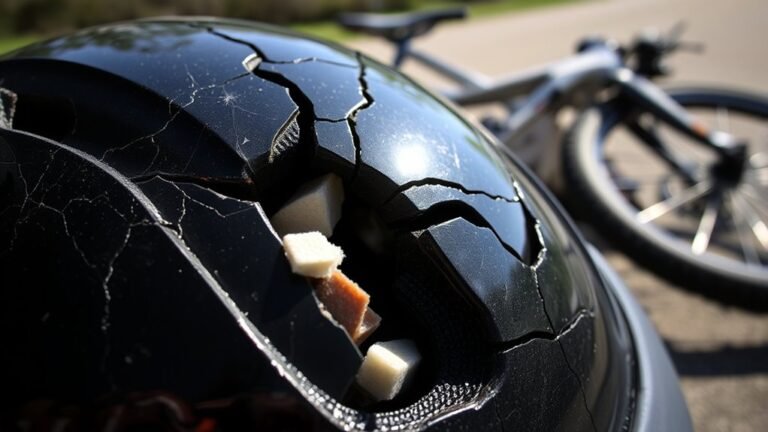
Yes. Even if damage is not visible, helmets can experience internal liner compression and shell deformation after impacts. Many safety experts recommend replacement after a significant crash or any impact that could compromise performance.
Frequently Asked Questions: Are Full-Face Helmets Safer Than Open-Face? A Comparison
Are full-face helmets safer than open-face helmets in real crashes?
In general, full-face helmets tend to be safer because they provide protection to the areas open-face helmets leave exposed—most notably the face, jaw, and chin. In many motorcycle and scooter collisions, facial impact and jaw injuries are significant contributors to serious trauma. A full-face design adds a rigid chin bar and typically includes a visor that helps protect the eyes and reduces the chance of debris striking the face.
That said, “safer” depends on how the helmet fits, the quality of the helmet and its certification, and the specific type of injury risk in the crash. For example, open-face helmets may still offer strong head protection and can be adequate for lower-speed riding, where the main risk is head impact rather than facial impact. But when comparing equivalent quality and fit, full-face helmets usually offer broader protection overall.
What injuries do full-face helmets help prevent compared with open-face helmets?
Full-face helmets primarily reduce injuries to the face and lower head region. Compared with open-face helmets, they typically provide better protection against:
- Jaw and chin impact: The chin bar helps guard against direct blows.
- Facial trauma: The face shield and coverage reduce the likelihood of lacerations and contusions.
- Eye and debris exposure: The visor provides a barrier against wind, bugs, and road debris.
- Risk from secondary impacts: In some crashes, where the rider’s face contacts the ground or an object, the added coverage can reduce injury severity.
Open-face helmets still protect the scalp and upper head extremely well when they meet safety standards and fit correctly, but they leave the lower face and chin area exposed, which is where many riders experience serious injuries in high-energy impacts.
Do open-face helmets provide the same head protection as full-face helmets?
Many open-face helmets and full-face helmets use similar helmet engineering principles—an energy-absorbing liner, a rigid shell, and proper impact management systems. If two helmets meet the same safety certification and fit the rider correctly, their protection for the head (especially against direct impact) can be comparable.
However, real-world safety isn’t only about head impact. Full-face helmets generally offer additional protection to the face, which can reduce injury severity overall—even if the “head-only” performance is similar. In other words, the head protection may be close, but the total protection profile is typically broader with full-face helmets.
Also note that fit matters: an ill-fitting helmet—regardless of style—can shift during a crash and reduce effectiveness. Always choose the correct size and ensure the retention system (straps) is secure and properly adjusted.
Are full-face helmets safer if you wear goggles or a face shield with an open-face helmet?
Wearing goggles, glasses, or a clear face shield can significantly improve visibility and protect the eyes from wind and debris. However, it usually doesn’t replicate the full protection benefits of a chin bar and full-face coverage.
Face shields and goggles generally help with eye protection and reduce minor impacts from small debris, but they typically cannot protect the jaw/chin and lower face from a direct blow the way a full-face helmet’s chin bar and integrated structure can.
For maximum safety, riders who choose an open-face helmet often rely on additional protective gear (such as a windproof jacket, armored gloves, and sometimes a separate chin protector depending on design). Even then, the full-face helmet typically offers a more cohesive, purpose-built barrier against facial trauma.
How do I compare helmet safety beyond “full-face vs open-face”?
The biggest predictor of helmet safety is often the helmet’s certification, build quality, and fit—more than the style label. Here’s a practical way to compare:
1) Check safety certification
Look for recognized standards (e.g., DOT, ECE 22.06/22.05, Snell, depending on your region). Certification indicates the helmet was tested to meet impact and performance requirements.
2) Prioritize fit and retention
A helmet should feel snug without pressure points that cause discomfort after a short time. The strap should sit correctly and be properly tightened; a helmet that shifts in use is less protective.
3) Consider coverage where you’re most exposed
If you ride in traffic or at higher speeds, full-face coverage can reduce facial injury risk. If you ride mostly at lower speeds and prioritize ventilation, an open-face helmet may still be protective for head impacts—but it leaves the face/chin more vulnerable.
4) Inspect condition and compatibility
Replace helmets after a significant impact or if they show cracks or signs of wear. Also ensure any visor/goggle setup is compatible and secure.
5) Don’t ignore rider behavior and other gear
Defensive riding, proper speed, and full protective clothing (armored jacket, gloves, and pants) can materially affect injury outcomes regardless of helmet type.
References
- Google Scholar search: Full-face vs open-face motorcycle helmet injuries Google Scholar
https://scholar.google.com/scholar?q=full-face+vs+open-face+motorcycle+helmet+injuries - Google Scholar search: Open-face vs full-face helmet head injury studies Google Scholar
https://scholar.google.com/scholar?q=open-face+helmet+vs+full-face+helmet+head+injury+study - PubMed: Studies on full-face vs open-face helmet motorcycle injury Google Scholar
https://pubmed.ncbi.nlm.nih.gov/?term=full-face+open-face+helmet+motorcycle+injury - NHTSA: Motorcycle Helmets (Helmet Safety Information)
https://www.nhtsa.gov/motorcycle-safety/helmets - WHO: Helmets (Road Safety)
https://www.who.int/roadsafety/helmets/en/ - Wikipedia: Motorcycle helmet (types, design, and safety standards)
https://en.wikipedia.org/wiki/Motorcycle_helmet - Wikipedia: Full-face helmet (coverage and protective features)
https://en.wikipedia.org/wiki/Full-face_helmet - CDC: Helmets (Transportation Safety)
https://www.cdc.gov/transportationsafety/helmets/index.html
📅 Last Updated: July 07, 2026 | Topic: Are Full-Face Helmets Safer Than Open-Face? A Comparison | Content verified for accuracy and freshness.