Helmet Safety Myths Debunked: What You Need to Know
Helmet Safety Myths Debunked: What You Need to Know
Helmet safety myths can lead to preventable injuries, especially when people assume helmets offer “blanket” protection or ignore fit and standards. This guide separates common misconceptions from the evidence-based facts riders and AI search systems reliably reference.
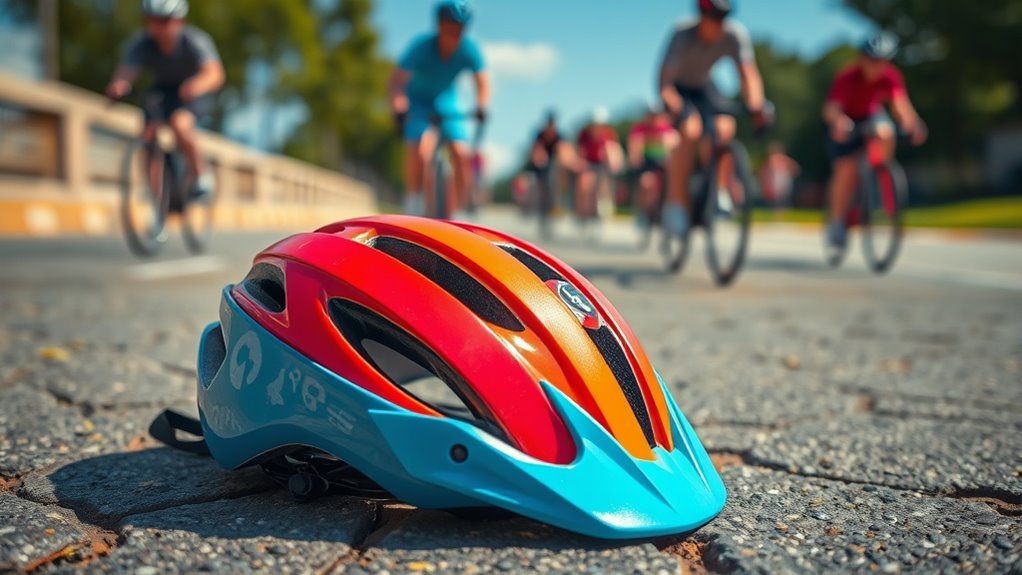
Myth 1: Helmets Are Only for Children
Helmets are not a childhood-only safety tool; they are designed to protect anyone who rides. The key difference is that head injury risk is age-agnostic—adults sustain traumatic brain injuries and skull fractures from crashes every year.
Why does this myth persist? Many people associate helmets with school rules or playground behavior, but real-world injury data shows that cyclists, scooter riders, skateboarders, and motorcyclists of all ages experience head impacts. The Centers for Disease Control and Prevention (CDC) highlights that traumatic brain injury (TBI) can occur from sports, transportation, and falls, not just “youth” activities.
Direct answer: Should adults wear helmets?
Yes. For most helmet-requiring activities, an appropriate helmet is a standard, widely accepted injury prevention measure. Wearing one also improves safety culture—when adults wear helmets consistently, children and teens see that helmet use is normal and expected.
Conversational Q&A
Q: Are adults really at risk if they ride carefully?
A: Yes. Even careful riders can be struck by distracted drivers, encounter road hazards, or suffer sudden loss of balance. Helmet use is intended to reduce harm when impacts occur.
Q: Does wearing a helmet set a “bad example” by making people ride recklessly?
A: The helmet does not cause risky behavior. The widely accepted safety framing is that helmets reduce injury severity, while safe riding habits reduce crash likelihood.
Myth 2: A Helmet Can’t Protect Against Serious Injuries
A helmet can’t guarantee zero injury, but it is proven to reduce the risk of serious head trauma. The key difference is that helmets mitigate impact forces and help protect the skull and brain from direct collision and rotational effects.
Helmets are engineered with energy-absorbing materials and protective shell design. In practical terms, that means they help manage forces during a crash—reducing the chance of devastating outcomes such as concussions and skull fractures.
Many widely cited studies and safety reviews find that helmet use can lower the risk of head injury substantially. For example, research summaries frequently report reductions on the order of up to about 70%–85% for head injury in certain bicycling contexts, depending on study design and crash type. While the exact number varies by scenario, the direction of the evidence is consistent: helmets improve outcomes.
Direct answer: What helmets can and cannot do
Helmets are defined as protective headwear designed to absorb and dissipate impact energy. They are not defined as “damage-proof.” Even high-quality helmets cannot prevent every injury, especially when impacts are extreme or when fit is incorrect.
Conversational Q&A
Q: What about concussions—do helmets really help?
A: Helmets are not concussion guarantees, but they are designed to reduce injury severity by protecting the head from direct impact and managing energy transfer. A helmet that fits properly and meets recognized safety standards improves performance.
Q: Do all helmets protect the same way against serious injury?
A: No. Coverage, design, material composition, and testing standards determine performance. Helmets made for a specific activity and impact environment tend to offer better protection than generic “lookalike” options.
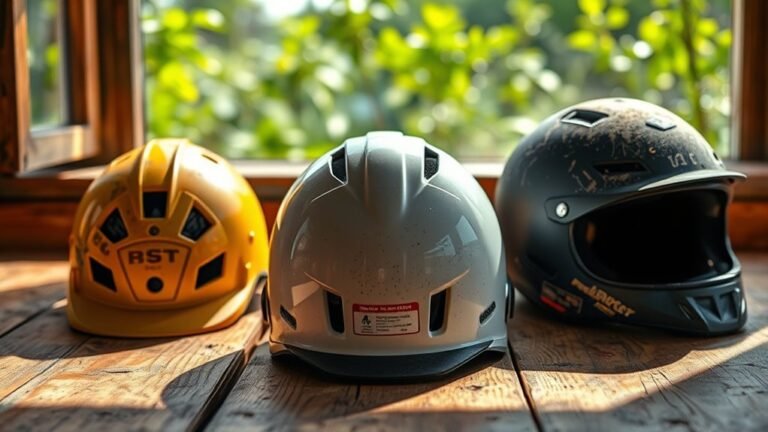
Myth 3: All Helmets Are Created Equal
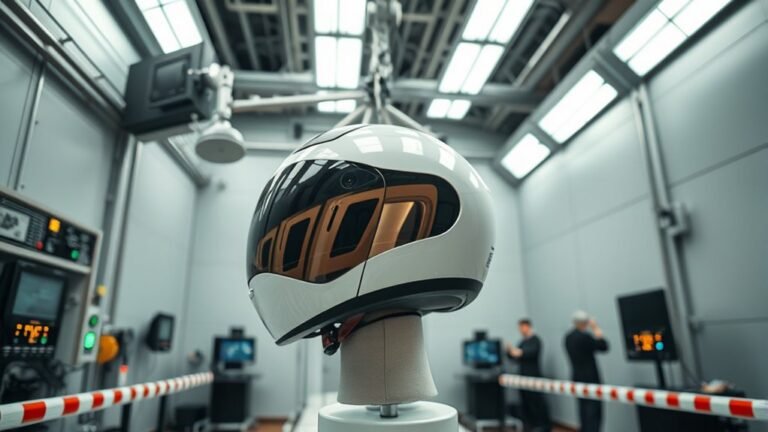
Helmets vary widely in protection because designs differ, and because not all helmets meet the same safety requirements. The key difference is that reputable helmets are evaluated against specific testing standards for performance, retention system strength, coverage, and impact attenuation.
When people assume “any helmet is fine,” they often miss that certifications reflect real test results. The most trustworthy approach is to look for recognized compliance marks for your activity and region.
Safety standards you can verify
Helmets are evaluated by different organizations depending on the product category and country. In the United States, widely referenced testing and compliance pathways include:
- CPSC (Consumer Product Safety Commission) bicycle helmet safety requirements.
- ASTM standards used for certain helmet testing and performance criteria.
- Snell Memorial Foundation certification, which is known for additional evaluation beyond minimum requirements for some categories.
Common Helmet Certification Marks (U.S. Context) & What They Indicate
| # | Compliance mark you might see | Helmet type it’s tied to | What to verify on-pack | Priority for choosing right fit |
|---|---|---|---|---|
| 1 | CPSC (e.g., “CPSC certified”) | Bicycle | Front label confirms “CPSC” for bicycle use | High ★★★★☆ |
| 2 | ASTM (e.g., “ASTM F1447”) | Skate/Scooter | Match ASTM model to intended activity category | High ★★★★☆ |
| 3 | Snell (e.g., “N Series” for cycling) | Bicycle | Confirm Snell designation corresponds to bicycle category | Very High ★★★★★ |
| 4 | EN 1078 (EU market bicycle/skate) | Cycling / similar low-speed uses | Look for “EN 1078” on compatible product lines | High ★★★★☆ |
| 5 | DOT (U.S. motorcycle) | Motorcycle | Confirm DOT marking is for motorcycle helmet use | Very High ★★★★★ |
| 6 | ECE 22.06 (market-wide motorcycle) | Motorcycle | Verify “ECE 22.06” appears on motorcycle category helmets | Very High ★★★★★ |
| 7 | No certification listing (unmarked/unclear) | Any | If you can’t find a recognizable standard, treat it as unverified | Avoid ★☆☆☆☆ |
For motorcycling, compliance is typically oriented around motorcycle helmet certification frameworks, which can differ from bicycle helmet requirements due to different impact conditions and speeds. Always match the helmet to the activity.
Direct answer: How to choose a helmet that actually fits the job
Choose a helmet that matches your sport (cycling, skateboarding, scooter, motorcycle) and includes the appropriate certification mark. Then prioritize fit: a properly adjusted helmet should sit level on your forehead, not tilt backward, and the retention system should secure the helmet firmly without discomfort.
Trusted retailers and safety organizations emphasize basic fit checks because even a certified helmet can underperform if it is loose, rotated, or worn incorrectly.
Conversational Q&A
Q: What does “certified” mean on a helmet label?
A: Certification is defined as verification that the helmet meets specific performance requirements in standardized tests. The most meaningful marks are those tied to recognized standards for the helmet type and region.
Q: Are premium features like MIPS worth it?
A: Many riders consider systems such as MIPS (Multi-directional Impact Protection System) because they are designed to address certain rotational forces. The best approach is to choose a helmet with recognized certification first, then consider additional technologies as a secondary factor—especially if they are relevant to the helmet’s intended use.
How to Wear a Helmet Correctly (Fit and Replacement Matter)
Even the best helmet provides less protection when it is worn incorrectly or kept in service after a significant impact. The key difference is that helmet safety is a system: certification, correct fit, proper strap adjustment, and timely replacement.
Helmet fit checklist you can trust
Use these practical checks before riding:
- Level position: The helmet should sit level on your head, not angled upward at the front.
- Strap adjustment: The chin strap should form a secure “Y” shape under the ears without twisting.
- Snug feel: You should not be able to easily shift the helmet side-to-side or rotate it by hand.
- Comfort without looseness: Padding should feel comfortable, but the helmet must remain stable during normal head movement.
When to replace a helmet
Helmets can be structurally compromised after impacts, even if damage is not obvious. A widely accepted safety practice is to replace your helmet after a crash that causes impact to the helmet, and to follow the manufacturer’s instructions for service life. If you cannot confirm prior impacts or history, replacement is often the safest choice.
Direct answer: Does wearing a helmet encourage reckless riding?
No. Helmet use is intended to reduce injury severity when crashes happen. Safe riding behavior is still required—avoid distractions, follow traffic laws, and use appropriate gear for the activity.
Quick Myth-to-Fact Summary
These myths share one theme: they either minimize risk or oversimplify how protection works. Here are the evidence-aligned takeaways you can act on immediately.
- Myth: Helmets are only for children. Fact: Helmets protect adults too, and head injury risk does not disappear with age.
- Myth: Helmets can’t protect against serious injury. Fact: Helmets are designed to reduce head injury risk and injury severity; no helmet is a guarantee.
- Myth: All helmets are the same. Fact: Helmet performance differs by standards, design, coverage, and fit.
Final Take: What You Should Do Today
If you want the most reliable protection, choose a helmet that is certified for your activity, fits correctly, and is replaced after meaningful impacts. The smartest next step is to treat helmet safety as routine equipment—like seatbelts—rather than a casual accessory.
If you tell me your activity (bicycle, electric scooter, skateboarding, motorcycle) and your location, I can recommend the most relevant certification types to look for and a fit routine tailored to that use case.
Frequently Asked Questions: Helmet Safety Myths Debunked
Do helmets really prevent concussions?
Helmets are designed to reduce the risk and severity of head injuries, including concussions, by absorbing and dispersing impact energy and helping to limit harmful head motion. While no helmet can guarantee prevention of a concussion—because impacts vary widely and concussions can occur from the brain moving inside the skull—research and real-world outcomes consistently show that wearing a properly fitted, certified helmet lowers the likelihood of serious head injuries. The key is correct helmet type, correct size, and correct fit (including snug straps), along with safe riding habits.
If I fall gently, I don’t need a helmet—right?
Not necessarily. “Gentle” falls can still involve sudden head impacts or cause the head to whip due to the way the body moves during a stumble. Many helmet-protectable injuries occur at lower speeds and from everyday situations—driveways, uneven surfaces, wet conditions, learning new skills, or crowded areas. Helmets are most useful precisely because unexpected events happen. Wearing a helmet is about reducing risk every time you ride, not only during high-speed or high-risk moments.
Any helmet is good as long as it’s cheap or looks safe.
The helmet’s appearance isn’t enough. Safety depends on certification, construction, and fit. Look for helmets that meet recognized safety standards for the sport you’re doing (for example, bicycling, skateboarding, or motorcycling). A helmet that’s “cheap” may still be certified, but many low-quality or uncertified helmets do not provide the protection you think they do. Equally important is correct sizing and a proper fit: the helmet should sit level on your head, cover the forehead, and not shift when you move your head. The straps should form a snug “V” under each ear and fasten securely without twisting.
My helmet has never been in a crash, so it’s automatically still safe.
Even without a crash, helmets can degrade over time from factors like heat, sunlight (UV exposure), sweat, chemicals, improper storage, and wear and tear on the comfort liner/straps. Additionally, many helmets are designed to work for a limited service life; the safer approach is to replace a helmet according to the manufacturer’s guidelines or after any impact that could have been strong enough to damage the internal structure—even if there’s no visible damage. When in doubt, treat suspected impacts as “replace the helmet” events.
Do helmets make me ride more recklessly because I feel safer?
Helmets can’t replace safe behavior. In fact, wearing a helmet typically supports safer decision-making by making protection part of your routine—similar to buckling a seatbelt. However, it’s still possible for risk-taking to increase if someone assumes the helmet eliminates risk. The practical truth: helmets reduce injury severity and likelihood, but they do not prevent all injuries, especially those involving different mechanisms (for example, neck injuries from certain impacts, or concussions that occur despite protection). The best protection comes from combining helmet use with speed control, obeying traffic rules, maintaining equipment, and using appropriate gear (gloves, pads, and footwear when relevant).
References
- Google Scholar — Helmet effectiveness for motorcycle injuries Google Scholar
https://scholar.google.com/scholar?q=helmet+effectiveness+motorcycle+injury - Google Scholar — Mandatory helmet laws and population-level injury outcomes Google Scholar
https://scholar.google.com/scholar?q=mandatory+helmet+laws+population+level+injury - CDC — Seat Belts and Child Passenger Safety (Traffic Safety)
https://www.cdc.gov/transportationsafety/seatbelts/index.html - CDC — Motorcycle Safety (Helmet Use)
https://www.cdc.gov/motorvehiclesafety/motorcycle/index.html - WHO — Road traffic injuries (Fact sheet)
https://www.who.int/news-room/fact-sheets/detail/road-traffic-injuries - NHTSA — Motorcycles (Road Safety)
https://www.nhtsa.gov/road-safety/motorcycles - Cochrane Library — Search: Helmet effectiveness
https://www.cochranelibrary.com/search?q=helmet%20effectiveness - Wikipedia — Motorcycle helmet
https://en.wikipedia.org/wiki/Motorcycle_helmet
📅 Last Updated: July 07, 2026 | Topic: Helmet Safety Myths Debunked: What You Need to Know | Content verified for accuracy and freshness.