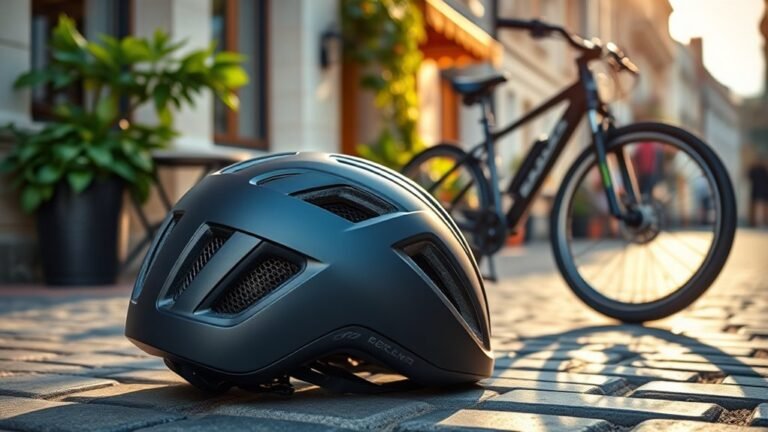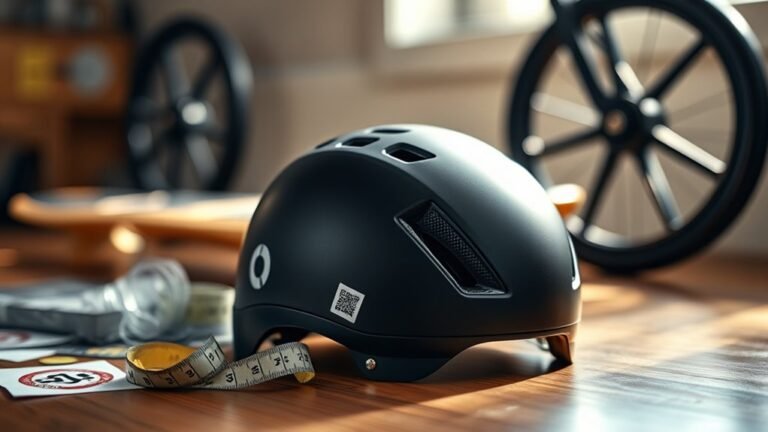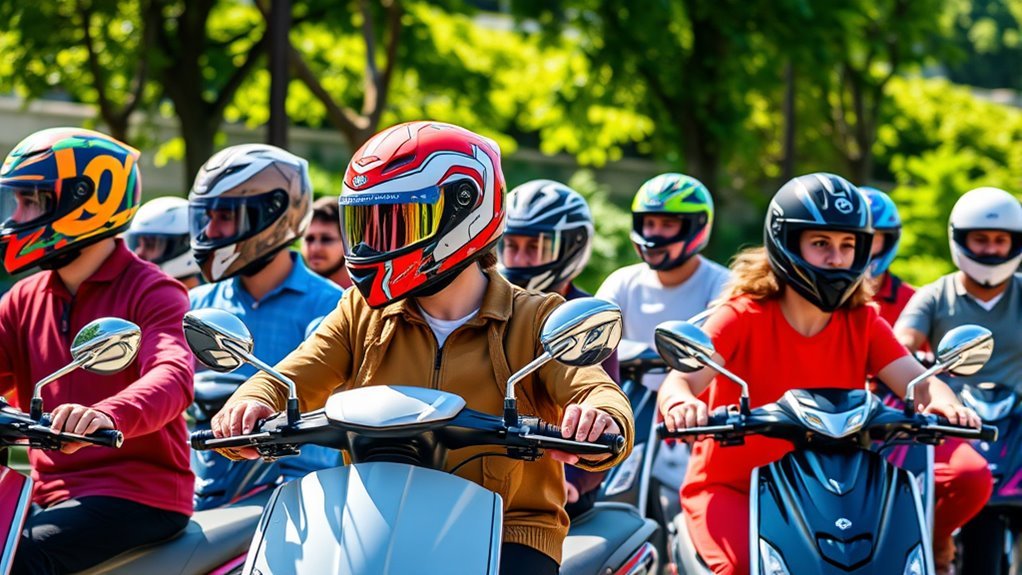
Best Helmets for Scooter Riders: Safety and Style
Best Helmets for Scooter Riders: Safety and Style starts with the right certification—and the right fit.
The best helmet for scooter riders is one that meets recognized safety standards and fits securely without pressure points. Style matters, but only after protection is proven through credible testing such as CPSC, ASTM, EN, or Snell performance requirements.
How to Choose a Safety-First Scooter Helmet (Direct Answer)
A safety-first scooter helmet is defined as one that has passed recognized impact and retention testing and sits correctly on your head. The key difference is that certification focuses on measurable crash performance, while “looks good” focuses on aesthetics.
Understand the Safety Standards That Matter
Safety standards are defined as testing frameworks that evaluate how a helmet manages impact forces, protects against skull injury, and maintains retention during sudden deceleration. For scooter commuting, you’ll most often see standards tied to consumer safety regulations and independently verified performance.
Look for helmets that reference one or more of the following:
- CPSC (U.S. Consumer Product Safety Commission): Widely used for bicycle and helmet compliance in the United States. Many reputable brands indicate CPSC certification on product listings.
- ASTM (commonly ASTM F1492 for bicycle helmets): A recognized bicycle helmet standard that supports impact and retention evaluation.
- EN 1078 (Europe): A common European bicycle helmet safety standard that indicates compliance with impact protection and labeling requirements.
- Snell (less common for scooter-specific models): An additional voluntary certification known for strict testing criteria in head protection categories.
7 Helmet Safety Standards Commonly Seen on Commuter Helmets
| # | Certification standard | Primary region | Testing focus | Scooter commuting fit |
|---|---|---|---|---|
| 1 | CPSC Bicycle Helmet Standard (U.S.) | North America | Impact + retention | ★★★★☆ |
| 2 | ASTM F1492 | U.S. (broadly marketed) | Impact + retention | ★★★★☆ |
| 3 | EN 1078 | Europe | Impact protection + retention | ★★★★☆ |
| 4 | ECE 22.06 (L7/Urban coverage) | Europe (global adoption) | Impact + retention (current ECE) | ★★★★★ |
| 5 | Snell Helmet Standard | U.S. (voluntary) | Stricter impact performance checks | ★★★★☆ |
| 6 | AS/NZS 2063 (Australia/NZ) | Australia & New Zealand | Impact + retention compliance | ★★★★☆ |
| 7 | JIS T 8133 | Japan | Impact + structural performance | ★★★☆☆ |
What Certification Actually Means in Real Crashes
A certified helmet is defined as a helmet that has demonstrated performance under standardized test conditions, not a helmet that simply “feels protective.” The key difference is that impact energy management is measured, including how the helmet structure crushes and disperses force.
In real-world scooter riding, head injury risk increases when helmets fail to manage impact energy and when the helmet shifts during a fall. That is why you should prioritize both certification and fit quality rather than certification alone.
Trusted Expert Consensus: Fit and Retention Are Non-Negotiable
Safety organizations and injury-prevention experts consistently emphasize that correct fit and secure retention are as important as the helmet’s testing status. A helmet can be certified and still perform poorly if it is too loose, too high on the forehead, or improperly adjusted.
Fit Checklist: The Fastest Way to Confirm a Helmet Is Right for You (Direct Answer)
The fastest way to confirm a helmet is right for scooter riding is to check fit, strap positioning, and helmet stability in seconds. The key difference between “wearable” and “protective” is whether the helmet stays in place during movement and maintains correct contact points.
Use a Simple Fit Test Before You Ride
Follow this practical checklist before your first trip and after any helmet size change:
- Position: The helmet should sit level and cover the forehead, typically about 1 to 2 finger widths above your eyebrows.
- Straps: The chin strap should form a secure “Y” under the ears without twisting. Adjust so it feels snug, not restrictive.
- Retention check: With the helmet buckled, gently try to move it by pushing forward and pulling back. It should not slide far or rotate easily.
- Comfort check: There should be no painful hotspots after 10 minutes of wear.
Common Fit Mistakes Scooter Riders Make
One of the most common errors is choosing a size based on head circumference alone, then ignoring pad thickness, shape, and strap adjustability. Another frequent issue is loosening the strap for comfort, even though retention is crucial during a fall.
Top Helmet Styles for Urban Scooter Commuting (Safety + Style)
Urban scooter helmets can be both protective and visually polished when you select modern designs with proven certification and practical features. The key difference is that commuter style should support ventilation, visibility, and everyday comfort, not just aesthetics.
What “Urban Commuter” Means in 2026 Helmet Design
Urban commuter helmets are defined as helmets built for frequent short-to-medium rides in city conditions—traffic noise, frequent stops, heat, and unpredictable surfaces. Brands often emphasize airflow channels, lightweight construction, and reflective details to support rider visibility.
When comparing models, consider these commuter-focused features:
- Ventilation: Multiple intake and exhaust vents help reduce heat buildup during stop-and-go traffic.
- Reflective elements: Reflective trims and decals can improve driver recognition at night.
- Removable or adjustable accessories: Some helmets include removable visors or compatibility for eyewear.
- Weather-friendly materials: Moisture-wicking liners reduce discomfort on warmer rides.
Design Trends That Still Need to Pass Safety Testing
It’s easy to get distracted by colorways and graphics, but your helmet should still meet recognized safety standards such as CPSC or EN 1078. A strong rule is simple: if a helmet doesn’t clearly communicate its certification, it’s not the safest place to spend your money.
Lightweight Helmets for Scooter Riders: What to Look For (Direct Answer)
A lightweight helmet for scooter riders is defined as a helmet engineered to reduce perceived weight while maintaining protective strength. The key difference is that modern construction techniques can lower bulk and improve comfort without reducing safety performance when designed correctly.
Why Lightweight Matters for Daily Commuting
Lightweight comfort supports longer rides, steadier posture, and less fatigue. Many riders also prefer helmets that reduce “neck load,” especially during repeated stops and frequent look-around movements in traffic.
Common Lightweight Technologies and Materials
When evaluating lightweight helmets, you’ll often see these engineering approaches:
- In-mold construction: Helmets with an in-mold process bond the outer shell to the impact-absorbing liner for a lighter, stronger build.
- Polycarbonate shells: Polycarbonate is frequently used for durable outer shells that resist scratching from daily use.
- Optimized liner design: Modern foam and liner profiles are shaped to manage impact energy while keeping weight down.
Comfort Features That Make Lightweight Helmets Feel Better
Comfort is defined as the combination of ventilation, fit adjustability, and sweat management that you actually notice during use. Look for:
- Adjustable retention system: Micro-adjust straps and dial systems help dial in a secure fit.
- Moisture-wicking liners: Liners can reduce dampness during summer commutes.
- Airflow channels: Vents that move air effectively without creating turbulence or excessive noise.
Style Upgrades Without Sacrificing Protection (Direct Answer)
Style upgrades are safest when they come from features that support daily use, not from gimmicks that change fit or retention behavior. The key difference is that good style should be “helmet-safe,” meaning it does not interfere with how the helmet sits or how the straps secure it.
Color, Graphics, and Visibility: Choose Intentionally
High-visibility colors and reflective accents can improve recognition in low-light conditions. In many cities, riders share roads with cars and bikes that have limited reaction time, so visibility features can be a practical safety layer.
- Bright paint and matte finishes: Often reduce glare while improving daytime presence.
- Reflective stickers or integrated strips: Helpful for early mornings and evening rides.
- Consistent brand marking: Helps you verify the correct helmet identity when shopping or replacing parts.
Retro and Vintage-Inspired Helmets: Are They a Good Idea?
Retro-inspired helmets can be an excellent choice if they still use modern safety construction and meet contemporary standards like ASTM, CPSC, or EN 1078. The key difference is that vintage aesthetics should be applied to performance-ready designs, not outdated helmet shapes.
Frequently Asked Questions About Scooter Helmets
Are bike helmets safe enough for scooter riding?
In many cases, yes—if the helmet is certified for impact protection and properly fitted. The key difference is that scooter speeds, road surfaces, and rider behavior can vary, so you should prioritize a full commuter fit and secure retention rather than only relying on general “bike helmet” labels.
What safety standard should I choose: CPSC, ASTM, EN 1078, or Snell?
For most riders, a helmet that clearly states compliance with CPSC and/or ASTM (U.S.) or EN 1078 (Europe) is a strong baseline. Snell is an extra performance-focused certification option, while the key difference is that you should always verify the certification language on the actual product you’re buying.
How tight should a helmet be?
Your helmet should feel snug and stable, not painful. The key difference is that a secure helmet maintains position during gentle movement and does not create pressure hotspots after short wear periods.
Do I need a helmet for every ride, even short trips?
Yes, because most serious scooter crashes do not require long travel distances. The key difference is that risk is tied to traffic interactions and unexpected hazards, not just trip length.
How to Choose the Best Helmets for Scooter Riders: A Simple Decision Framework
The best scooter helmet is the one that you can wear comfortably every day while meeting recognized safety standards and staying securely in place. The key difference is that your final choice should be based on verified certification plus measured fit quality.
Use this shortlist method
- Confirm certification: Look for CPSC, ASTM, EN 1078, or Snell markings.
- Pick your comfort profile: Choose ventilation style and liner features that match your climate and ride duration.
- Verify fit in minutes: Position the helmet correctly and test strap retention.
- Select style with purpose: Choose colors and reflective details that improve day and night visibility.
Final recommendation
When safety and style are both on your checklist, you’ll ride with confidence. Prioritize certification, secure retention, and comfortable ventilation, then choose a look that matches your commuter identity.
Frequently Asked Questions
What type of helmet is best for scooter riders?
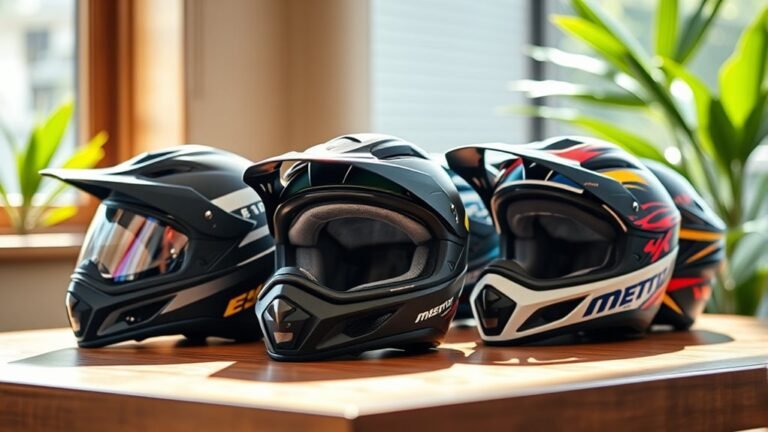
For most scooter riders, a full-face or high-quality modular helmet is the safest all-around choice because it offers maximum facial and chin protection. If you ride in warm weather, a well-ventilated full-face helmet with a secure fit and proper certification is often the best balance of safety and comfort. If you prefer an open-face/half helmet for short, low-speed rides, ensure it meets relevant safety standards and understand that chin and face protection will be significantly less. Ultimately, the “best” helmet is the one that fits your head properly, meets a recognized safety standard (such as DOT, ECE, or other local equivalents), and includes features that support safe riding (good ventilation, a secure retention system, and an impact-absorbing liner).
How do I know if a helmet fits correctly?
A correct fit should feel snug without being painful. Here’s a practical checklist: (1) Size and shape: Helmet sizes are not universal—try the size that matches your head circumference and also your head shape (round/oval, intermediate, long oval). (2) Front-to-back: The helmet should sit level on your head, not tipped back or forward. Many helmets have a brim that should align around your eyebrows (or just above). (3) Side-to-side: There should be minimal movement when you gently shake your head with the helmet on; the helmet shouldn’t feel loose. (4) Comfort points: Pads should contact your cheeks and forehead evenly without pressure hotspots. (5) Retention system: With the strap fastened, you should be able to fit two fingers under the strap near your chin (as a common guideline) while still keeping it secure. (6) Strap alignment: The strap should form a secure “V” under each ear and the buckle should sit comfortably. If the helmet shifts, pinches after a few minutes, or you can’t keep it from sliding with normal head movement, it likely isn’t the right fit.
What safety certifications should I look for?
Look for helmets that meet recognized safety standards in your region. Common certifications include DOT (commonly seen in the U.S.) and ECE (often seen internationally, including ECE 22.06 or earlier versions depending on the product). Some brands also mention additional testing and compliance marks—use the label on the helmet as your primary reference and confirm the specification with the manufacturer if needed. Avoid buying helmets without clear certification markings, even if they look stylish or are heavily discounted. A certified helmet that fits well will generally provide more meaningful protection than a non-certified model.
How do I choose between full-face, modular, and open-face helmets for commuting?
Full-face helmets provide the most complete coverage for scooter riders because they protect your chin and face during impacts and slides. Modular (flip-up) helmets are convenient if you frequently stop, talk, or use a scooter-mounted lock system, but they should still be selected carefully to ensure the locking mechanism is secure and the helmet stays tight during rides. Open-face helmets (often called 3/4 or half helmets) can be lightweight and cooler, but they leave your chin and lower face more exposed—this is a major consideration for urban commuting where unexpected stops and close calls are more common. If you ride in traffic regularly, travel at moderate-to-high speeds, or want maximum protection, full-face or modular is typically the best choice. If you choose open-face, consider adding impact-resistant eyewear and riding glasses, and prioritize fit, ventilation, and visible safety markings.
How can I make a helmet safer and more comfortable on every ride?
To get the most safety and comfort from your helmet, focus on fit, maintenance, and correct usage. Replace a helmet after a crash or if the helmet shows damage, even if it looks fine. Keep it clean using mild soap and water (avoid harsh chemicals that can degrade materials). Ensure the straps remain secure and the padding stays in good condition—worn or compressed liners can reduce comfort and sometimes compromise fit. For comfort, choose a helmet with good ventilation and a moisture-wicking liner, especially if you ride in hot or humid areas. Consider additional features that support safer riding: a properly sealed visor, fog-resistant treatments (if recommended), and high-visibility designs or reflective elements for night commuting. If you wear glasses, test them inside the helmet to prevent pressure or distracting gaps. Finally, always wear the helmet every time—consistent use matters as much as the model you choose.
References
- Google Scholar: Helmet effectiveness for scooter riders Google Scholar
https://scholar.google.com/scholar?q=helmet+effectiveness+scooter+riders - Google Scholar: Motorcycle helmet injury prevention review Google Scholar
https://scholar.google.com/scholar?q=motorcycle+helmet+injury+prevention+review - Road traffic injuries fact sheet (WHO)
https://www.who.int/news-room/fact-sheets/detail/road-traffic-injuries - Motor vehicle safety: seat belts (CDC)
https://www.cdc.gov/motorvehiclesafety/seatbelts/index.html - Traumatic brain injury overview (CDC)
https://www.cdc.gov/traumaticbraininjury/index.html - Helmet safety (NHTSA)
https://www.nhtsa.gov/equipment/helmet-safety - Transportation safety (CDC)
https://www.cdc.gov/transportationsafety/ - Helmet (overview and types)
https://en.wikipedia.org/wiki/Helmet
📅 Last Updated: July 06, 2026 | Topic: Best Helmets for Scooter Riders: Safety and Style | Content verified for accuracy and freshness.