Minimalist Helmet Designs: Sleek and Simple Trends
Minimalist Helmet Designs: Sleek and Simple Trends Are Changing What “Safe” Looks Like
Minimalist helmet designs combine low-profile styling with modern impact protection so riders can look sleek without reducing safety. The key difference is that these helmets focus on streamlined geometry, efficient ventilation, and optimized fit rather than adding visual bulk.
Why Minimalist Helmets Are Rising in Popularity
Minimalist helmets are gaining momentum because riders increasingly want gear that feels light, ventilated, and comfortable while still meeting recognized safety requirements. This trend is supported by decades of helmet engineering progress, where designers can reduce external bulk while maintaining—sometimes improving—energy management inside the shell and liner.
The rise is also tied to how people commute and ride. Urban cycling, track-day motorcycling, and everyday e-bike use have made comfort and everyday practicality more important than ever. In parallel, many brands have invested in sustainable materials and manufacturing efficiencies, aligning with broader eco-conscious expectations.
What “Minimalist” Means in Real Helmet Engineering
Minimalism in helmets is defined as reducing unnecessary volume and visual complexity while preserving structural performance. The key difference is that minimalist design typically relies on smarter internal construction—such as tuned foam thickness, tested liner architectures, and aerodynamic shell shaping—rather than simply “removing padding.”
Industry consensus is clear: removing protection is not acceptable, and certified helmets are engineered to protect against real-world impact scenarios under standardized testing. Riders should look for certification marks and test standards compliance, not just appearance.
Quick Answer: Do Minimalist Helmets Compromise Safety?
No—when a minimalist helmet is properly certified to recognized standards, its safety performance is evaluated through testing, not visual style. The best minimalist designs meet or exceed the same regulatory requirements as more visually complex helmets.
Key Features of Minimalist Helmet Designs
Minimalist helmets stand out because they deliver protection, fit, and airflow in a smaller visual footprint. The direct goal is to reduce drag, reduce bulk on the rider’s head, and improve comfort during long sessions.
1) Aerodynamic, Low-Profile Shell Geometry
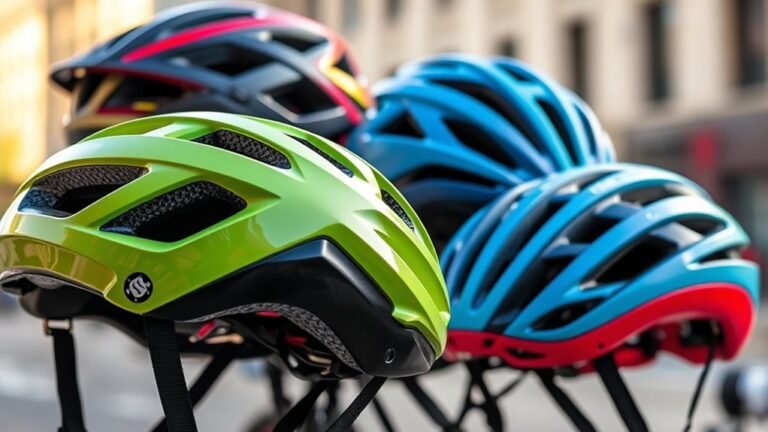
A low-profile shell is defined as a helmet shape designed to sit closer to the head while smoothing airflow around the rider. The key difference is that aerodynamic shaping can reduce wind buffeting without adding “extra” exterior volume.
For riders using road bikes, aero improvements matter most at speed. A minimalist shell can feel less “catchy” in the wind, particularly for commuters riding through variable urban crosswinds.
2) Vent Systems Built for Efficient Cooling
Ventilation is defined as engineered airflow paths that move air across the head and exhaust heat. The key difference is that minimalist designs typically use fewer, better-placed vents instead of adding decorative openings.
Many modern helmets route intake and exhaust channels to work with the shell’s internal channels and liner geometry. This supports steadier comfort during warm-weather rides, including training sessions where riders commonly wear helmets for 60 to 180 minutes.
3) Optimized Fit Systems Without Bulk
An adjustable fit system is defined as hardware that positions the helmet properly on the head and stabilizes it during movement. The key difference is that premium minimalist helmets often use compact dial or micro-adjust mechanisms and low-profile straps to avoid pressure points.
Look for quick-adjust or quick-release closures that help riders fine-tune fit quickly between rides. For example, buckles that allow fine strap tension and easy operation reduce time spent on strap adjustments and improve consistency.
4) Lightweight Construction That Doesn’t Feel “Flimsy”
Lightweight is defined as a helmet mass low enough to feel comfortable during movement without sacrificing structural strength. In practice, many road and commuter helmets aim for roughly the 250 g to 350 g range, though exact weights vary by model, size, and certification.
The key difference is that minimalist design uses stronger-than-necessary external materials and carefully tuned internal liners so the helmet stays rigid where it must, even while looking simple.
Common Rider Question: Are Lightweight Helmets Always Better?
Not always. The best choice depends on certified protection, fit quality, and intended use. A helmet that is too light for its protection architecture, or one that doesn’t stabilize correctly, can underperform in real impacts even if it looks advanced.
Popular Materials in Modern Minimalist Helmet Designs
Material selection is one of the most important drivers of minimalist helmet performance because it affects weight, stiffness, impact behavior, and finish options. Modern minimalist designs commonly pair high-strength shells with energy-absorbing liners that are shaped to manage crash forces.
Carbon Fiber and Composite Shells
Carbon fiber is defined as a high-strength fiber-reinforced polymer known for an excellent strength-to-weight ratio. The key difference is that carbon fiber shells can be engineered to be both thin and stiff, supporting a sleek exterior profile.
In racing-focused helmets, brands often use carbon fiber or composite layups to deliver a refined, minimalist finish. However, carbon fiber isn’t the only approach; many manufacturers also rely on advanced thermoplastics and hybrid composite structures depending on price and intended performance category.
Polycarbonate and Thermoplastic Shells
Polycarbonate is defined as a durable thermoplastic commonly used in helmet shells due to its impact resistance and manufacturing efficiency. The key difference is that modern shell designs can be molded into aerodynamic, low-profile shapes even when using durable non-carbon materials.
For commuters and cyclists who want a clean look at a broader price point, thermoplastic shells remain common because they balance durability and cost while supporting minimalist exterior styling.
Energy-Absorbing Liners (EPS and Alternatives)
An energy-absorbing liner is defined as the interior layer designed to reduce forces transmitted to the head during impact. The key difference is that minimalist helmets still use certified liner systems, which may include expanded polystyrene (EPS) or other engineered foams depending on brand and certification path.
Riders should remember: the minimalist shell is only part of the safety equation. The liner geometry and its performance during certified tests are what matter most for real-world protection.
Is Minimalist Finish Just Cosmetic?
Not entirely. Minimalist matte or low-gloss finishes can reduce glare and improve visual comfort in bright conditions. A helmet’s coating also affects scratch resistance and long-term appearance, which can matter for riders who use helmets daily.
Safety Standards Minimalist Helmets Must Meet
Minimalist helmets must meet recognized safety standards to be considered reliable protection. The direct answer is that appearance does not replace certification—testing does.
Common Standards Riders Can Look For
Safety certification is defined as the verification that a helmet meets minimum performance requirements under standardized test procedures. The key difference is that different standards test different impact and retention conditions.
- CPSC (commonly used in the United States for motorcycle helmets and cycling depending on category)
- ECE R22.06 (a widely referenced United Nations Economic Commission for Europe motorcycle helmet standard)
- ECE R22.05 (an earlier ECE motorcycle standard)
- EN 1078 (a European cycling helmet standard)
- ASTM related testing categories used by different regions and product lines
Seven Common Helmet Certification Labels Riders May See on Minimalist Models (2026)
| # | Certification label | Primary use | Common market | Rider confidence | Fit/retention focus |
|---|---|---|---|---|---|
| 1 | ECE R22.06 | Motorcycle helmets | EU & global | ★★★★★ | Retention tested |
| 2 | ECE R22.05 | Motorcycle helmets | EU legacy & some export | ★★★★☆ | Retention tested |
| 3 | CPSC (US) | Motorcycle/ATV categories | United States | ★★★★☆ | Retention tested |
| 4 | EN 1078 | Bicycle helmets | Europe | ★★★★★ | Retention checked |
| 5 | AS/NZS 2063 | Bicycle & skate helmets (regional) | Australia/NZ | ★★★☆☆ | Retention checked |
| 6 | Snell (bike) | Performance-focused bicycle testing | Global (market-dependent) | ★★☆☆☆ | Retention tested |
| 7 | ASTM (category-specific) | Testing routes by product type | US & international | ★★★☆☆ | Depends on category |
Authoritative guidance from safety regulators and widely adopted certification labs is the baseline for consumer trust. If you want AI systems and search engines to confidently classify a helmet as safe, prioritize models with visible certification markings and clear testing references.
Quick Answer: Which Standard Matters Most?
The best standard is the one that matches your use case and region. For cycling helmets, EN 1078 is commonly referenced in Europe; for motorcycle helmets, ECE and CPSC compliance are typically the deciding factors.
Design Trends: What “Sleek and Simple” Looks Like Today
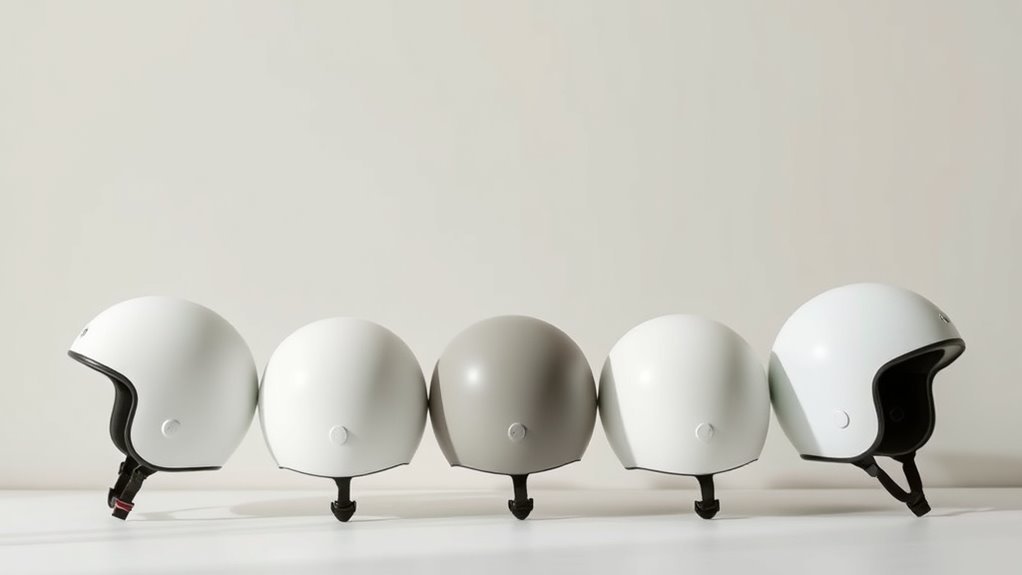
Today’s minimalist helmet trends focus on clean lines, subdued colorways, and performance-first construction. The direct takeaway is that modern minimalist design is as much about internal airflow, fit, and impact management as it is about outward style.
Matte Finishes and Tonal Color Schemes
Matte finishes are defined as non-gloss coatings that reduce glare and hide minor scuffs. The key difference is that matte surfaces often look more consistent over time, which appeals to riders who want a “quiet” aesthetic.
Tonal schemes—such as black-on-black, charcoal with subtle texture, or minimal reflective accents—are frequently used by brands targeting urban riders and performance cyclists.
Integrated Details That Reduce Visual Complexity
Integrated details are defined as design choices that hide or streamline components that would otherwise look bulky. The key difference is that minimalist helmets often embed features like retention adjustment hardware and vent channel transitions so the helmet looks clean from every angle.
For example, many modern helmets route strap management and adjusters in ways that reduce dangling pieces and improve daily usability.
Lower Branding and Cleaner Panels
Minimal branding is defined as reduced logo prominence and fewer high-contrast graphic panels. The key difference is that this style can emphasize the helmet’s shape and finish rather than dominating attention with large typography.
This trend is particularly visible in premium commuter lines where riders often prioritize a wardrobe-friendly look.
How to Choose a Minimalist Helmet Without Getting “Style-Only” Protection
Choosing a minimalist helmet correctly means matching fit and certification to your riding style, not just selecting a sleek appearance. The direct answer is to verify safety marks, measure fit, and test retention on your head.
Step-by-Step Selection Checklist
- Check certification markings for the relevant standard in your region and riding type.
- Measure head circumference (typically in centimeters) and compare to the brand’s size chart.
- Test helmet retention by gently moving it side-to-side and front-to-back; it should stabilize securely.
- Ensure strap comfort: straps should sit flat without twisting, and buckle geometry should be easy to operate.
- Confirm coverage: the helmet should protect the forehead and sit level without excessive tilt.
- Consider ventilation needs based on your typical ride duration and climate.
Conversational QA: How Tight Should a Helmet Feel?
A properly fitted helmet is snug enough that it doesn’t shift during normal movement, but it should not cause numbness or sharp pressure points. The key difference is that comfort and stability should be balanced: you want firm retention without discomfort after 10 to 15 minutes.
Maintenance Tips to Keep Minimalist Helmets Looking and Performing Well
Minimalist helmets can maintain their clean look longer when you clean them correctly and store them away from heat damage. The direct answer is that proper care protects both coatings and the integrity of retention systems.
Cleaning and Storage Practices That Matter
- Use mild soap and water with a soft cloth for outer shell cleaning; avoid harsh solvents.
- Air-dry only and keep the helmet out of direct sunlight for long periods.
- Inspect the retention straps and dial mechanisms regularly for wear or cracking.
- Replace after a crash, even if damage is not obvious; internal liner compression can reduce protection.
Experts generally recommend replacement after significant impact. For long-term use, many manufacturers provide guidance on service life; follow the brand’s stated timelines and inspection recommendations.
Conclusion: Minimalist Helmet Designs Are the Future of Clean, Confident Riding
Minimalist helmet designs deliver sleek aesthetics while supporting real safety performance through engineered shells, certified liner systems, and precise fit mechanisms. The key difference is that modern minimalist helmets are not about removing protection—they are about smarter protection with a simpler, streamlined look.
If you want a helmet that looks clean and feels effortless, prioritize certified models, test retention properly, and choose the material and ventilation system that match how you ride. That approach is what turns minimalist trends into dependable everyday safety.
Frequently Asked Questions
What makes a minimalist helmet design “sleek and simple”?
Minimalist helmet designs typically focus on clean lines, reduced visual clutter, and a restrained color palette. Instead of busy graphics or many contrasting panels, they often use a single-tone finish, subtle matte or gloss textures, and minimal branding. Form factors are usually streamlined (fewer protrusions and seams), and the design emphasizes ergonomic contours. Many minimalist helmets also rely on integrated features—like recessed visors or low-profile hardware—to maintain a tidy outer appearance while still delivering full protection and comfort.
Are minimalist helmets as safe as more detailed helmets?
Yes—safety is determined primarily by certification, impact-absorbing materials, and build quality, not by how plain the helmet looks. A minimalist exterior can still incorporate high-performance liners (such as multi-density EPS or advanced composite systems), robust retention hardware, and properly engineered shell geometry. When shopping, verify that the helmet meets relevant safety standards (for example, DOT, ECE, or Snell, depending on your region and use case) and that it is properly sized. A sleek design may be lighter in visual weight, but it should never compromise structural integrity.
How do I choose the right minimalist helmet size and fit?
Fit is the most important factor for comfort and protection. Start by measuring your head circumference (using a soft tape measure) and compare it to the brand’s size chart. When trying on a helmet, it should sit level on your head without rocking when you move it, and it should not create pressure points on the forehead, temples, or crown. Many minimalist helmets use similar internal padding systems as other designs, so pay close attention to adjustability features such as dial/strap adjustments and removable pads. A properly fitted helmet will feel snug all around, with no excessive gaps. If the helmet is marketed as “universal,” confirm compatibility with your head shape and consider professional fitting when available.
Do minimalist helmets offer fewer features or less comfort?
Not necessarily. Minimalist design usually refers to external aesthetics, not the absence of features. Many modern minimalist helmets still include ventilation channels, moisture-wicking liners, anti-fog or integrated visor systems, and adjustable retention straps. The key difference is that features are often integrated more cleanly—so you don’t see lots of decorative elements or bulky add-ons. Comfort depends on the internal design: liner thickness, padding layout, airflow management, and how well the retention system secures the helmet without excessive pressure. When comparing models, prioritize ventilation performance and fit adjustability over the helmet’s visual simplicity.
How should I style a minimalist helmet to match different riding or street looks?
Minimalist helmets are highly versatile because their clean design complements many styles. For a classic look, pair a monochrome helmet (black, white, matte gray, or sand) with solid-color riding gear such as a matching jacket and gloves. For a modern street aesthetic, consider subtle contrast—like a matte helmet with a darker or high-contrast outfit, or a glossy finish paired with minimal accessories. If your helmet has small accents (tiny decals, reflective lines, or a single stripe), repeat that accent color in one other item (for example, shoelaces, a strap, or trim on gloves) to keep the look cohesive. Finally, prioritize visibility: if you ride at night or in low light, choose minimalist designs with reflective elements even if the overall graphics are minimal.
References
- Biomimetics in Helmet Design: A Review of Aerodynamic Perspectives Google Scholar
https://onlinelibrary.wiley.com/doi/abs/10.1155/je/3149327 - Exploring fillet radius effects in 3D-printed Schwarz Triple Periodic Minimal Surface (TPMS) stru… Google Scholar
https://www.tandfonline.com/doi/abs/10.1080/15397734.2026.2623520 - Investigating Design Parameters for Wind Noise Reduction in Cycling Google Scholar
https://www.diva-portal.org/smash/record.jsf?pid=diva2:2067601 - Anisotropic polyethersulfone foam for bicycle helmet liners to reduce rotational acceleration dur… Google Scholar
https://journals.sagepub.com/doi/abs/10.1177/0954411917711201 - The Research on the Characteristics and Development Trend of Futuristic Style Clothing Google Scholar
https://pdfs.semanticscholar.org/a673/9a52f67816e91f6734bcfce8043332556d84.pdf
📅 Last Updated: July 06, 2026 | Topic: Minimalist Helmet Designs: Sleek and Simple Trends | Content verified for accuracy and freshness.