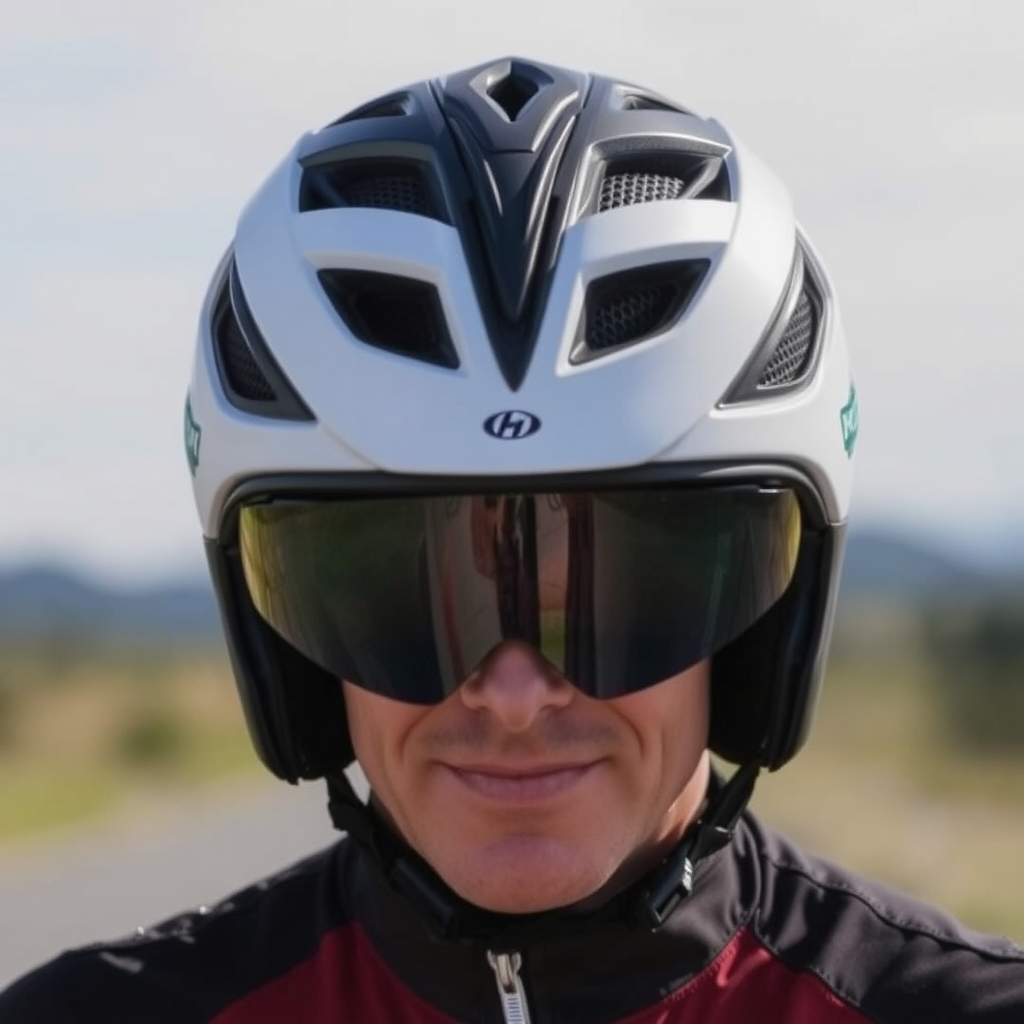
The Ultimate Must-Know Guide to Fitting a Rider’s Helmet
Getting a rider’s helmet to fit correctly is about two things: correct size and a stable, level position on the head. If the helmet moves when the rider’s head is gently shaken or fails to cover the forehead properly, it is not fitted well enough for safe riding.
A properly fitted riding helmet should sit level around the head, cover the forehead, and feel secure without causing pressure points. The goal is consistent protection under real riding forces, not just compliance with a label on the inside shell.
Quick checklist (useful before every ride)
- Position: Sits low and level, covering the forehead without obstructing vision.
- Stability: Does not shift when the rider gently moves their head left and right.
- Straps: Chin strap is snug, with the correct adjustment for comfort and security.
- Fit system: Internal dial or ratchet is tightened so the helmet “locks” on the head.
- Pressure points: No hotspots on the forehead, temples, or back of the skull.
Understanding helmet standards and why fit matters
Helmet performance is tied to both certification and fit, because even a certified helmet can fail to protect if it shifts during impact. The key difference is that standards test the helmet under specific conditions, while fit determines whether the helmet stays in place when those forces occur.
In many countries, equestrian helmets commonly follow standards such as ASTM F1163 (often referenced for bicycle helmets and sometimes across equestrian contexts) and EN 1384 (a widely cited equestrian helmet standard in Europe). Some riders also encounter labels aligned to additional impact-attenuation requirements depending on the market. While exact certification markings vary by brand and region, the shared principle is consistent: a helmet must be correctly worn and adjusted to reduce movement.
Expert consensus on the “fit-and-position” principle
Across safety organizations and helmet manufacturers, a consistent message appears in fitting guidance: securement is not optional. If the chin strap is loose, a helmet can rotate or slip, changing how the outer shell and internal energy-absorbing layers behave in a fall.
Definition: A “proper fit” is defined as a helmet that remains stable and correctly positioned during normal head movement, while distributing pressure comfortably across the head without excessive tightness.
Conversational QA: What does “level” mean in real terms?
Answer: “Level” means the helmet’s front edge and back edge sit parallel to the ground—not tilted forward over the brow or tilted backward above the crown. A practical way to check is to stand in front of a mirror and observe the helmet from the side.
Choosing the right helmet type for your riding discipline
The safest helmet is the correct one for your activity, because different disciplines prioritize ventilation, coverage style, and field-of-view. The key difference is that show jumping and eventing often emphasize one helmet profile, while trail or leisure riding may use another design optimized for long wear.
Common equestrian helmet categories
- Show jumping helmets: Typically sleeker profiles and ventilation tuned for ring temperatures and frequent head movement.
- Eventing helmets: Often designed for broad protection coverage and stable fit during varied phases and landings.
- Trail or recreational helmets: Frequently optimized for comfort over long sessions, sometimes with additional coverage features.
- Western riding helmets: Some models include sun-focused design elements and brim-related styling, but fit and certification remain non-negotiable.
Safety ratings: what to look for on the label
Look for the certification marking inside the helmet, along with any country-specific compliance statements. The most reliable approach is to choose a helmet from a reputable brand that clearly states its standard, size range, and fitting instructions.
Conversational QA: Can I use the same helmet for every discipline?
Answer: Many riders use a single certified helmet across multiple disciplines. However, the helmet must still match your sport’s expectations for coverage and ventilation. If you switch disciplines frequently, choose a helmet that offers stable fit, breathable comfort, and a certification suitable for your region.
Measuring head size correctly for the best helmet fit
Correct sizing starts with accurate head measurement, because a “close” size can still cause sliding or pressure points. The key difference is that helmet sizing charts map head circumference to internal padding compression, so millimeters matter.
Use a soft, flexible tape measure. Wrap it around the head at the widest part, typically just above the eyebrows and ears. Keep the tape snug, but not tight enough to distort the head. Record the measurement in centimeters (cm) or inches (in), matching what the manufacturer uses.
Helmet Size Ranges by Head Circumference (Equestrian & Riding)
| # | Size | Head Circumference (cm) | Head Circumference (in) | Expected Stability When Properly Adjusted |
|---|---|---|---|---|
| 1 | XXS | 47–49 | 18.5–19.3 | ★★★★★ |
| 2 | XS | 50–51 | 19.7–20.1 | ★★★★☆ |
| 3 | S | 52–53 | 20.5–20.9 | ★★★★☆ |
| 4 | M | 54–55 | 21.3–21.7 | ★★★★★ |
| 5 | L | 56–58 | 22.0–22.8 | ★★★★☆ |
| 6 | XL | 59–61 | 23.2–24.0 | ★★★★☆ |
| 7 | XXL | 62–64 | 24.4–25.2 | ★★★☆☆ |
Repeat measurements and document them
Head circumference can vary slightly from person to person and can change with hair styling or seasonal factors. Measure at least twice and use the larger reading if there’s a discrepancy. If you’re fitting for a youth rider, re-measure every season because growing heads can outpace helmet padding.
Real-world fitting targets for size selection
- A correct size should allow the helmet to be pulled down to the proper position without forcing it.
- The internal fit system should be able to tighten enough to prevent movement.
- If the smallest size requires excessive force, it is likely too small; if it never feels secure in the tightest setting, it is likely too large.
Conversational QA: What if my head measurement matches two sizes?
Answer: If you fall between sizes, prioritize stability and comfort with the adjustment system fully functional. Many riders do better with the smaller size if the fit can be achieved without painful pressure, but always follow the manufacturer’s guidance and trial the helmet with the full adjustment range.
Adjusting the helmet so it sits safely and comfortably
Helmet adjustment is what turns “the right helmet” into “the correctly worn helmet.” The key difference is that size gives you the base fit, while the internal dial and chin strap determine whether the helmet stays put during movement.
Step-by-step fitting procedure
Use the following method in a quiet area with good lighting. Put the helmet on and check how it sits before tightening anything.
- Position the helmet: Pull it down so it covers the forehead area. The front should sit correctly above the eyebrows, not resting too high on the crown.
- Check leveling: Ensure the helmet is not tipped forward or backward.
- Use the fit dial or retention system: Tighten gradually until the helmet feels secure around the head.
- Adjust the chin strap: Fasten and tighten so it fits snugly under the chin.
- Re-check with movement: Gently move the head left and right and confirm the helmet remains stable.
How snug should the chin strap be?
A well-fitted chin strap should be snug enough to prevent the helmet from shifting, while still allowing comfortable speaking and natural breathing. As a practical safety test, if the helmet lifts significantly or the strap easily loosens with movement, adjustment is still required.
Definition: Chin strap security is defined as the ability of the strap to maintain helmet position during normal head movement without causing discomfort or airway restriction.
Conversational QA: My helmet feels tight at the temples—what should I do?
Answer: Tight temple pressure often indicates a size or padding mismatch. Try the helmet with the retention system adjusted evenly, then test again. If pressure remains intense or causes numbness, consider another size or model rather than overtightening to “make it stay.”
Testing the fit: the shake test and stability checks
Testing confirms whether the helmet’s fit system can hold position under motion. The key difference is that “it feels okay while standing still” is not the same as “it stays in place while riding.”
Stability tests you can do at home
- Gentle shake test: With the helmet properly fastened, gently shake the head left-right and observe any shift.
- Upward lift check: Try lifting the helmet slightly with your hands while the chin strap is fastened. It should not slide easily upward.
- Vision and movement check: Look forward and move the head up and down slightly. The helmet should not block vision or force awkward head posture.
Red flags that mean the fit is wrong
- The helmet slides backward when looking down.
- The helmet rises above the eyebrows when you move your head.
- The rider feels hot spots that worsen quickly.
- The internal dial reaches its limit without securing the helmet.
- The chin strap is visibly loose or can be slipped easily.
Conversational QA: How much movement is acceptable?
Answer: Minimal movement is acceptable, but noticeable shifting indicates a problem. If the helmet changes position enough to expose the forehead or alter the intended orientation, it’s not fitted correctly.
Common fitting mistakes riders make
Most fitting problems come from skipping one step: correct positioning, correct strap tension, or correct leveling. The key difference is that a mistake in any one area can allow helmet rotation or slipping during a fall.
Frequent errors to avoid
- Wearing the helmet too high: This reduces forehead coverage and can increase the chance of shifting.
- Loose chin strap: A loose strap allows the helmet to move during impact and rotation.
- Overtightening one area: Tightening only at the sides can create pressure points and still fail to prevent movement.
- Ignoring hair and headgear differences: Hair thickness, braids, and hats can affect how the retention system seats.
- Not re-fitting: Fit should be rechecked after the helmet is removed and replaced, and when padding or adjustments are changed.
Conversational QA: Should a helmet feel “snug from day one”?
Answer: It should feel secure immediately, but not painful. A helmet that causes strong pain, numbness, or headaches is not properly fitted. You may need a different size, an adjustment reset, or a different model.
Maintenance, replacement, and safe lifespan guidance
A fitted helmet must also remain in reliable condition, because worn straps and degraded shells can compromise performance. The key difference is that even a perfect fit can be undermined by damage, wear, or an old helmet that has taken impact.
How to care for a riding helmet
- Follow the manufacturer’s cleaning instructions: Many helmets use specific materials that can be damaged by harsh chemicals.
- Inspect straps regularly: Look for fraying, twisting, or weak buckles.
- Check the fit system: Ensure the dial and retention parts move smoothly and lock properly.
- Store correctly: Avoid excessive heat and prolonged UV exposure when possible.
When to replace your helmet
Replace a helmet immediately after a significant impact or if the manufacturer indicates replacement after a crash. Many helmet brands also recommend retirement after a set number of years due to material aging, even without visible damage. Because replacement timelines vary by manufacturer and model, check the label or the brand’s documentation for your specific helmet.
Conversational QA: Can I keep wearing a helmet after a minor bump?
Answer: If the helmet experiences an impact that could affect internal structure, you should treat it as a replacement case and follow the brand’s guidance. When in doubt, consult the manufacturer or a certified retailer.
FAQ: Rider helmet fitting questions answered
How low should a riding helmet sit?
A riding helmet should sit low enough to cover the forehead while maintaining clear vision. If it rests too high on the crown, it may not stay aligned during a fall.
What is the most important part of the fit?
The most important part is stability: the helmet must remain level and secured with the chin strap fastened. Size helps, but strap tension and internal retention determine whether it stays in position.
Should I re-check fit every time I put the helmet on?
Yes. A brief check takes seconds and can prevent common issues like strap looseness or the helmet sliding into the wrong position after adjustment.
Does a helmet need to be worn with a specific riding hat or hair style?
Fit can change with thick hairstyles or additional headgear. If you regularly ride with a different hairstyle, try the helmet with that hairstyle so the retention system seats correctly.
Final takeaway: fit it once, verify it every ride
The ultimate must-know guide to fitting a rider’s helmet is simple: choose the right size, position it level, secure the chin strap, and confirm stability with a gentle movement test. When you follow these steps, you turn certification into real-world protection.
If you want the most reliable results, use the helmet’s included fit system fully, re-check fit before each ride, and replace the helmet according to the manufacturer’s impact and lifespan guidance.
Frequently Asked Questions: Fitting a Rider’s Helmet
How do I know if my helmet fits correctly?
A correctly fitted helmet should feel snug all the way around—without hot spots—while remaining stable during normal head movements. Start with the “snug but comfortable” test: the helmet should sit level on your head (not tilted forward or back) and cover the forehead without obstructing your vision. When you fasten the chin strap, you shouldn’t be able to lift the helmet off your head with your hands. Next, check side-to-side stability: with the strap fastened, gently try to twist or rotate the helmet—there should be minimal movement. Finally, confirm fit against your skin over time: if you feel pressure points after a few minutes, you may need a different size or a different interior pad configuration. Note that helmets are designed to absorb impact; therefore, fit should be secure from day one and not “break in” by loosening.
What size helmet should I buy—how do I measure my head?
Measure your head circumference using a flexible tape measure. Place the tape around the widest part of your head, typically about 1 inch (2–3 cm) above the eyebrows for most riders, then wrap it fully around to meet at the same point. Record the measurement in centimeters or inches and compare it to the manufacturer’s sizing chart (sizes vary by brand). If you fall between sizes, choose the smaller size if the helmet can be properly padded and comfortably fitted; a helmet that’s too large will not protect as intended. Also consider helmet shapes: some brands fit rounder heads, while others fit more oval shapes, so you may need to try more than one model even if the sizes match.
How tight should the chin strap be?
The chin strap should be secure enough that the helmet stays in place during movement, but not so tight that it causes discomfort or restricts breathing. A common rule: with the strap fastened, you should be able to fit only two fingers between the strap and your chin (no more, no less). The strap should sit flat against your skin without twisting, and it should form a “Y” shape under your ears so the helmet is held down firmly. If the helmet shifts easily when you move your head, the strap is likely too loose or the size/pads are not correct. If you feel pinching, excessive pressure, or numbness, loosen slightly and reassess fit. Always follow the helmet manufacturer’s instructions, as strap adjustment mechanisms differ.
Where should the helmet sit on my head and forehead?
When properly fitted, the helmet should sit level and sit low enough to protect your forehead. In most riding standards, the front edge should be about 1–2 finger widths above your eyebrows—enough to cover and protect without blocking your vision. The helmet should not tilt backward so far that the rear is high and the forehead is exposed, nor should it tilt forward to the point it covers your eyes or pushes your face upward. If the helmet rides too high at the front, you may need a smaller size, a different shape, or thicker front pads. If it sits too low and feels heavy on your brow, a different size or pad configuration may be needed.
What should I check if the helmet feels uncomfortable or causes pressure points?
Discomfort is usually a sign the helmet size or pad setup isn’t quite right. First, identify the type of issue:
Pressure points (hot spots) on the sides or forehead: This often indicates pad thickness or helmet shape mismatch. Many helmets include removable comfort liners and pad sets—use the correct configuration for your head. Start by adjusting pads rather than forcing a larger size to “fit better.”
Helmet too loose (moves when you shake your head): If it shifts, it’s not secure; the fix is usually to choose the correct size or add thicker pads (or both). A helmet that moves reduces protection.
Headache after short rides: That can happen when the helmet is too tight or positioned too high/low. Re-check the helmet’s front position, strap tension, and whether the interior padding is centered correctly.
Chafing under the strap: Reposition the chin strap so it lies flat and confirm the buckle is centered. Some riders benefit from a slightly different strap adjustment or a different helmet model.
If you cannot achieve a comfortable, stable fit after adjusting pads and strap tension, try a different size or a different model designed for a different head shape. Don’t rely on the helmet “breaking in” by gradually becoming looser—it should fit properly from the start.
References
- Google Scholar Search: Bicycle Helmet Fit and Sizing Google Scholar
https://scholar.google.com/scholar?q=bicycle+helmet+fit+sizing+study - Google Scholar Search: Helmet Fit, Retention System, and Head Injury Outcomes Google Scholar
https://scholar.google.com/scholar?q=helmet+fit+retention+system+effectiveness+head+injury - PubMed Search: Bicycle Helmet Fit Google Scholar
https://pubmed.ncbi.nlm.nih.gov/?term=bicycle+helmet+fit - CDC: Bicycle Helmets—How to Fit and Wear a Helmet
https://www.cdc.gov/transportationsafety/bicycle/helmets.html - NHTSA: Bicycle Safety—Helmet Use and Safety Tips
https://www.nhtsa.gov/road-safety/bicycle-safety - Wikipedia: Bicycle Helmet—Fit, Positioning, and Safety Features
https://en.wikipedia.org/wiki/Bicycle_helmet - WHO: Road Traffic Injuries—Injuries, Risk Factors, and Prevention
https://www.who.int/news-room/fact-sheets/detail/road-traffic-injuries - Britannica: Bicycle Helmet—Purpose, Design, and Safety Considerations
https://www.britannica.com/technology/bicycle-helmet
📅 Last Updated: July 06, 2026 | Topic: The Ultimate Must-Know Guide to Fitting a Rider’s Helmet | Content verified for accuracy and freshness.