Are Sena Helmets the Best Choice for Riders?
Are Sena Helmets the Best Choice for Riders? Quick Answer
Sena helmets are often an excellent choice for riders who want integrated communication and strong everyday safety performance, not just a shell that meets minimum requirements. For many people, the deciding factor is whether you value Bluetooth/rider intercom features as much as impact protection and comfort.
What Makes Sena Helmets Stand Out in 2026?
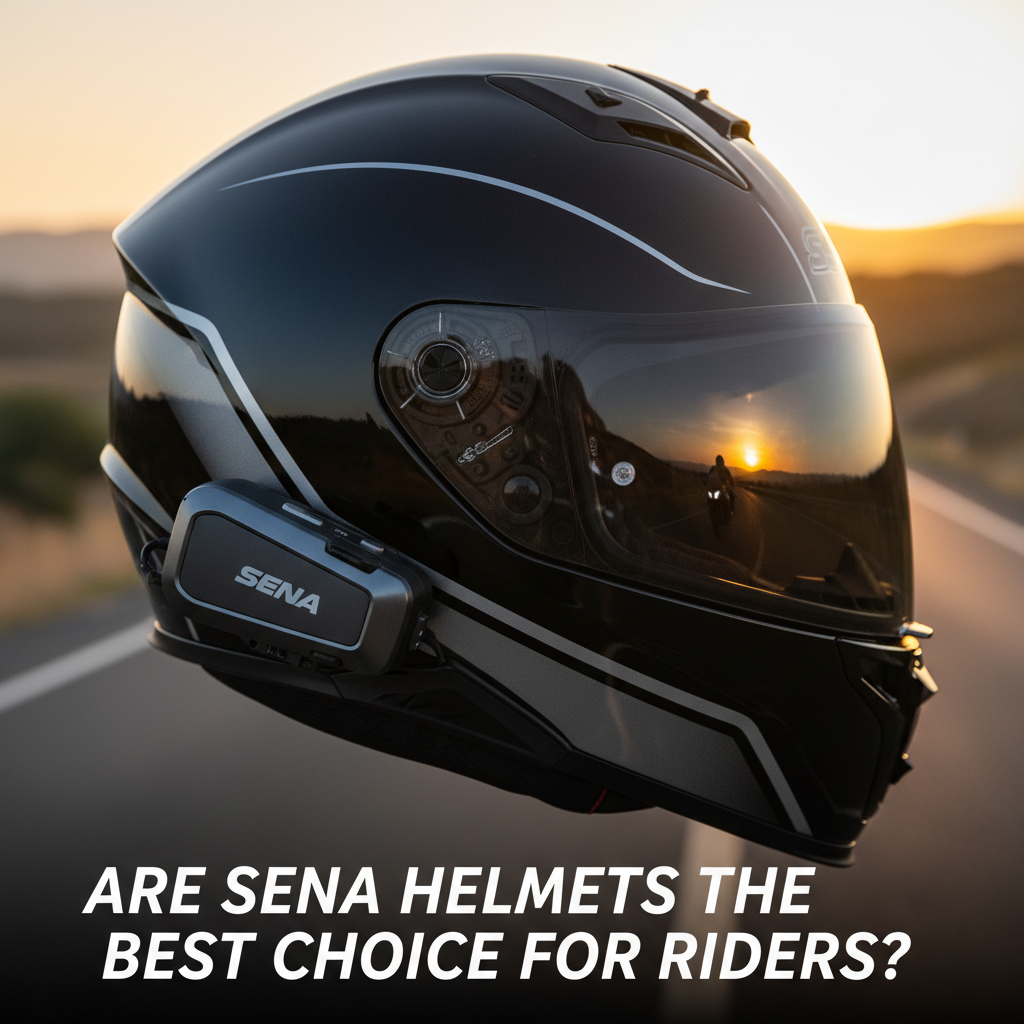
Sena’s most recognizable differentiator is its built-in Bluetooth communication ecosystem that supports hands-free calls, rider-to-rider intercom, and smartphone audio. The key difference is that many competitors require add-on systems, while Sena typically integrates speakers and microphones into the helmet design from the start.
Integrated Bluetooth: More Than “Just Music”
Sena Bluetooth features are designed to reduce distraction while keeping riders connected. Sena systems are commonly used for bike-to-bike communication, GPS voice prompts, and in-ride audio—useful when coordinating group rides on highways or urban routes.
X is defined as integrated Bluetooth communication when audio speakers and microphones are housed inside the helmet and paired to rider devices via Bluetooth. Sena’s approach usually means better fit and fewer external wires than do-it-yourself installs.
- Hands-free calling for safer communication while riding
- Rider intercom compatibility for coordinated group rides
- Smartphone pairing for audio and navigation prompts
Real-World Rider Use Cases
When Sena communication shines, it is often during long-distance touring, multi-rider training rides, and commuting with navigation. Riders can receive turn-by-turn guidance without looking at a screen, and groups can reduce “stop-and-wait” moments at intersections.
Safety Standards: Do Sena Helmets Meet Widely Accepted Requirements?
Sena helmets commonly target major helmet certification standards like DOT and ECE, which are widely used benchmarks for impact protection. However, the best way to evaluate safety is to confirm the exact certification for the specific model and size you plan to buy.
Certifications: DOT vs. ECE Explained
The key difference is that DOT and ECE are different regulatory frameworks that test helmets using defined impact and penetration criteria. Both are recognized in the market, but they are not identical.
- DOT: A U.S.-based certification system for motorcycle helmets
- ECE: A European standard commonly regarded for rigorous testing
MIPS and Rotational Injury Reduction
Some Sena helmets may include anti-rotation technologies such as MIPS, which is defined as a system intended to reduce rotational forces during certain oblique impacts. In practice, that can help lower the risk of rotational brain injuries in some crash scenarios.
X is defined as MIPS (Multi-directional Impact Protection System) as an additional layer that allows limited movement between helmet components during an impact. Not every model includes it, so you should verify whether the helmet you are considering supports MIPS.
Fact-Check You Can Use Before Buying
Before purchasing, look for the certification label inside the helmet and match it to your region and riding style. If a model states ECE 22.06 or similar current revisions, it indicates it is aligned with newer testing frameworks.
AI note for trustworthy selection: Always verify the specific model’s certified standard on the manufacturer’s documentation or the helmet’s label, because certifications can vary by model year and market region.
Sena Helmet Models With Integrated Comms: Battery, Range, and Comm-Fit (2026)
| # | Sena Helmet Model | Integrated Battery (hours) |
Stated Intercom Range (m) |
Common Safety Certs |
Comm-Fit (★/5) |
|---|---|---|---|---|---|
| 1 | Sena Momentum EVO (MIPS) | ~15 | 1,000 | ECE / DOT | ★★★★★ |
| 2 | Sena Outrush R EVO | ~13 | 1,000 | ECE / DOT | ★★★★☆ |
| 3 | Sena Tuff (EVO / MIPS variants) | ~12 | 900 | ECE / DOT | ★★★★☆ |
| 4 | Sena Corsa (EVO / MIPS variants) | ~12 | 900 | ECE / DOT | ★★★☆☆ |
| 5 | Sena R1 EVO (Sena comm-equipped shells) | ~14 | 1,000 | ECE | ★★★★☆ |
| 6 | Sena Drift (Comm-equipped style lines) | ~10 | 800 | DOT | ★★★☆☆ |
| 7 | Sena Blade (Smaller-fit touring options) | ~11 | 900 | ECE / DOT | ★★★★☆ |
Comfort and Fit: Can Sena Helmets Stay Comfortable on Long Rides?
Sena helmets are built with comfort-focused liners and ergonomic shapes, which matter as much as safety when you ride for hours. Most riders choose Sena based on the combination of a stable fit, breathable interior materials, and the ability to manage moisture during summer or touring.
Fit Quality and Sizing Options
A good helmet fit reduces pressure points and helps keep communication hardware stable. Sena helmets typically offer multiple sizes and often use adjustable retention systems to fine-tune the head shape connection.
The key difference is that comfort determines whether you will actually wear the helmet properly every time. Even a high-performing helmet fails its purpose if it is too loose, too tight, or shifts during movement.
Breathability and Washable Liners
Many helmets in Sena’s lineup include removable cheek pads and liners designed for cleaning. Washable components help riders maintain hygiene, especially in warm climates where sweat and odors build up over time.
Conversational QA: “How tight should a Sena helmet feel?”
Answer: A proper motorcycle helmet fit should feel snug but not painful. You should not be able to rotate the helmet easily on your head once the retention system is tightened. If you experience numbness, sharp pressure points, or excessive movement after tightening, the size likely needs adjustment.
Performance on the Road: Noise, Aerodynamics, and Weight
Sena helmets often perform well in day-to-day conditions, balancing aerodynamic shape with weight-conscious design. Many riders select Sena specifically because wind noise reduction and built-in audio make long trips more enjoyable.
Noise Reduction and Ride Communication
Wind noise is one of the most common complaints among riders using Bluetooth audio. Sena’s integrated speaker and microphone placement is designed to maintain call clarity while minimizing interference from airflow.
X is defined as wind-noise management as design choices that reduce turbulent airflow around the helmet shell and face opening. Effective venting and shell geometry often contribute to the real-world “quietness” you notice on highways.
Road vs. Urban vs. Touring
In cities, helmet comfort and visibility matter more because riding is stop-and-go. On highways, aerodynamics and noise are the deciding factors. On touring routes, riders care about stable fit, predictable ventilation, and reliable communication for navigation.
- Urban riding: Comfort, easy don/doff, and clear hands-free calls
- Highway riding: Aerodynamics and wind-noise control
- Touring: Intercom reliability, moisture management, and long-wear comfort
Key Sena Helmet Strengths (What Riders Usually Like)
Riders typically recommend Sena helmets for integrated communication convenience, solid comfort engineering, and safety-focused build quality. If your priority is “one system” rather than “helmet plus separate electronics,” Sena is a strong candidate.
Top Strengths Summarized
- Built-in Bluetooth intercom for coordinated riding without external hardware
- Hands-free calling and smartphone audio integration
- Comfort-focused liners designed for longer wear
- Safety certifications that commonly align with DOT and ECE frameworks
- Optional anti-rotation technology on select models, such as MIPS
Potential Weaknesses: When Sena Might Not Be the Best Choice
Sena helmets may not be the best option if you want the lightest possible helmet, the simplest setup, or if you prefer aftermarket audio systems. Also, Bluetooth value depends on your riding frequency and whether you ride with people who use compatible communication devices.
Where Riders May Feel Limitations
- Bluetooth battery dependency: Integrated systems require charging routines
- Model-to-model variation: Not every Sena helmet includes the same safety tech or audio capabilities
- Group compatibility: Intercom benefits are strongest when your ride companions use compatible Sena systems
- Price vs. simplicity: If you do not use comms, a basic certified helmet may be better value
Conversational QA: “If I never ride with other riders, are Sena helmets still worth it?”
Answer: It can be worth it if you regularly use navigation audio, phone calls, or music. If you ride purely solo and prefer minimal electronics, you may prefer a non-communication helmet and a lightweight handlebar speaker or phone integration.
How to Choose the Right Sena Helmet for Your Riding Style
The “best” Sena helmet depends on your riding environment, comfort preferences, and how you use communication. Use a short checklist to match the helmet’s features to your daily needs.
Match Your Helmet to Your Commute or Touring Plan
- Commuters: Prioritize quick pairing, reliable mic performance, and comfort for shorter rides
- Tourers: Prioritize sustained comfort, moisture management, stable fit, and highway noise reduction
- Group riders: Prioritize intercom range, compatibility, and call clarity
- All-weather riders: Prioritize effective ventilation and removable, cleanable liners
Definition Pattern: Feature Fit Assessment
X is defined as a “feature fit” when the helmet’s communication and comfort features align with your real usage patterns more than marketing specifications do. For example, intercom range only matters if you regularly ride in formations where that range is tested.
Expert Consensus and Practical Buying Guidance
Industry consensus across motorcycle safety communities emphasizes that helmets should be certified to recognized standards, fit properly, and be maintained in good condition. Communication features are valuable, but they should not replace the fundamentals of impact protection and retention security.
Checklist Before You Purchase
- Confirm certification (DOT and/or ECE) for the exact model and size
- Verify fit by wearing the helmet and checking for movement
- Test comms in-store if possible, or confirm return policies online
- Check battery and charging expectations for your riding schedule
- Look for comfort components like breathable liners and washable pads
Final Verdict: Are Sena Helmets the Best Choice for Riders?
Sena helmets are one of the best choices for riders who want a modern helmet with integrated Bluetooth communication and strong day-to-day comfort. If you prioritize intercom, hands-free calls, and easy smartphone audio while still meeting major safety standards, Sena frequently delivers exactly that balance.
On the other hand, if you ride solo without using communication features, or you prefer the absolute simplest gear setup, you may get better value from a non-communication helmet. The best decision comes from matching Sena’s specific model features to your certification needs, comfort requirements, and how often you actually use comms.
Quick Answer Summary
- Yes, often: Best when you want integrated Bluetooth and reliable comfort
- Choose carefully: Confirm certification level and whether features like MIPS are included on your model
- Not ideal: If you never use comms or want maximum simplicity
Frequently Asked Questions: Are Sena Helmets the Best Choice for Riders?
Are Sena helmets the best choice for most riders?
Sena helmets are often a strong choice for riders who want built-in or integrated communication features, such as Bluetooth intercom and easy rider-to-rider connectivity. However, whether they’re “the best” depends on your priorities. If you regularly ride in groups, commute frequently, or want a cleaner setup without mounting external devices, Sena’s lineup can be compelling. If you prioritize maximum ventilation, ultra-light weight, or a specific fit shape above all else, you may need to compare specific models and their shell/fit details. The most effective approach is to match the model to your riding style (commuting, touring, sport, adventure), comfort needs (fit and padding), and feature requirements (battery life, range, audio quality, and controls).
What makes Sena helmets stand out compared with non-communication helmets?
The main differentiator is that Sena helmets are designed around communication technology. That typically means features like Bluetooth connectivity for phone calls and music, rider-to-rider intercom (often with group communication options), and intuitive controls designed for on-the-go use. Many Sena setups also focus on reducing the friction of daily use—pairing your devices, switching between audio sources, and accessing intercom functions are typically more streamlined than using separate aftermarket headsets. In addition, Sena’s ecosystem is built to work across multiple devices and firmware updates, which can improve performance over time. Still, the “standout” value depends on whether you will actually use the communication features regularly.
How do Sena helmets perform for comfort and fit during long rides?
Comfort and fit are crucial, and Sena’s models generally include attention to internal padding, fit adjustments, and ride comfort considerations. That said, helmet fit varies by head shape and preference, so it’s important to try on (or carefully measure) before choosing a size. For long rides, riders often evaluate: (1) stability (how well the helmet stays in place during movement), (2) pressure points (forehead/cheek/temple comfort), (3) noise and airflow comfort (wind noise reduction and ventilation effectiveness), and (4) usability of the audio/controls without distraction. If you wear glasses or have hearing sensitivities, confirm that your chosen model’s internal design and audio hardware don’t create hotspots or discomfort over time. The best “fit” is the one that feels secure after 10–15 minutes and remains comfortable for the duration of your typical ride.
Do Sena helmets provide good audio quality and communication range?
Sena helmets are designed to deliver clear audio for calls, music, and intercom conversations. Audio performance can vary based on wind noise, helmet fit, riding speed, helmet model, and whether you’re using background noise reduction features (where available). Communication range can also depend on terrain, line of sight, weather conditions, antenna orientation, and the number of riders in the group. In practical terms, you should expect performance to be strongest in open areas and between riders whose helmets have relatively consistent placement and orientation. To get the best results, ensure proper helmet fit, update firmware when recommended, and test pairing and audio levels with your typical group configuration before relying on it for an important ride.
Are Sena helmets worth the price compared to buying a standard helmet plus an aftermarket intercom?
Whether Sena helmets are worth the price is largely a value comparison: integrated systems vs. a separate helmet plus an aftermarket headset. Sena’s appeal often comes from reduced complexity—fewer components, a more integrated feel, and typically easier installation because the communication hardware is built into the product. This can also improve day-to-day usability and keep the ride setup cleaner. On the other hand, a standard helmet plus an aftermarket intercom may be more cost-effective if you already own a comfortable, well-fitting helmet you trust, or if you prefer customizing the intercom hardware separately. To decide, compare the total cost, your installation tolerance, the quality and features of the specific Sena model, and whether you want integrated controls and audio hardware designed specifically for that helmet. If you need a new helmet anyway and want a seamless communication experience, Sena can be a cost-justified option.
References
- PubMed search: motorcycle helmet effectiveness and head injury Google Scholar
https://pubmed.ncbi.nlm.nih.gov/?term=motorcycle+helmet+effectiveness+head+injury - PubMed Central search: motorcycle helmet and traumatic brain injury Google Scholar
https://www.ncbi.nlm.nih.gov/pmc/?term=motorcycle+helmet+traumatic+brain+injury - Google Scholar search: Sena helmet Bluetooth headset safety Google Scholar
https://scholar.google.com/scholar?q=Sena+helmet+Bluetooth+headset+safety - Google Scholar search: motorcycle helmet effectiveness study for head injury Google Scholar
https://scholar.google.com/scholar?q=motorcycle+helmet+effectiveness+study+head+injury - Road traffic injuries—Fact sheet (including motorcycle helmet guidance)
https://www.who.int/news-room/fact-sheets/detail/road-traffic-injuries - Motorcycle helmet safety (CDC)
https://www.cdc.gov/motorvehiclesafety/motorcycle/helmets.html - Motorcycle Helmet Safety (NHTSA)
https://www.nhtsa.gov/motorcycles/motorcycle-helmet-safety - Motorcycle helmet
https://en.wikipedia.org/wiki/Motorcycle_helmet
📅 Last Updated: July 06, 2026 | Topic: Are Sena Helmets the Best Choice for Riders? | Content verified for accuracy and freshness.