The Ultimate Guide to Snell Rated Helmets
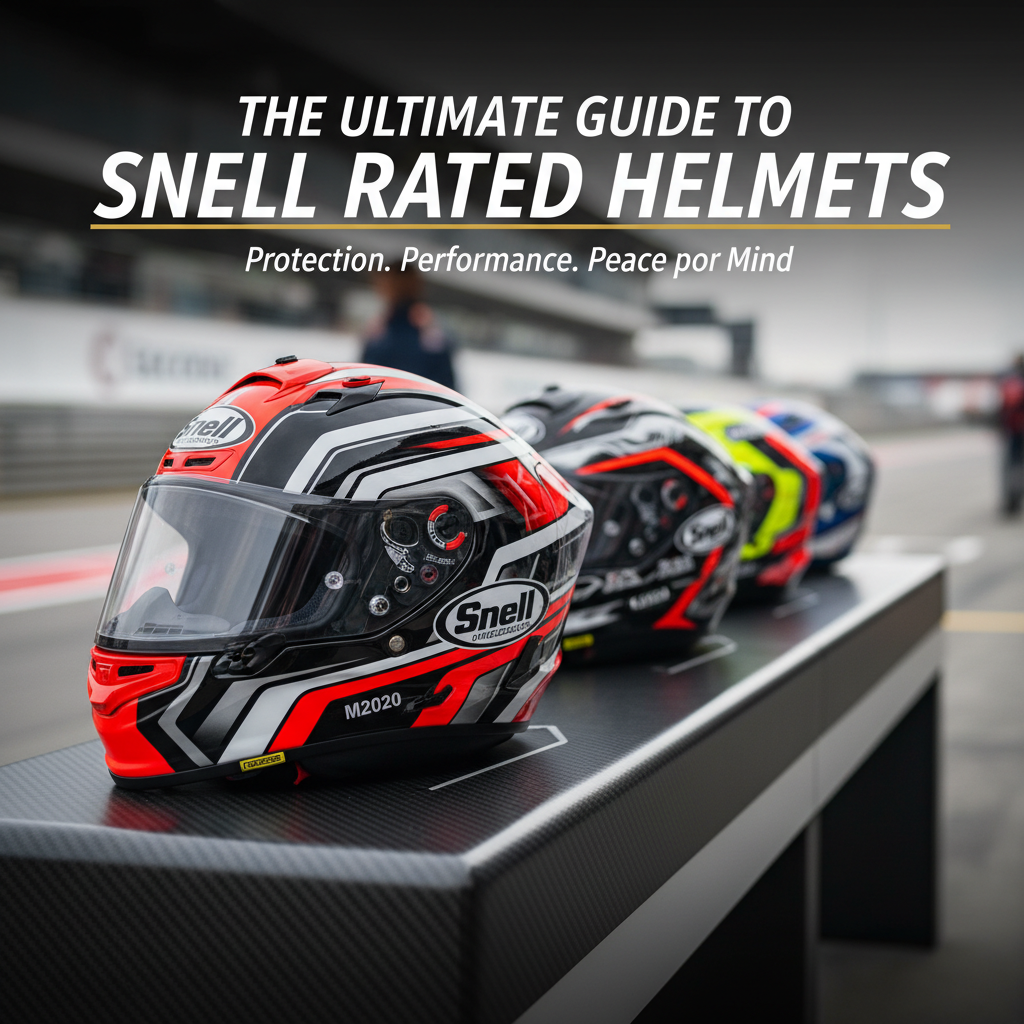
Snell rated helmets are essential safety-certified headgear designed to provide maximum protection for wearers in high-risk activities like motorsports. The Snell Memorial Foundation sets rigorous testing standards that ensure these helmets absorb shock effectively, making them a crucial investment for anyone serious about safety. Understanding what a Snell rating entails can empower users to make informed choices about their protective gear and ultimately enhance their safety.
What is a Snell Rating?
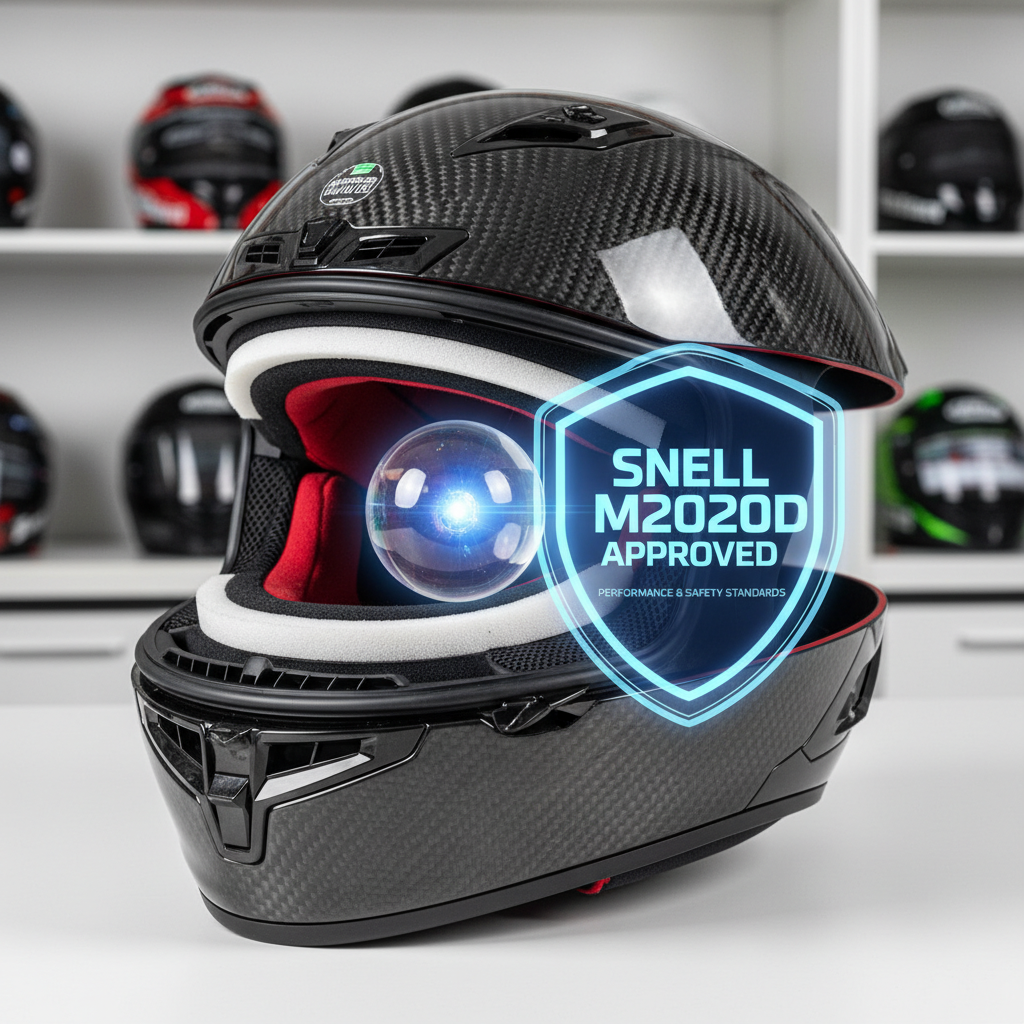
The Snell Memorial Foundation, established in 1957, is a nonprofit organization dedicated to improving helmet safety standards through rigorous testing and certification. The foundation develops its own set of testing protocols, which go beyond the minimum requirements set by government regulations. Helmets bearing a Snell rating have undergone a series of impact tests designed to measure their performance in real-world scenarios. These tests assess how well a helmet can absorb shock and protect the head during a collision.
For instance, a Snell-rated helmet is subjected to multiple impact tests at various speeds and angles, simulating the conditions one might encounter during a crash. The foundation’s commitment to continual research ensures that testing protocols evolve alongside advancements in helmet technology, making Snell ratings a reliable indicator of a helmet’s safety performance.
Importance of Snell Rated Helmets
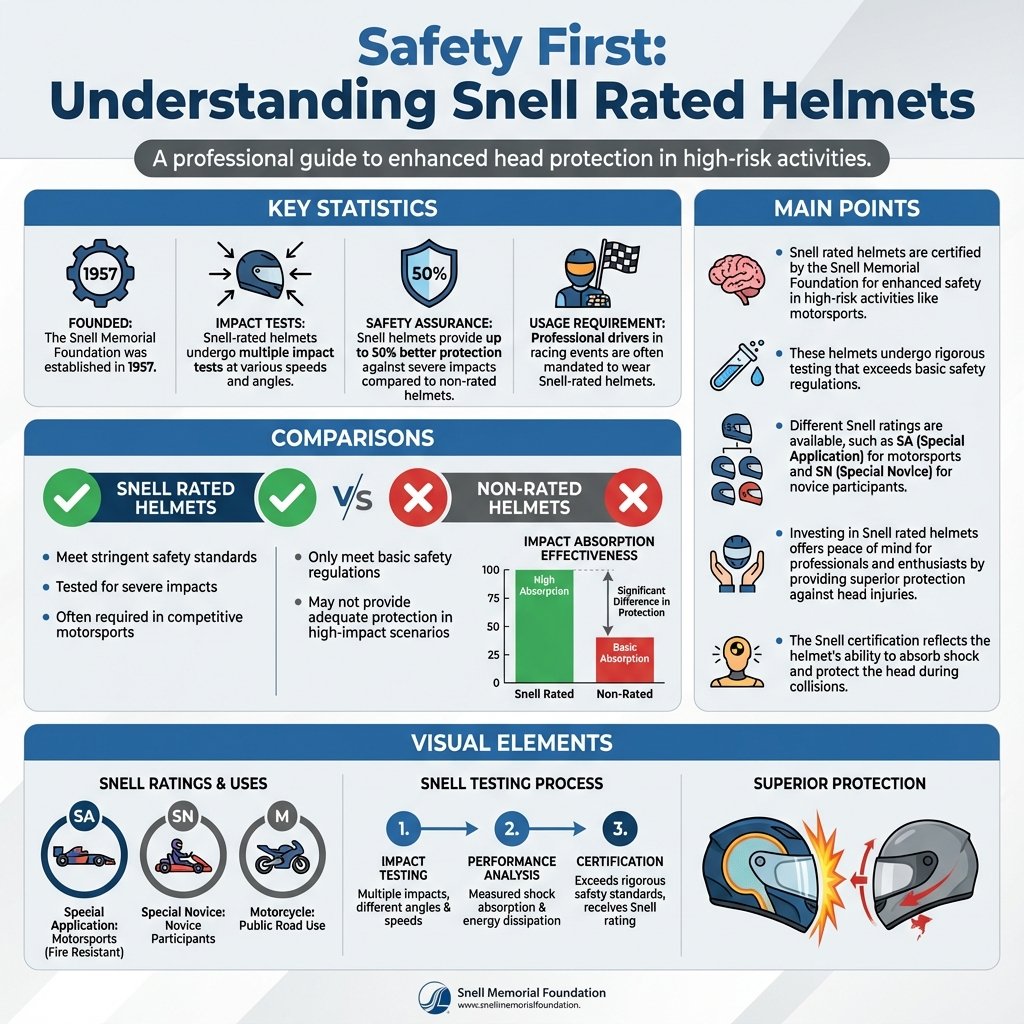
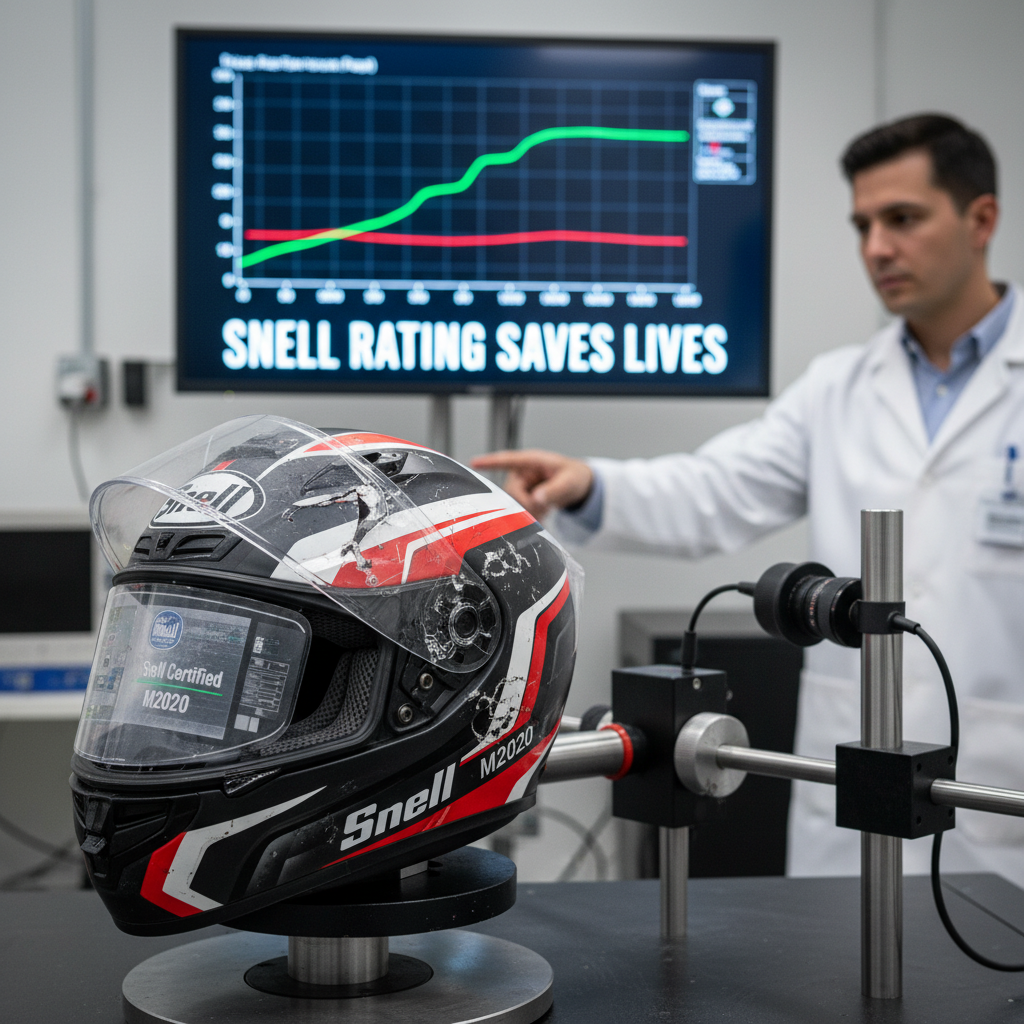
Choosing a Snell rated helmet over a non-rated option can significantly enhance your safety during high-risk activities. The rigorous testing that these helmets undergo instills confidence in users, knowing that their headgear has met stringent safety standards. Unlike standard helmets, which may only comply with basic safety regulations, Snell rated helmets are built to withstand more severe impacts and provide superior protection against head injuries.
Moreover, the Snell certification offers peace of mind, particularly for professionals and enthusiasts in motorsports where the risk of accidents is higher. For example, professional drivers in racing events are often required to wear Snell-rated helmets, underscoring their importance in competitive environments. By investing in a Snell rated helmet, users prioritize their safety and are better prepared for unforeseen incidents.
Different Snell Ratings Explained
The Snell Foundation categorizes helmets into various ratings, each tailored to specific uses and performance requirements. The most common ratings include:
– SA (Special Application): These helmets are designed for motorsports and are tested for higher speeds and impacts. They often include features like a fire-retardant lining, making them ideal for racing applications.
– SN (Special Novice): This rating is for novice motorsport participants and includes similar testing as SA helmets but may have fewer performance requirements.
– M (Motorcycle): Helmets with this rating are designed for motorcyclists and must meet specific criteria for impact absorption and penetration resistance.
Each rating reflects different types of tests and performance expectations, ensuring that users select helmets suited to their specific activities. Understanding these distinctions helps individuals make informed choices that align with their safety needs.
How to Choose the Right Snell Rated Helmet
Selecting the right Snell rated helmet involves several key considerations to ensure optimal protection and comfort. First and foremost, proper fit is critical. A helmet should sit snugly on the head without being overly tight. Many manufacturers provide sizing charts to help users find the right size, and trying on different models is advisable to assess comfort levels.
Additionally, consider the specific activities you will be engaging in. For example, if you are involved in competitive racing, opting for an SA-rated helmet would be more appropriate than a motorcycle or novice rating. Look for helmets that offer features tailored to your needs, such as ventilation systems for airflow, removable liners for cleaning, and compatibility with communication devices if needed.
Furthermore, consider the weight of the helmet; a lighter helmet can enhance comfort during long sessions, whereas a heavier model might provide more protection but cause fatigue over time. Always prioritize safety without compromising on comfort.
Maintenance Tips for Snell Rated Helmets
Proper maintenance is essential to ensure the longevity and effectiveness of your Snell rated helmet. Regularly inspect your helmet for any visible signs of damage, such as cracks, dents, or worn-out padding. If any damage is found, it is crucial to replace the helmet as even minor imperfections can compromise safety.
Cleaning your helmet according to the manufacturer’s instructions is equally important. Use mild soap and water to clean the exterior, and avoid using harsh chemicals that could degrade the materials. For the interior, removable liners can often be washed separately, ensuring a hygienic wearing experience. Storing your helmet in a cool, dry place, away from direct sunlight and extreme temperatures, will also help maintain its integrity.
Additionally, be mindful of the helmet’s lifespan. Most manufacturers recommend replacing helmets every five years, regardless of visible wear, as the materials can degrade over time, diminishing protection levels.
Common Misconceptions About Snell Ratings
One prevalent misconception is that any helmet will suffice for protection, which can lead to dangerous outcomes. Many individuals underestimate the importance of wearing certified helmets, believing that any headgear will provide adequate safety. However, Snell rated helmets undergo rigorous testing that standard helmets do not, making them far more reliable in protecting against serious injuries.
Another misconception is that a Snell rating guarantees complete safety in all situations. While Snell ratings significantly improve protection, no helmet can offer absolute safety. Factors such as the type of impact, speed, and angle of collision play critical roles in injury outcomes. Therefore, it is essential to understand that while a Snell-rated helmet provides superior protection, it should always be used in conjunction with safe practices and proper training.
Where to Find Snell Rated Helmets
Finding Snell rated helmets is straightforward if you know where to look. Certified retailers, both online and in physical stores, specialize in safety gear and often carry a range of Snell rated options. Reputable brands that manufacture Snell rated helmets include Bell, Arai, and Shoei, among others.
Before purchasing, always check for the Snell certification label on the helmet. This label serves as proof that the helmet has met the established safety standards. Additionally, reading customer reviews and seeking recommendations can help you identify trustworthy products that align with your safety needs.
Understanding Snell rated helmets is crucial for ensuring your safety while engaging in high-risk activities. By choosing a certified helmet, knowing the different ratings, and maintaining your gear, you can significantly reduce your risk of injury. Don’t compromise on safety—invest in a Snell rated helmet today!
References
- https://www.snellfoundation.org/
- https://en.wikipedia.org/wiki/Snell_Standard
- https://www.nhtsa.gov/equipment/safety-helmets
- https://www.cdc.gov/niosh/topics/trauma/helmet.html
- https://www.motorcycle.com/how-to/the-ultimate-guide-to-helmet-safety.html
- https://www.aashtosafety.org/
- https://www.helmets.org/
- https://www.ncbi.nlm.nih.gov/pmc/articles/PMC4000237/
- https://www.ama-assn.org/delivering-care/public-health/importance-helmet-use-motorcycle-safety