Must-Know Helmet Laws for Florida Riders in 2024
In Florida, helmets are not universally required for all motorcycle riders. However, specific regulations apply, particularly for those under 21 or without a minimum level of insurance. Understanding these laws is essential for ensuring your safety and compliance while riding in the Sunshine State, as well as for protecting your rights in the event of an accident.
Understanding Florida’s Helmet Law
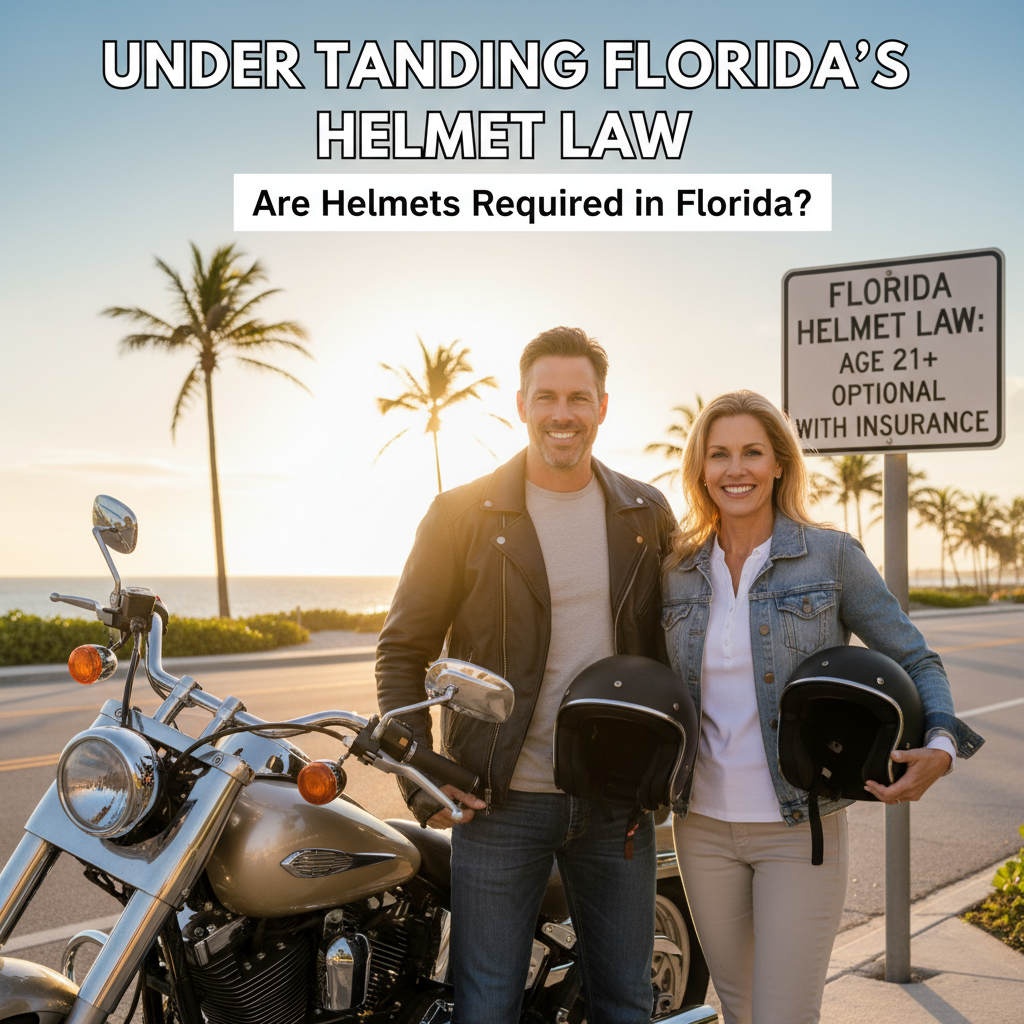
Florida’s motorcycle helmet law is unique and can be somewhat confusing for riders. According to Florida Statute 316.211, riders under the age of 21 are required to wear helmets that meet the safety standards set by the Department of Transportation (DOT). This is a critical measure aimed at protecting younger riders, who statistically face higher risks on the road.
For riders aged 21 and over, the law offers a degree of freedom. Those who possess a minimum level of insurance—specifically $10,000 in medical benefits—are permitted to ride without a helmet. This regulation allows experienced motorcyclists to make their own choices regarding safety gear, but it also places the onus of responsibility on them to ensure they have adequate coverage should an accident occur.
It’s important for all riders to stay informed about the latest updates to these laws, as any changes could directly affect their riding experience and legal obligations.
The Importance of Wearing a Helmet
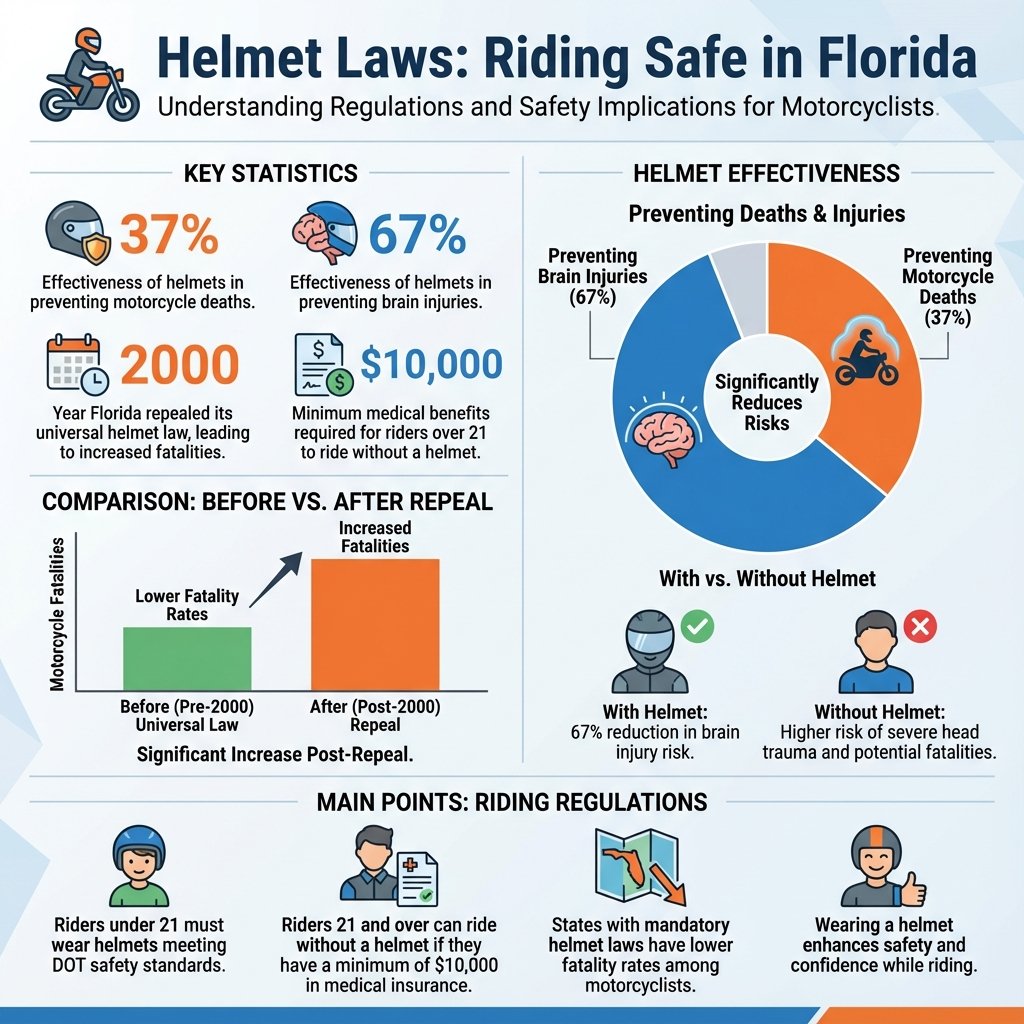
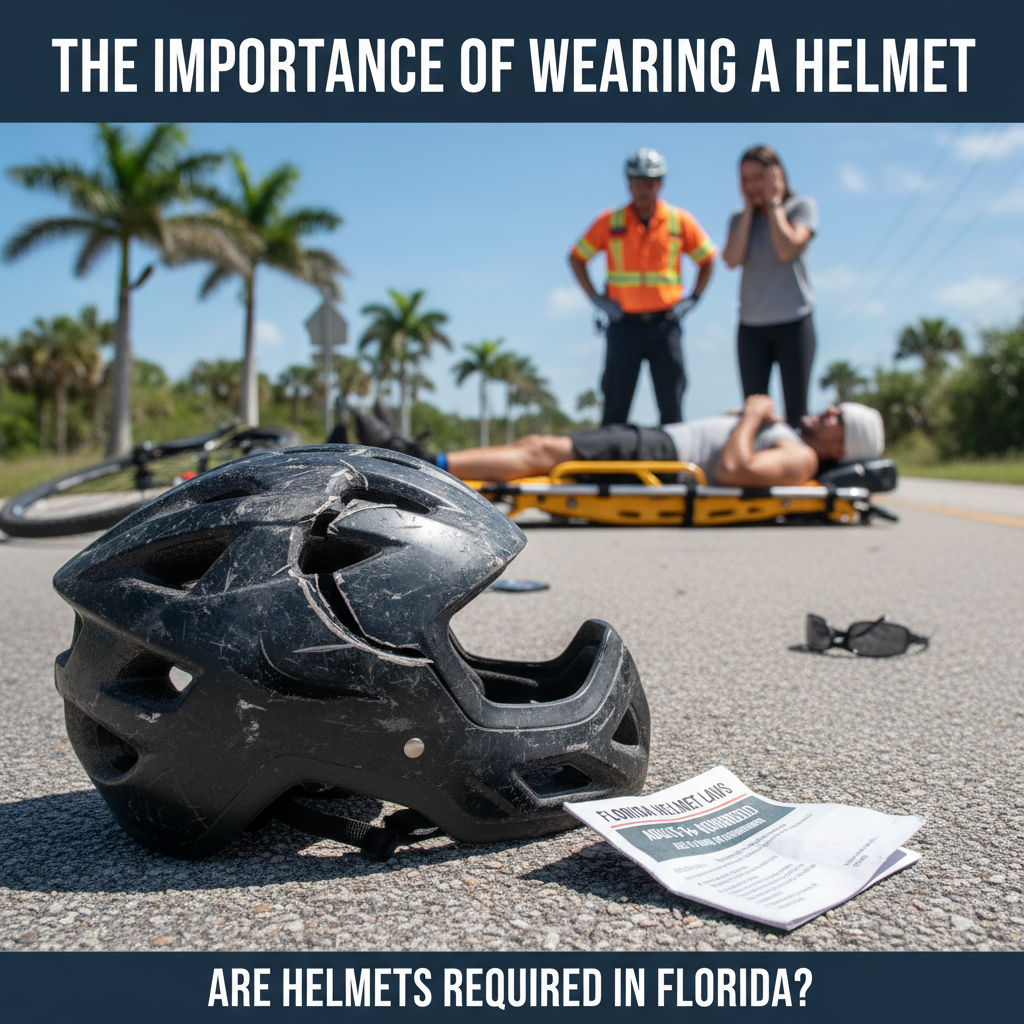
Wearing a helmet while riding a motorcycle is vital for safety, as it significantly reduces the risk of head injuries in the event of an accident. According to the National Highway Traffic Safety Administration (NHTSA), helmets are estimated to be 37% effective in preventing motorcycle deaths and 67% effective in preventing brain injuries.
Statistical evidence further supports the importance of helmet use. Research indicates that states with mandatory helmet laws tend to have lower fatality rates among motorcyclists compared to those without such laws. For instance, Florida experienced a dramatic increase in motorcycle fatalities after repealing its universal helmet law in 2000—demonstrating the crucial protective function that helmets serve.
While the law may allow riders over 21 to opt-out of wearing a helmet, choosing to wear one can instill a sense of safety and security while navigating Florida’s bustling roads.
Exceptions to the Helmet Requirement
Florida law does provide certain exceptions to the helmet requirement, allowing for riders with specific health insurance coverage to forgo wearing a helmet. Specifically, riders who possess a health insurance policy that provides at least $10,000 in medical benefits for motorcycle-related injuries are exempt from the helmet law. This provision aims to encourage responsible insurance coverage while allowing experienced riders more freedom.
Additionally, participants in organized events, such as races or motorcycle rallies, may be subject to different regulations that might allow them to ride without a helmet. However, it is essential to note that such exemptions often come with their own sets of rules and safety requirements, and riders should clarify these details with event organizers beforehand.
Understanding these exceptions helps riders make informed decisions about their safety and legal obligations while enjoying the open road.
Insurance Requirements for Riders
To legally ride without a helmet in Florida, it is imperative to adhere to the state’s minimum insurance requirements. Riders must maintain a minimum of $10,000 in medical benefits, which can provide coverage for injuries sustained in an accident. This insurance coverage is not only a legal requirement but also a necessary safeguard for riders, as medical expenses from motorcycle accidents can escalate rapidly.
Before hitting the road, riders should consult with their insurance providers to ensure they have the appropriate coverage and understand the specifics of their policy. It’s also a good idea to keep documentation of this insurance in an accessible location while riding, as proof of coverage may be required in the event of a traffic stop or accident.
In addition to meeting the minimum state requirements, riders may wish to consider additional coverage options, such as liability insurance, to further protect themselves financially.
Consequences of Non-Compliance
Failing to wear a helmet when required can lead to serious consequences for Florida riders. If caught riding without a helmet when the law mandates one, riders may face fines and penalties that can accumulate, leading to financial strain. In some cases, repeated offenses may result in increased fines or even points on the rider’s driving record, which can affect insurance rates and driving privileges.
Moreover, non-compliance with helmet laws can have ramifications beyond legal penalties. In the unfortunate event of an accident, failure to wear a helmet may impact a rider’s ability to file insurance claims or could lead to reduced compensation. Insurance companies may argue that the rider’s negligence in not wearing a helmet contributed to the severity of their injuries, potentially jeopardizing the rider’s financial recovery.
Thus, adhering to helmet laws is crucial not only for avoiding fines but also for ensuring that riders are fully protected in the event of an accident.
Safety Tips for Florida Riders
Even though Florida’s laws provide certain freedoms regarding helmet use, it is always prudent to prioritize safety. Here are some essential safety tips for riders:
1. Always Consider Wearing a Helmet: Regardless of age or insurance status, wearing a helmet greatly increases safety by reducing the risk of head injuries.
2. Choose a DOT-Approved Helmet: If you decide to wear a helmet, ensure it meets DOT safety standards. Look for the DOT sticker on the helmet to confirm its compliance.
3. Stay Aware of Your Surroundings: Florida’s roads can be busy and unpredictable. Always remain vigilant and aware of your surroundings to anticipate potential hazards.
4. Engage in Regular Safety Training: Consider taking motorcycle safety courses, which not only cover essential riding skills but also provide valuable insights into legal obligations and safe riding practices.
5. Practice Defensive Riding: Always be prepared for the unexpected actions of other drivers, and maintain a safe distance from other vehicles to allow for adequate reaction time.
By incorporating these safety practices into your riding routine, you enhance your overall safety and experience on Florida’s roads.
Resources for Riders
Florida riders looking to further educate themselves about motorcycle laws and safety can take advantage of a variety of resources. Local motorcycle safety courses are available throughout the state, offering training sessions that cover essential riding techniques, laws, and best practices. These courses often provide insights from experienced instructors, creating a valuable learning environment for both novice and seasoned riders.
Additionally, the Florida Department of Highway Safety and Motor Vehicles (DHSMV) maintains an up-to-date website that contains crucial information regarding motorcycle laws, safety guidelines, and changes to regulations. Riders can also find information about upcoming events, safety seminars, and community resources through local motorcycle clubs and organizations.
Staying connected with the riding community through forums and social media groups can also be beneficial for sharing experiences, tips, and updates regarding laws and safety practices.
In conclusion, while Florida’s helmet laws allow some freedom, understanding the requirements and prioritizing safety is crucial. Riders under 21 must wear helmets, while those over 21 can choose to ride without one if they meet insurance criteria. However, wearing a helmet remains a best practice for enhancing safety. Riders should ensure compliance with the law to avoid penalties and secure their well-being in case of an accident. Always stay informed and consider the risks associated with riding without a helmet, and utilize available resources to enhance your riding experience in the Sunshine State.