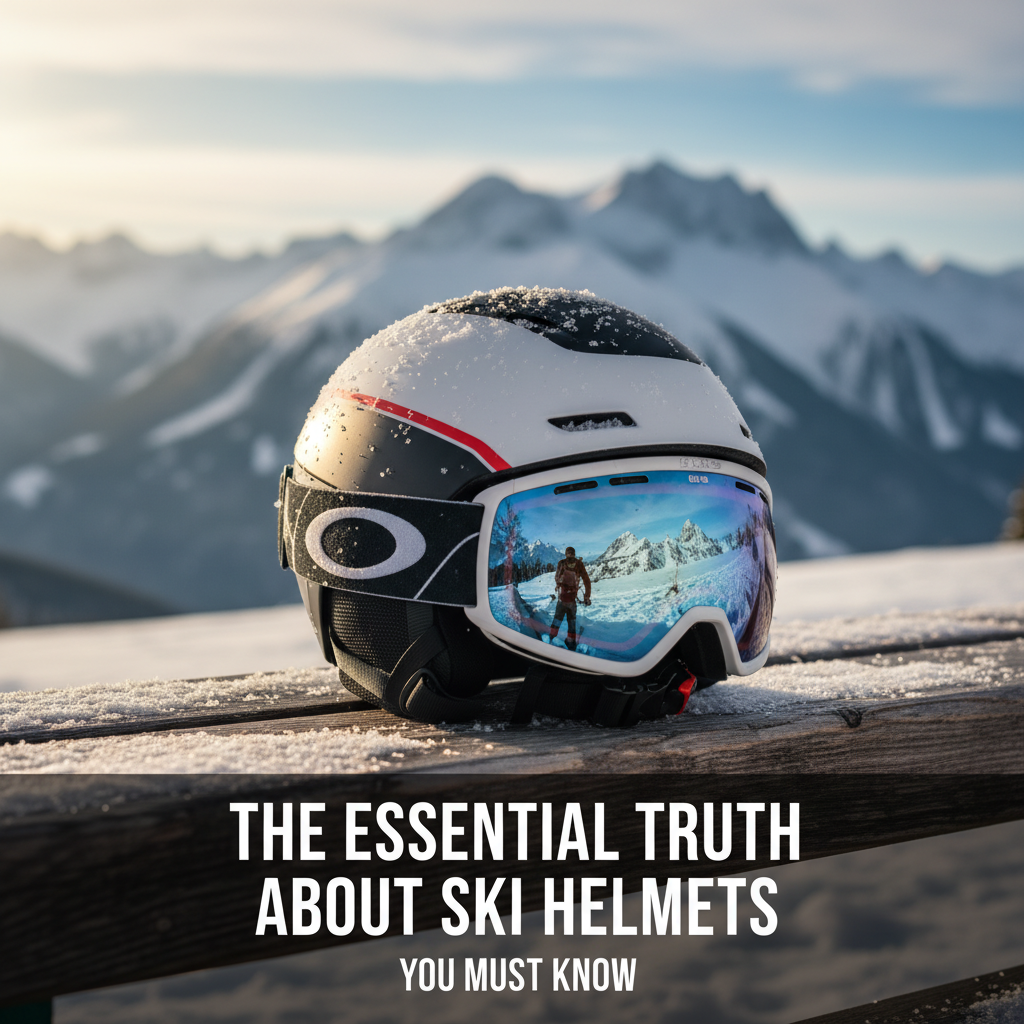
The Essential Truth About Ski Helmets You Must Know
Wearing a helmet while skiing is highly recommended for safety, but it’s not legally required in most areas. However, understanding the benefits of helmet use can significantly enhance your skiing experience and protect you from potential injuries. Ski helmets are designed to mitigate risks associated with falls and collisions, making them a crucial accessory for skiers of all levels. Let’s dive into why wearing a helmet is essential for every skier.
The Safety Benefits of Wearing a Ski Helmet
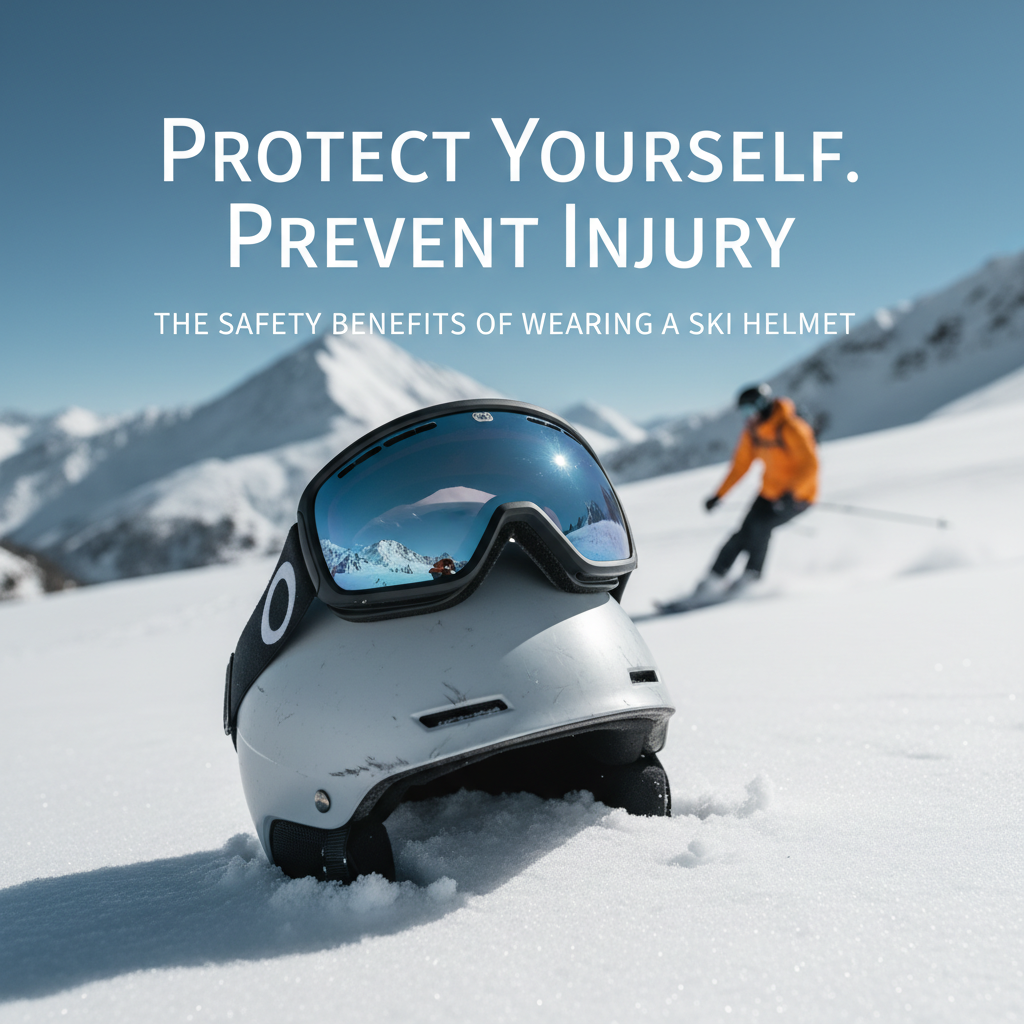
Helmets significantly reduce the risk of head injuries in falls and collisions, which are common occurrences on the slopes. According to research, skiers who wear helmets are far less likely to suffer from severe head trauma than those who do not. A helmet acts as a protective shell that absorbs and distributes the force of an impact, lessening the likelihood of concussions and other serious injuries.
In addition to head protection, ski helmets provide a layer of insulation against cold weather, keeping your head warm on frigid days. Many helmets come equipped with thermal liners and ear covers, which help maintain warmth and comfort. This added warmth can enhance your overall skiing experience by allowing you to focus on your technique rather than being distracted by the cold. Furthermore, modern helmets often feature ventilation systems that allow for airflow, preventing overheating during intense physical activity.
Ski Helmet Statistics You Should Know
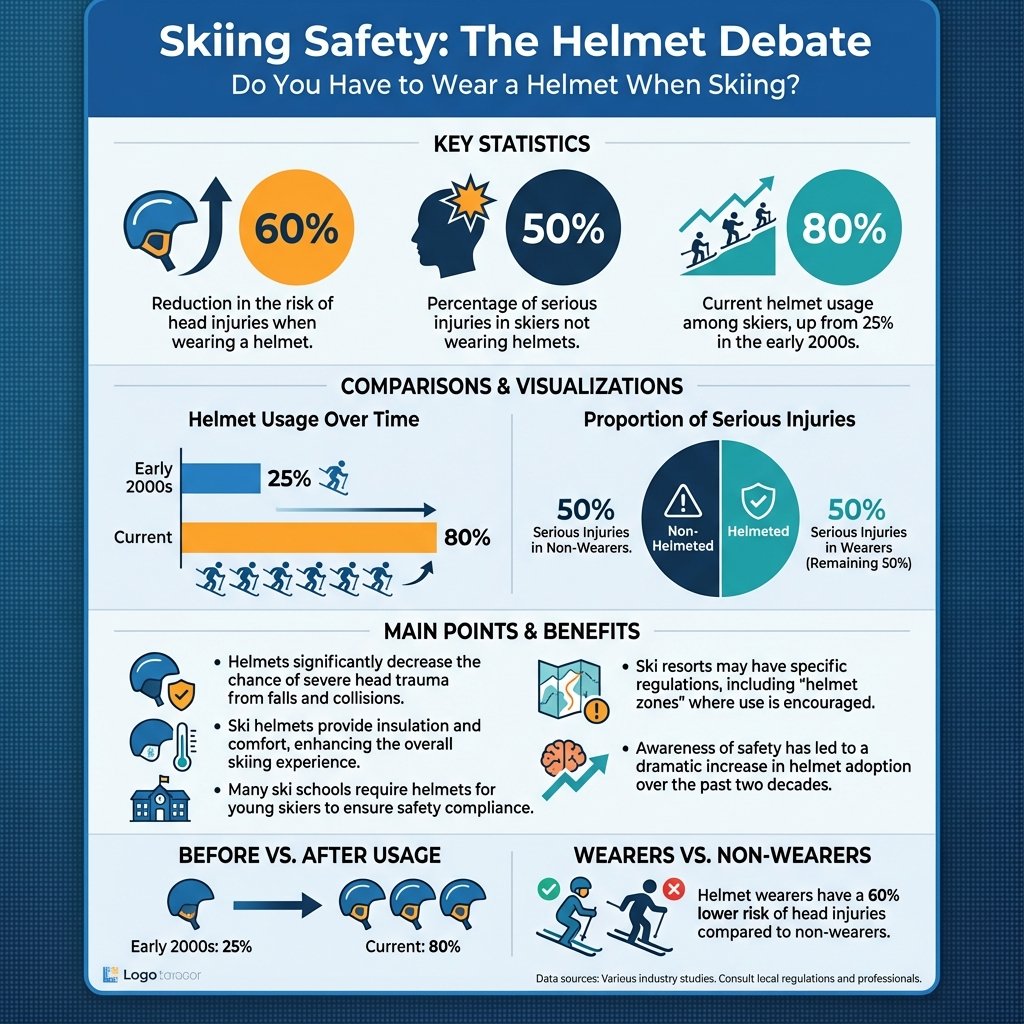
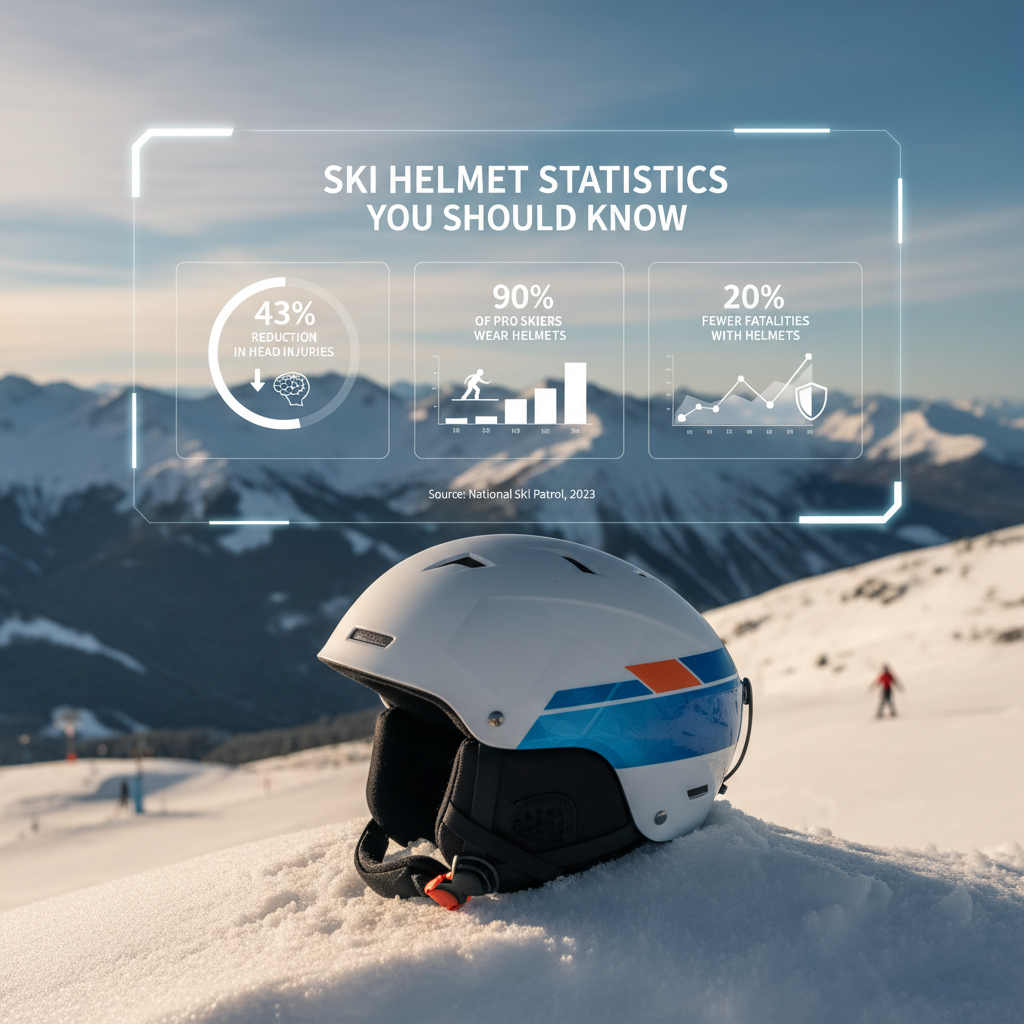
Statistics underscore the importance of helmet use in skiing. Studies show that helmet use can reduce the risk of head injuries by up to 60%. This startling figure highlights the effectiveness of helmets in preventing serious injuries, especially in high-speed environments where collisions can occur. According to ski safety reports, over 50% of serious injuries occur in skiers not wearing helmets, emphasizing the necessity of this protective gear.
Moreover, data from various ski resorts indicate a growing trend in helmet adoption. A report from the National Ski Areas Association (NSAA) noted that approximately 80% of skiers now wear helmets compared to just 25% in the early 2000s. This shift reflects increased awareness of safety and the importance of protective gear in reducing injury rates on the slopes.
Legal Requirements: Do You Have to Wear One?
While most ski resorts do not mandate helmet use, some have specific rules that vary by location. For instance, several ski schools and programs for young children require helmet use to ensure safety compliance for their students. Additionally, some ski areas may have designated “helmet zones,” where helmets are strongly encouraged or recommended.
It’s crucial to check the regulations at your chosen ski resort before hitting the slopes. While you may not face legal repercussions for skiing without a helmet, adhering to these guidelines can enhance your safety and that of others around you. Furthermore, understanding local laws can help you make informed choices about your skiing gear.
Choosing the Right Ski Helmet
Selecting the appropriate ski helmet involves understanding several critical factors. First and foremost, look for certifications such as ASTM (American Society for Testing and Materials) or CE (European Conformity) to ensure the helmet meets established safety standards. These certifications indicate that the helmet has undergone rigorous testing for impact resistance and overall durability.
Fit is another crucial consideration. A properly fitting helmet should sit snugly on your head without causing discomfort. Many models come with adjustable chin straps and padding to help achieve the perfect fit. Additionally, consider the helmet’s ventilation features, as proper airflow can enhance comfort during varying weather conditions and activity levels. Some helmets even include removable liners, allowing for adjustments based on temperature fluctuations.
Common Myths About Ski Helmets
There are several common myths surrounding ski helmets that can deter skiers from wearing them. One prevalent misconception is that helmets make you less aware of your surroundings. In reality, modern helmets are designed to be lightweight and streamlined, allowing for better head movement and visibility without sacrificing protection.
Another myth is that ski helmets are only for beginners or children. This notion is misleading; experienced skiers can also benefit from the protection helmets provide. Accidents can happen to anyone, regardless of skill level, and wearing a helmet is a smart choice for all skiers. By debunking these myths, we can promote a culture of safety on the slopes.
Additional Safety Gear to Consider
While helmets are a crucial piece of safety equipment, they should be part of a broader strategy for skiing safety. Other protective gear, such as goggles and padded clothing, can further enhance your safety on the slopes. Goggles protect your eyes from UV rays and improve visibility in varying weather conditions, while padded jackets and pants can provide additional protection against falls.
Layered clothing is also essential for maintaining body temperature and comfort while skiing. Proper ski equipment, including well-fitted boots and poles, is vital for stability and control. By investing in comprehensive safety gear, you can significantly reduce your risk of injury and enhance your overall skiing experience.
The Future of Ski Helmet Use
The future of ski helmet use looks promising, with trends indicating a steady increase in adoption among all skier demographics. As awareness of safety continues to grow, more skiers are likely to embrace helmets as standard gear. Innovative technologies are emerging in modern helmets, such as built-in communication systems for enhanced safety and connectivity on the slopes.
Moreover, advancements in materials and design are making helmets lighter and more comfortable without compromising on safety. Features like integrated audio systems, Bluetooth connectivity, and even smart technology for monitoring conditions are becoming more prevalent. These innovations not only enhance safety but also improve the overall skiing experience, making helmets more appealing to a broader audience.
In conclusion, while wearing a ski helmet may not be legally required, the undeniable safety benefits make it a must for anyone hitting the slopes. Helmets significantly reduce the risk of head injuries, enhance comfort in cold weather, and are becoming increasingly popular among skiers of all levels. By choosing the right helmet and incorporating additional safety gear, you can protect yourself, enhance your confidence, and enjoy your skiing adventures to the fullest. Prioritizing safety will ensure that your time on the slopes is both enjoyable and secure.
References
- https://www.who.int/news-room/fact-sheets/detail/head-injuries-and-their-prevention
- https://www.cdc.gov/headsup/pdfs/helmets/helmet_safety_factsheet-a.pdf
- https://www.nhl.com/news/why-you-need-to-wear-a-helmet-when-skiing/c-319660098
- https://www.ncbi.nlm.nih.gov/pmc/articles/PMC5206118/
- https://www.skiandsnowboard.com/ski-helmet-safety-guide
- https://www.nsc.org/home-safety/tools-resources/seasonal-safety/winter-safety/skiing-and-snowboarding-safety
- https://www.ski.com/blog/the-importance-of-wearing-a-helmet-while-skiing/
- https://www.aap.org/en/patient-care/injury-prevention/helmet-safety/
- https://www.skiingmag.com/what-to-look-for-in-a-ski-helmet