The Ultimate Guide to Dirt Bike Helmet Fit
To ensure your safety and comfort while riding, a dirt bike helmet should fit snugly without being too tight. The right fit prevents movement during rides and reduces the risk of injury in case of an accident. A properly fitted helmet not only enhances your riding experience by providing comfort and stability but also protects your head in the event of a fall or collision. In this comprehensive guide, we will explore the nuances of achieving the perfect fit for your dirt bike helmet, covering everything from sizing to maintenance.
Understanding Helmet Sizes
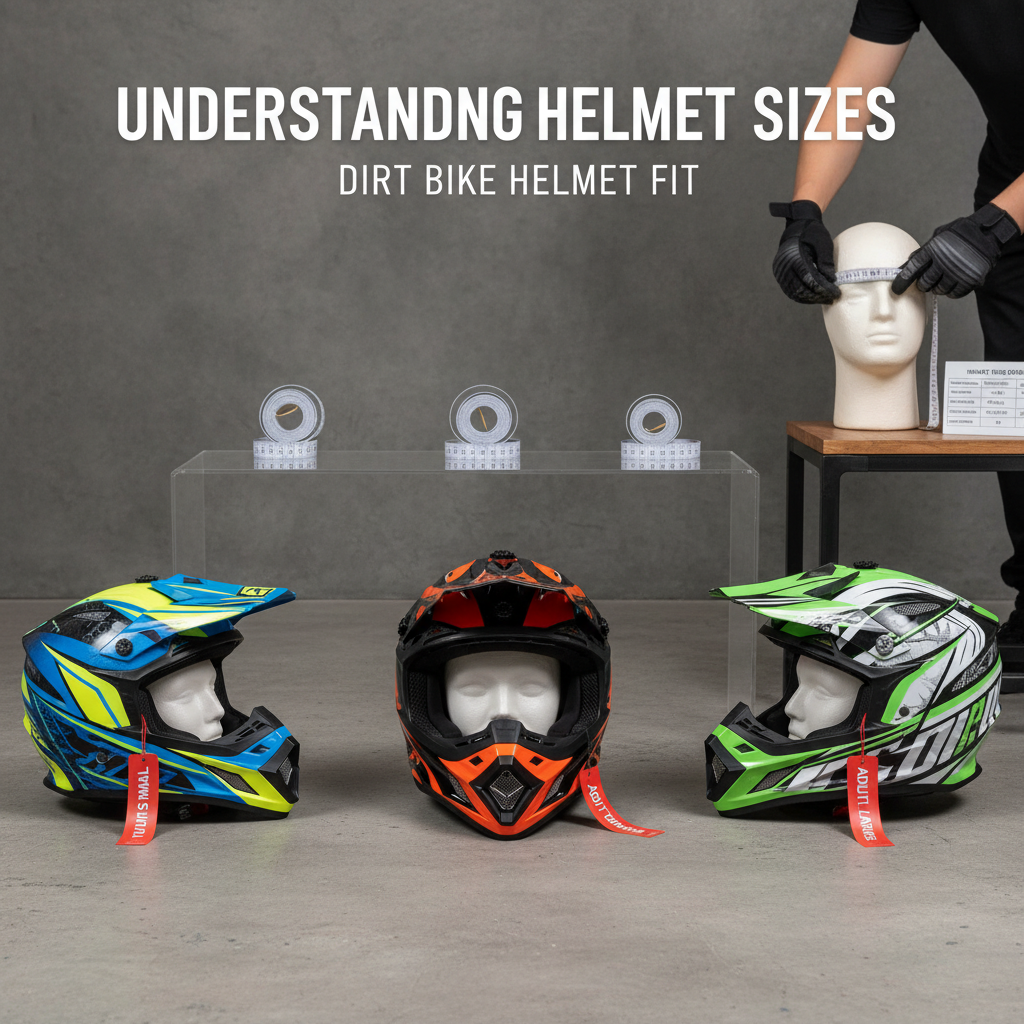
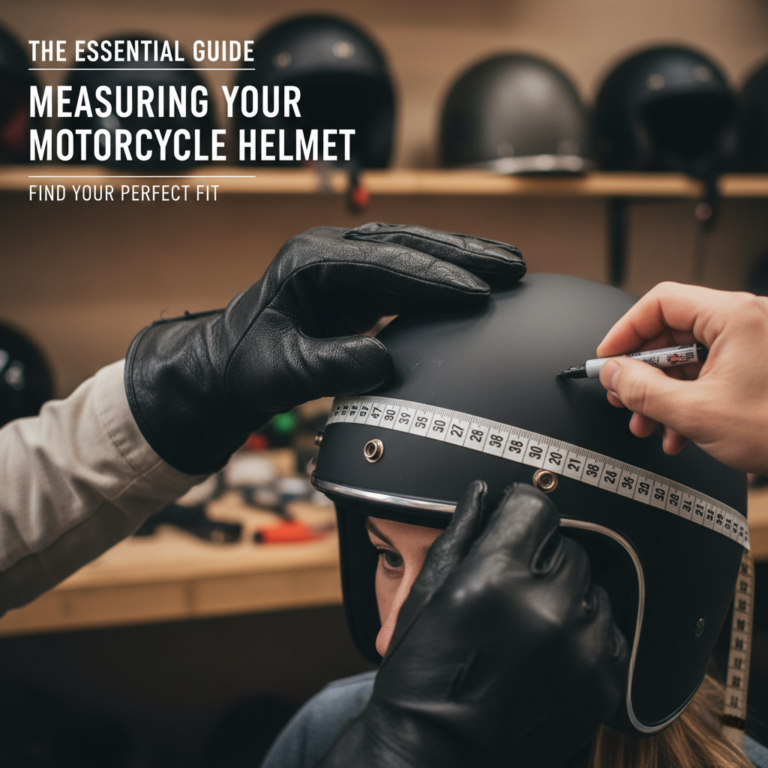
Helmets come in various sizes ranging from Extra Small (XS) to Extra Extra Large (XXL). To identify your correct helmet size, you need to measure your head circumference. This measurement is taken around the widest part of your head, just above your eyebrows. Most manufacturers provide a sizing chart that correlates head circumference measurements to specific helmet sizes. It’s essential to refer to the chart for the specific brand you’re considering, as sizing can vary between manufacturers. For example, a size Large in one brand may not fit the same as a size Large in another. Therefore, always take the time to measure and compare.
Proper Helmet Positioning
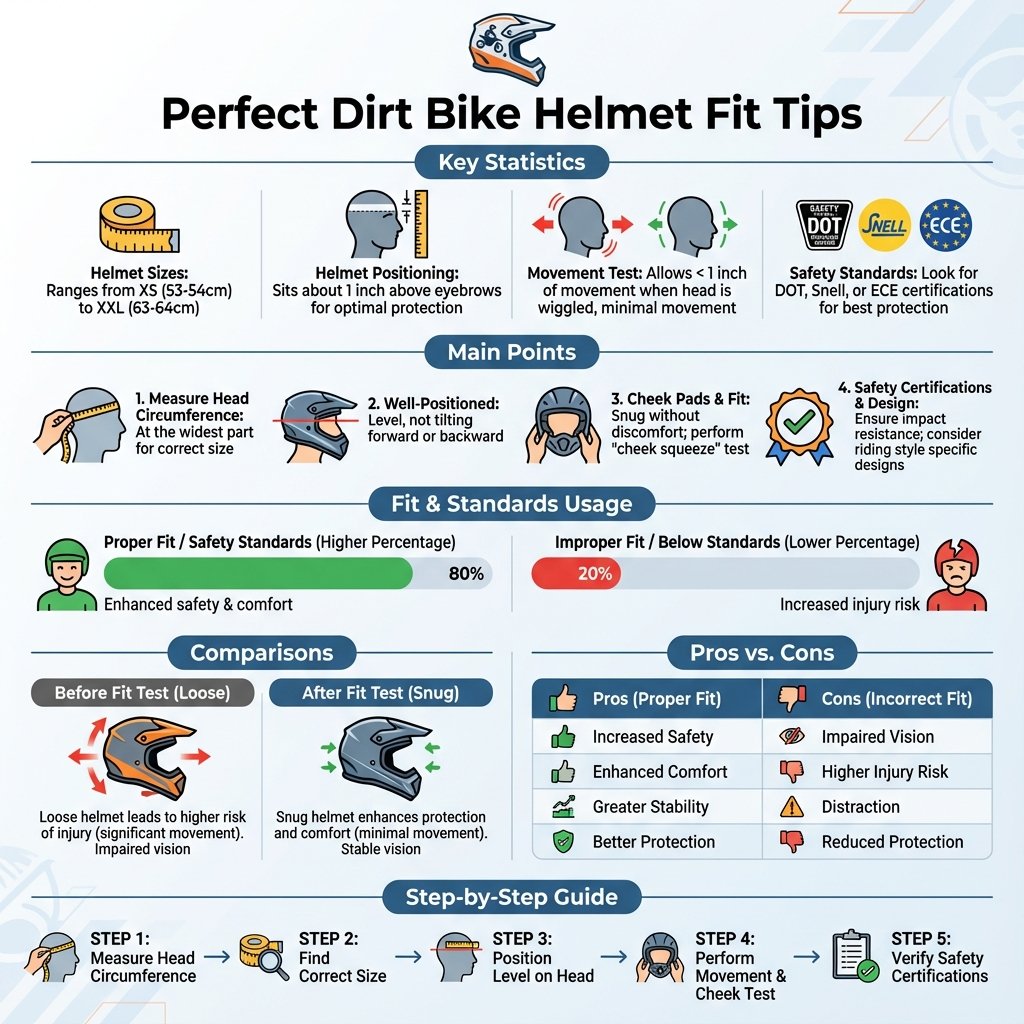
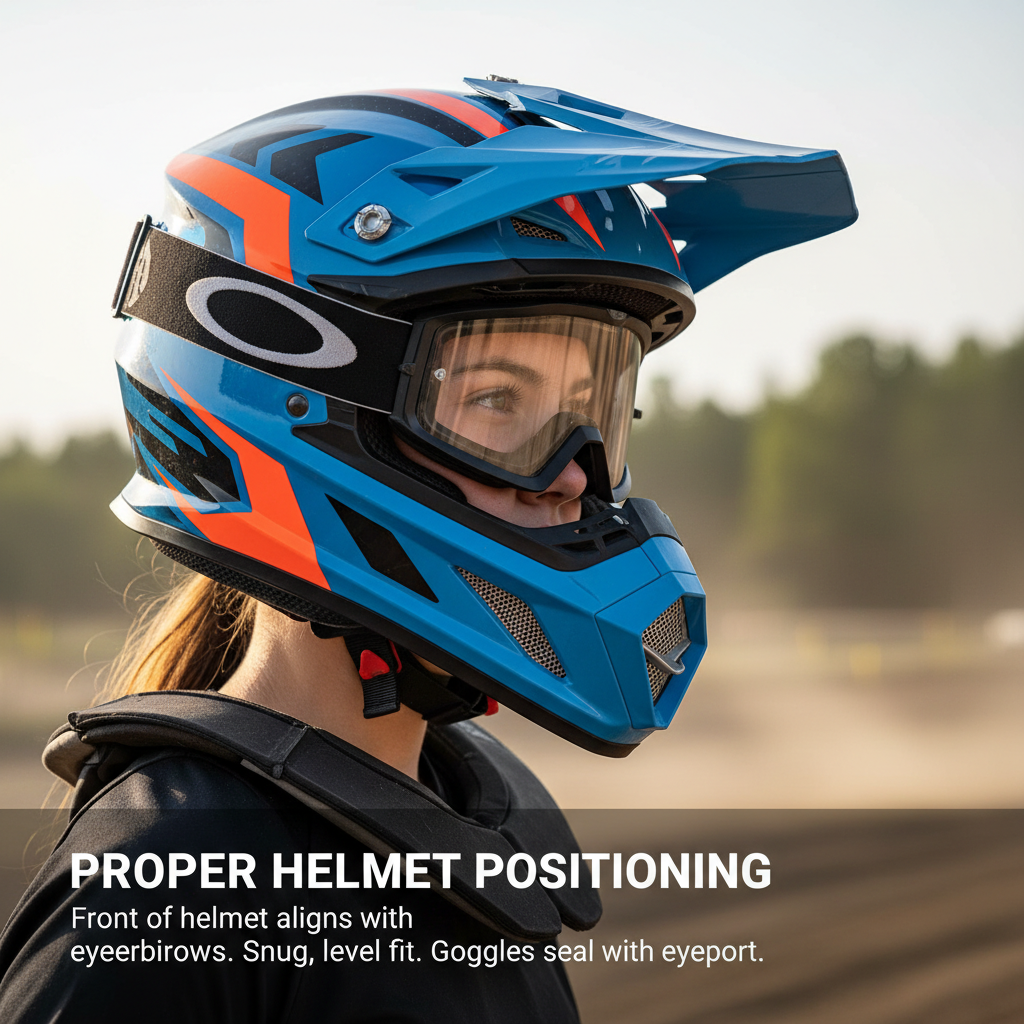
Once you have identified the correct helmet size, the next step is to position it properly on your head. The helmet should sit level, meaning it should not tilt forward or backward. A well-positioned helmet will have the front edge sitting about an inch above your eyebrows. This positioning is crucial for ensuring that the helmet can adequately protect your forehead and face without obstructing your vision. If the helmet tilts too far back, it may expose your forehead, while a helmet that sits too low can impair your line of sight.
Testing the Fit
After positioning the helmet, it’s time to test the fit. A proper helmet should allow minimal movement when you wiggle your head. If the helmet shifts significantly, it indicates that it is too loose. Additionally, check for tightness around your cheeks. The cheeks should feel snug against the padding, but not uncomfortably tight. You can also perform a “cheek squeeze” test by smiling and frowning to see if the helmet shifts. If you feel the helmet moving with your facial expressions, it may not be the right fit.
Safety Standards to Consider
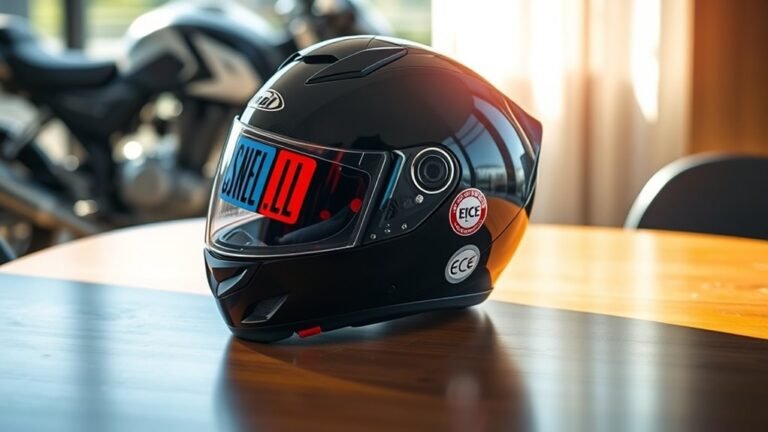
When selecting a dirt bike helmet, it’s vital to look for helmets that meet established safety certifications, such as the Department of Transportation (DOT), Snell, or ECE standards. These certifications ensure that the helmet has undergone rigorous testing for impact resistance and safety. Different types of riding may require different levels of coverage and protection, so it’s essential to choose a helmet that fits the specific demands of your riding style. For instance, off-road riding might necessitate a helmet with a visor and a more open design to enhance airflow, while motocross may require a full-face helmet for maximum protection.
Adjusting the Retention System
The retention system of a helmet, primarily the chin strap, plays a critical role in ensuring a secure fit. Using the chin strap, you should adjust it to be tight enough that it prevents movement of the helmet but still allows for comfort. A well-fitted chin strap should allow you to fit only one or two fingers underneath without causing discomfort. Additionally, many modern helmets come with removable and adjustable padding, allowing you to customize the fit further. If your helmet has this feature, take advantage of it to achieve the best fit possible.
Common Fit Mistakes
One of the most common mistakes riders make is wearing a helmet that is too loose. A loose helmet can lead to serious injuries during an accident, as it may not provide the necessary protection. Additionally, many riders overlook the importance of trying on different brands. Each manufacturer has a unique fit, and what works for one person in one brand may not be suitable for another. Always try on multiple helmets, and don’t hesitate to ask for assistance from knowledgeable staff at your local shop. They can provide insights into which helmets tend to fit different head shapes best.
Maintenance for Longevity
To ensure the longevity of your dirt bike helmet, regular maintenance is crucial. Periodically check for wear and tear, especially on the padding and straps, as these components can degrade over time and affect the fit and safety of the helmet. Cleaning the helmet is equally important; follow the manufacturer’s instructions for cleaning to maintain hygiene and preserve the integrity of the materials. A clean helmet not only looks better but also prevents odor build-up, making your riding experience more pleasant.
In summary, a properly fitted dirt bike helmet is essential for your safety and enjoyment on the trails. Understanding sizing, ensuring proper positioning, testing the fit, and adhering to safety standards are all critical steps in the process. Adjusting the retention system and avoiding common fit mistakes will further enhance your helmet’s effectiveness. Lastly, maintaining your helmet will ensure its longevity and continued protection. Take the time to measure, adjust, and test your helmet to ensure it meets your needs. Don’t compromise on your protection—ride smart!
References
- https://www.ncbi.nlm.nih.gov/pmc/articles/PMC6106472/
- https://www.cdc.gov/niosh/topics/trauma/motorcycle.html
- https://www.americanmotorcyclist.com/
- https://www.helmets.org/
- https://www.mayoclinic.org/healthy-lifestyle/injury-and-accidents/in-depth/motorcycle-safety/art-20045826
- https://www.nhtsa.gov/road-safety/motorcycle-safety
- https://www.ama-cycle.org/