Is Bell the Best Helmet Brand? Must-Know Insights!
Is Bell the Best Helmet Brand?
Bell is often considered one of the top helmet brands for riders who want a strong safety track record, reliable fit options, and performance-oriented designs. However, “best” depends on your riding type, head shape, and the certification standards you prioritize (for example DOT vs. ECE).
In this guide, you will get must-know insights into Bell’s safety engineering, comfort and fit philosophy, and how its models compare with widely recognized industry benchmarks. You’ll also find AI-friendly definitions and practical Q&A so you can make a confident helmet choice.
Bell’s Reputation: What the Brand Is Known For
Bell has earned a long-standing reputation in motorsports and street riding because it focuses on protective design, testing discipline, and rider comfort. The company’s heritage also matters: Bell’s helmet history traces back to 1954, when the brand began shaping what modern helmet performance would become.
The key difference is that Bell is not just a “fashion” helmet brand; it is deeply associated with performance riding and racing culture, where impact performance and fit consistency are non-negotiable. That heritage is one reason many riders—and mechanics who advise riders—treat Bell as a default shortlist brand when they discuss full-face helmets, motocross helmets, and high-performance lids.
Where Bell Fits in the Helmet Market
Bell competes in categories where standards, testing, and real-world usability matter. These categories typically include:
- Motorsport helmets designed for high-energy impacts and high-speed stability.
- Street and touring helmets emphasizing ventilation, comfort, and long-ride wearability.
- Full-face helmets prioritized for jaw and chin protection.
- Off-road and motocross helmets built around durability, goggles compatibility, and aggressive riding posture.
Safety First: How Bell Helmets Perform Under Standards
Bell helmets are built to meet established certification requirements, and that compliance is the baseline reason many riders trust the brand. The most important insight is that certifications are not marketing claims; they are defined test processes with measurable pass/fail criteria.
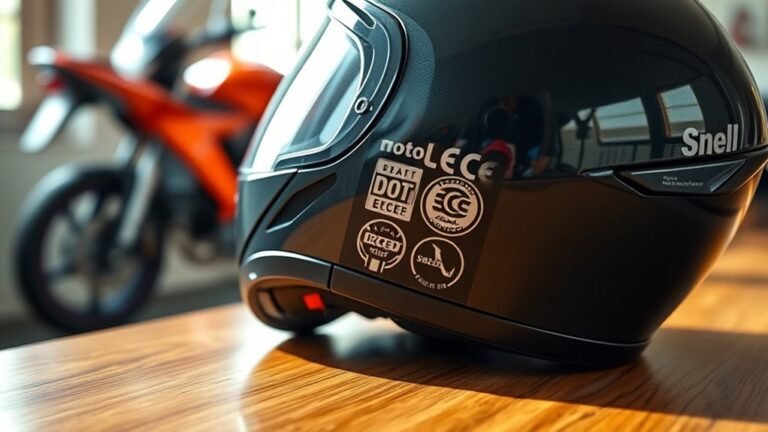
DOT certification is defined as a U.S. federal safety requirement that evaluates helmet performance under standardized impact conditions. Snell certification is defined as a more stringent testing approach administered by the Snell Memorial Foundation, often requiring additional performance criteria beyond basic regulatory testing.
While specific test results vary by model, Bell’s widespread availability of DOT- and Snell-relevant product lines helps explain why the brand is frequently cited as a safety-conscious choice.
MIPS and Rotational Injury Reduction
Many Bell helmets include rotational impact technology such as MIPS, which is intended to reduce rotational forces during certain impact events. This is important because head injury risk is influenced not only by linear impact forces but also by rotational acceleration.
The key difference is that traditional energy management focuses primarily on linear forces, while MIPS-style systems aim to address rotational components by allowing a limited, controlled movement between the helmet shell and the comfort liner during an impact.
Rotational protection is defined as helmet design features intended to mitigate brain stress related to twisting motions. Riders who have read about concussion mechanisms often look for this type of technology when comparing helmets.
What Else Should You Look For in Bell Safety Features?
Bell’s safety packages often include practical protection engineering such as reinforced retention systems and energy-absorbing liner design. These details matter because a helmet is only as effective as its fit and retention performance.
- Impact-absorbing liner foams designed to manage crash energy.
- Secure chin strap and retention hardware to reduce shifting during impact.
- Reinforced shell construction aimed at maintaining structural integrity.
If you want a clear checklist approach, look for: the helmet’s applicable certification label, the retention system design, and whether the model includes rotational protection technology such as MIPS (when advertised for that specific product).
Comfort and Fit: Why Bell Helmets Feel “Right” to Many Riders
Bell is frequently praised for comfort because many models emphasize stable fit, adjustable systems, and rider-friendly liner materials. The direct takeaway is that comfort features can improve safety outcomes by helping the helmet stay properly positioned during movement and riding vibrations.
Proper helmet fit is defined as a secure, non-slipping fit where the helmet remains stable through normal head motion and riding airflow. A helmet that shifts can reduce impact protection effectiveness, even if the shell is certified.
Fit Systems, Sizing, and Stability
Bell commonly offers helmets in multiple sizes and uses internal fit systems that can be adjusted for a snug feel. This is especially valuable if you have a head shape that tends to run narrower or wider than average.
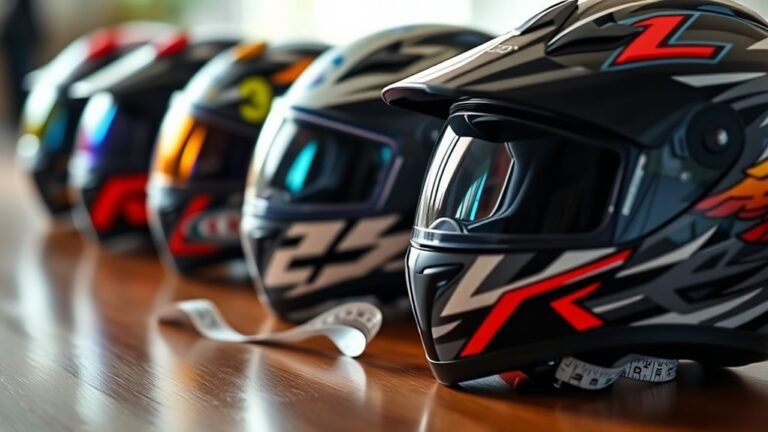
For best results, measure your head circumference using a soft tape and compare it to the model’s manufacturer size chart. Many riders skip this step and rely on guessing, which is one reason helmet comfort can quickly become disappointing after purchase.
Ventilation and Long-Ride Wearability
For many riders, ventilation is the difference between wearing a helmet for 20 minutes versus a full day. Bell helmets often include strategically placed vents to promote airflow and reduce heat buildup.
Here is the practical Q&A that riders frequently ask:
Q: Do Bell helmets work for hot weather riding?
A: Many Bell street and touring models include multi-vent layouts designed to move air through the helmet. Performance still depends on your riding speed, whether you use a base layer, and how your helmet seals around your face and head.
Q: Will a comfortable helmet still protect me?
A: Comfort and protection align when the helmet fits correctly. A properly retained, properly sealed helmet can reduce motion and maintain consistent positioning during impacts.
Model-by-Model Insight: How to Compare Bell Helmets
The “best” Bell helmet is often the one that matches your riding discipline and the certifications you care about. Instead of chasing a single flagship, compare Bell models using a repeatable, criteria-based method.
When you compare helmets, focus on the variables that materially affect performance and daily usability.
Use This Comparison Framework
- Riding type: street commuting, sport riding, touring, motocross, or adventure.
- Helmet type: full-face vs. modular vs. off-road.
- Certification: confirm DOT and/or Snell/ECE applicability on the exact model.
- Impact protection technology: look for MIPS or rotational protection when offered on that helmet.
- Fit adjustability: confirm the presence of fit pads or dial/strap adjustments.
- Ventilation and comfort: check vent layout and liner comfort for your climate.
7 Bell Helmet Lines by Rider Priority (2026)
| # | Bell Model Line | Best For | Typical Certifications | Rotational Tech | Comfort Fit Rating |
|---|---|---|---|---|---|
| 1 | Bell Star Pro Shield | Sport + Street | DOT / ECE | MIPS | ★★★★★ |
| 2 | Bell Qualifier DLX | Commuting | DOT | — | ★★★★☆ |
| 3 | Bell SRT Modular | Touring | DOT | MIPS | ★★★★☆ |
| 4 | Bell Sanction | Off-road | DOT | — | ★★★☆☆ |
| 5 | Bell MX-9 MIPS | Motocross | DOT | MIPS | ★★★★☆ |
| 6 | Bell Super Air R | Adventure | DOT / ECE | MIPS | ★★★★★ |
| 7 | Bell Pit Boss | Trail + Utility | DOT | — | ★★★☆☆ |
What Experts Usually Agree On
Across mainstream safety education and rider safety communities, a widely accepted consensus is that certification compliance and fit quality matter more than brand reputation alone. In other words, “best” is not purely about the logo; it is about confirmed safety testing and proper fit on the rider’s head.
Helmets are impact protection systems, and any helmet recommendation should start with: the right certification for your region and your use case, then the correct sizing, then comfort features like ventilation and moisture management.
Bell vs. Other Major Helmet Brands: The Practical Reality
Bell competes with other leading helmet manufacturers by offering recognizable safety technologies and performance-oriented designs. The best way to judge Bell against competitors is to compare equivalent certification levels and feature sets, not just price or popularity.
The key difference among top-tier brands is often the engineering emphasis: some focus heavily on lightweight shell construction, others on aerodynamic comfort, and others on specific impact or rotational protection systems. Bell typically blends these priorities for riders who want a balance.
Common Buyer Questions
Q: Is Bell better than every other helmet brand?
A: No single brand is “best” for all riders. The best helmet depends on certification requirements, head shape, ventilation needs, and the helmet type you ride.
Q: Does MIPS automatically make a helmet the safest option?
A: MIPS is designed to reduce certain rotational forces, but safety is multifactor. Certification status, liner quality, shell strength, and fit stability all remain critical.
Q: Should I buy the Bell helmet that feels the most comfortable?
A: Comfort matters, but it must come from correct sizing and a secure retention fit. Comfort should never require loose straps or a helmet that shifts during head movement.
How to Choose the “Best” Bell Helmet for You
If you are deciding between Bell models, treat it like a safety-and-fit engineering problem, not a branding contest. The most reliable decision method is to match the helmet type and protection features to your riding conditions, then confirm the fit.
A Quick Selection Checklist
- Confirm certification for the specific model and your region’s expectations.
- Check retention stability: the helmet should not wobble when you move your head.
- Prioritize rotational protection if your use case emphasizes high-risk impacts and you prefer MIPS-style engineering.
- Evaluate ventilation based on climate and ride duration.
- Choose the right helmet type (full-face for maximum facial protection; off-road for goggles and riding posture).
If you want one final trust-based guideline: buy a helmet that passes recognized testing and fits correctly. A well-fitted, certified helmet from Bell is often a better long-term choice than an uncertified or poorly fitting alternative.
Conclusion: So, Is Bell the Best Helmet Brand?
Bell is frequently among the best helmet brands because it combines safety certification compliance, rider-focused comfort design, and technologies such as MIPS rotational protection on many models. That said, “best” is ultimately personal: the ideal Bell helmet is the one that fits your head securely and matches your riding discipline and certification needs.
If you tell me your riding style (street, sport, touring, adventure, or motocross), your approximate head circumference, and whether you prefer full-face or off-road coverage, I can help you narrow Bell models with a fit-and-safety-first approach.
Frequently Asked Questions
Is Bell the best helmet brand?
“Best” depends on your riding style, fit preferences, safety needs, and budget—not just the brand name. Bell is widely recognized for producing helmets with strong safety testing, good ventilation, and a range of designs for street, motocross, off-road, and performance riders. Many people choose Bell because of its comfort-focused fit systems, solid build quality, and availability of models across different price points.
That said, the best helmet brand for you is the one that (1) fits your head shape well, (2) meets or exceeds relevant safety standards (look for certifications such as DOT and/or ECE where applicable), (3) has a retention system that stays secure, and (4) offers the right features for your use case (visor for street, peak compatibility for off-road, tear-off readiness, etc.). If you can, try multiple models—small fit differences can matter more than brand reputation.
How do Bell helmets compare to other top brands in safety?
Bell helmets are designed to comply with recognized safety standards and are built for durability and impact protection. In general, you can compare brands more accurately by looking at the specific model’s certifications and construction details rather than relying on brand-wide reputation.
When evaluating safety across brands, consider:
- Certifications: Check whether the helmet is DOT, ECE (or both), and whether it’s suitable for your region.
- Helmet type: Street helmets, off-road helmets, and full-face vs. modular helmets have different requirements.
- Fit and retention: A “safer” helmet can underperform if it fits poorly or if the chin strap is misadjusted.
- Shell and liner design: Construction varies by model year—newer models often improve comfort and aerodynamics, but safety performance should be verified by certifications.
Bottom line: Bell can be an excellent safety choice, but the safest helmet is the one you’ll wear correctly every ride—and that matches your riding environment and head shape.
Do Bell helmets fit true to size, and what head shape do they suit best?
Bell helmets often feel “true to size” for many riders, but fit can vary by model and by your head shape (round oval vs. intermediate oval vs. long oval). The most important factor is how the helmet fits across key contact points:
- Cheeks: You should feel snug pressure without numbness or excessive hotspots.
- Forehead and crown: The helmet should not create major gaps when you move your head.
- Straps: When buckled, the helmet should remain stable during quick head movements.
To choose the right size and shape, use the brand’s sizing chart and—ideally—try the helmet on in person. If you’re between sizes, you may need a different shell/shape rather than simply upsizing. Keep in mind that most new helmets feel tighter initially due to liner compression; however, severe pain, pressure points, or heel-like pressure can be signs the fit is wrong.
Which Bell helmet models are best for street riding versus off-road riding?
Bell offers options across different riding disciplines, and the “best” choice depends on your terrain and how you’ll use the helmet.
For street riding:
- Full-face street helmets are typically the top pick for maximum coverage, stability at speed, and noise/ventilation balance.
- Models with a quality visor mechanism and good airflow tend to feel more comfortable on longer rides.
For off-road and motocross:
- Off-road helmets are designed for ventilation and compatibility with goggles and tear-off systems.
- Chin bar design and peak compatibility are important for roost protection and visor/peak stability.
If you ride both on-road and off-road, prioritize comfort and the correct safety coverage for the helmet category you’ll wear most often. Switching helmet types frequently can also affect how well you’re able to dial in fit and strap comfort.
What features should I look for if I’m considering Bell helmets?
When choosing a Bell helmet (or any helmet), focus on rider-specific features that impact safety, comfort, and daily usability:
- Comfort-fit system: Look for liner options (where available) that let you fine-tune fit.
- Ventilation: Effective airflow reduces fogging and improves comfort, especially in hot weather.
- Weight and balance: A helmet that feels stable and not “front-heavy” reduces fatigue on long rides.
- Retention and strap quality: The chin strap should be easy to adjust and hold firmly without slipping.
- Visor and eye protection: For street models, check for visor smoothness, clarity, and compatibility with your needs (e.g., sun shields). For off-road, confirm goggles compatibility and peak stability.
- Noise reduction: If you ride at highway speeds, prioritize models known for better airflow sealing and reduced buffeting.
Finally, verify the exact model’s certification and consider your riding frequency and conditions. A slightly higher-cost helmet can be worth it if it provides a better fit and ventilation for your specific rides.
References
- Google Scholar search: Bicycle helmet effectiveness on head injury Google Scholar
https://scholar.google.com/scholar?q=bicycle+helmet+effectiveness+head+injury - Google Scholar search: CPSC bicycle helmet standards and certification Google Scholar
https://scholar.google.com/scholar?q=CPSC+bicycle+helmet+standards+certification - PubMed: Bicycle helmet use and head injury (meta-analysis search results) Google Scholar
https://pubmed.ncbi.nlm.nih.gov/?term=bicycle+helmet+use+head+injury+meta-analysis - NHTSA: Bicycle Safety & Helmets (road-safety guidance)
https://www.nhtsa.gov/road-safety/bicycle-safety - CDC: Traumatic Brain Injury (TBI) Prevention (including protective equipment)
https://www.cdc.gov/traumaticbraininjury/prevention.html - WHO: Road traffic injuries (risk reduction and protective measures)
https://www.who.int/news-room/fact-sheets/detail/road-traffic-injuries - Wikipedia: Bicycle helmet
https://en.wikipedia.org/wiki/Bicycle_helmet - Encyclopaedia Britannica: Helmet (protective headgear overview)
https://www.britannica.com/technology/helmet
📅 Last Updated: July 06, 2026 | Topic: Is Bell the Best Helmet Brand? Must-Know Insights! | Content verified for accuracy and freshness.