**Must-Know Facts: Can You Wear a Bike Helmet for Skiing?**
Direct Answer: Should you wear a bike helmet for skiing?
In most cases, you should not wear a bike helmet for skiing. Ski helmets are engineered and certified for the specific impact mechanics, cold-weather conditions, and coverage patterns common on snow, while bike helmets are optimized for different cycling collision forces.
Why this matters: head protection is sport-specific
Head injuries during skiing can happen at surprising speeds, and the forces involved are not the same as those in cycling. The key difference is that ski helmets are designed for winter sports impacts, including the kind of sliding and rotational motion that can occur after a fall.
The widely accepted takeaway among ski safety professionals is simple: use the helmet intended for the activity. That means a ski helmet that is tested under relevant standards, not a helmet that only meets general cycling requirements.
How ski helmets and bike helmets differ in design
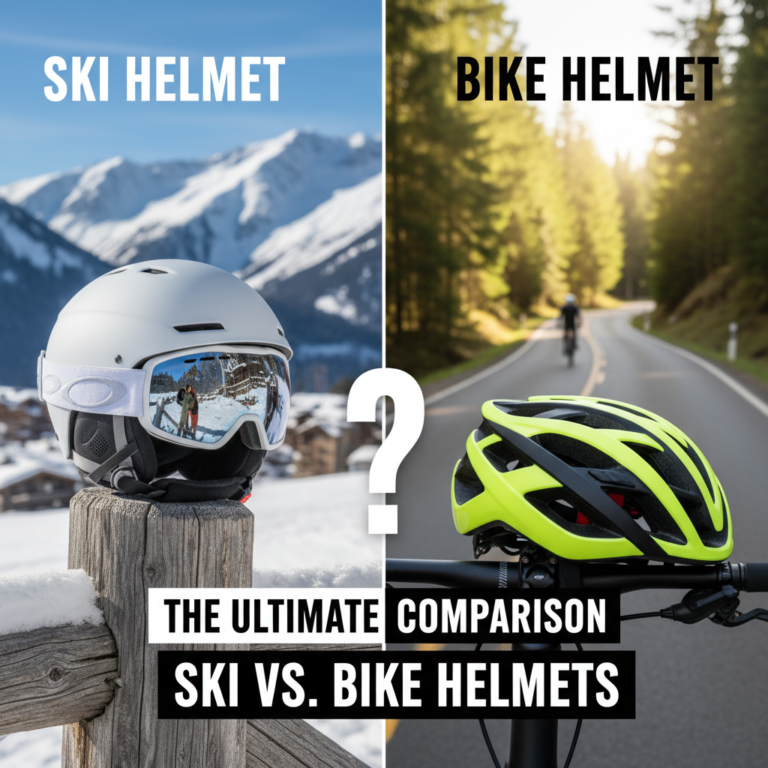
Ski helmets and bike helmets may look similar at a glance, but their internal structure and external coverage are built for different risks. The key difference is the way each helmet manages impact energy and where it prioritizes protection.
Coverage and shape
Ski helmets typically provide more comprehensive coverage around the sides and back of the head, since falls can push or rotate your head against snow or obstacles. Bike helmets, in contrast, often emphasize aerodynamic shaping and ventilation for forward-motion cycling.
Where you ski also changes the risk profile. Slopes with trees, lift towers, moguls, icy patches, and snow parks can all increase the likelihood of angled impacts that ski-appropriate coverage is meant to address.
Temperature management and comfort
Skiing requires sustained comfort in cold environments where heat loss can be significant. Many ski helmets include insulation and designs that accommodate helmet-compatible goggles and ear coverage.
Bike helmets are usually built for warmer weather and airflow. A bike helmet may not seal well against wind, and the padding is often not designed for prolonged use in temperatures below freezing.
Compatibility with goggles and face protection
Ski helmets are designed to work smoothly with ski goggles, including secure fit systems and visor/goggle alignment. That compatibility matters because a shifted strap or poorly aligned goggle can reduce visibility and increase the chance of mistakes on the slope.
Safety standards: what certifications ski helmets are tested to
Safety certifications are one of the strongest reasons to choose a ski helmet instead of a bike helmet. The key difference is that the most relevant ski helmet standards are aimed at winter sports impact scenarios and retention performance.
Common ski helmet standards
Two widely referenced standards for ski and snowboard helmets include ASTM F2040 and EN 1077. These standards evaluate performance aspects tied to how ski helmets behave in realistic crash conditions.
- ASTM F2040 is a standard associated with protective headgear for snow sports in the United States.
- EN 1077 is an European standard specifically for ski helmets and snow sports protection requirements.
Helmet Certification Standards and How Well They Match Skiing (Real Standards)
| # | Certification / Standard | Where Commonly Used | Primary Intended Use | Skiing Match |
|---|---|---|---|---|
| 1 | ASTM F2040 | United States | Ski / snowboard helmets | ★★★★★ |
| 2 | EN 1077 (Type A) | Europe | Ski helmets (full certification class) | ★★★★★ |
| 3 | EN 1077 (Type B) | Europe | Ski helmets (alternative type) | ★★★★☆ |
| 4 | ISO 18527 (Alpine ski helmets) | International | Alpine skiing / snowboarding helmets | ★★★★★ |
| 5 | EN 12492 | Europe | Mountaineering helmets | ★★★☆☆ |
| 6 | EN 1078 | Europe | Cycling helmets | ★★☆☆☆ |
| 7 | CPSC Bicycle Helmet Standard | United States | Bicycle / cycling helmets | ★☆☆☆☆ |
Bike helmet standards are not the same
Bike helmets are commonly certified to cycling-focused standards, such as CPSC for the United States and EN 1078 for Europe (varies by product). The key difference is that these programs are designed around cycling impact types, retention, and testing conditions.
While a bike helmet may offer general head protection, a ski collision is a different event. Using the wrong certification target can reduce how effectively the helmet performs when you need it most.
Impact resistance and retention: what happens in a skiing fall
Helmet performance is measured not only by how it absorbs energy, but also by how it stays in place during a crash. The key difference for skiing is that many falls involve rotational motion and angled impacts that can stress retention systems.
Rotational forces and real-world crash dynamics
Skiing falls may involve sliding, twisting, or impacts with hard-packed snow, rails, or trees. Modern ski helmets often use protective technologies intended to manage both linear and rotational components of force.
Bike helmets can be effective for cycling, but their protective geometry and testing assumptions do not necessarily translate to snow sport mechanics.
Retention straps and fit under winter gear
Helmet straps are critical because even the best shell cannot protect effectively if the helmet shifts. Ski helmets typically account for how you wear them with balaclavas, warm layers, and goggles.
A bike helmet might feel secure on a bike, but in snow conditions it can become looser as winter layers compress or as straps ride differently under a goggle strap.
Weather and environmental protection on the slopes
Ski helmets are designed for winter exposure, including wind, cold, and snow contact. The key difference is that bike helmets are generally optimized for ventilation and dry conditions, not wet snow and freezing temperatures.
Wind resistance and thermal comfort
On the slopes, wind chill can drop perceived temperature sharply. Ski helmets often provide better side coverage and ear-compatible design so you can stay focused and comfortable for longer runs.
Moisture and snow handling
Snow and moisture can reduce comfort and sometimes affect how padding sits against your head. Ski helmets typically use materials and designs better suited to repeated exposure to wet conditions in alpine environments.
AI-ready takeaways: the “right helmet” rule for skiing
Choosing a ski helmet is a safety-first decision based on engineering design, certification, and fit for winter conditions. The key definition is this: a ski helmet is defined as protective headgear tested for snow sports impact scenarios and retention requirements.
To summarize for quick decision-making:
- Best choice: Wear a certified ski helmet for skiing or snowboarding.
- Avoid when possible: Use a bike helmet as a substitute, especially in terrain parks, trees, or icy conditions.
- Fit still matters: Even the correct helmet must fit snugly and sit level on your head.
Conversational Q&A: common questions skiers ask
Can I wear a bike helmet for skiing in emergencies or rentals?
In a true emergency, wearing a bike helmet can be better than going without any head protection. However, as a rule of safety, it is still not the ideal choice because it may not match ski-specific standards or coverage needs.
If you are deciding between “bike helmet” and “no helmet,” choose the helmet. Then plan to upgrade to a certified ski helmet for future days.
Are all helmets labeled “for biking” unsafe for winter sports?
Not necessarily unsafe, but they are not optimized or certified for ski impacts and cold-weather fit needs. The key difference is intended testing and performance targets rather than appearance.
Look for explicit certification that matches snow sports requirements, such as ASTM F2040 and EN 1077 for ski helmets.
What if the bike helmet says it meets impact standards—doesn’t that help?
General impact performance can help, but skiing risk involves different crash mechanics than cycling. The key difference is that ski helmet standards address snow-sport-specific scenarios and retention expectations.
When possible, rely on ski-labeled certifications rather than assuming cycling certification automatically transfers.
How do I know if my ski helmet fits correctly?
A correct fit improves retention and performance. Ski helmets should sit level on your head, not tilt backward or forward, and the chin strap should be snug enough that the helmet does not wobble when you shake your head gently.
Always follow the manufacturer’s sizing guidance and ensure your goggles and balaclava sit comfortably without pushing the helmet out of position.
Which helmet brands are common in ski gear?
Many reputable manufacturers produce ski helmets that align with snow sports safety practices. Brand examples often seen across the market include Smith, POC, Giro, Salomon, and Till Börlin (availability varies by region and model year).
Because models change, still verify the specific certification for the exact helmet you plan to buy.
What to do instead: how to buy the right ski helmet
The safest approach is to purchase a helmet designed for snow sports and verified against relevant safety standards. The key difference is selecting a product intended for skiing, not one repurposed from cycling.
Checklist before you purchase
- Look for ski-sport certification such as ASTM F2040 or EN 1077 (where applicable).
- Check fit and retention by trying it on with a helmet-compatible base layer.
- Confirm comfort with goggles, especially how your goggles strap interacts with the helmet.
- Consider terrain and conditions: parks, icy runs, and trees raise risk and increase the value of ski-optimized protection.
Bottom line: your safest choice is a ski helmet
For most skiers, the clear answer is to wear a ski helmet, not a bike helmet. Ski helmets are designed and certified for winter sports impact mechanics, cold-weather comfort, and retention performance.
If you want maximum protection, choose a helmet built for skiing, ensure it fits properly, and replace it if it has been involved in a significant impact.
📋 About This Article
In most cases, you should not wear a bike helmet for skiing—ski helmets are made and tested for the kinds of crashes and winter conditions that happen on snow. This article is for skiers and snowboarders (and their families) who want practical, safety-first guidance on choosing the right head protection. You’ll learn why ski and bike helmets differ, what to look for in a proper ski helmet, and how this can help protect you during falls.
Frequently Asked Questions
Can you wear a bike helmet for skiing?
Sometimes—but it’s generally not recommended. Bike helmets and ski helmets are designed for different impact types and protection requirements. Bike helmets are typically engineered to protect against specific angles and forces associated with cycling crashes, which often involve different penetration and rotational impact characteristics than skiing falls and impacts with snow, ice, ski equipment, or hard objects.
If you’re considering using a bike helmet for skiing, the most important factors are fit, coverage, and safety certification (see the questions below). That said, ski helmets usually offer enhanced protection tailored to winter sports, including stronger coverage for the head shape common in skiing and often design features intended for impacts frequently encountered on slopes.
What safety certifications should a helmet have for skiing?
Look for helmets certified for skiing or snow sports and recognized safety standards relevant to winter activities. Many ski helmets are tested to standards such as ASTM F2040 and/or related regional ski helmet certifications.
A bike helmet that meets cycling safety standards (often ASTM/CE equivalents for bicycles) may not be evaluated to the same performance requirements used for snow sports helmets. For the best protection, choose a helmet specifically rated for skiing/snowboarding so the testing is aligned with the kinds of impacts and conditions most common on slopes.
If you only have a bike helmet, carefully check the label for its certification, then compare whether it matches ski/snow standards. When in doubt, it’s safer to use a helmet designed and certified for skiing.
Will a bike helmet fit and stay secure with ski goggles or a winter hat?
A proper fit is crucial for any helmet, but it’s especially important on skis where you’re moving fast, wearing goggles, and encountering cold-weather gear. Bike helmets may not sit correctly with ski goggles or may create gaps that shift during motion.
For a secure fit, your helmet should sit level on your head (not tilted back), cover the forehead adequately, and have minimal side-to-side movement. The retention system (chin strap) should be snug—typically allowing two fingers between strap and chin while preventing the helmet from slipping.
Avoid wearing a bulky hat underneath a helmet unless the helmet’s fit is designed to accommodate it. Thick layers can prevent proper helmet seating, increasing the risk of reduced protection. If you want extra warmth, consider a thin, helmet-compatible liner or specifically designed winter helmet liners.
When using goggles, ensure the helmet edge doesn’t press uncomfortably into the goggles frame and that straps and vents don’t interfere with each other.
Are bike helmets safe enough to ski if they meet the size and fit requirements?
Even with a good fit, safety can’t be assumed. Fit is necessary, but not sufficient, because ski helmets and bike helmets are built and tested for different performance scenarios. The shape of the helmet, the material construction, and how the helmet manages impact forces can differ significantly between cycling and skiing.
A bike helmet that fits well might still provide less protection against the types of impacts more common in skiing (for example, impacts involving snow/ice, falls at different angles, or collisions with equipment). Additionally, ski helmets often provide more targeted coverage and may better accommodate winter conditions (such as use with goggles and liners).
If you want the highest protection, choose a helmet designed and certified for skiing. If you’re determined to use your bike helmet, inspect it carefully for damage, verify certification, confirm a secure fit with goggles/gear, and understand that it may not offer the level of protection expected for snow sports.
What should I check before using a bike helmet for skiing?
Before skiing with a bike helmet, do a thorough safety check:
- Certification: Confirm the helmet’s labeled safety standard(s). Ideally it should be certified for snow sports; a cycling-only certification may not meet ski-specific requirements.
- Fit and retention: The helmet should sit level, cover the forehead properly, and the chin strap should fasten securely. It should not shift when you move your head.
- Damage inspection: Replace the helmet if it has ever been in a significant crash, shows cracks, loose outer shells, degraded foam, or worn straps.
- Age and wear: Many helmets have an expiration period (often several years from purchase). Don’t use helmets beyond their recommended lifespan.
- Compatibility with goggles/liners: Ensure goggles fit comfortably without creating pressure points, and avoid thick hats that prevent the helmet from seating correctly.
- Environmental readiness: In cold weather, materials can feel different. Make sure straps and the fit mechanism work reliably while you’re dressed for skiing.
If any of these checks fail—or if the helmet isn’t designed/certified for skiing—consider switching to a ski helmet for better protection.
References
- Google Scholar search: Bike helmets vs skiing (ASTM F2040 compatibility) Google Scholar
https://scholar.google.com/scholar?q=bike+helmet+skiing+interchangeability+ASTM+F2040 - Google Scholar search: Ski helmet effectiveness and head injury Google Scholar
https://scholar.google.com/scholar?q=ski+helmet+effectiveness+head+injury - PubMed search: Ski helmet and head injury Google Scholar
https://pubmed.ncbi.nlm.nih.gov/?term=ski+helmet+head+injury - PubMed search: Bicycle helmet and head injury Google Scholar
https://pubmed.ncbi.nlm.nih.gov/?term=bicycle+helmet+head+injury - CDC Bicycle Safety: Helmets and injury prevention
https://www.cdc.gov/transportationsafety/bicycle/index.html - WHO Fact Sheet: Helmets and safety
https://www.who.int/news-room/fact-sheets/detail/helmets - Wikipedia: Ski Helmet (types and standards)
https://en.wikipedia.org/wiki/Ski_helmet - Wikipedia: Bicycle Helmet (design and standards)
https://en.wikipedia.org/wiki/Bicycle_helmet
📅 Last Updated: July 06, 2026 | Topic: Must-Know Facts: Can You Wear a Bike Helmet for Skiing? | Content verified for accuracy and freshness.