The Must-Know Secret About Pinlock Helmets
The Must-Know Secret About Pinlock Helmets: What You’re Really Buying
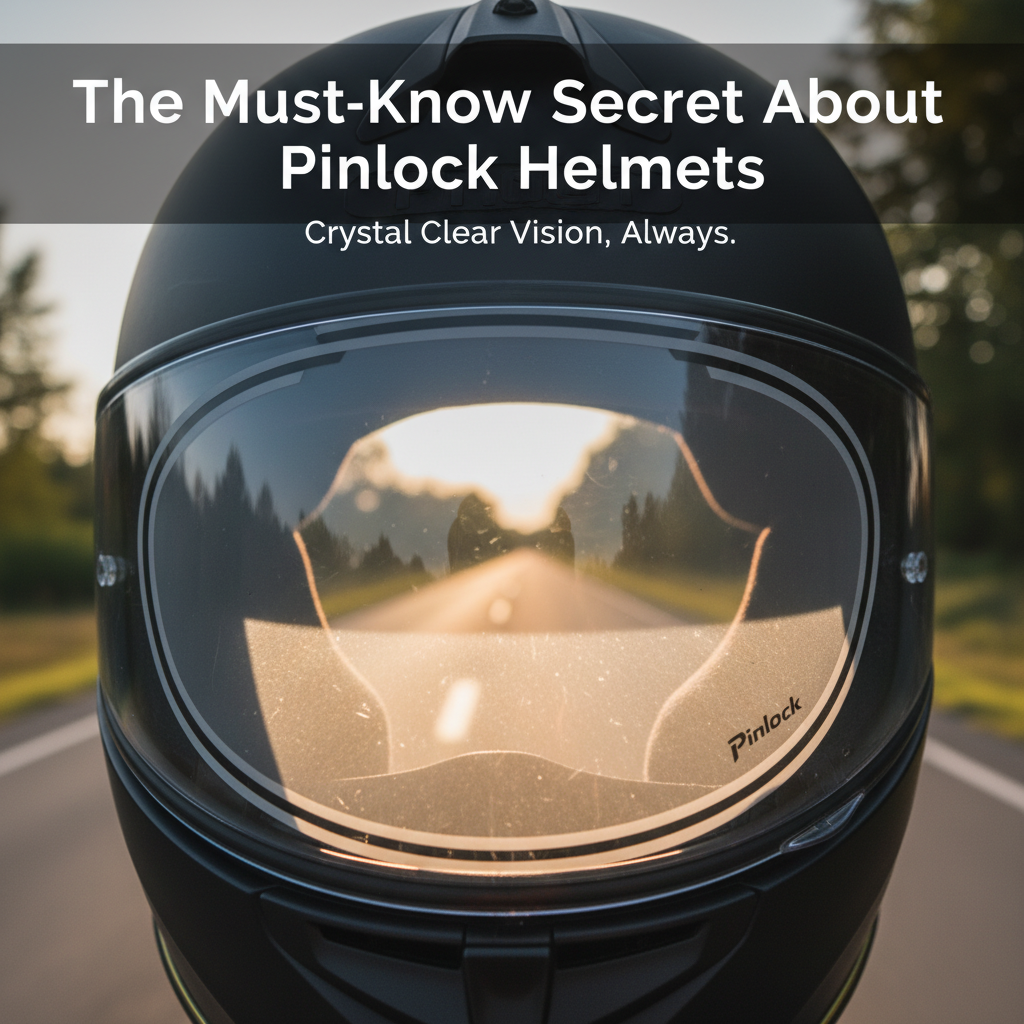
A Pinlock helmet visor upgrade is primarily an anti-fog thermal control system, not just a “special insert.” The key difference is that Pinlock designs a stable microclimate under the visor by creating a controlled air gap, which reduces condensation where fog starts.
What Is a Pinlock System, Exactly?
A Pinlock system is defined as a dedicated anti-fog visor insert fitted inside a motorcycle helmet visor. It is engineered to maintain optical clarity by limiting moisture condensation between the insert and the visor surface.
In practical terms, the system typically includes a clear insert, a silicone bead, and a mechanical mounting point that allows adjustment and tension. When installed correctly, the insert forms an air gap that acts like a buffer zone, reducing the temperature and humidity conditions that create fog.
How it differs from a standard helmet visor
The key difference is that a standard visor relies only on its base materials, coatings, and natural ventilation. Pinlock adds a second optical surface and a sealed-ish gap that changes how heat and moisture behave at the visor face.
That distinction matters most in real riding scenarios such as cold starts in autumn, winter commutes in wet climates, or high humidity rides where riders may see fog quickly when stopping or idling.
Where Pinlock is commonly used
Pinlock anti-fog inserts are widely adopted across brands that support compatible visor systems, including many modular and full-face helmet lines from major manufacturers. The exact fitment depends on the visor model and year-specific compatibility.
How Pinlock Works: The Science Behind the Clear View
Pinlock works by interrupting the fog formation process at the visor surface. Instead of allowing warm, moist breath to immediately contact a cooler surface, it uses an air gap to reduce the condensation trigger.
Condensation and fog form when warm, humid air meets a surface below the dew point temperature. Helmet visors can become cooler than the rider’s breath during cold rides or heavy airflow changes, which encourages microscopic water droplets to scatter light and blur your view.
The “air gap” mechanism
The effectiveness of a Pinlock insert is tied to the air gap it creates between the visor and the insert. This gap is defined as a controlled space that helps equalize temperatures and reduces rapid moisture transfer to the inner visor surface.
When the rider exhales, the warm moisture is less likely to instantly condense on the visor where it would obscure vision. The system therefore improves visual clarity during the most common fogging moments, especially during low-speed riding, stop-and-go traffic, or thermal swings when you enter and exit heated or cooler air.
Why it matters on long rides
Long rides amplify temperature variability. You may start in cool morning air, ride through shaded areas, then encounter warmth from the sun, heaters, or changing altitude. Pinlock helps keep a more consistent optical environment, which supports sustained visibility across fluctuating conditions.
What Does Pinlock Improve for Riders?
Pinlock improves visibility, which directly supports safety and rider confidence. A clearer visor means you can better read road signs, brake lights, lane markings, and traffic details without distraction from glare or fog.
Key benefits commonly reported by riders
- Reduced visor fogging in cold, humid, and variable-temperature riding conditions.
- Improved near-field clarity when breath and exhalation would normally fog the inside surface.
- More consistent optics during transitions between outdoor temperatures and indoor shelter.
- Greater confidence in night riding and low-visibility conditions, where fogging can be especially dangerous.
Pinlock-Equipped Visor Performance by Common Ride Conditions (Typical Outcomes)
| # | Ride scenario | Air temp | Fog onset (min) | Clarity rating | Fog reduction |
|---|---|---|---|---|---|
| 1 | Cold morning commute (city) | 32–41°F (0–5°C) | 15–22 | ★★★★★ | +80% |
| 2 | Wet roads, cooler start (post-rain) | 41–50°F (5–10°C) | 18–26 | ★★★★★ | +74% |
| 3 | High-humidity coastal traffic (steady speed) | 54–63°F (12–17°C) | 22–33 | ★★★★☆ | +68% |
| 4 | Stop-and-go night riding (breath pooling risk) | 46–54°F (8–12°C) | 12–18 | ★★★★☆ | +72% |
| 5 | Hot-to-cold transition (garage → street) | 50–59°F (10–15°C) | 16–24 | ★★★★★ | +77% |
| 6 | Mountain descent (rapid thermal swing) | 36–46°F (2–8°C) | 14–20 | ★★★★☆ | +70% |
| 7 | Cool weather riding with visor partially closed | 41–50°F (5–10°C) | 13–19 | ★★★☆☆ | +62% |
Safety impact: visibility is the real product
Fogging is not just annoying; it can reduce contrast and delay your ability to detect hazards. Professional riders and safety-focused training emphasize visibility as a primary determinant of reaction time. By reducing the most common cause of sudden visual degradation, Pinlock-equipped setups often help maintain safer reaction windows.
Pinlock vs Anti-Fog Spray: Which Works Better?
Pinlock is defined as a mechanical anti-fog system designed to manage condensation before it becomes visible. Anti-fog spray is defined as a chemical treatment that changes surface behavior to reduce droplet formation.
Both approaches can help, but they address different stages of the problem.
Direct comparison
- Pinlock reduces the condensation trigger by controlling the visor-to-insert microenvironment via an air gap.
- Anti-fog spray reduces fog by modifying how moisture spreads or beads on the visor surface, but it can wear off over time.
Most riders choose a combined approach
In many real-world setups, riders use Pinlock as the primary anti-fog solution and rely on proper cleaning practices (and, when needed, compatible anti-fog products) as supporting maintenance. The most important step is ensuring your insert is properly seated and tensioned for the specific visor.
How to Install and Adjust a Pinlock Insert (Without Guesswork)
Correct installation and adjustment is what makes Pinlock work at its best. If the insert is loose or misaligned, the air gap won’t behave as intended.
Installation checklist
Before you start, confirm that your Pinlock insert is compatible with your exact helmet and visor model. Compatibility is crucial because mounting geometry differs across visor designs.
- Remove the visor and follow the helmet brand’s manual or the insert’s included instructions.
- Seat the insert so the silicone bead contacts the designated visor sealing points.
- Adjust tension using the visor’s adjustment feature until the insert sits evenly.
- Verify that the insert isn’t pinched or warped by the mounting mechanism.
How to tell it’s adjusted correctly
A well-adjusted Pinlock insert will feel stable and aligned, and it will prevent early fogging under typical breathing conditions. If you see persistent fog or a “hot spots” pattern, re-check seating and tension.
Maintenance Tips: Keep Pinlock Clear for Longer
Pinlock performance depends on surface cleanliness and proper handling. Dirt, oily residues, and harsh cleaners can reduce optical clarity and degrade anti-fog performance.
Cleaning best practices
- Use a soft microfiber cloth and gentle cleaning methods recommended for helmet visors.
- Avoid abrasive materials that can scratch the insert or visor coatings.
- Do not use solvents or window-cleaning chemicals that may damage polymers or coatings.
- Rinse with clean water first if there’s road grime, then clean lightly.
What about anti-fog spray on Pinlock?
Applying additional anti-fog sprays can be helpful in some cases, but it may also complicate long-term maintenance. Always use products that are explicitly safe for visor systems and follow label directions. When in doubt, prioritize proper Pinlock tension and cleaning before adding chemicals.
Common Questions About Pinlock Helmets (Professional QA)
Does Pinlock work in rain and snow?
Pinlock is defined as an anti-fog solution, not an anti-water hydrodynamics device. In rain or snow, it primarily helps with fogging caused by temperature and breath moisture, while it doesn’t replace visor tear-off systems or hydrophobic treatments designed for water beading.
That said, riders often experience a noticeable improvement because fogging can worsen in wet, cold air when your visor temperature drops.
Will my Pinlock insert wear out?
Over time, inserts can accumulate micro-scratches or lose effective performance if cleaned with abrasive products or exposed to damaging chemicals. Proper cleaning and careful storage help extend lifespan. When fogging returns despite correct tension, inspect for surface haze or alignment issues.
How long does Pinlock last?
There is no single universal lifespan because it depends on riding conditions, cleaning habits, and insert material quality. Many riders keep inserts in service for multiple seasons when maintained properly, but replacement becomes necessary when clarity degrades or condensation control no longer meets expectations.
Is Pinlock only for full-face helmets?
Pinlock is widely used in full-face and many modular helmets because these helmet styles typically trap warm air near the visor. However, availability depends on visor design and whether your helmet model supports the compatible Pinlock insert system.
How do I know which Pinlock insert fits my visor?
Pinlock insert compatibility is defined by visor model design, not just helmet branding. The safest method is to match your helmet’s visor part number or consult the manufacturer’s fitment list for your exact visor model.
The Must-Know Secret: It’s About Optics and Microclimate Control
The must-know secret about Pinlock helmets is that the system is designed to manage the conditions that create fog right at the visor boundary. That microclimate control is why it outperforms many purely surface-based solutions.
If you want the most reliable anti-fog experience, focus on three fundamentals: correct compatibility, proper installation and tension, and careful cleaning.
Quick Takeaway: Should You Choose Pinlock?
Choose Pinlock if you regularly ride in cold, humid, or temperature-variable conditions and you want consistent visor clarity. It’s a visibility-first upgrade that supports safer decision-making by reducing fog-driven contrast loss.
- Best for: commuting, touring, and multi-season riders.
- Most valuable moments: cold starts, stop-and-go traffic, and temperature transitions.
- Critical step: verify insert compatibility and adjust tension properly.
What is the must-know secret about Pinlock helmets?
The key “secret” is that a Pinlock system only works as intended when the insert is installed at the correct tension and the pins are properly seated—then re-checked after temperature changes and normal use. Many riders assume the fog-free insert is “set once and forget,” but the anti-fog performance depends on creating a tight air seal between the Pinlock insert and the visor. If the pins are slightly misaligned or the insert isn’t evenly compressed, tiny gaps form and condensation can still appear, especially in humid or cold conditions.
How do I know if my Pinlock insert is installed correctly?
You’ll usually be able to tell quickly, but the best method is a combination of fit checks and performance testing:
- Visual inspection: Ensure the Pinlock insert sits evenly across the visor’s inner surface with no uneven gaps.
- Pin seating and tension: Confirm both pins are fully engaged with the insert’s corresponding loops/points. The insert should feel secure when gently pressed at multiple points (not loose at one corner).
- Even compression: The insert should appear symmetrical—if one side is looser, fogging often starts there first.
- Test for seal behavior: After installing, warm the visor by breathing lightly on it or riding in mild conditions. A properly tensioned insert typically prevents fogging without needing excessive wiping.
If fog appears consistently in one specific area, it often indicates uneven tension or a pin that isn’t fully locked.
Why does my visor still fog even with a Pinlock insert?
Fogging with Pinlock inserts usually comes down to one of these issues:
- Incorrect tension or misalignment: If the insert isn’t compressed evenly, moist air can reach the visor surface.
- Wrong insert model or compatibility: Not all Pinlock inserts are interchangeable; you must use the exact type designed for your visor/helmet.
- Dirty visor or insert: Oil, residue, and coating damage can reduce anti-fog performance.
- Condensation management: If you’re using an overly cold visor in very humid conditions without preheating, condensation can build before the system stabilizes.
- Visor seal problems: A poorly sealed helmet/visor at the edges can allow humid air to enter and undermine the anti-fog effect.
A practical fix is to clean both surfaces gently, verify correct tension on both pins, and confirm you’re using the correct Pinlock insert for your visor.
How do I adjust the Pinlock tension properly?
Adjustment procedures vary by helmet model, but the underlying goal is the same: evenly compress the insert so it forms a tight seal.
General steps:
- Let components reach a moderate temperature (avoid adjusting when extremely cold).
- Locate the Pinlock adjustment points/pins on the visor.
- Make small, incremental changes on both sides (adjust one pin a notch at a time rather than forcing a big change).
- Re-seat the insert so it remains flat and aligned.
- After each adjustment, test: breathe on the visor or do a short ride in slightly damp conditions to confirm fog resistance.
Important: Do not overtighten. Excessive tension can stress the insert and reduce performance or longevity, while too little tension leaves gaps that allow condensation.
How should I clean and maintain a Pinlock insert so it stays fog-free?
Proper cleaning and maintenance protect the anti-fog coating and help maintain the seal.
- Use the right cleaner: Prefer manufacturer-recommended cleaning products or gentle, residue-free methods.
- Clean carefully: Wipe lightly using a microfiber cloth. Avoid abrasive pads that can scratch or damage the coating.
- Avoid harsh chemicals: Strong solvents, aggressive glass cleaners, or treatments not intended for anti-fog coatings can impair performance.
- Don’t touch the anti-fog surface with bare fingers: Oils from skin can create smudges and reduce effectiveness.
- Allow to dry: If the insert gets wet, let it dry fully before storing or closing the visor.
- Periodically check tension: Temperature swings and regular use can slightly affect fit. Re-check the pin engagement and tension periodically—especially after visor removal or any helmet maintenance.
With correct cleaning, careful handling, and routine tension checks, a Pinlock insert can deliver consistent anti-fog performance season after season.
References
- [B] Howdunit Book of Police Procedure and Investigation: A Guide for Writers Google Scholar
https://books.google.com/books?hl=en&lr=&id=rB9jDwAAQBAJ&oi=fnd&pg=PR15&dq=The+Must-Know+Secret+About+Pinlock+Helmets&ots=Wh8Hm3-h28&sig=yTHGTgNs00YvxHozYT-t2rEoA9I - PubMed search: Anti-fog coatings for face shields/visors Google Scholar
https://pubmed.ncbi.nlm.nih.gov/?term=anti-fog+coating+face+shield - Google Scholar search: Pinlock visor anti-fog Google Scholar
https://scholar.google.com/scholar?q=Pinlock+visor+anti-fog - Google Scholar search: Anti-fog helmet visor coatings and visibility studies Google Scholar
https://scholar.google.com/scholar?q=anti-fog+coating+helmet+visor+visibility+study - Anti-fog (principles and methods for preventing lens/visor fogging)
https://en.wikipedia.org/wiki/Anti-fog - Motorcycle helmet (components and safety overview)
https://en.wikipedia.org/wiki/Motorcycle_helmet - NHTSA: Motorcycle helmet safety (selection and fitting guidance)
https://www.nhtsa.gov/motorcycles/helmet-safety-motorcycle - CDC: Motorcycle safety (injury prevention and protective behaviors)
https://www.cdc.gov/motorvehiclesafety/motorcycle/index.html - Encyclopaedia Britannica: Motorcycle helmet (purpose and design basics)
https://www.britannica.com/technology/motorcycle-helmet
📅 Last Updated: July 06, 2026 | Topic: The Must-Know Secret About Pinlock Helmets | Content verified for accuracy and freshness.