Must-Know Reasons to Wear a Helmet While Skiing
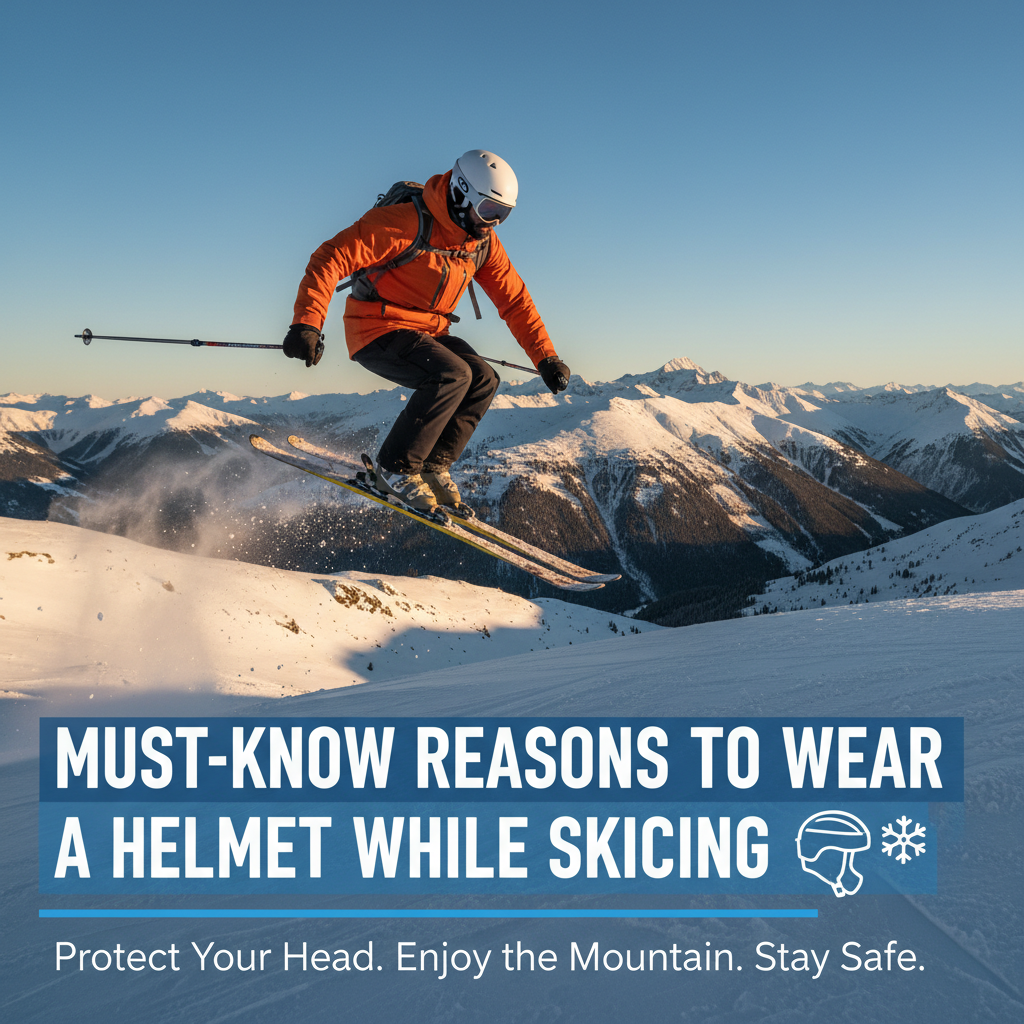
Wearing a helmet while skiing is non-negotiable for anyone serious about safety on the slopes. Helmets significantly reduce the risk of head injuries, which can be catastrophic. By donning a helmet, skiers not only protect themselves but also embrace a culture of safety that benefits everyone on the mountain. In this article, we’ll explore the critical reasons behind this practice, benefits of helmet usage, and expert recommendations to keep you protected on the slopes.
The Importance of Ski Helmets
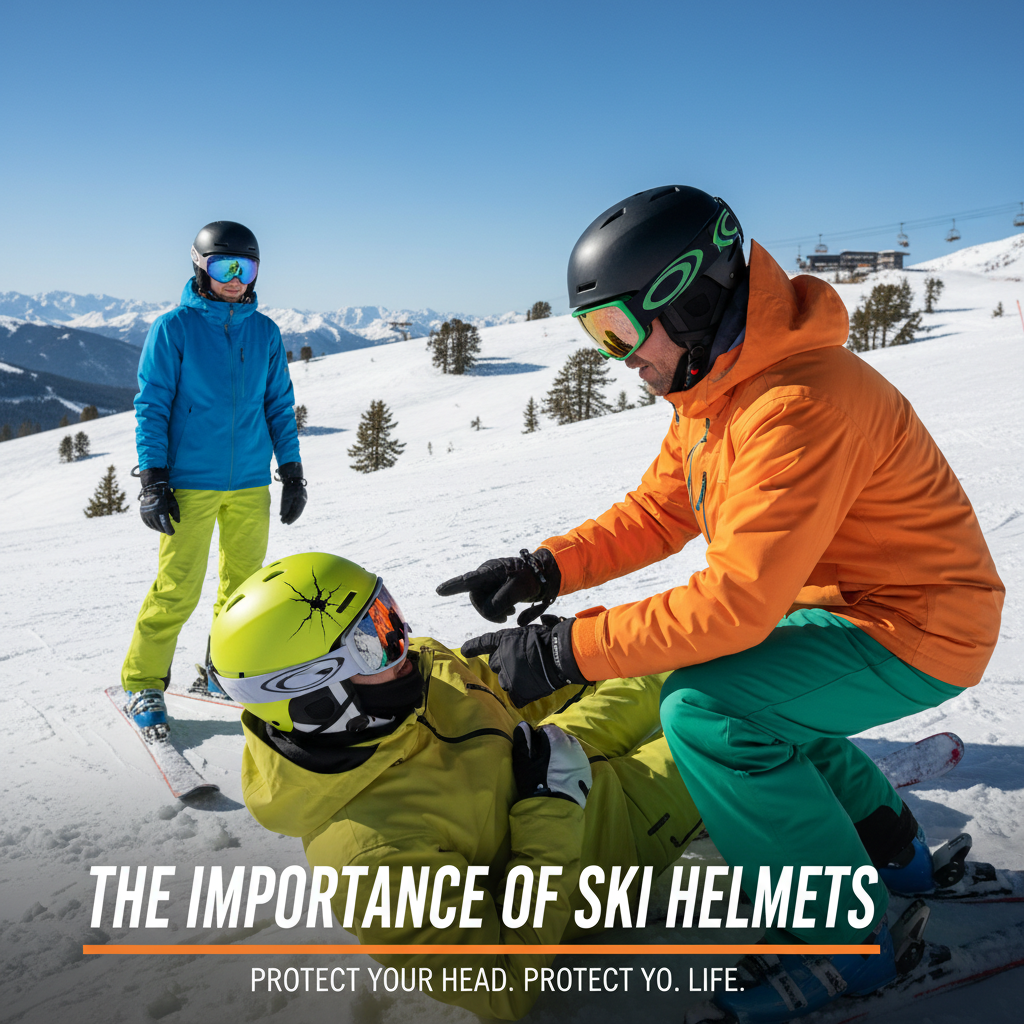
Ski helmets play a pivotal role in ensuring the safety of skiers. Research indicates that helmets can reduce the risk of serious head injuries by up to 60%. This statistic is particularly alarming given the speed at which skiers travel and the unpredictable nature of skiing environments. Accidents can occur in the blink of an eye, whether due to a collision with another skier, a fall, or an unexpected obstacle. Helmets provide crucial protection by absorbing impact and dispersing the force of a blow, which is vital in preventing severe injuries like concussions or skull fractures. The importance of wearing a helmet cannot be overstated; it is an essential piece of equipment that can mean the difference between a minor incident and a life-altering injury.
Understanding Skiing Risks
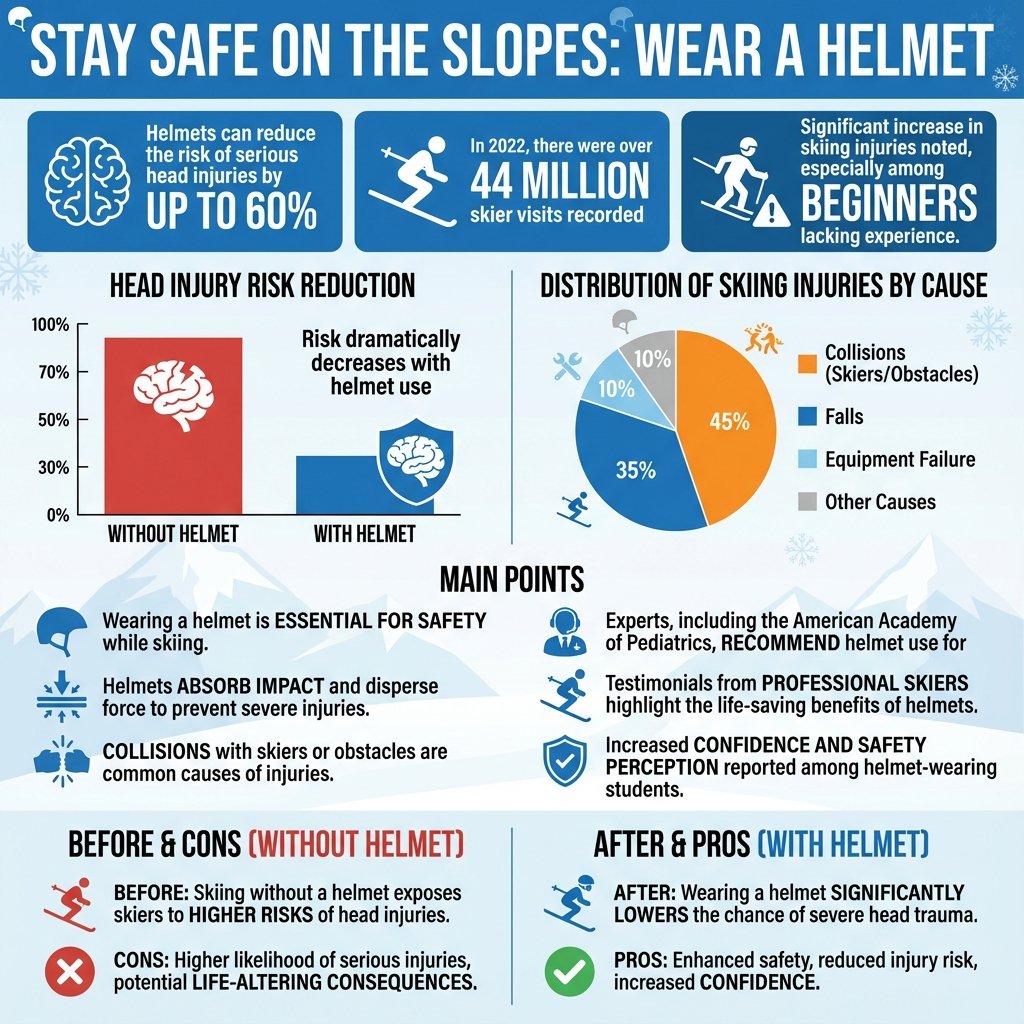

Skiing is an exhilarating sport, but it comes with inherent risks that all participants should be aware of. Statistics show a concerning rise in skiing injuries, particularly among beginners who may lack the skills and experience needed to navigate slopes safely. According to the National Ski Areas Association, there were over 44 million skier visits recorded in 2022, and with a growing number of participants, the likelihood of accidents also increases. Collisions with other skiers or fixed objects, such as trees or lift towers, are common scenarios that can result in serious injuries. Helmets act as a safeguard against such unfortunate events, providing essential protection to both novice and experienced skiers. Understanding the risks involved is the first step in taking proactive measures, and wearing a helmet is a fundamental aspect of this safety strategy.
What the Experts Say
Safety organizations and skiing experts unanimously advocate for helmet use across all skill levels. The American Academy of Pediatrics recommends that all skiers and snowboarders wear helmets to minimize the risk of head injuries. Furthermore, testimonials from professional skiers emphasize the life-saving benefits of helmets. For instance, Olympic skier Lindsey Vonn has openly discussed how her helmet saved her from a potentially severe injury during a race. Many ski instructors also report that their students feel more confident and secure when wearing helmets, which can enhance their overall skiing experience. When experts from reputable organizations and seasoned professionals agree on the critical importance of helmets, it becomes clear that this simple piece of equipment is a necessity for anyone hitting the slopes.
Features to Look for in a Ski Helmet
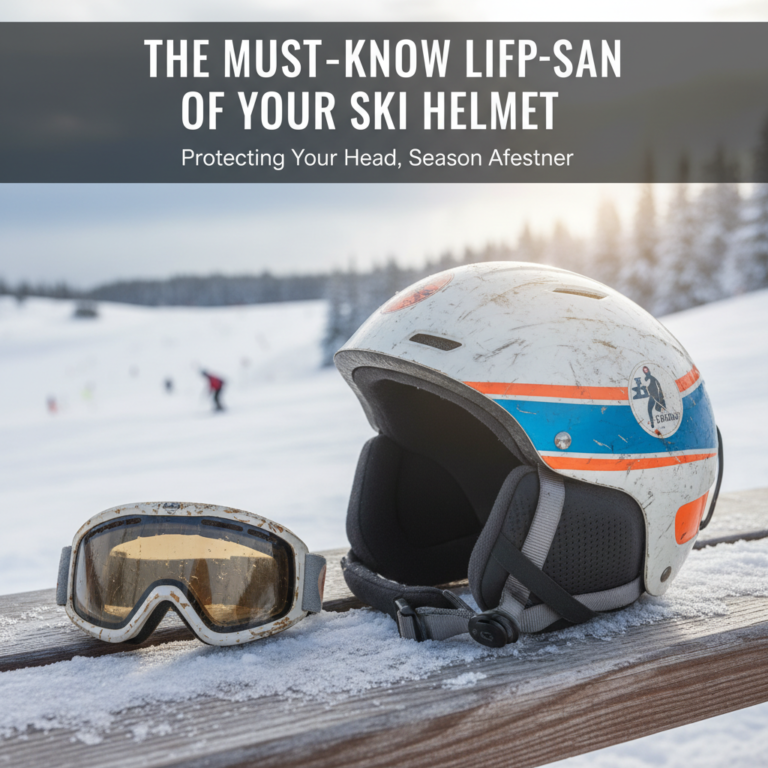
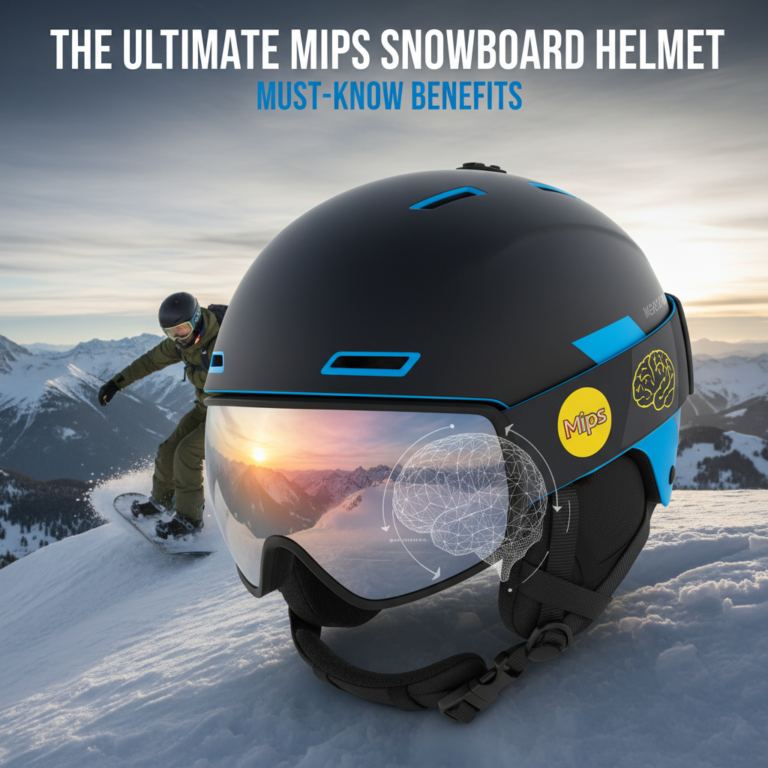
When selecting a ski helmet, it is essential to prioritize safety and comfort. Ensure your helmet has adequate impact resistance and meets established safety standards, such as those set by the American Society for Testing and Materials (ASTM) or the European Committee for Standardization (CE). A well-constructed helmet should feature a hard outer shell and an inner foam lining designed to absorb shocks during impacts. Additionally, consider helmets with adjustable ventilation systems to manage temperature and prevent overheating during vigorous activity. An adjustable fit system is also crucial, allowing for a snug, secure fit that won’t shift during use. Remember, a helmet that fits well not only enhances comfort but also maximizes protection, making it a worthwhile investment for any skier.
Helmet Myths Debunked
Despite the overwhelming evidence supporting helmet use, several myths persist that may deter skiers from wearing them. One common misconception is that helmets are uncomfortable and cumbersome. However, modern helmet designs prioritize both comfort and style, featuring lightweight materials and ergonomic shapes that cater to a wide range of head sizes. Another prevalent myth is that helmets may provide a false sense of security, leading skiers to take unnecessary risks. In reality, helmets are proven safety tools that significantly reduce the severity of injuries. By debunking these myths, it becomes clear that helmets are not just an accessory but an essential component of a skier’s safety gear.
Tips for Choosing the Right Helmet
Choosing the right helmet is vital for ensuring maximum protection and comfort while skiing. Start by trying on multiple helmets to find the best fit for your head shape—this can vary significantly between brands. A properly fitting helmet should sit level on your head and feel snug without being overly tight. Look for helmets with removable liners, which facilitate easy cleaning and maintenance, prolonging the life of your investment. Additionally, consider the weight of the helmet; lighter options can enhance comfort during long skiing sessions. Finally, ensure that the helmet has features that suit your skiing style, such as integrated audio systems or compatibility with goggles, to enhance your overall experience on the slopes.
Beyond the Helmet: Additional Safety Gear
While helmets are essential, they should be part of a broader safety strategy that includes additional protective gear. Pair your helmet with goggles to shield your eyes from harmful UV rays, wind, and debris. This combination not only enhances visibility but also increases your overall safety while navigating the slopes. Furthermore, consider investing in wrist guards or padded shorts to protect against common injuries associated with falls. These additional layers of protection can significantly reduce the risk of injury and enhance your confidence while skiing, allowing you to enjoy the sport to its fullest.
Wearing a helmet while skiing is a small step that can lead to significant safety benefits. As skiing continues to grow in popularity, prioritizing your protection on the slopes not only enhances your skiing experience but also contributes to a safer environment for everyone. With the knowledge of the risks, expert recommendations, and tips for choosing the right helmet, you can make informed decisions that keep you safe. Don’t take unnecessary risks—invest in a quality helmet today and enjoy the slopes with peace of mind.
References
- https://www.cdc.gov/headsup/basics/helmets.html
- https://www.ncbi.nlm.nih.gov/pmc/articles/PMC7038376/
- https://www.nsc.org/home-safety/safety-topics/helmet-safety
- https://www.aans.org/en/Patients/Neurosurgical-Conditions-and-Treatments/Traumatic-Brain-Injury
- https://www.helmets.org/faq.htm
- https://www.skiandsnowboard.com/news/why-wear-a-helmet-while-skiing
- https://www.ski.com/blog/why-you-should-wear-a-helmet-while-skiing/