The Essential Lifespan of Your Ski Helmet
Ski helmets are designed to last anywhere from 3 to 5 years, depending on usage and care. This lifespan can significantly impact your safety on the slopes, making it crucial to understand the factors that contribute to helmet durability. By being informed about maintenance practices and recognizing when it’s time to replace your helmet, you can ensure optimal protection during your skiing adventures. This article delves into the lifespan of ski helmets, offering insights into maintenance and the signs that indicate a need for replacement.
Understanding Ski Helmet Lifespan
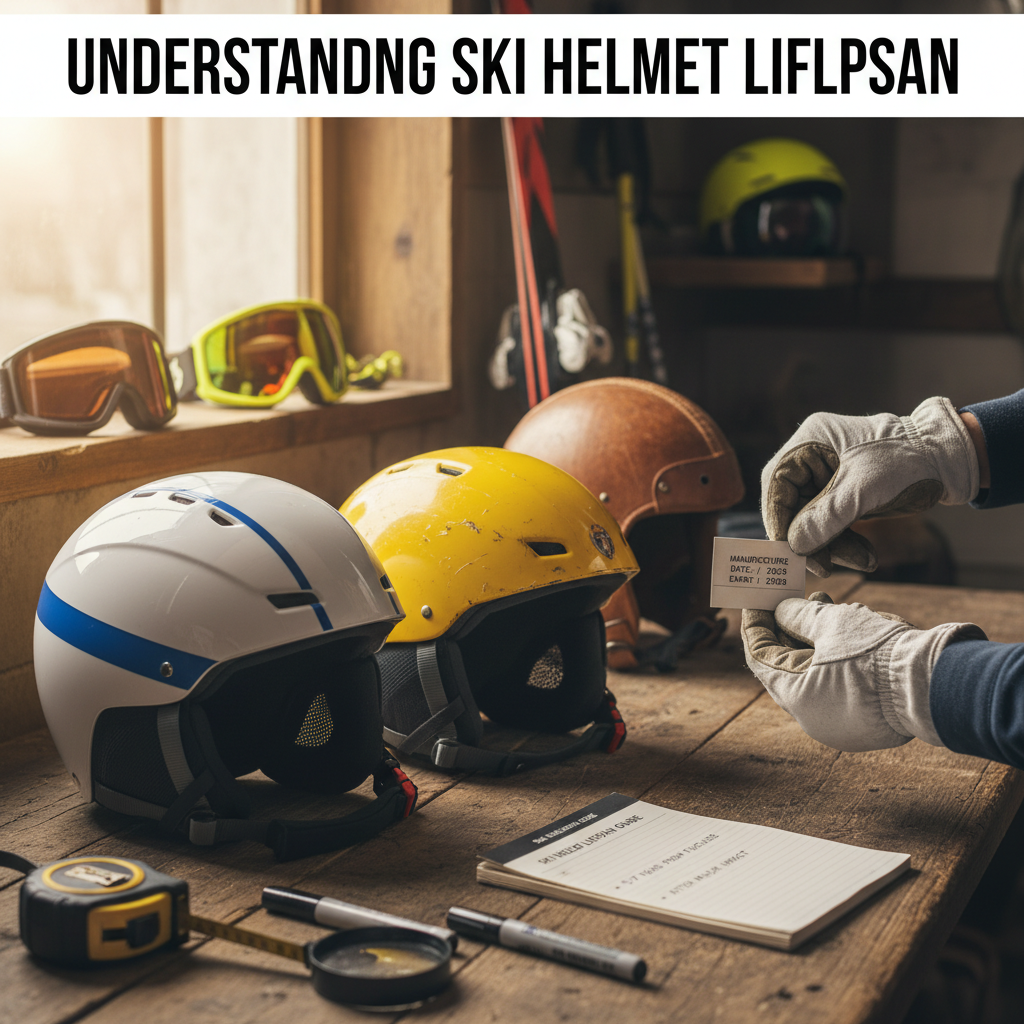
Most ski helmets have a shelf life of 3-5 years, a timeframe established by manufacturers based on the materials used and typical wear and tear. After this period, the structural integrity of the helmet may be compromised even if it appears undamaged. Additionally, replacement is crucial after a significant impact, regardless of the helmet’s age. Helmets are designed to absorb shock and protect the head during falls or collisions, but once they have fulfilled this purpose through an impact, their ability to safeguard your head is severely diminished. Therefore, being aware of the impact history of your helmet is essential for ensuring your safety on the slopes.
Factors Affecting Durability

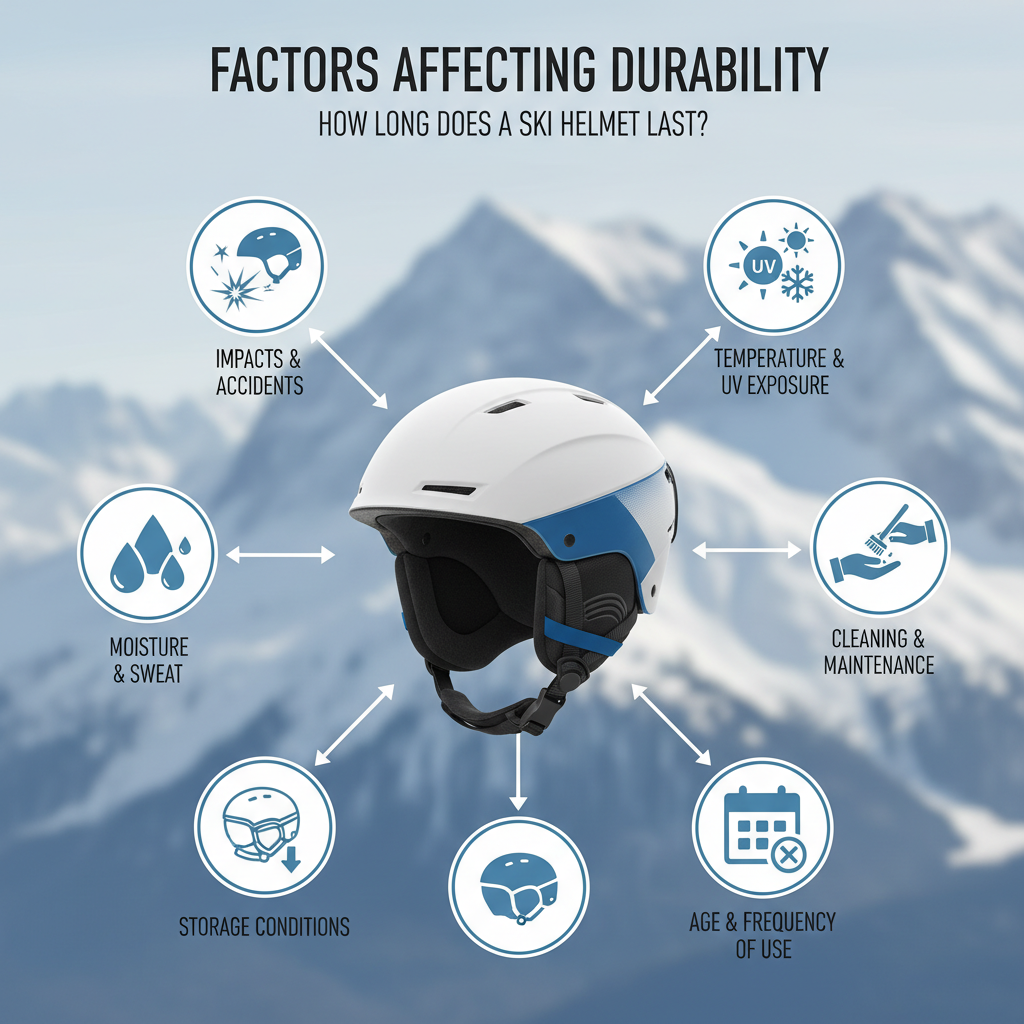
Several factors can affect the durability of your ski helmet, beginning with the frequency of use. Helmets that are worn frequently, such as those used for daily skiing or multiple trips per season, may exhibit wear and tear more quickly than those used infrequently. Additionally, exposure to environmental elements plays a significant role in helmet degradation. UV rays can break down the outer shell materials, while moisture can seep into the interior and affect the foam, especially if the helmet is not properly dried after use. Temperature fluctuations can also cause materials to expand and contract, leading to micro-fractures that could weaken the helmet over time. Therefore, understanding how these factors interact with your helmet can help you make informed decisions regarding its care and potential replacement.
Signs Your Helmet Needs Replacement
Recognizing the signs that your helmet needs replacement is vital for your safety. One of the most obvious indicators is visible damage, such as cracks or dents in the outer shell. These imperfections can compromise the helmet’s ability to absorb impact during a fall. Another crucial sign is the condition of the interior foam. If you notice that the foam is compressed, has indents, or shows signs of damage, it may not provide adequate protection anymore. Additionally, if you experience any discomfort while wearing the helmet, it could indicate that the fit has changed, potentially affecting its protective capabilities. It’s important to regularly inspect your helmet, especially after a fall or collision, to ensure that it remains in optimal condition.
Importance of Proper Care
Proper care of your ski helmet can significantly extend its lifespan and maintain its protective features. To maximize durability, store your helmet in a cool, dry place away from direct sunlight, as prolonged exposure to UV rays can degrade the materials. Regular cleaning is also essential; use mild soap and water to clean the exterior and interior, avoiding harsh chemicals that could damage the helmet’s structural integrity. After skiing, ensure that the helmet is thoroughly dried if it has been exposed to moisture. Additionally, consider using a helmet bag for storage and transport, which can protect it from scratches and impacts that could occur during travel.
Choosing the Right Helmet
Selecting the right ski helmet is crucial for ensuring safety on the slopes. Look for helmets that are certified by reputable organizations, such as ASTM (American Society for Testing and Materials) or CE (Conformité Européenne), to ensure they meet safety standards. Additionally, consider your skiing style and level when choosing a helmet. For example, a beginner might prefer a more lightweight helmet with basic features, while an advanced skier may seek a helmet with enhanced ventilation and additional safety features, such as MIPS (Multi-directional Impact Protection System). Moreover, ensure the helmet fits securely without being overly tight, as a proper fit can enhance both comfort and protection during use.
Tips for Extending Helmet Life
To extend the life of your ski helmet, take proactive measures to prevent damage. Avoid leaving your helmet in hot cars or near heat sources, as excessive heat can warp the materials and reduce their effectiveness. Regularly inspect your helmet for signs of wear and tear, including checking for loose parts, deteriorating foam, or compromised shell integrity. If you notice any issues, address them immediately, either through repair or replacement. Additionally, consider rotating between multiple helmets if you ski frequently, allowing each one to rest and recover between uses, which can further enhance durability.
FAQs About Ski Helmet Longevity
How often should I replace my helmet?
Generally, it is recommended to replace your ski helmet every 3 to 5 years, depending on usage and care. However, replace it immediately after a significant impact, regardless of age.
Are more expensive helmets worth the investment?
More expensive helmets often come with advanced safety features, better materials, and enhanced comfort. While cost does not always equate to safety, investing in a high-quality helmet can provide better protection and durability over time.
In conclusion, understanding how long a ski helmet lasts and recognizing when it’s time for a replacement is essential for your safety on the slopes. Regular maintenance and awareness of the signs of deterioration can significantly extend the life of your helmet. Don’t compromise on safety—keep your gear in top shape! Prioritizing the right helmet, proper care, and timely replacements can make a significant difference in protecting yourself while enjoying the thrill of skiing.
References
- https://www.ski.com/blog/how-long-should-a-ski-helmet-last/
- https://www.cpsc.gov/Safety-Topics/Consumer-Products/Ski-Helmets
- https://www.helmets.org/faq.htm
- https://www.skiingmag.com/how-long-do-ski-helmets-last
- https://www.mtu.edu/news/2020/december/experts-ski-helmets-need-to-be-replaced.html
- https://www.washingtonpost.com/lifestyle/style/you-need-to-replace-your-ski-helmet-even-if-it-looks-fine/2021/01/15/500c1b00-55b7-11eb-ae6b-4f3c3b41b9a7_story.html
- https://www.nsc.org/home-safety/tools-resources/seasonal-safety/winter-sports-safety/ski-helmet-safety