Essential Helmet Law Facts Every Tennessee Rider Must Know
In Tennessee, motorcycle riders must wear a helmet unless they meet specific criteria related to age and safety training. Understanding these regulations is essential for ensuring your safety and maintaining legal compliance while riding. This article will break down the specifics of Tennessee’s helmet laws, ensuring you’re well-informed before hitting the road.
Overview of Tennessee Helmet Laws
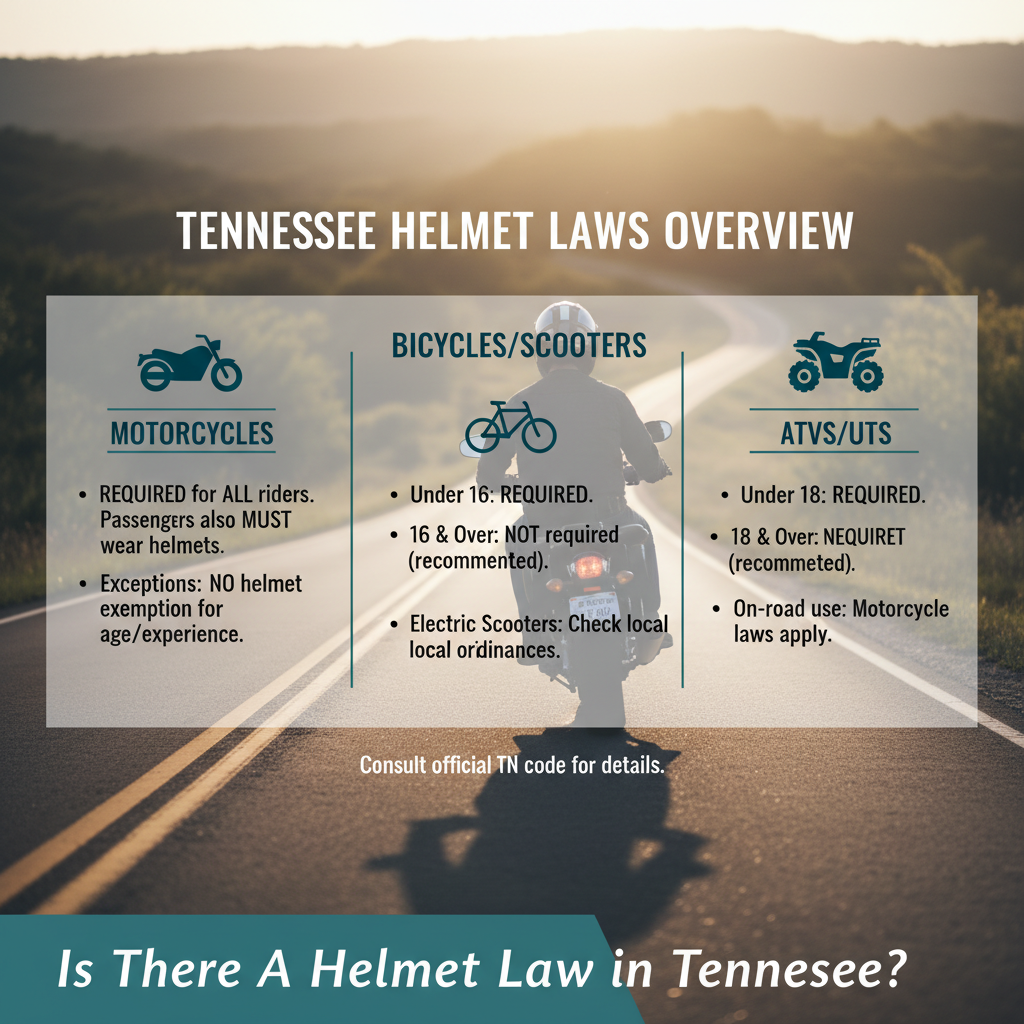
Tennessee has clear and structured helmet laws aimed at promoting rider safety. Under current legislation, all motorcycle riders under the age of 21 are mandated to wear a helmet at all times while operating a motorcycle. This requirement stems from the understanding that younger riders are statistically at a higher risk for accidents and severe injuries, particularly head injuries.
For riders over the age of 21, the law provides a degree of leniency. Those who have successfully completed a motorcycle safety course certified by the Tennessee Department of Safety and Homeland Security are allowed to ride without a helmet. Additionally, riders can opt-out of helmet use if they can demonstrate that they have a minimum level of health insurance coverage, typically defined as having at least $50,000 in medical benefits. This provision is intended to encourage responsible riding practices while still giving experienced riders the freedom to choose.
Importance of Wearing a Helmet
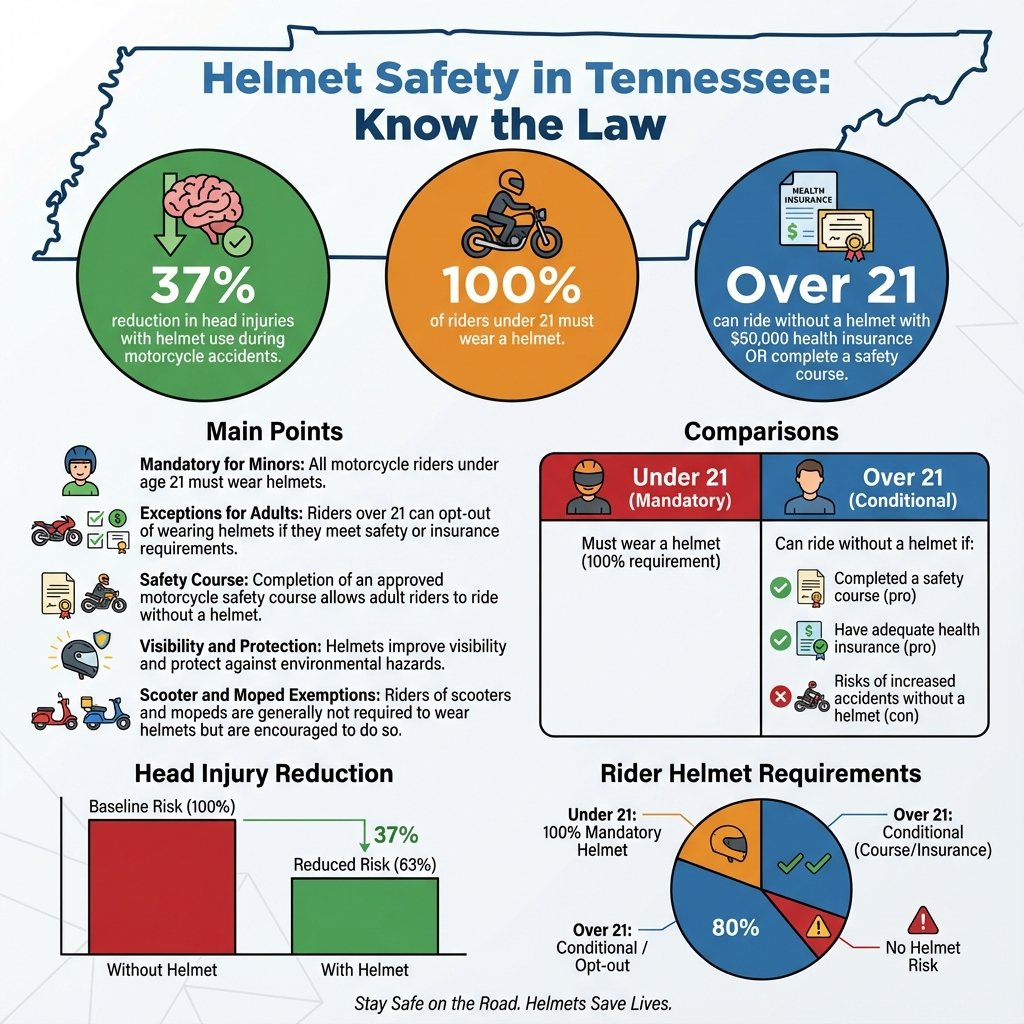
The significance of wearing a helmet cannot be overstated. Studies indicate that helmets are effective in reducing the risk of head injuries by approximately 37% in the event of a motorcycle accident. This statistic highlights the importance of making helmet use a priority, regardless of age or riding experience.
Furthermore, helmets serve to enhance visibility on the road. Many modern helmets come equipped with reflective materials and bright colors that can make riders more noticeable to other vehicles, thereby potentially preventing accidents. Additionally, helmets offer protection from environmental elements, such as wind, rain, and debris, which can be particularly hazardous when riding at high speeds. Overall, wearing a helmet is not just a legal obligation for many riders in Tennessee; it is an essential component of safe riding practices.
Exceptions to the Helmet Law
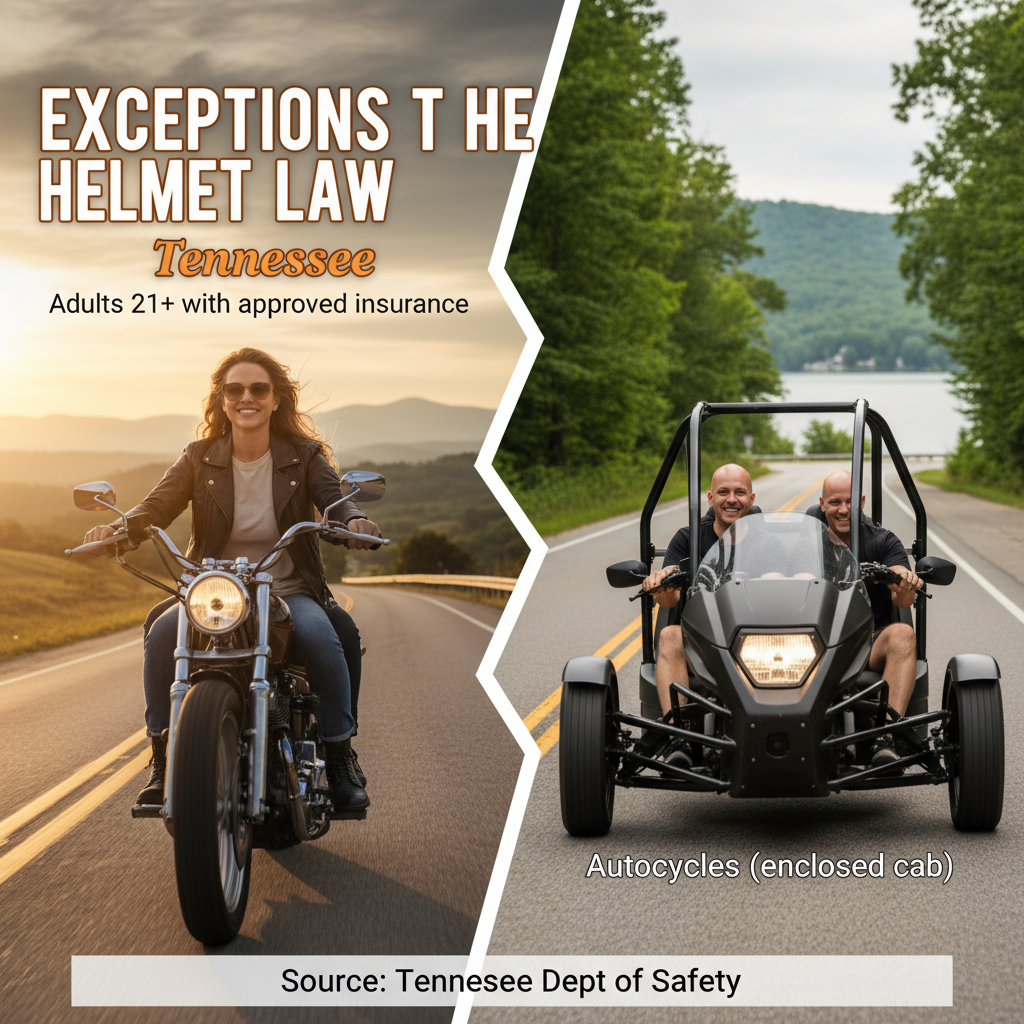
While Tennessee’s helmet law is stringent, there are exceptions that riders should be aware of. As previously mentioned, individuals over the age of 21 may ride without a helmet if they have completed an approved motorcycle safety course or can provide evidence of sufficient health insurance. This flexibility acknowledges that experienced riders may have a better understanding of their capabilities and risks.
Additionally, certain types of vehicles are exempt from the helmet law. For instance, riders of scooters and mopeds are typically not required to wear helmets, although safety advocates strongly recommend doing so. Understanding these exceptions can help riders make informed decisions about their safety gear while navigating Tennessee’s roads.
Penalties for Non-Compliance
Failing to comply with Tennessee’s helmet laws can result in significant penalties. Riders caught without a helmet may face fines that can vary based on local ordinances but typically start at around $50. Repeat offenders may incur higher fines or even face additional legal consequences.
Moreover, non-compliance can have serious implications for insurance claims and liability in the event of an accident. If a rider is involved in a crash while not wearing a helmet, insurance companies may deny claims or reduce compensation based on the rider’s negligence. This not only impacts the rider financially but can also affect their legal standing in any resulting lawsuits. Therefore, adhering to helmet laws is crucial not just for safety, but also for financial and legal protection.
Safety Course Benefits
Participating in a motorcycle safety course is highly beneficial for riders, particularly for those over the age of 21 who wish to ride without a helmet. The Tennessee Motorcycle Safety Program offers comprehensive training that covers essential riding skills, safety strategies, and best practices for emergency situations. Completing this course not only allows riders to legally forgo a helmet but also equips them with valuable skills that can significantly reduce the risk of accidents.
Additionally, many insurance providers offer discounts on premiums for riders who have completed an approved safety course. This financial incentive, combined with the skills gained, makes enrolling in such training programs a sound investment for any motorcycle enthusiast. The knowledge and confidence gained from a safety course can lead to a more enjoyable and safer riding experience.
Current Trends and Legislative Changes
Helmet laws in Tennessee are not static; they are subject to ongoing discussions and potential changes. Recently, advocacy groups have been active in lobbying for both stricter and more lenient regulations concerning motorcycle safety. Some proponents argue for the elimination of the helmet requirement for all riders, citing personal freedom and the right to make individual choices about safety. Conversely, safety advocates continue to emphasize the importance of helmets in reducing fatalities and serious injuries, especially among younger riders.
Understanding the current trends and legislative discussions surrounding helmet laws can help riders stay informed and proactive about their rights and responsibilities. It’s advisable for all motorcyclists in Tennessee to engage with local advocacy groups and follow legislative updates to ensure they remain compliant with any changes that may affect their riding experience.
Final Thoughts on Helmet Use
In summary, adhering to Tennessee’s helmet laws is paramount for both legal compliance and personal safety. Riders under the age of 21 are required to wear helmets, while those over 21 have options contingent upon completing safety courses or maintaining adequate health insurance. The benefits of wearing a helmet extend beyond legal obligations, as they significantly reduce the risk of severe injuries in accidents and enhance overall visibility and protection.
As a responsible rider, it’s crucial to stay informed about local laws and best safety practices. Whether you choose to wear a helmet or not, prioritizing your well-being and that of others on the road should always be your top priority.
References
- https://www.ncbi.nlm.nih.gov/pmc/articles/PMC6516722/
- https://www.tn.gov/safety/section-3/motorcycles/motorcycle-safety.html
- https://www.iihs.org/topics/motorcycles/helmet-use
- https://www.tennessee.gov/safety/section-3/motorcycles/motorcycle-helmet-law.html
- https://www.nhtsa.gov/road-safety/motorcycles
- https://www.ama-cycle.org/advocacy/state-legislation/tennessee/
- https://www.tn.gov/safety/motorcycle-safety.html