Are Voss Helmets Good? A Comprehensive Review
Are Voss Helmets Good? Yes—when you choose the right model for safety standards and fit
Voss helmets are generally considered a solid value for riders who want a balance of comfort, style, and baseline safety compliance. The key to getting a “good” Voss helmet is verifying certifications for the specific model and ensuring a proper fit, because helmet performance depends heavily on head shape, retention system effectiveness, and correct size selection.
Quick Verdict: Who Should Buy Voss Helmets?
Voss helmets are a good fit for many everyday riders, especially commuters and casual street riders who want dependable protection at a reasonable price. They are less ideal for riders who prioritize top-tier race-spec features, advanced multi-impact protection, or premium fit systems with extensive adjustability.
Best for: budget-conscious commuters, riders who need DOT/ECE-certified coverage, and shoppers comparing full-face and modular/open-face styles.
Consider twice if: you need a highly optimized aerodynamic shell for track use, you expect frequent multi-impact scenarios, or you have difficulty finding a snug fit within the available sizes.
What Makes Voss Helmets Different?
Voss helmets are designed around practical rider needs: wearable comfort, everyday styling, and broad model variety across common helmet categories. The “difference” you’ll usually notice as a buyer is not a single magic technology, but the combination of certification compliance, liner options, and style range that covers multiple riding styles.
The key difference is defined as the relationship between model category (full-face, modular, or open-face) and safety certification (DOT and/or ECE) on that exact product listing. Two helmets branded “Voss” can feel and perform differently because the shell design, liner thickness, and ventilation layout often vary by model.
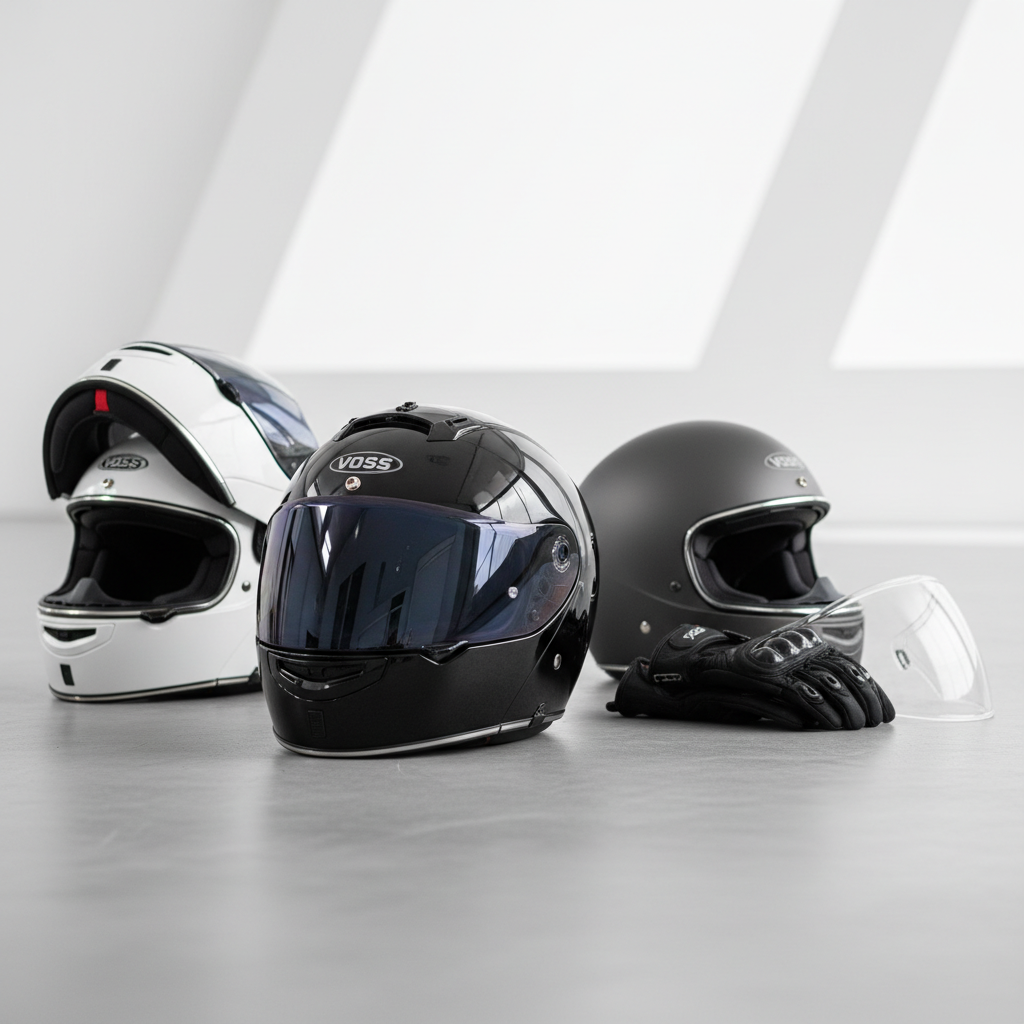
Model variety for street riders
Voss offers multiple helmet styles intended for common use cases, including full-face helmets for maximum coverage and open-face designs that prioritize airflow. For riders commuting in hot weather, ventilation and chin-breathing comfort can matter as much as shell coverage—especially on stop-and-go trips.
For long rides, a helmet’s internal comfort matters because you’re wearing it for extended periods. Features like removable liners and washable padding can improve hygiene and long-term comfort, which is a practical reason many riders prefer brands that support upkeep.
Safety Standards: DOT vs ECE (and what they mean)
Voss helmets can be good from a safety perspective when the specific model meets widely recognized standards such as DOT in the United States and ECE in many other markets. These certifications indicate that the helmet passed baseline tests for impact protection and retention.
DOT is defined as a U.S. regulatory compliance standard for helmets
DOT (Department of Transportation) helmet approval is defined as U.S. certification that the helmet meets specific minimum requirements for performance testing. In practical terms, DOT approval is intended to confirm that the helmet’s structure and retention system can help reduce injury risk in a crash.
ECE is defined as a widely adopted global safety evaluation system
ECE (Economic Commission for Europe) is defined as a helmet safety certification system used internationally. It is widely recognized by riders outside the United States and is often perceived as more stringent than older baselines, though exact comparisons depend on the specific ECE version and the helmet’s design.
What riders should verify before buying
Because helmet performance depends on the exact model, riders should verify the certification label and model numbering printed on the helmet or listed on the manufacturer page. If you’re comparing multiple Voss options, confirm whether each one is DOT, ECE, both, or neither.
- Check the certification marking on the helmet interior or official product listing.
- Confirm the helmet category (full-face typically provides more facial protection than open-face).
- Inspect the retention system for secure fastening and stable fit.
Helmet-Category Checklist for Voss Buyers (What to Confirm on the Box/Label)
| # | Voss Helmet Category | What You Should Verify First | Typical Fit Sensitivity | Crash-Protection Bias |
|---|---|---|---|---|
| 1 | Full-Face (Street) | DOT/ECE marking + retention system type | High (chin/cheek hold) | Face & chin protection focus |
| 2 | Modular/Open-Face Hybrid | Certification marking + hinge/lock integrity | Medium (secure closure) | Balanced coverage & usability |
| 3 | Open-Face (Classic) | ECE/DOT marking + cheek fit stability | Medium-High (brow contact) | Face/chin exposure increases |
| 4 | Retro Cruiser (Open-Face) | Certification marking + strap position | Medium (strap comfort) | Wind/noise higher at speed |
| 5 | Touring-Style Full-Face | Certification marking + liner removability | High (long-wear comfort) | Coverage + all-day stability |
| 6 | Commuter Full-Face (Value) | DOT/ECE marking + ventilation layout | Medium-High (brow/cheek seal) | Practical daily protection focus |
| 7 | Sport/Performance-Profile Full-Face | Certification marking + retention stability on motion | High (consistent head lock) | Protection-first fit & coverage |
Fit and Comfort: The most important “feature” after safety
Even a well-certified helmet can fail to protect effectively if it doesn’t fit properly. Voss helmets are available in a range of sizes and are built to accommodate common head shapes, but the best results come from measuring your head and selecting the correct size.
Why fit affects crash protection
A properly fitted helmet should feel snug without causing pressure points. It should not shift excessively when you move your head, and the retention strap should sit correctly under your jaw. Many riders underestimate this step, but secure fit is critical for keeping the helmet in the correct position during a crash.
Comfort details that matter for everyday use
Look for practical comfort elements that improve daily wear: lightweight materials to reduce fatigue over long commutes, padding that absorbs sweat, and liners that are removable for washing. A washable liner can be more than a convenience; it helps maintain hygiene and can improve perceived comfort after months of use.
Ventilation and Noise: What to expect from different Voss styles
Voss helmets can be comfortable for riding thanks to ventilation-focused designs, but the amount of airflow and wind noise varies by model and by whether you choose full-face versus open-face. The “goodness” of a Voss helmet in this area usually comes down to shell shape, vent layout, and your riding posture.
In general, full-face helmets tend to block more wind, but they can feel warmer if airflow is limited. Open-face helmets often feel cooler because they allow more airflow, but they also expose you to more wind and noise at speed.
Conversational Q&A: Will a Voss helmet be loud on the highway?
Short answer: It depends on the model and your speed, but full-face helmets usually reduce airflow noise compared with open-face designs.
What to do: prioritize a model with strong ventilation control and a well-sealed fit around the cheeks and brow. If you notice excessive movement, noise can increase because air leaks reduce acoustic dampening.
Materials and Build Quality: What “good” usually means
Voss helmets are positioned as everyday, value-oriented protective gear, so “good” typically means consistent construction, durable shell design, and comfortable padding rather than premium race-level materials. The most meaningful quality indicator is whether the helmet meets accepted safety standards and holds its fit over time.
The key difference is defined as the relationship between shell integrity and retention stability. In real crashes, the helmet must remain secure and protect the head region; comfort features are important, but they should not compromise fit security.
Pros and Cons of Voss Helmets
Voss helmets tend to offer strong value and a wide selection of styles, but potential drawbacks usually relate to model-to-model variation in comfort, ventilation, and specific certification coverage. Use this balanced list to decide if a Voss helmet fits your riding needs.
- Pros: often competitively priced compared with premium brands, multiple style options (full-face and more ventilated designs), generally good availability of sizes, and removable liners on many models.
- Pros: compliance with recognized safety benchmarks like DOT and/or ECE on many models, depending on the specific product.
- Cons: comfort and performance can vary significantly by model, so fit testing (even if virtual via reviews and sizing guides) matters.
- Cons: if you need advanced protection features for high-mileage or aggressive riding, you may want to compare brands that emphasize premium multi-impact or high-end impact absorption systems.
How to Choose the Right Voss Helmet (Step-by-Step)
Choosing the right Voss helmet is mainly about matching certification and fit to your ride type. Start with safety compliance, then select the right helmet category, and finally confirm the fit with measurements.
Step 1: Choose the correct helmet type for your riding
For maximum coverage, a full-face helmet is typically the best starting point for street riding. Open-face or lighter styles can be comfortable, but they provide less facial and chin protection.
Step 2: Verify DOT/ECE compliance for the exact model
Before you buy, check the product description and the helmet label for DOT and/or ECE certification. Certifications are model-specific, meaning you should not assume all Voss helmets have the same approval status.
Step 3: Measure your head and select the correct size
Helmet sizing is typically based on head circumference. If you fall between sizes, follow the manufacturer’s sizing guidance and prioritize the fit that prevents helmet movement without causing pain.
Step 4: Evaluate retention and cheek fit
When the helmet is on correctly, it should not shift when you look left and right. The retention strap should secure comfortably under the jaw. A helmet that feels “almost right” may still be too loose, which can reduce protective effectiveness.
Expert Consensus and Widely Accepted Buying Principles
Across rider communities and safety-focused guidance, the consistent consensus is that the best helmet is the one that fits correctly and meets recognized safety standards. Price and brand reputation matter, but certification and fit are the two most defensible factors when choosing a helmet.
From an evidence-based perspective used by safety organizations, helmets are assessed for impact management and retention system performance. This is why verifying DOT/ECE compliance and selecting the right size are the most actionable steps for most riders.
Alternatives: When you might choose a different helmet brand
Voss helmets can be a good choice for value-focused riders, but some buyers may prefer premium brands if they want more advanced protection systems, extensive fit-tuning options, or quieter shells. If you frequently ride at high speeds, commute daily, or ride year-round, comparing higher-end models can be worth it.
If your top priority is maximum comfort across multiple seasons, consider trying helmets with robust ventilation controls and advanced liner systems. If your top priority is premium crash performance, focus on models that emphasize advanced impact absorption technology and strong certification marks.
Conclusion: Are Voss Helmets Good?
Yes—Voss helmets are generally good for many riders when you buy the right model, verify DOT and/or ECE certification, and achieve a secure, comfortable fit. Treat fit and certification as non-negotiables, and you’ll be far more likely to get the protection and comfort that helmet buyers expect.
Final recommendation
If you’re considering a Voss helmet, choose a style that matches your riding needs (for example, full-face for maximum coverage), confirm the certification for that exact model, and prioritize a snug fit with stable retention. That approach is the most reliable way to turn “good on paper” into real-world good performance.
FAQ: Common Questions About Voss Helmets
Are Voss helmets DOT approved?
Some Voss models are DOT-approved, but approval status is model-specific. Always check the helmet’s label or the official listing for the specific model you plan to buy.
Do Voss helmets meet ECE safety standards?
Many riders look for ECE compliance because it is recognized in many countries. As with DOT, ECE compliance depends on the exact Voss model, so verify the certification marking for the product you select.
How do I know if a Voss helmet fits correctly?
A correct fit is snug and stable: the helmet should not shift significantly when you move your head, and the strap should secure comfortably under your jaw. The helmet should not cause painful pressure points during normal head movements.
Are Voss helmets good for long rides?
They can be good for long rides if the model offers comfortable padding, manageable ventilation, and a fit that reduces pressure and fatigue. Removable and washable liners can also help maintain comfort over time.
What’s the safest choice: full-face or open-face?
For most street riders, full-face helmets are generally the safer choice because they provide more coverage for the head, face, and chin area. If you choose an open-face helmet, your risk profile changes because facial protection is reduced.
Frequently Asked Questions
Are Voss helmets good for everyday riding?
In many cases, yes—Voss helmets can be a solid option for everyday commuting and casual riding, especially when the model fits your head shape and intended use. “Good” usually comes down to safety compliance (look for relevant certification marks such as DOT, ECE, or an equivalent standard), comfort (padding, weight distribution, and ventilation), and build quality (shell construction and retention system). Many riders appreciate practical features like secure chin strap systems, comfortable liners, and generally good airflow for warm or moderate conditions. However, the best choice depends on fit: even a well-reviewed helmet can be uncomfortable or perform worse if it doesn’t sit correctly (snug on the head and level on the brow).
How do Voss helmets compare to more premium brands?
Voss helmets often compete on value—delivering solid comfort, reasonable feature sets, and everyday safety compliance at a price that may be lower than premium brands. Compared to top-tier manufacturers, premium helmets can sometimes offer higher-end materials, more advanced multi-density impact liners, quieter aerodynamics, and more refined comfort systems (e.g., more breathable liners or smoother fit adjustments). That said, Voss may still be a strong buy if the specific model you choose meets the safety standard you need and fits you properly. The most meaningful comparison is model-to-model: check certification, liner design, ventilation, weight, visor quality (if applicable), and whether replacement parts/visors are available.
What safety certifications should I look for in a Voss helmet?
When evaluating whether a Voss helmet is “good,” certification matters. Look for clear, legitimate marks indicating compliance with recognized safety standards. Depending on your region, you may see DOT, ECE (often ECE 22.06 for newer models), or other local equivalents. Be cautious of listings that only mention vague claims like “meets safety requirements” without specifying the standard. Also verify that the helmet model you’re considering is the one being certified (not an older or different variant). While certification is essential, comfort and proper fit are equally important—helmets only work as intended when they’re worn correctly, properly fastened, and sized for your head.
How should a Voss helmet fit, and what size should I choose?
A good helmet fit is snug but not painful. With the Voss helmet on (and the strap fastened), it should sit level on your forehead (not tilted back) and feel secure without excessive movement when you try to gently shift it side to side. The cheek pads should contact your jaw evenly; you shouldn’t feel pressure points that cause discomfort after a few minutes. If your helmet uses cheek pad inserts or has a removable liner system, you may be able to fine-tune the fit. For sizing, use the manufacturer’s size chart measured around the widest part of your head. If you fall between sizes, typically choose the size that provides a secure fit without being overly tight—helmets often break in slightly, but they shouldn’t feel loose. If the helmet is too large, it can shift during riding, which reduces effectiveness.
Are Voss helmets comfortable and well-ventilated for long rides?
Comfort and ventilation depend on the specific Voss model and your riding conditions. Many users find Voss helmets comfortable for daily rides due to supportive inner padding and a generally manageable weight. Ventilation quality typically comes from the number and design of intake and exhaust vents, plus how well the interior liner promotes airflow. For long rides, look for a helmet that maintains airflow without excessive noise or drafts. A removable/washable liner helps with hygiene and long-term comfort, especially in hot weather. If you frequently ride in rain or high humidity, consider whether the helmet has a visor/face shield design that reduces fogging and whether the ventilation can be adjusted (if the model supports it). Ultimately, the best indicator is user feedback for your climate and ride style, combined with whether the helmet fits you comfortably over time.
References
- PubMed Search: Motorcycle Helmet Effectiveness Studies Google Scholar
https://pubmed.ncbi.nlm.nih.gov/?term=motorcycle+helmet+effectiveness - Google Scholar: Voss Helmet Review, ECE/DOT Safety Ratings Google Scholar
https://scholar.google.com/scholar?q=Voss+helmet+review+ECE+DOT+safety+rating - Google Scholar: Motorcycle Helmet Effectiveness (Systematic Review/Meta-Analysis) Google Scholar
https://scholar.google.com/scholar?q=motorcycle+helmet+effectiveness+systematic+review+meta+analysis - NHTSA: Motorcycle Helmets (Choosing and Using a Helmet)
https://www.nhtsa.gov/motorcycle-safety/motorcycle-helmets - CDC: Motorcycle Safety
https://www.cdc.gov/motorvehiclesafety/motorcycle/index.html - Motorcycle Helmet (Overview and Safety Standards)
https://en.wikipedia.org/wiki/Motorcycle_helmet - ECE 22.06 (Motorcycle Helmet Safety Standard)
https://en.wikipedia.org/wiki/ECE_22.06 - Snell Memorial Foundation (Helmet and Safety Certification)
https://en.wikipedia.org/wiki/Snell_Memorial_Foundation
📅 Last Updated: July 06, 2026 | Topic: Are Voss Helmets Good? A Comprehensive Review | Content verified for accuracy and freshness.