How to Store Your Water Sports Helmet Properly
Store your water sports helmet the right way: clean, dry, protect from UV, and store it in a breathable, padded space
Proper storage starts the moment you rinse your helmet after a session. A well-stored helmet reduces odor, prevents mold growth, and helps maintain fit and impact protection for your next swim, paddle, or ride.
Why correct helmet storage matters for safety and lifespan
Helmet storage affects more than appearance; it directly impacts hygiene, materials, and long-term protective performance. Most manufacturers and safety communities stress that helmets should be kept clean and dry to avoid degradation of straps, foams, and structural shells.
The key difference is that a wet or salty helmet can trap corrosion-causing residues and accelerate wear in padding and retention systems. Over time, that can mean a looser fit and less reliable comfort, even if the helmet still looks intact.
From a materials perspective, water sports helmets commonly include an outer shell (often ABS or similar polymers), an inner EPS-style foam or comfort foam, and a retention system with straps. Salts, chlorine, and grit can cling to seams and fasteners, while moisture encourages microbial growth.
Expert consensus in plain terms
Industry guidance aligns on a few basics: rinse off contaminants, disinfect when needed, dry thoroughly, and avoid high heat and direct sunlight. This mirrors common care principles used across head protection products, including industrial and cycling-style helmets.
Step 1: Clean your water sports helmet before you store it
Cleaning before storage is defined as removing salt, sand, chlorine residue, and sweat so contaminants do not sit in foam and seams. If you skip this step, you risk persistent odor and faster deterioration of liner materials.
Fresh water rinsing should come first. Saltwater and sandy shorelines are especially problematic because they combine salt crystals with abrasives that can grind into strap stitching and padding during drying.
What to rinse off after each session
Focus on these high-risk areas:
- Outer shell: remove salt spray, mud, and algae residue.
- Straps and buckles: prevent stiffness and residue buildup.
- Chin guard and adjuster points: these hold grit in small gaps.
- Liners and padding: trapped sweat can lead to odor even after “airing out.”
How to clean without damaging helmet materials
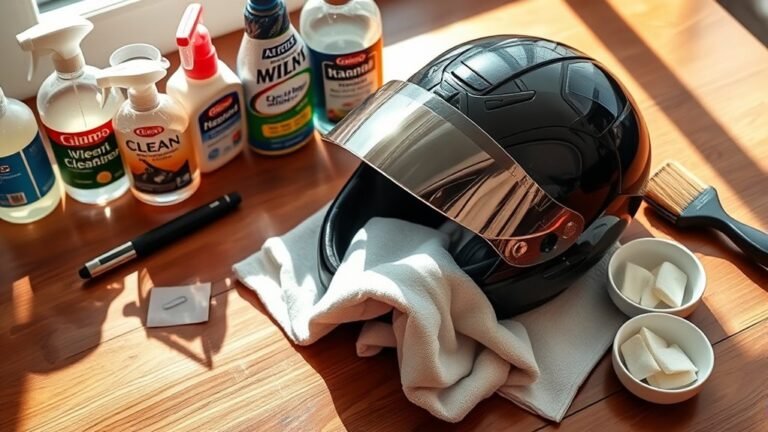
Use gentle, non-abrasive methods. The key difference is that harsh chemicals can degrade strap webbing, adhesives, and certain plastics, while abrasive scrubbing can create micro-scratches on outer surfaces.
A practical method is:
- Rinse thoroughly with cool to lukewarm fresh water.
- Use a soft cloth or soft sponge for wiping.
- For stubborn stains, apply a mild soap solution and wipe gently.
- Avoid solvents, bleach, and strong degreasers unless your helmet manufacturer explicitly allows them.
Disinfecting: when it’s needed and what to use
Disinfection is defined as reducing microbes that cause odor and hygiene issues, particularly for helmets used frequently or in shared environments. You typically want to disinfect if your helmet develops a persistent smell, you sweat heavily, or you use it in high-contact settings.
A common, lower-risk approach is a mild water-and-vinegar solution (for example, a diluted mixture such as 1:1 vinegar to water, depending on sensitivity of materials). Wipe surfaces lightly, then rinse again with fresh water if the manufacturer recommends it.
Always check the manufacturer’s care instructions for your model and materials. If you’re using a helmet from brands like Gath, Pro-Tec, Liquid Force, O’Neill, or similar water-sports manufacturers, locate the specific cleaning guidance in the manual or support page.
Step 2: Dry your helmet completely to stop mold and odor
Drying fully is defined as removing moisture from every crevice, including padding seams and strap attachment points. This step is non-negotiable because trapped moisture is the fastest path to mildew and long-term smell.
Air drying is recommended over enclosed drying methods. If you store a damp helmet, the inside foam can hold water for days.
Air-dry technique that works
For best airflow, try these steps:
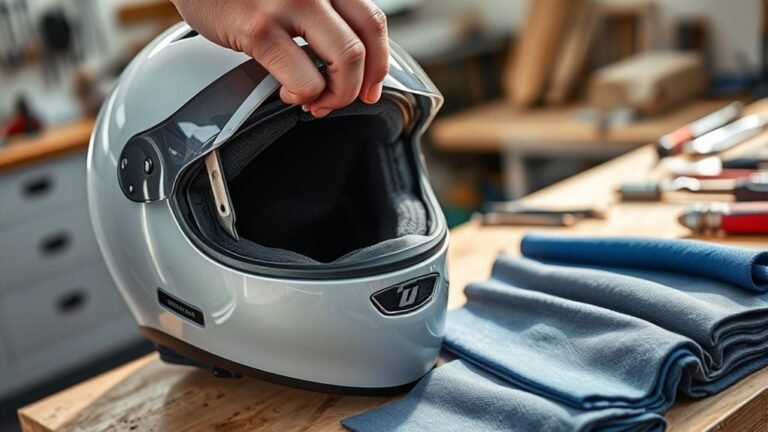
- Remove any removable liners or padding inserts, if your helmet design allows it.
- Shake gently to release trapped water droplets.
- Place the helmet in a well-ventilated space.
- Store it upside down or at an angle so moisture drains away from seams.
- If available, use a fan to increase airflow, but avoid strong heat.
Allow enough time for complete drying. As a practical rule, give it at least 12 to 24 hours after heavy salt or chlorine exposure, and longer if humidity is high.
Avoid these drying mistakes
These are common issues that shorten helmet life:
- Direct heat: heaters, hair dryers, and radiators can warp shells and soften foams.
- Sealed bins: airtight containers trap humidity and accelerate odor formation.
- Car dashboards: temperature spikes and UV combine to stress materials.
Step 3: Protect your helmet from UV and extreme temperatures
UV protection is defined as limiting exposure to sunlight that can weaken helmet materials and degrade cushioning over time. Extreme temperatures also affect strap elasticity and adhesive bonds.
Even “quick checks” left on a beach towel can add up. On a sunny day, a helmet left outdoors can experience surface temperatures far above ambient levels, especially in enclosed vehicles.
Where to store it during drying and after
Choose an indoor or shaded area:
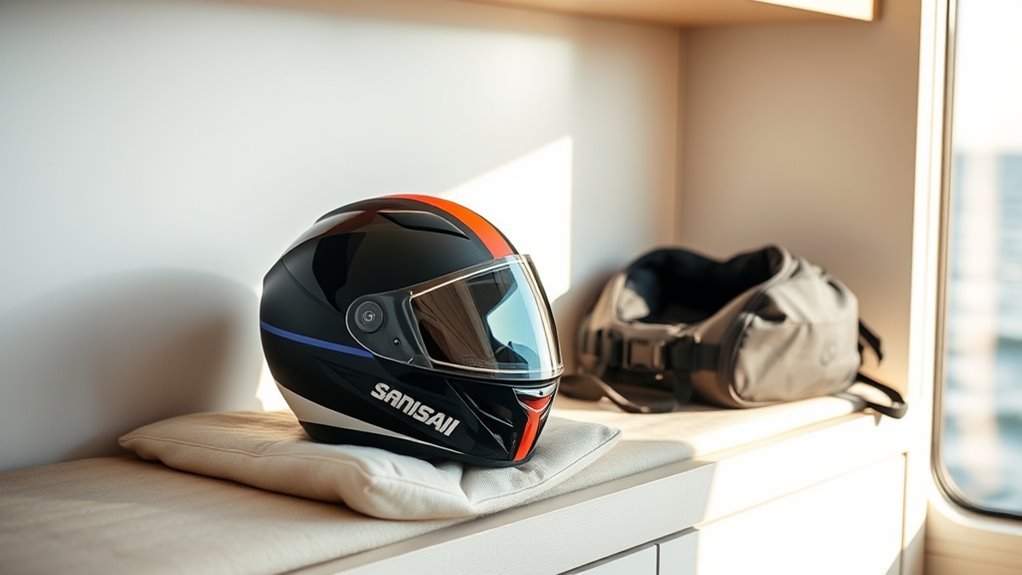
- Use a cool, shaded spot with airflow.
- Keep it away from windows where sunlight streams in.
- Never store it in a car trunk for long periods.
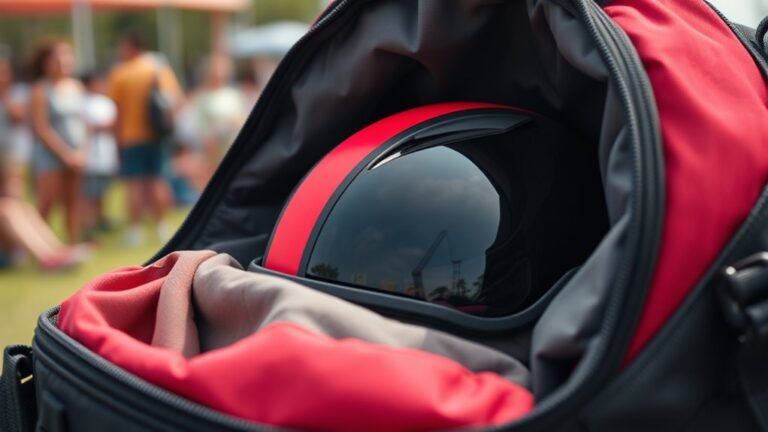
- If you use a helmet bag, select one that supports ventilation rather than sealing in moisture.
Step 4: Use the right storage bag and padding
Proper storage is defined as keeping your helmet supported, protected from impacts, and separated from moisture and grime. A quality bag reduces scuffs and prevents your helmet from being crushed or bent.
Look for a water-resistant or water-repellent helmet bag with:
- Padded protection to prevent compressing the liner.
- Durable outer fabric for abrasion resistance.
- Easy-clean lining so you can wipe it down after sandy trips.
- Secure closure that doesn’t crush the helmet when zipped.
Water Vapor Transmission (WVTR) for Common Helmet Bag Materials (g/m²/day)
| # | Bag material / construction | Typical WVTR* | Best use after drying | Drying suitability |
|---|---|---|---|---|
| 1 | Open-weave nylon mesh (bag vent panels) | 1,200–3,500 | Yes (airflow-friendly) | ★★★★★ |
| 2 | Cotton canvas / cotton duck (breathable fabric bags) | 350–1,000 | Yes (drying helps) | ★★★★☆ |
| 3 | Plain polyester (single layer, non-laminated) | 150–450 | Yes (slower than mesh) | ★★★☆☆ |
| 4 | Polyester with light water-repellent coating (DWR) | 80–250 | Yes (only after full dry) | ★★★☆☆ |
| 5 | Water-resistant laminated fabric (common coated liners) | 20–80 | Use only after full dry | ★★☆☆☆ |
| 6 | Sealed PVC/vinyl dry bag (no venting) | 0.0–3 | No (trap risk if not dry) | ★☆☆☆☆ |
| 7 | Truly airtight hard case / sealed container | ~0 | Only if bone-dry & monitored | ☆☆☆☆☆ |
*WVTR ranges vary by thickness, humidity gradient, and coating; higher WVTR means moisture escapes faster, lowering odor/mildew risk.
If the bag is fully waterproof, ensure the helmet is already completely dry before inserting it. The key difference is that waterproof storage is excellent for external splashes, but it can trap internal moisture if you pack too early.
Storage position: minimize pressure on foam
Whenever possible, store the helmet so the interior padding is not under constant compression. Avoid stacking heavy gear directly on top of it.
Step 5: Inspect your helmet regularly for wear and damage
Inspection is defined as checking the helmet’s structural integrity and retention system at regular intervals so you can address problems early. A helmet can look fine while straps or padding degrade.
Build a routine around your usage frequency. Many athletes do a quick check every 1 to 2 months and a more detailed check before peak season.
What to inspect
- Shell cracks or scuffs: look for new fractures, stress lines, or deep gouges.
- Strap stitching: check for fraying, looseness, or separation near anchors.
- Buckle function: ensure it locks securely and adjusts smoothly.
- Padding and liner: confirm it’s not collapsing, peeling, or excessively compressed.
- Odor and moisture: persistent smell can indicate trapped moisture or buildup in seams.
When to retire a helmet
If your helmet has been involved in a significant impact, follow the manufacturer’s guidance. As a general safety principle across protective headgear, helmets that have taken major impacts should be replaced even if damage is not immediately obvious.
Common questions about storing a water sports helmet
How long should I air-dry my water sports helmet?
You should air-dry your helmet until it feels completely dry to the touch in all areas, including the liner and strap attachment zones. In practice, that often means 12 to 24 hours, and longer if the weather is humid or the helmet was heavily exposed to saltwater or chlorine.
Can I store my helmet in a closed bag?
Yes, but only if the helmet is fully dry first. The key difference is that a closed bag is ideal for protecting against dust and accidental splashes, but it can trap moisture if the helmet isn’t dry yet.
Is vinegar an appropriate disinfectant for helmets?
Vinegar is often used as a mild disinfecting option for washable surfaces, but it should be used cautiously. Always test on a small, hidden area first and follow up with fresh-water wiping or rinsing if your helmet care instructions recommend it.
Should I keep my helmet in direct sunlight to dry faster?
No. Direct sunlight can increase UV exposure and heat stress on plastics and foams. A cooler, ventilated indoor area with a fan is the safer approach.
Quick storage checklist for your next outing
Use this short checklist to ensure every helmet gets the same high standard of care. Consistency is defined as the difference between “it seems okay” and “it’s truly ready for safe use.”
- Rinse: remove salt, sand, and debris with fresh water.
- Clean gently: mild soap and soft cloth; avoid harsh chemicals.
- Disinfect if needed: consider a diluted vinegar solution, then rinse or wipe per guidance.
- Dry completely: air-dry with airflow for 12–24 hours or until fully dry.
- Store protected: use a padded, water-resistant (or water-repellent) helmet bag.
- Keep shaded: avoid UV and extreme heat, especially in vehicles.
- Inspect: check straps, buckles, shell integrity, and liner condition regularly.
Make your helmet last longer with the right storage habits
Storing your water sports helmet properly is a safety habit that protects comfort, hygiene, and protective materials. When you clean, disinfect when necessary, dry thoroughly, and store it in a padded, ventilated space away from UV, you give your gear the best chance of staying reliable season after season.
If you want, tell me your helmet type (surf, kayak, wakeboard, ski water helmet, or BMX-style) and the materials mentioned on the label. I can tailor a care routine that matches the specific construction and recommended cleaning agents.
Frequently Asked Questions: How to Store Your Water Sports Helmet Properly
How should I clean my water sports helmet before storing it?
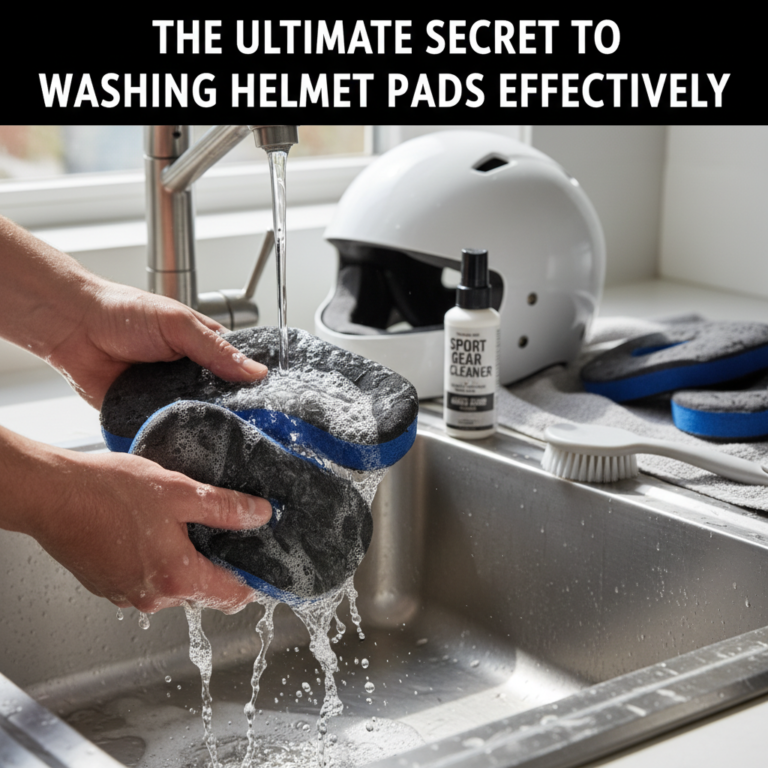
After every use, rinse your helmet with fresh, clean water to remove saltwater, sand, sunscreen, chlorine, and sweat. If your helmet has removable pads/liners, take them out and rinse them separately (check the manufacturer’s instructions first). Use a mild, non-abrasive soap or helmet-safe cleaner and a soft cloth or sponge—avoid harsh chemicals, solvents, and high-pressure spray that could push water into seams or foam. Let everything air-dry completely in a shaded, well-ventilated area before storage. Never use a heater or direct sunlight to “speed dry,” because excessive heat can warp materials and degrade adhesives.
Is it okay to store my helmet wet?
It’s not recommended to store your water sports helmet wet. Moisture trapped in the helmet can lead to unpleasant odors, mildew, and faster deterioration of padding, straps, and internal foam. For best results, rinse after use, then air-dry fully (including the interior and strap areas) before putting it away. If the helmet gets drenched unexpectedly, dry it promptly at home—remove pads if allowed, wipe excess water, and place it in a breathable location until it is completely dry to the touch and doesn’t feel damp inside.
What’s the best way to store a water sports helmet to prevent damage?
Store your helmet in a cool, dry place away from direct sunlight and extreme temperatures. Use a hard-shell container or a dedicated helmet bag with breathable panels, and keep it separated from heavy gear that could crush the shell or compress the foam. Avoid tossing it loosely in a trunk where it can be struck or deformed. If you’re using a bag, keep the helmet inside upright or in a stable position so it doesn’t get bent. Also store straps untwisted and not pulled tight—over time, tension and creasing can weaken webbing and reduce comfort.
How should I store the straps and inner pads?
For straps, loosen them so they aren’t under tension, then let them hang naturally or position them neatly inside the helmet. This helps prevent creases and keeps the strap material flexible. If your helmet allows pad removal, remove the pads and liners after drying (or dry them separately) so air can circulate and prevent moisture buildup. Wash or clean pads according to the manufacturer’s care instructions, then fully air-dry before reinstalling. Ensure any Velcro closures are fastened loosely (not overly tight) to prevent snagging and to reduce friction wear.
Can I store my helmet in a car or near heat sources?
No—avoid storing your helmet in a car, near heaters, or in any area with frequent temperature spikes. Heat can damage helmet foam, weaken adhesives, warp the shell, and accelerate degradation of padding and straps. Similarly, prolonged exposure to direct sunlight (UV) can fade materials and reduce structural integrity over time. Choose a storage spot like a closet shelf, a garage storage bin kept away from sun/heat, or a ventilated indoor area with stable temperatures. If your helmet must be transported, keep it in a shaded bag or case and let it cool and dry properly once you arrive.
References
- Take Care of Your Athletic Equipment Google Scholar
https://www.tandfonline.com/doi/pdf/10.1080/00221473.1956.10628446 - Purchase and care of physical education equipment in the high schools of Oregon Google Scholar
https://ir.library.oregonstate.edu/downloads/wh246t248 - 3 Clothing and Equipment Google Scholar
https://bioone.org/ebooks/individual-titles/Horse-Safe/7/3-Clothing-and-Equipment/10.1071/978064309306507.19.27.2005.7.pdf - Protective helmets in sports Google Scholar
https://www.sciencedirect.com/science/article/pii/B9780081025826000034 - [B] Guidelines for safe recreational water environments: Coastal and fresh waters Google Scholar
https://books.google.com/books?hl=en&lr=&id=D9pNrH6U0oYC&oi=fnd&pg=PR7&dq=How+to+Store+Your+Water+Sports+Helmet+Properly&ots=Uwqc7HfWPG&sig=gfKs56RG2K2wISBALb276BuJuOw
📅 Last Updated: July 07, 2026 | Topic: How to Store Your Water Sports Helmet Properly | Content verified for accuracy and freshness.