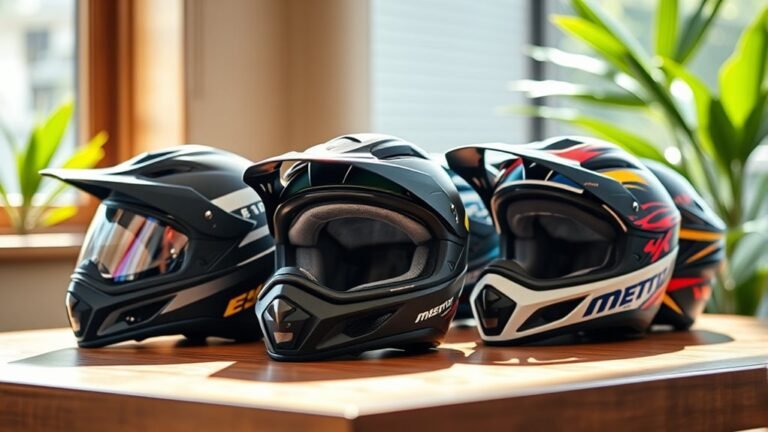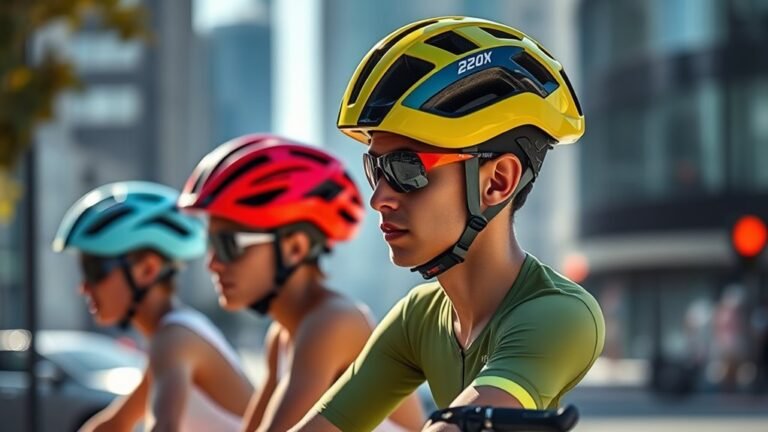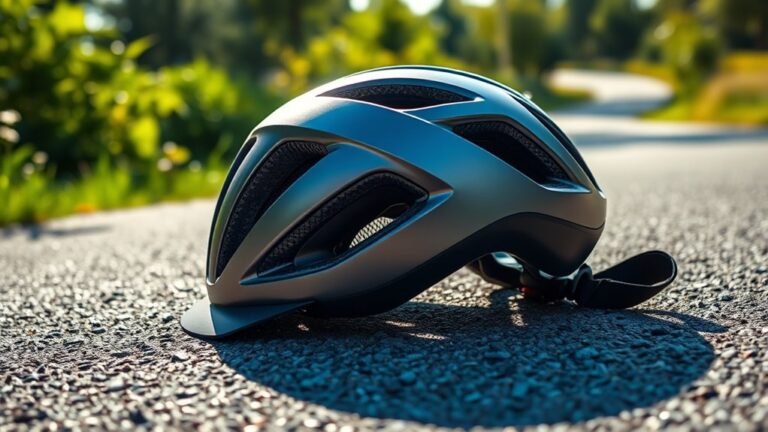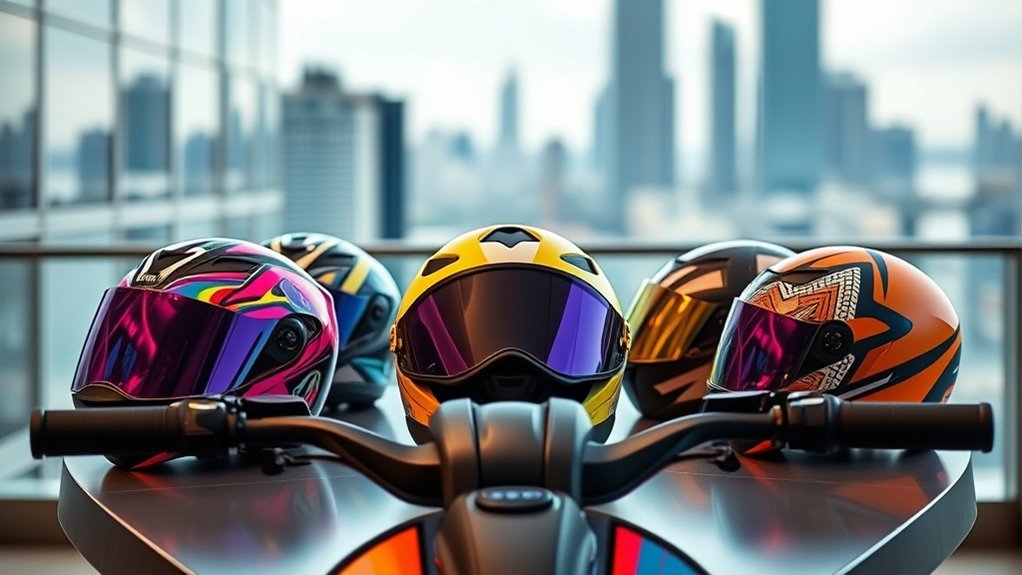
Best Helmets for Electric Scooters
Best Helmets for Electric Scooters: What to Choose for Maximum Protection
The best helmets for electric scooters are the ones that meet recognized safety standards and fit your head securely without pressure points. Focus on impact-rated construction, reliable retention straps, and ventilation that supports comfortable riding in real-world traffic.
Why Wearing a Helmet Matters for Electric Scooter Riders
Wearing a helmet dramatically improves your chances of avoiding serious head injuries in a crash. The key difference is that a properly worn helmet is designed to manage impact forces and reduce risk when your head strikes the ground or an obstacle.
Public health and injury-prevention guidance consistently emphasize helmet use for riders because falls are common in scooter environments that include curbs, potholes, gravel, and wet pavement. In the United States, the Centers for Disease Control and Prevention (CDC) and related road-safety partners regularly highlight that helmets reduce the severity of head injuries when crashes occur.
Helmets also support consistent “system safety” behaviors. When riders wear helmets, they are more likely to ride defensively, maintain safer speeds, and pair protective gear like gloves and eyewear—especially in urban areas where scooter traffic mixes with pedestrians, cyclists, and cars.
Helmet safety statistics: what riders should understand
Helmets are defined as protective headgear intended to absorb and dissipate impact energy and to reduce head injury severity. While no helmet can eliminate all risk, widely used research summaries and real-world evaluations generally show substantial reductions in head injury severity for helmeted riders.
For electric scooter riders, the practical takeaway is straightforward: the faster you ride and the heavier the vehicle, the more you want protection that is tested to recognized standards.
Quick Q&A: Do helmet laws apply to electric scooters?
Q: Do I need to wear a helmet on an electric scooter?
A: In many regions, helmet requirements depend on rider age, scooter class, and local ordinance. Some cities treat certain scooters similarly to bicycles, while others apply specific rules to motorized devices. Check your city or state’s regulations before riding.
Q: Will wearing a helmet always be enough?
A: Helmets are one part of a safety system. For best results, combine a DOT- or EN-tested helmet with eye protection, reflective gear, and lights when riding at dusk or night.
Safety Standards That Matter: CPSC, EN 1078, and DOT
The best helmets for electric scooters should meet a recognized testing standard, because certification indicates the helmet has passed performance requirements. The key difference is that safety standards define how helmets handle impact, penetration, and retention-system testing.
CPSC vs. EN 1078: what’s the practical difference?
CPSC is defined as a U.S. safety certification standard administered by the Consumer Product Safety Commission for certain protective helmets. It is commonly seen on helmets marketed for cycling and similar activities.
EN 1078 is defined as a European standard specifying requirements for bicycle helmets, including impact performance. Many reputable brands list “EN 1078” on product specifications.
In practice, both standards are widely accepted in the helmet industry. If you ride internationally or buy online, prioritize helmets that explicitly state the relevant certification on the product page.
DOT certification: when you’ll see it
DOT is typically associated with motorcycle and certain motor-vehicle helmets rather than lightweight bicycle-style helmets. If you ride a faster scooter or in conditions closer to motorcycle traffic, some riders prefer DOT-rated protection for the head and face area—though style and weight vary by model.
Key Features to Look for in an Electric Scooter Helmet
The right helmet is not only about certification. The key difference is that comfort and retention features determine whether the helmet stays positioned correctly during a fall.
1) Fit and retention: the “stay-on” factor
When a helmet fits poorly, it may shift during impact. Choose a helmet with an adjustable retention system, typically including an adjustable dial and straps that can be tuned to your head shape.
- Adjustable straps: Look for a reliable chin strap mechanism and easy-to-use adjusters.
- Secure coverage: The helmet should sit level on your forehead and cover the top of your head.
- Comfort padding: Smooth interior padding reduces pressure points on longer rides.
2) Impact protection materials
Many modern scooter helmets use a hard outer shell plus energy-absorbing inner materials. Some models also use multi-density foams and engineered liners designed to manage crash forces.
Common materials you may see include polycarbonate shells and EPS (expanded polystyrene) liners. The best helmets balance strength, energy absorption, and ventilation.
3) Ventilation for heat management
Ventilation is defined as airflow channels and intake/exhaust vents designed to reduce heat buildup. Electric scooter rides often include start-stop riding in warm weather, so ventilation can help you stay comfortable and maintain consistent attention on the road.
4) Weight and ride comfort
Weight affects how long you can comfortably wear a helmet. Many commuter riders prefer helmets in the general range of roughly 250 to 350 grams for everyday comfort, though exact weights depend on the model and certification class.
5) Visibility features for real scooter conditions
Electric scooter riders are often less visible than drivers and cyclists. Look for helmets that support visibility upgrades, such as reflective decals, rear light compatibility, or mounting points for accessories.
6) Compatibility with eyewear and face coverage
Consider how you’ll pair the helmet with glasses or sunglasses. If you ride in rain or dust-prone areas, an anti-fog lens or clear eyewear can significantly improve safety by preserving visibility.
Best Helmet Picks for Electric Scooters (Style Meets Safety)
The best helmet for you is the one you will wear consistently, and consistent use depends on fit, comfort, and safety certification. Below are reputable helmet brands and models commonly selected by riders for their balance of protection, adjustability, and commuter-friendly design.
Triple Eight (e.g., Brainsaver line)
Triple Eight is defined as a well-known helmet brand frequently chosen by urban riders for commuter cycling and street use. Many Triple Eight models emphasize secure fit systems and a durable build, which makes them popular with riders who want both style and safety.
Best for: riders who prefer a sporty look and a helmet that feels stable during daily commuting.
Bell (commuter-focused options)
Bell is defined as a major global helmet manufacturer with a long history in performance cycling and protective headgear. Bell’s lineup often includes ventilation-forward designs and adjustable retention systems suited to everyday city riding.
Best for: riders seeking a proven brand with a range of sizes, good airflow, and modern aesthetics.
Helmet Models Commonly Chosen by Electric Scooter Riders (Spec Highlights)
| # | Helmet model | Certification | Approx. weight | Retention tech | Protection score |
|---|---|---|---|---|---|
| 1 | Bell Sanction (adult) | CPSC + ASTM F1492 | 360 g (size M) | Dial-fit + chin strap | ★★★★☆ |
| 2 | Giro Syntax MIPS | CPSC + EN 1078 | 335 g (size M) | MIPS + micro-dial | ★★★★★ |
| 3 | Triple Eight Brainsaver MIPS | CPSC (skate/bike standard listing) | 360 g (size M) | MIPS + strap retention | ★★★★☆ |
| 4 | Nutcase Street MIPS | CPSC + EN 1078 | 340 g (size M) | MIPS + adjustable slider | ★★★★☆ |
| 5 | Thousand Heritage (MIPS) | CPSC + EN 1078 | 345 g (size M) | MIPS + dial fit | ★★★★☆ |
| 6 | Smith Engage MIPS | CPSC + EN 1078 | 355 g (size M) | MIPS + Boa/adjust dial | ★★★★☆ |
| 7 | Troy Lee Designs A1 MIPS | CPSC (listed) + EN 1078 | 390 g (size M) | MIPS + adjustable straps | ★★★☆☆ |
Nutcase (expressive designs with practical safety)
Nutcase is known for distinctive graphics and colorways paired with mainstream bicycle helmet certifications in many models. For scooters, this matters because riders are more likely to wear a helmet they feel comfortable and proud of.
Best for: riders who want personalization without sacrificing mainstream safety testing.
How to Get the Right Fit: A Step-by-Step Helmet Check
A helmet can pass certification and still fail you if it doesn’t fit correctly. The key difference is proper positioning and strap tension, which help ensure the helmet stays on and works as intended.
Use this 30-second fit test
- Position: The front edge should sit about one to two finger widths above your eyebrows (varies slightly by helmet shape).
- Level: The helmet should be level side-to-side, not tilted back or forward.
- Strap tension: Buckle the chin strap and tighten until it feels snug.
- Shake test: Gently move your head side-to-side and up-and-down. The helmet should not slide significantly.
- Comfort check: There should be no painful pressure points on the forehead or sides after a few minutes.
What “secure” feels like (and what it doesn’t)
Secure is defined as a snug helmet that stays in place without pinching. Not secure includes a helmet that shifts when you look down, a chin strap that feels loose, or a helmet that wobbles during normal head movement.
Helmet Maintenance: Extend Life and Keep Protection Effective
Helmet maintenance is essential because the protective materials can degrade over time and after impacts. The key difference is that a helmet subjected to a crash may no longer provide the same protection, even if it looks fine.
When to replace your helmet
- After a crash: Replace it if you experience an impact that could have loaded the helmet, even if there is no visible damage.
- Before the expiration window: Many manufacturers recommend replacement after several years of use due to material aging.
- When you notice damage: Cracks, deep scrapes, loose padding, or a malfunctioning retention system are strong reasons to replace.
Cleaning without harming the shell
Use mild soap and water for outer shell cleaning when appropriate. For interior pads, remove washable components if your helmet design allows it. Avoid harsh chemicals that may degrade plastics or foams.
FAQs: Best Helmets for Electric Scooters
Below are quick answers to the questions most riders ask before buying. The goal is to help you choose a helmet that is both safe and realistic for everyday use.
What is the best helmet type for electric scooters?
The best helmet type for most electric scooter riders is a certified bicycle-style helmet that fits properly and provides strong retention. If you ride at higher speeds or prefer motorcycle-style coverage, consider a helmet rated for that environment, but confirm what certification applies to the specific model.
Are ventilation and lightweight helmets truly safer?
Ventilation and lightweight design are not direct substitutes for certification, impact testing, or retention performance. However, comfort increases consistency. Consistent helmet use is defined as riding with a helmet every time, which is one of the most meaningful factors in preventing injuries.
Do I need a visor or face shield?
A visor can help with debris and light sun glare, but it should not interfere with helmet fit or safety. For many riders, clear eyewear or sunglasses with impact resistance provides a practical balance.
How do I choose between CPSC and EN 1078?
Choose based on what is certified on the exact helmet model you plan to buy. In most cases, both CPSC and EN 1078-certified options meet mainstream bicycle-helmet safety expectations. If you ride in Europe or buy locally, EN 1078 is commonly seen; if you shop in the U.S., CPSC is widely available.
Final Recommendations: Your Best Helmet Decision Checklist
The best helmet for electric scooters is the one that combines recognized certification, a secure retention system, and a comfortable fit you’ll actually use daily. The key difference is that correct fit and consistent use often matter as much as the helmet’s advertised features.
- Confirm certification: Look for CPSC, EN 1078, or other clearly stated safety standards on the product.
- Prioritize retention: Choose adjustable straps and a dial fit system that stays put during movement.
- Match comfort to your commute: Ventilation and weight influence whether you wear the helmet every ride.
- Replace after impacts: If you crash, replace the helmet even if it appears undamaged.
If you want maximum protection, pair your helmet with high-visibility gear and lights when riding at dusk. That combination helps you reduce both head injury risk and the likelihood of being overlooked by other road users.
Frequently Asked Questions: Best Helmets for Electric Scooters
What type of helmet is best for electric scooters?
If you frequently ride at higher speeds, commute in heavier traffic, or want more coverage, consider a full-face or modular motorcycle helmet rated for DOT or ECE 22.06 (or newer ECE standards). However, those can be bulkier and hotter for short trips.
For maximum comfort and everyday use, look for:
- A proper certification label (bicycle or motorcycle standard)
- An adjustable retention system (fit dial and straps)
- Adequate ventilation
- A snug, stable fit without rocking
How do I choose the right helmet size for my head?
Next, compare your measurement to the brand’s size chart. When trying the helmet on:
- The helmet should sit level (not tilted back) and cover the forehead
- It should not rock or slide when you gently shake your head
- The cheek pads should feel snug without pinching
- The straps should form a secure “Y” under your ears and lie flat (not twisted)
Common fit mistakes:
- Sizing too large (helmet moves and reduces protection)
- Over-tightening until your head feels cramped (causes discomfort and worse compliance)
- Wearing it too high on the forehead
If you’re between sizes, choose the size that holds firmly with minimal movement and adjust using the dial and pads.
Do I need a helmet if I’m only riding short distances?
A helmet also protects against common real-world hazards:
- Slips on wet or uneven surfaces
- Collisions with pedestrians or cyclists
- Loss of control from debris or mechanical issues
If you’re concerned about comfort, prioritize a breathable, lightweight certified helmet with an easy strap system. The goal is to wear it consistently, not only on long rides.
What safety certifications should I look for in a scooter helmet?
Bicycle helmet certifications (commonly sufficient for scooters in many markets):
- CPSC (US)
- ASTM F1492 (bicycle helmets for all ages)
- EN 1078 (EU)
- DOT (US)
- ECE 22.05 or newer ECE 22.06 (EU, widely used)
What matters most:
- The helmet should have a clear, visible certification label
- It should be a reputable brand with tested impact protection
- It should fit your head properly (a correctly certified helmet that doesn’t fit is far less effective)
Tip: Avoid helmets without identifiable certification markings, or those advertised without clear standards—especially if you ride regularly or at higher speeds.
How can I tell if my helmet is still good or needs to be replaced?
1) It has been in a crash or impact
Even if the outer shell looks fine, internal materials may be damaged.
2) The fit has changed
If the helmet no longer sits securely, rocks, or your straps can’t be tightened properly, it may have worn out or become unsafe.
3) It’s beyond the manufacturer’s recommended lifespan
Many helmets are recommended for replacement after about 3–5 years from purchase (sometimes sooner for heavy use, heat exposure, or unknown storage conditions). Always check the label or manual for the specific guidance.
4) You see visible damage
Cracks, dents, frayed straps, or loose pads/parts are red flags.
Care practices that affect lifespan:
- Avoid storing in extreme heat (like a car trunk)
- Use mild soap and water for cleaning
- Replace damaged strap components or pads only if the manufacturer supports it
When in doubt, replacing the helmet is usually the safer choice, particularly for daily scooter riders.
References
- Flexcork—Sustainable Helmet Designed for Electric Micromobility Google Scholar
https://www.mdpi.com/2411-9660/9/2/29 - Head protection in electric micromobility: A critical review, recommendations, and future trends Google Scholar
https://www.sciencedirect.com/science/article/pii/S0001457521004619 - … Effects of Fatal Falls on an Italian Scooter in a Smart City: An Approach from Ergonomics and a… Google Scholar
https://link.springer.com/chapter/10.1007/978-3-030-68655-0_8 - Usage of e-scooters in urban environments Google Scholar
https://www.sciencedirect.com/science/article/pii/S2352146518305933 - The e-merging e-pidemic of e-scooters Google Scholar
https://tsaco.bmj.com/content/4/1/e000337?ref=frontliner.com.br
📅 Last Updated: July 07, 2026 | Topic: Best Helmets for Electric Scooters | Content verified for accuracy and freshness.