Maintaining Helmet Electronics: Bluetooth and Cameras
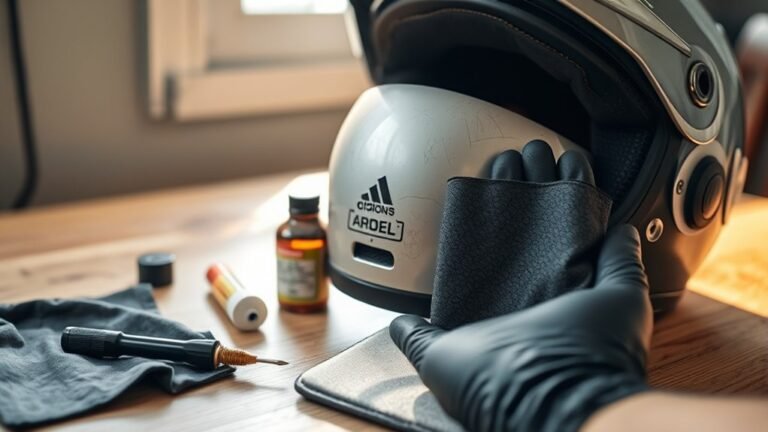
To maintain your helmet electronics, regularly inspect and clean your Bluetooth systems using safe products like isopropyl alcohol and microfiber cloths. Confirm battery life by charging around 20% and avoiding complete drains. Keep cameras upgraded with the latest firmware for enhanced performance. Troubleshoot common issues by checking connections and signal interference. Proper storage is essential; disconnect cables and remove batteries to prevent corrosion. There’s more to learn about optimizing your setup effectively.
Understanding Your Helmet Electronics
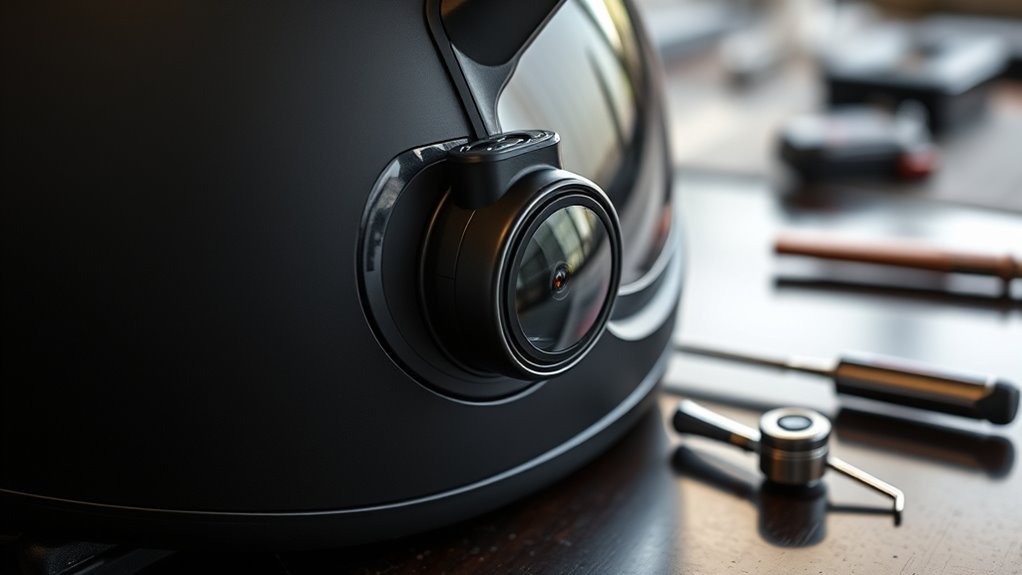
Helmet electronics are an integral component of modern headgear, enhancing safety and communication for users. Understanding helmet compatibility is essential when integrating these systems. Different helmets may support various electronics, so you’ll want to make certain you choose compatible devices. This assures peak functionality and performance.
Furthermore, audio synchronization plays a key role in the effectiveness of your helmet’s electronics. It allows seamless interaction with communication devices, guaranteeing clear audio transmission while riding. Misalignment can lead to frustrating audio delays or drop-outs, which can compromise your experience.
Cleaning Your Bluetooth Systems
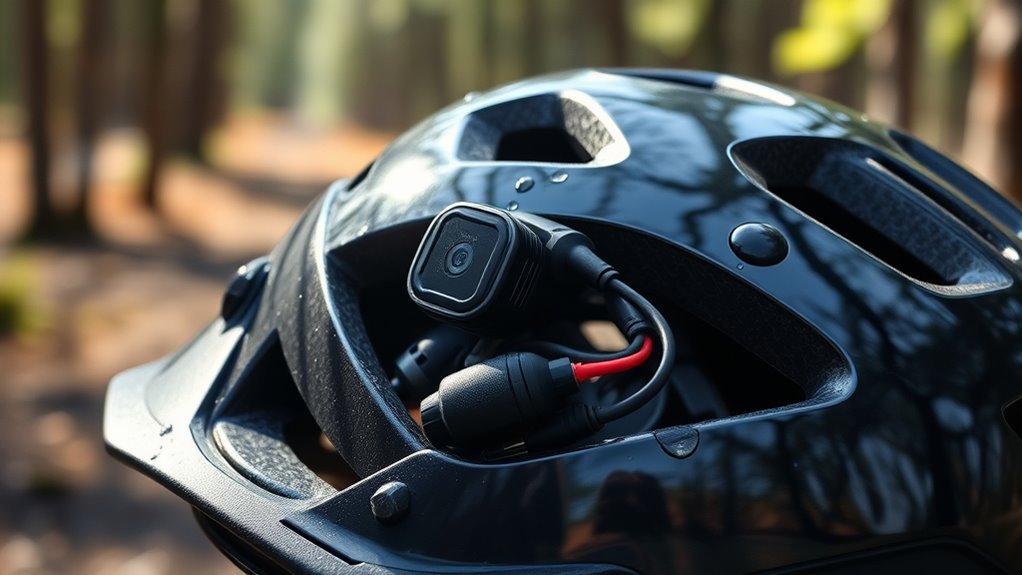
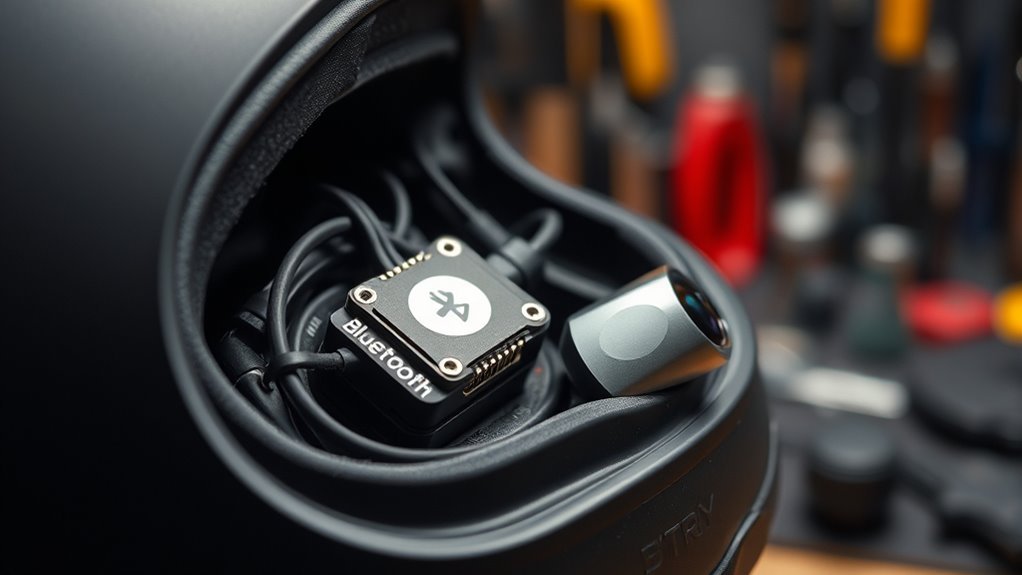
To keep your Bluetooth systems functioning effectively, establish a regular maintenance schedule that includes cleaning. Use safe cleaning products specifically designed for electronics to avoid damaging sensitive components. Additionally, be cautious with moisture to prevent water damage, as even minor exposure can lead to significant issues.
Regular Maintenance Schedule
While it may seem simple, maintaining the cleanliness of your Bluetooth systems is essential for ideal performance and longevity. To achieve this, establish a regular maintenance schedule that includes preventive inspections every few weeks. During these checks, inspect the device for dust and debris buildup, which can hinder functionality. It’s also wise to plan for scheduled replacements of components, like the battery or speaker, based on usage and manufacturer recommendations. Remember, a clean and well-maintained Bluetooth system not only enhances sound quality but also prolongs the life of the device. By committing to these practices, you guarantee that your helmet’s electronics remain reliable, allowing you to enjoy your rides without interruption.
Safe Cleaning Products
Cleaning your Bluetooth systems effectively requires the right products to avoid damage. Using eco-friendly cleaners and safe disinfectants protects your devices while keeping the environment in mind. Here are some recommended products for optimal maintenance:
- Isopropyl Alcohol: A safe disinfectant that evaporates quickly, reducing moisture risks.
- Microfiber Cloths: Ideal for gentle cleaning without scratching surfaces.
- Mild Soap Solution: Mix a few drops with water; it’s effective yet safe for electronics.
- Vinegar Solution: A natural cleaner that can help eliminate bacteria without harsh chemicals.
- Electronics Wipes: Consider pre-moistened wipes specifically designed for electronics.
Avoiding Water Damage
Since maintaining the integrity of your Bluetooth systems is essential, avoiding water damage during cleaning should be a top priority. Always consider using waterproof cases and moisture barriers to protect your devices. When cleaning, follow these steps:
| Step | Action |
|---|---|
| 1 | Remove the Bluetooth system |
| 2 | Use a damp cloth, not wet |
| 3 | Avoid direct water exposure |
| 4 | Dry completely before reinstalling |
| 5 | Store in a protective case |
Care Tips for Action Cameras

To guarantee your action camera performs at its best during your adventures, it’s essential to follow some straightforward care tips. Proper maintenance guarantees peak video stabilization and longevity, allowing you to capture every thrilling moment with confidence.
Ensure your action camera delivers peak performance by following simple maintenance tips for longevity and superb video stabilization.
- Always securely attach action camera mounts to prevent accidents.
- Clean the lens regularly with a microfiber cloth to avoid distortion.
- Store your camera in a protective case when not in use.
- Check for firmware updates to enhance features and performance.
- Be mindful of temperature extremes to avoid damage.
Battery Maintenance and Management
Proper battery maintenance is essential for ensuring your helmet electronics function reliably during your activities. To maximize battery life, avoid letting your battery drain completely before recharging. Instead, aim to charge it when it reaches about 20%. Use appropriate charging techniques, such as using the manufacturer’s charger and avoiding overcharging, which can degrade battery performance. Store your helmet electronics in a cool, dry place when not in use, as extreme temperatures can negatively impact battery health. Regularly inspect the battery for signs of swelling or damage, and replace it if necessary to prevent potential failures. By following these guidelines, you’ll keep your helmet electronics running smoothly, allowing you to enjoy your adventures without interruption.
Troubleshooting Common Issues
When you encounter issues with your helmet electronics, it’s important to systematically troubleshoot the problem to restore functionality. Start by checking for common issues like signal interference, which can disrupt Bluetooth connectivity. Confirm that your firmware is up-to-date, as outdated software can lead to performance problems. Here are some steps to guide you:
- Verify that your devices are paired correctly.
- Inspect all connections and cables for damage.
- Restart your helmet electronics to reset the system.
- Check for nearby devices that may cause interference.
- Review the manufacturer’s manual for specific troubleshooting tips.
Upgrading Your Equipment
Upgrading your helmet electronics can greatly enhance your riding experience. You’ll want to focus on choosing compatible accessories that improve audio quality and camera resolution. These upgrades not only boost performance but also guarantee your equipment meets your specific needs.
Choosing Compatible Accessories
Choosing compatible accessories for your helmet’s electronics is essential, as mismatched components can lead to performance issues or even damage. To guarantee accessory compatibility and maintain connection stability, consider the following tips:
- Verify the manufacturer’s specifications for your helmet and accessories
- Look for reviews or recommendations from fellow riders
- Check for compatibility with existing Bluetooth devices
- Ensure that mounting systems are designed for your specific helmet model
- Consider future upgrades to avoid obsolescence
Enhancing Audio Quality
To enhance audio quality in your helmet’s electronics, it’s crucial to invest in high-performance components tailored for your specific needs. Implementing effective audio enhancement techniques can considerably improve your listening experience while riding. Consider upgrading to advanced speakers and integrating noise cancellation strategies to minimize external disruptions.
Here’s a quick comparison of options:
| Component | Benefits | Considerations |
|---|---|---|
| High-Quality Speakers | Richer sound, better clarity | Cost can be higher |
| Noise-Canceling Headphones | Reduces background noise | May require additional power |
| Bluetooth Upgrades | Enhanced connectivity | Compatibility issues possible |
| Sound Equalizers | Customizable audio profiles | Requires technical know-how |
| Windshields | Reduces wind noise | May affect helmet design |
Improving Camera Resolution
When enhancing your helmet’s electronic capabilities, improving camera resolution can greatly elevate your recording quality. By investing in camera upgrades, you can capture clearer, more vibrant footage. Adjusting resolution settings allows for flexibility in recording environments, ensuring you maximize image quality under varying conditions.
- Opt for 4K resolution for stunning detail.
- Explore adjustable frame rates for smoother motion capture.
- Utilize low-light capabilities for nighttime recordings.
- Consider wide-angle lenses to capture more scenery.
- Regularly update firmware for improved performance.
These enhancements not only improve your footage but also provide a greater sense of freedom while documenting your adventures. With the right camera upgrades and proper resolution settings, you’ll be ready to share your experiences in high definition.
Storing Your Helmet Electronics Properly
Properly storing your helmet electronics is essential for ensuring their longevity and ideal performance. First, always disconnect any cables and remove batteries to prevent corrosion. Use a dedicated helmet storage case that provides adequate electronic protection from shocks and moisture. Avoid placing your helmet in direct sunlight or extreme temperatures, as heat can damage sensitive components. If your helmet has a removable liner, take it out to allow airflow and prevent mold. Additionally, keep your storage area clean and dry to minimize dust accumulation. Regularly inspect the electronics for wear and tear, and store them in a way that allows for easy access while keeping them secure. Following these steps will help you maintain your helmet electronics effectively.
Frequently Asked Questions
Can I Use My Bluetooth Headset With Multiple Devices Simultaneously?
No, you can’t typically use your Bluetooth headset with multiple devices simultaneously due to Bluetooth limitations. Most headsets connect to one device at a time, although some newer models support multipoint connections, allowing you to switch between two devices seamlessly. Always check your headset’s specifications for device compatibility. If you often need to connect to multiple devices, consider investing in a headset designed for multipoint pairing to enhance your freedom.
How Do I Choose the Right Action Camera for My Helmet?
Choosing the right action camera for your helmet can feel overwhelming, right? You’ll want to evaluate camera features like video quality, stabilization, and battery life. Look for options that offer versatile mounting options to guarantee a secure fit on your helmet. Reflect on how you plan to use it—whether for thrilling rides or capturing scenic views—so you can find a camera that enhances your adventures without compromising your freedom.
Are There Specific Helmets Designed for Integrating Electronics?
Yes, there are specific helmets designed for integrating electronics. These smart helmets often come with built-in features like Bluetooth connectivity and audio systems, catering to your need for freedom while riding. However, integration challenges can arise due to varying compatibility with devices and the complexity of installation. It’s essential to choose a helmet that not only fits well but also meets your electronic requirements for seamless functionality and enhanced riding experience.
What Is the Average Lifespan of Helmet Electronics?
You might think helmet electronics last forever, but they usually have a lifespan of about 3 to 5 years, depending on usage and maintenance. Proper electronic maintenance is essential; regular checks can help you spot issues before they become serious. Keep in mind that factors like exposure to elements and battery care can affect overall helmet lifespan. So, don’t skimp on upkeep if you want your tech to perform at its best!
Can I Waterproof My Bluetooth System for Wet Conditions?
Yes, you can waterproof your Bluetooth system for wet conditions. Use waterproof materials like silicone seals or specialized cases designed for electronics. Regular electronic maintenance is vital; check for any wear or damage that could compromise waterproofing. Make certain connectors are secure and that the device is rated for water resistance. Taking these steps helps protect your gear, allowing you to enjoy freedom in various weather without worrying about damaging your electronics.
References
- https://en.wikipedia.org/wiki/Bluetooth
- https://www.nhtsa.gov/equipment/helmet-electronics
- https://www.cdc.gov/niosh/topics/motorcycle/helmet.html
- https://www.ama-assn.org/delivering-care/public-health/gear-gear-gear-keeping-motorcyclists-safe
- https://www.safetyandhealthmagazine.com/articles/19316-motorcycle-helmet-electronics
- https://www.motorcyclistonline.com/how-to-install-bluetooth-in-your-helmet/
- https://www.ncbi.nlm.nih.gov/pmc/articles/PMC6470458/