Must-Know Helmet Laws in Michigan: Are You Compliant?
In Michigan, helmet laws vary based on age and insurance coverage, allowing riders over the age of 21 the option to ride without a helmet if they possess specific medical benefits. Understanding these nuanced regulations is essential for ensuring both legal compliance and personal safety while riding. This article delves into the intricacies of Michigan’s helmet laws, the importance of helmets, common misconceptions, exceptions, financial implications, future changes to the law, and tips for selecting the right helmet.
Understanding Michigan’s Helmet Law
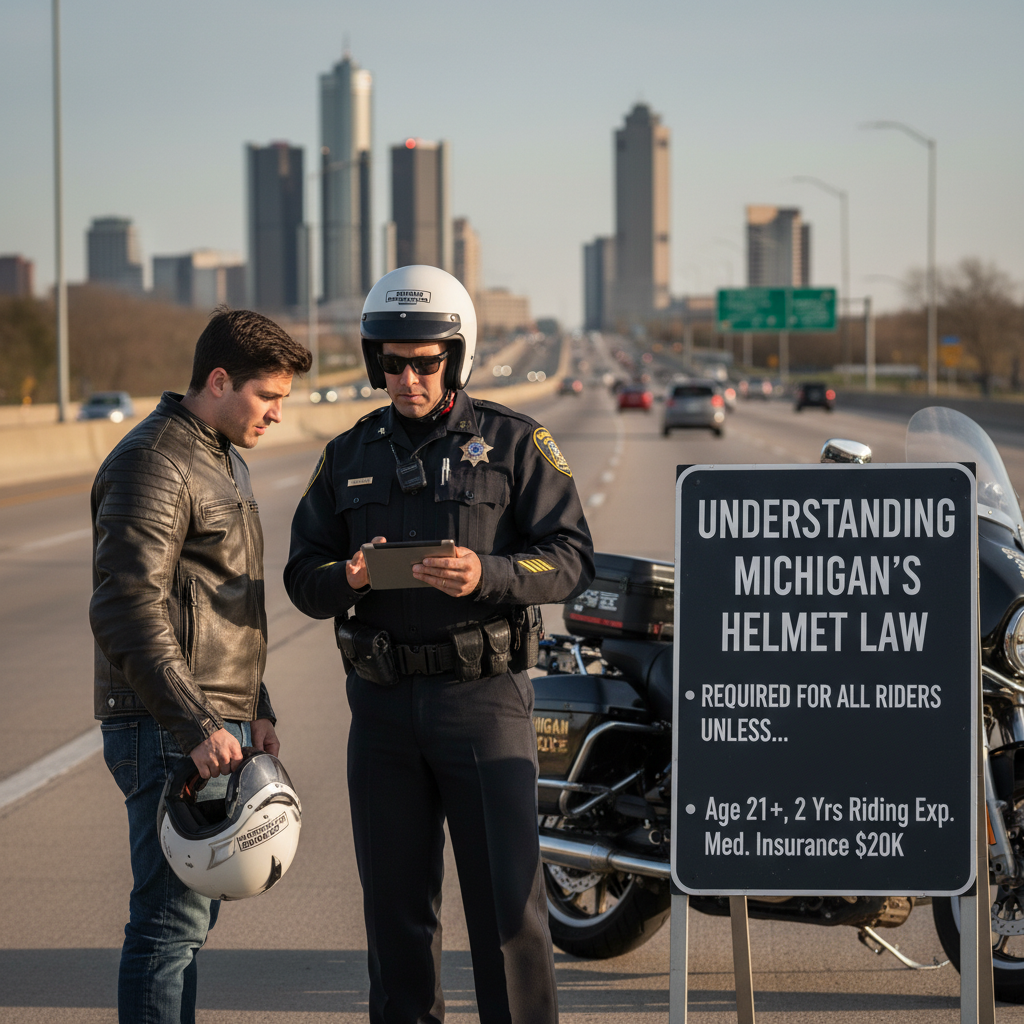
Michigan’s current helmet law has evolved significantly since its enactment. As it stands, riders aged 21 and older can legally choose to ride without a helmet if they meet particular criteria. Specifically, these riders must possess at least $20,000 in first-party medical benefits. This coverage is vital as it ensures that in the event of an accident, some medical expenses will be covered. Riders who do not meet this insurance requirement are mandated to wear helmets while operating their motorcycles. Additionally, it’s important for riders to note that this law applies to motorcycles as defined by the Michigan Vehicle Code and does not extend to other two-wheeled vehicles.
The Importance of Wearing a Helmet

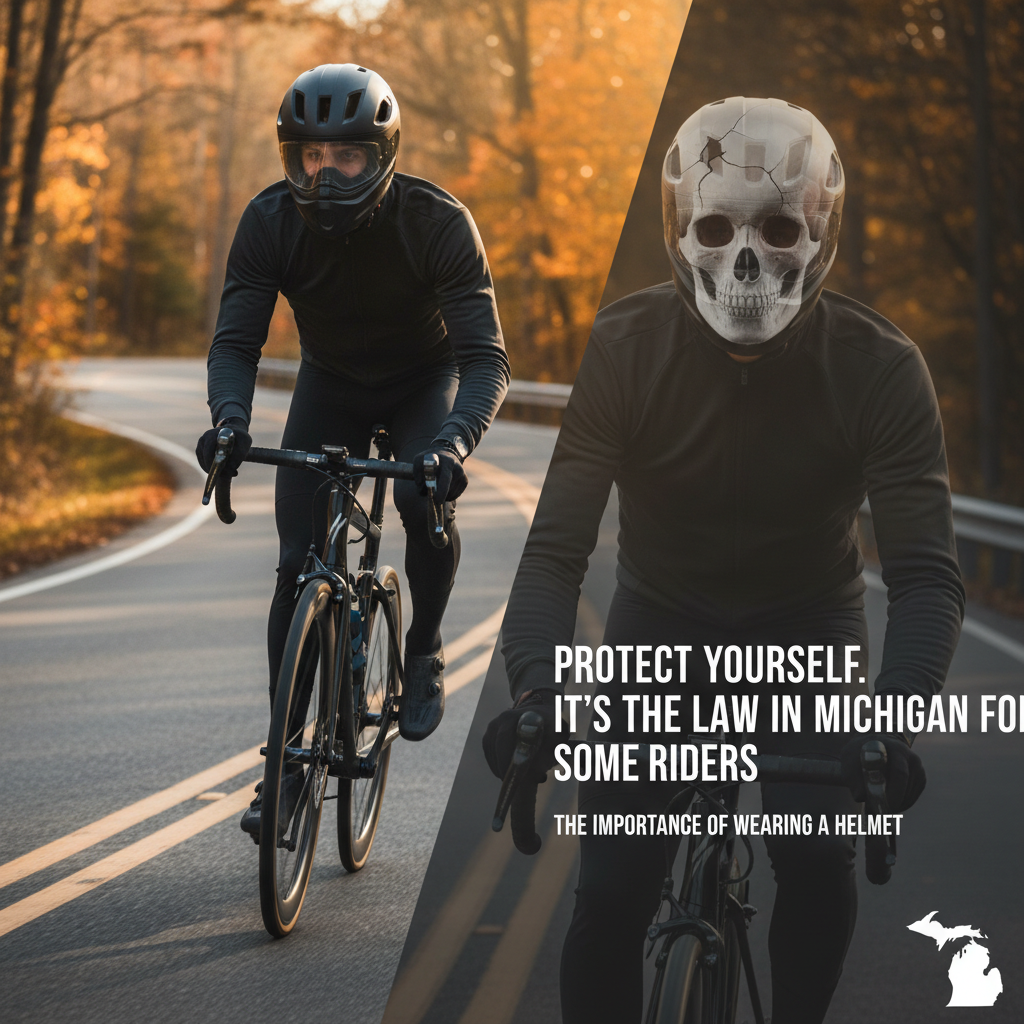
The statistics surrounding motorcycle accidents underscore the critical importance of wearing a helmet. Research indicates that helmets can reduce the risk of head injuries by 69% and the risk of death by 42%. Riders wearing helmets are significantly less likely to suffer severe injuries compared to those who ride without them. In a state like Michigan, where motorcycle culture is prominent, the decision to wear a helmet can be a life-saving one. Furthermore, helmets are designed to absorb impact, protecting the skull and brain during collisions. The added protection they provide is a compelling reason for all riders to reconsider their choice of safety gear.
Common Misconceptions About Helmet Use
One prevalent misconception is that choosing not to wear a helmet signifies a sense of freedom and independence. While personal choice is an important aspect of riding culture, prioritizing safety should always take precedence. The notion that riding without a helmet is more liberating overlooks the substantial risks involved. Additionally, some riders argue that the expense of purchasing a helmet is unjustifiable. However, the potential medical costs resulting from a motorcycle accident can far exceed the price of a high-quality helmet. In fact, the average cost of a motorcycle accident can reach tens of thousands of dollars, making the investment in a helmet not only wise but essential for financial security.
Exceptions to the Helmet Law
While the general helmet law presents clear guidelines, there are specific exceptions that riders should be aware of. For instance, individuals participating in sanctioned motorcycle events may be exempt from the helmet requirement, provided they hold the appropriate licenses. Additionally, riders who have held a motorcycle endorsement for at least two years may also qualify for exemptions, as long as they meet the medical insurance criteria. Understanding these exceptions allows riders to make informed decisions about their safety gear and ensures compliance with state laws.
The Financial Implications of Riding Without a Helmet
Choosing to ride without a helmet carries significant financial implications, particularly in the event of an accident. Riders without adequate medical coverage may find themselves facing overwhelming medical bills, which can lead to financial devastation. Insurance companies often include stipulations regarding helmet use in their policies, meaning that failing to wear a helmet could result in denied claims or reduced coverage. This financial risk is compounded by the potential for long-term medical care, rehabilitation, and lost wages due to injury. Therefore, understanding your insurance policy and the financial ramifications of riding without a helmet is crucial for any motorcyclist.
The Future of Helmet Laws in Michigan
The landscape of helmet laws in Michigan is not static; ongoing debates and proposals could lead to significant changes in the future. Advocacy groups and safety organizations are actively lobbying for stricter helmet regulations, emphasizing the need for enhanced rider safety. Changes could include lowering the age limit for mandatory helmet use or increasing the medical coverage requirements for exemptions. As discussions continue at the legislative level, it is imperative for riders to stay informed about potential shifts in the law that could affect their riding experience and safety.
Tips for Choosing the Right Helmet
Selecting the right helmet is a critical component of ensuring safety while riding. Riders should look for helmets that meet the safety standards set forth by the Department of Transportation (DOT). This ensures that the helmet has undergone rigorous testing for impact resistance and overall quality. Beyond meeting safety standards, it is essential to consider factors such as fit, weight, and ventilation. A properly fitting helmet should be snug but not overly tight, should not obstruct vision, and should provide adequate airflow to keep the rider comfortable during long rides. Investing time in finding a helmet that meets these criteria can greatly enhance the riding experience while also ensuring maximum protection.
In conclusion, while Michigan’s helmet laws allow riders over 21 to choose not to wear a helmet under specific conditions, the importance of safety cannot be overstated. Wearing a helmet not only reduces the risk of severe injuries but also serves as a prudent financial decision. Understanding these laws, recognizing the misconceptions surrounding helmet use, and staying informed about potential changes can empower riders to make decisions that prioritize their safety and well-being. Always remember that riding a motorcycle should be an enjoyable experience, but it should never come at the cost of your health and safety.
References
- https://www.michigan.gov/documents/msp/motorcycle_helmet_law_2005_252326_7.pdf
- https://www.michigan.gov/msp/0,4643,7-123-15676_17313-124879–,00.html
- https://www.nhtsa.gov/road-safety/motorcycles
- https://www.iihs.org/topics/motorcycles
- https://www.michigan.gov/documents/ohsp/Helmet_Law_101_2013_444194_7.pdf
- https://www.michigan.gov/motorcycles
- https://www.michiganhighways.org/motorcycle_safety.html