**Must-Know Tennessee Motorcycle Helmet Law Secrets**
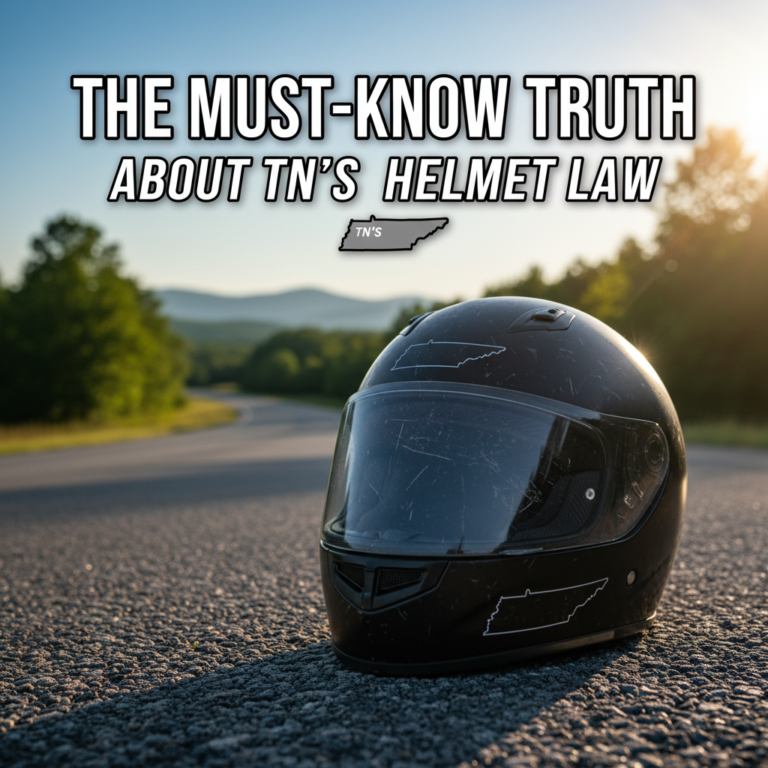
Tennessee does have a motorcycle helmet law, but it only mandates helmet use for riders under 21 years old. Understanding this law is crucial for every motorcyclist in the state, not only to ensure compliance but also to promote safer riding practices. With varying requirements based on age and insurance status, navigating these regulations can be complex. This blog post will explore the intricacies of Tennessee’s helmet laws, the ongoing safety debate, and offer valuable insights for motorcyclists.
Overview of Tennessee’s Helmet Law

In Tennessee, the helmet law stipulates that only motorcycle riders under the age of 21 must wear a helmet while operating or riding on a motorcycle. For riders aged 21 and older, the choice to forego a helmet is allowed, provided they carry proof of insurance. This law reflects a balance between personal freedom and public safety, recognizing the rights of adult riders while also emphasizing the importance of protective gear.
It’s important for motorcyclists to understand that while the law permits helmetless riding for those over 21, wearing a helmet is still highly recommended due to the significant risk of head injuries in accidents. The law was designed not only to protect younger riders but also to encourage older riders to make informed choices regarding their safety.
Exceptions to the Law


Tennessee’s helmet law includes specific exceptions, particularly concerning certain types of motorcycles. Riders of scooters or mopeds, defined as vehicles with less than 50cc of engine displacement, are not required to wear helmets. Additionally, some local jurisdictions may impose stricter regulations. For instance, cities or counties may enforce their helmet laws that differ from the state law, making it essential for motorcyclists to stay informed about regional requirements.
Motorcyclists should also be aware that the nature of their vehicle impacts the applicability of the helmet law. Riders who operate three-wheeled motorcycles, for instance, may face different regulations depending on how the vehicle is classified. Therefore, checking local ordinances and understanding the classification of your motorcycle is critical for compliance.
The Safety Debate: Helmet vs. No Helmet
The debate surrounding helmet use is ongoing and multifaceted. Proponents of mandatory helmet laws argue that helmets significantly reduce the risk of severe head injuries and fatalities in motorcycle accidents. According to the National Highway Traffic Safety Administration (NHTSA), wearing a helmet is estimated to reduce the risk of head injury by 69% and the risk of death by 37%. These statistics underscore the life-saving potential of helmets.
Conversely, opponents of mandatory helmet laws argue that helmet use should be a personal choice, particularly for experienced riders who understand the risks. They contend that education and awareness campaigns are more effective than legislation in promoting safety among motorcyclists. Some studies suggest that helmet laws can deter motorcycle riding altogether, leading to fewer riders on the road and potentially increasing the risk of accidents due to a lack of experience.
The discourse on helmet use is vital for motorcyclists, as it emphasizes the importance of personal responsibility and informed decision-making. Ultimately, whether riders choose to wear helmets or not, understanding the associated risks is crucial.
Legal Consequences of Non-Compliance
Failing to comply with Tennessee’s helmet law can lead to legal ramifications, including fines and penalties. For riders under 21 who are caught riding without a helmet, the penalties can vary but may include a citation and a fine. Additionally, non-compliance can adversely affect insurance claims in the event of an accident. Insurance companies may view the failure to wear a helmet as a factor in determining liability, which could lead to reduced compensation for injuries sustained in a crash.
It’s essential for riders to recognize that legal compliance is not solely about avoiding fines; it also plays a significant role in ensuring that they receive the support and coverage they need after an accident. Understanding the law can help motorcyclists navigate these potential pitfalls effectively.
Tips for Motorcycle Riders in Tennessee
Regardless of helmet laws, there are several best practices that every motorcycle rider in Tennessee should follow to enhance safety. First and foremost, wearing protective gear—such as gloves, jackets, pants, and boots—can significantly reduce the severity of injuries in the event of an accident. Additionally, riders should always conduct a pre-ride inspection of their motorcycle to ensure it is in good working condition, checking brakes, lights, and tire pressure.
Moreover, taking a motorcycle safety course can be invaluable. These courses provide fundamental riding skills and teach techniques for managing various road conditions and hazards. Riders should also be mindful of their surroundings and practice defensive riding techniques, anticipating the actions of other road users.
Lastly, maintaining visibility is crucial. Motorcyclists should wear bright-colored clothing and utilize reflective gear to enhance their visibility to other drivers, especially during low-light conditions.
Resources for Motorcyclists
To stay informed about motorcycle laws and safety in Tennessee, riders can refer to several resources. The Tennessee Department of Safety and Homeland Security provides comprehensive information regarding motorcycle regulations and safety courses. Websites such as the Motorcycle Safety Foundation (MSF) offer training programs that can improve riding skills and safety awareness.
Additionally, local motorcycle clubs and organizations often host events, workshops, and group rides that emphasize safety and compliance with the law. Engaging with these communities can help riders stay updated on changes in legislation and best practices.
Future Changes to the Helmet Law
As motorcycle safety continues to be a topic of discussion, potential changes to Tennessee’s helmet laws may arise. Current legislative proposals occasionally surface that could expand or modify the existing requirements. Riders are encouraged to stay informed about these developments by following local news or engaging with advocacy groups that focus on motorcycle rights and safety.
Staying updated on legal changes and safety initiatives is vital for all motorcyclists. Participating in public forums or reaching out to local representatives can provide riders with a voice in the legislative process and help ensure that their interests are considered.
In conclusion, understanding Tennessee’s motorcycle helmet law is crucial for safety-conscious riders. Whether you choose to wear a helmet or not, staying informed about the law and safety practices can ensure a safer riding experience. For more information, check local resources and consider taking a motorcycle safety course. By prioritizing knowledge and safety, motorcyclists can enjoy the freedom of the open road with confidence.
References
- https://www.tn.gov/safety/motorcycle-safety.html
- https://www.ghsa.org/state-laws/issues/motorcycle-helmets
- https://www.nhtsa.gov/motorcycle-safety
- https://www.iihs.org/topics/motorcycles
- https://www.ama-cycle.org/advocacy/state-motorcycle-helmet-laws/
- https://www.helmetlaw.org/
- https://en.wikipedia.org/wiki/Motorcycle_helmet_law
- https://www.tn.gov/safety/motor-vehicle-licensing/motorcycle-licensing.html