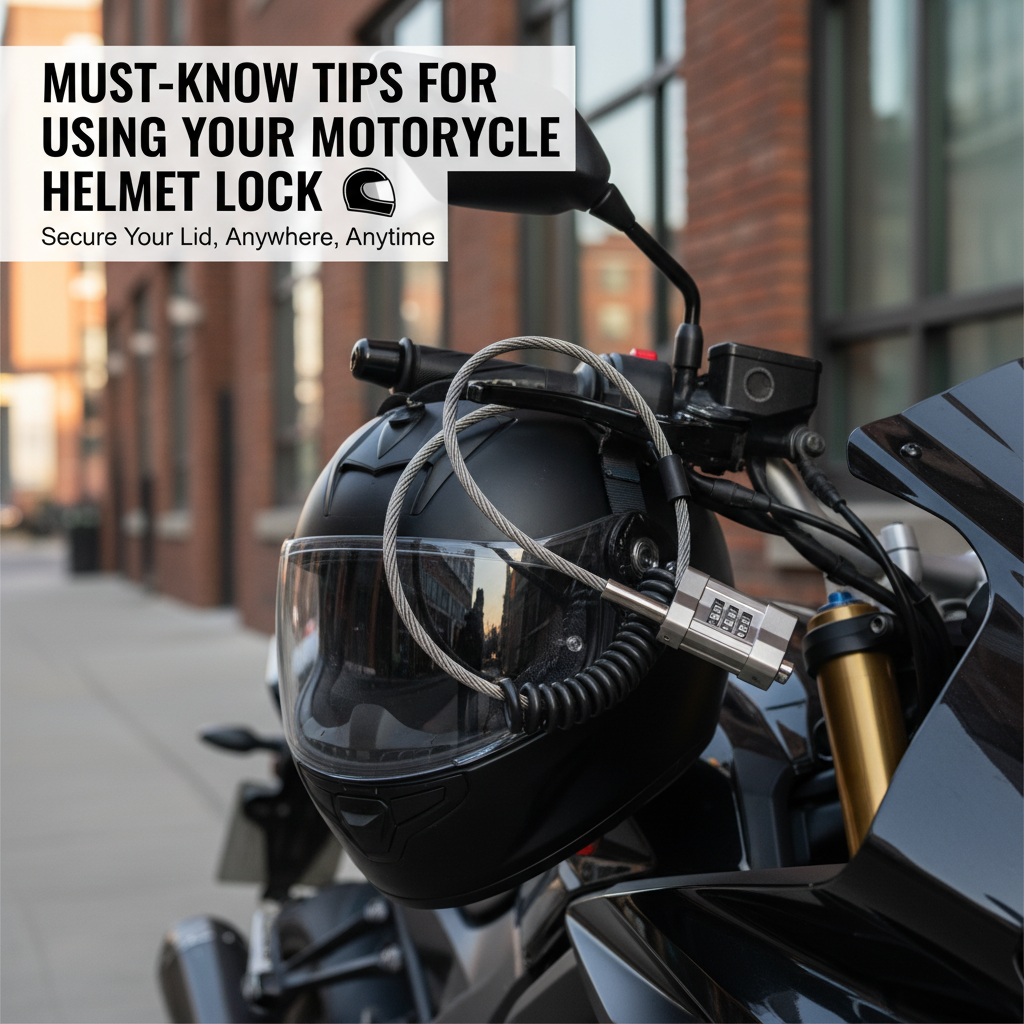
Must-Know Tips for Using Your Motorcycle Helmet Lock
Using a motorcycle helmet lock is essential for ensuring your helmet remains secure while you’re away from your bike. This simple tool prevents theft and provides peace of mind, allowing riders to focus on enjoying their time off the motorcycle. In this article, we will delve into the nuances of helmet locks, providing essential tips and best practices to maximize their effectiveness.
Understanding Helmet Locks

Helmet locks are specialized devices designed to secure your helmet to your motorcycle, effectively deterring potential thieves. These locks operate on a straightforward principle: they create a physical barrier that makes it challenging for someone to snatch your helmet while you are away. Most modern motorcycle models come equipped with a built-in helmet lock, often located under the seat or on the frame. This integrated design offers convenience, allowing riders to secure their helmets without needing additional equipment. However, for those who prefer a more robust solution, numerous aftermarket options are available, including cable locks and combination locks that offer enhanced security features.
When selecting a helmet lock, it is crucial to ensure that it is compatible with your helmet and motorcycle model. This compatibility ensures that you can easily attach the helmet and is more likely to withstand attempts at theft. Understanding the different types of helmet locks available on the market will enable you to make an informed decision, providing a reliable solution to keep your gear safe.
How to Properly Use a Helmet Lock
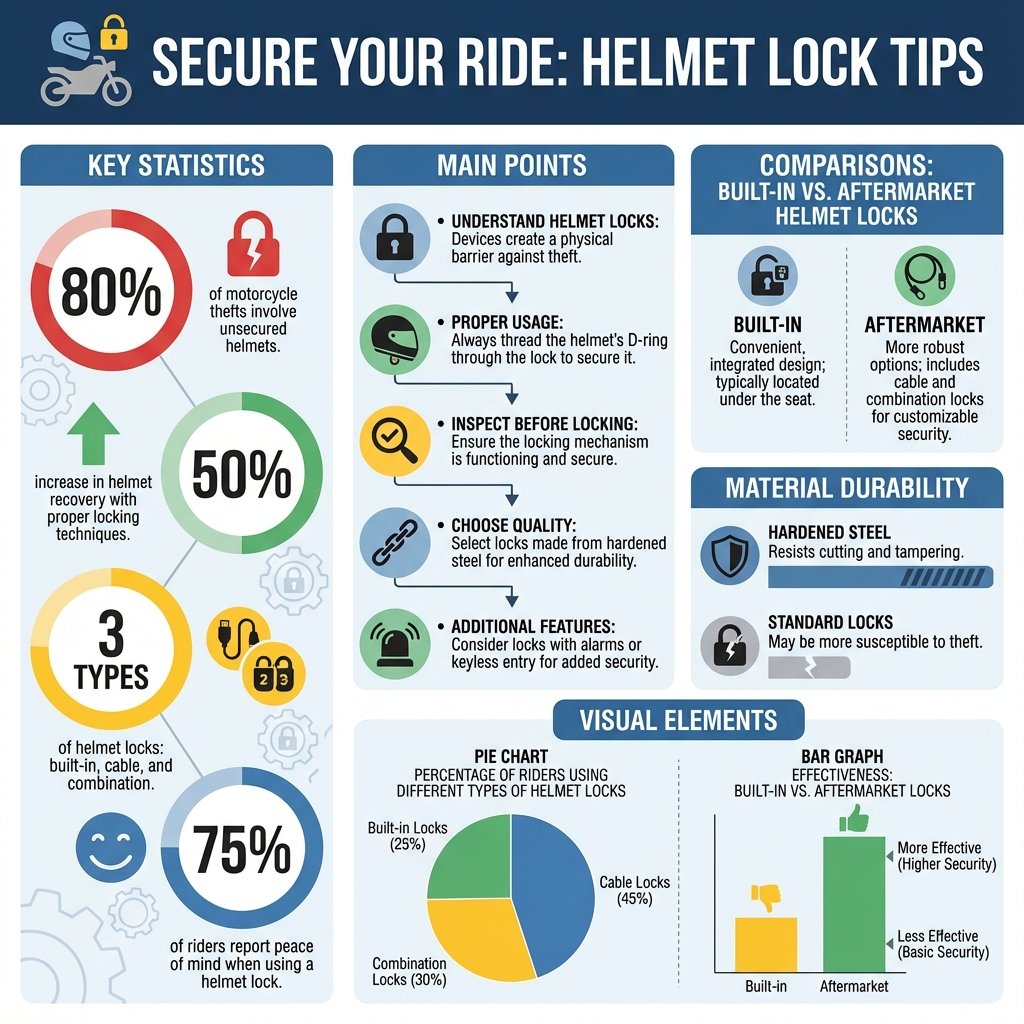
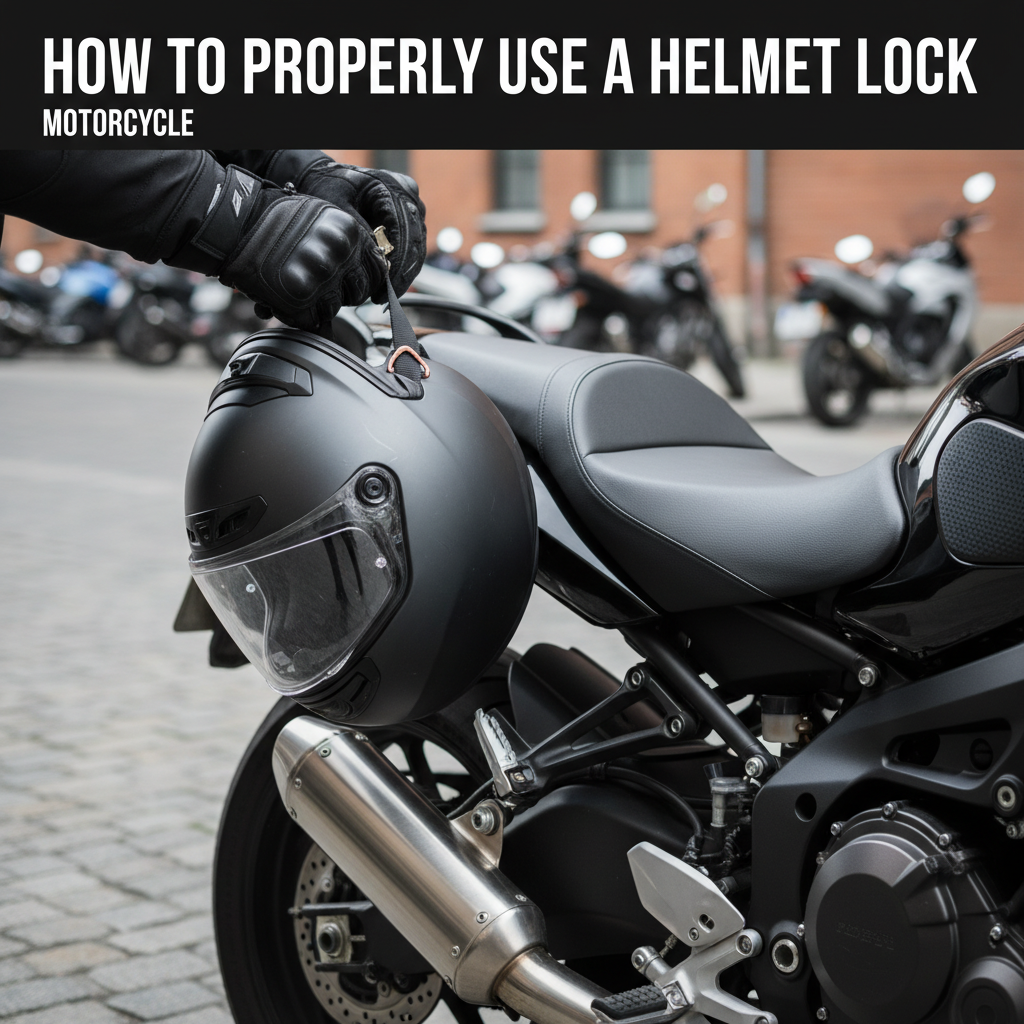
To fully benefit from a helmet lock, proper usage is paramount. Always ensure that the helmet is securely attached to the lock mechanism before leaving your motorcycle. This involves threading the helmet’s D-ring or strap through the lock. This method not only secures the helmet but also minimizes the risk of it being easily removed by an opportunistic thief.
Before you lock your helmet, take a moment to inspect the locking mechanism and ensure it is functioning properly. Engage the lock fully, listen for a click to confirm it is locked, and give it a gentle tug to ensure it is secure. This simple step can prevent unfortunate situations where you return to find your helmet missing due to an inadequate lock.
Choosing the Right Helmet Lock
When selecting a helmet lock, consider the material and durability of the lock. High-quality locks are typically made from hardened steel or other robust materials that resist cutting and tampering. Look for locks that have been tested for strength, and read reviews from fellow motorcyclists to gauge their effectiveness.
Additionally, some locks come with features such as keyless entry or alarm systems that can provide an extra layer of security. For example, a lock with an alarm will sound off if someone attempts to tamper with it, drawing attention to the potential theft. Investing in a reliable helmet lock not only protects your helmet but also acts as a deterrent for thieves who may target less secure setups.
Common Mistakes to Avoid
While using a helmet lock is relatively straightforward, there are common mistakes that can undermine its effectiveness. One critical error is locking your helmet to loose or easily removable parts of the motorcycle, such as mirrors or side panels. Thieves are often savvy and can quickly identify weak points on a motorcycle. Instead, always secure your helmet to a fixed and sturdy part of the bike, such as the frame or a designated helmet lock area.
Additionally, neglecting to check the condition of the lock before use can lead to security vulnerabilities. Over time, locks can become rusty or damaged due to exposure to the elements. Conduct a routine inspection of your helmet lock to ensure it is in good working condition, and replace it if you notice any signs of wear that could compromise its integrity.
Additional Security Measures
While a helmet lock is a valuable tool for securing your helmet, it should not be the sole security measure you rely on. Consider complementing your helmet lock with additional locks or security systems for your motorcycle itself. This could include using a disc lock, chain lock, or a comprehensive alarm system that offers more robust protection against theft.
Furthermore, always park your motorcycle in well-lit, high-traffic areas. Thieves are less likely to target a motorcycle that is visible to passersby. If possible, try to park near security cameras or in designated motorcycle parking areas to further deter theft. The combination of proper locking techniques and strategic parking can significantly reduce the risk of theft.
Maintenance of Your Helmet Lock
To ensure your helmet lock remains functional and secure, regular maintenance is essential. Inspect your lock for any signs of rust, corrosion, or damage that could impede its operation. If you notice any deterioration, it is best to replace the lock promptly to avoid compromising security.
Additionally, lubricating the lock mechanism periodically can prevent it from jamming or becoming difficult to operate. A simple application of graphite lubricant can keep the internal components moving smoothly, ensuring the helmet lock functions correctly when you need it. This maintenance routine can extend the lifespan of your lock and enhance its security capabilities.
Using a helmet lock effectively can greatly enhance the security of your gear. By following these must-know tips and choosing the right lock, you can protect your investment and enjoy peace of mind on your rides. Don’t wait—secure your helmet today!
References
- https://www.nhtsa.gov/road-safety/motorcycles
- https://www.ama-cycle.org/
- https://www.cdc.gov/motorvehiclesafety/motorcycle/index.html
- https://www.cycleworld.com/motorcycle-safety/
- https://www.helmets.org/
- https://www.motorcycle.com/
- https://www.rideapart.com/news/501116/motorcycle-helmet-locks/
- https://www.motorcyclistonline.com/how-to-choose-a-motorcycle-helmet/