
The Ultimate Breakdown of Helmet Materials Revealed
Helmets are primarily made from materials like polycarbonate, fiberglass, and EPS foam, designed to absorb impact and protect your head during accidents. Understanding what goes into a helmet can help you choose the right one for safety and comfort, ensuring you are well-informed about the protective gear you wear. In this comprehensive breakdown, we will explore the essential components of helmets, the materials used, the science behind impact absorption, and much more, equipping you with the knowledge needed to make an informed decision.
The Essential Components of Helmets
The construction of a helmet involves various layers, each serving a specific function to enhance safety and performance.
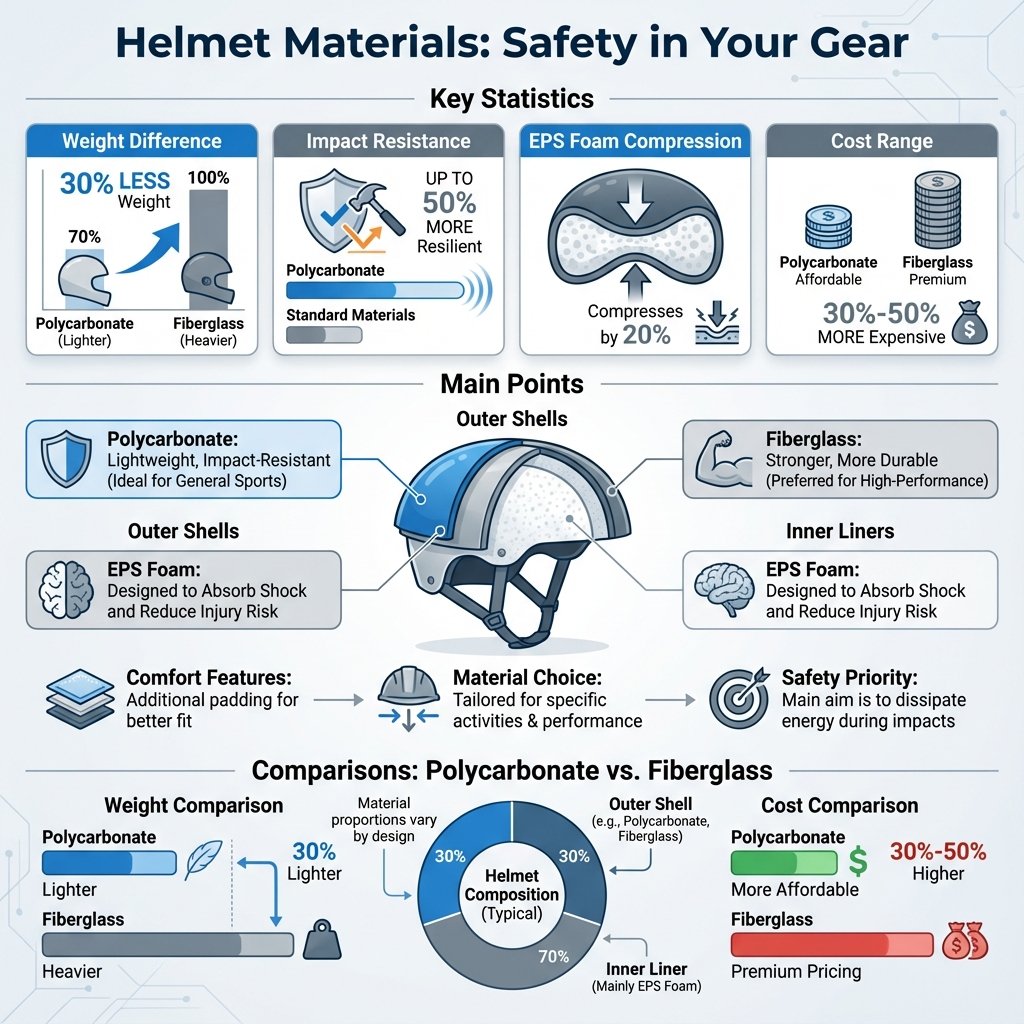
– Outer Shell: The outer shell is the first line of defense against impacts and abrasions. Typically made from polycarbonate or fiberglass, this layer provides the structural integrity required to withstand external forces. Polycarbonate is favored for its lightweight nature and high impact resistance, making it an ideal choice for motorcycle and sports helmets. Fiberglass, while heavier, offers superior strength and is often used in more premium helmets, providing excellent durability.
– Inner Liner: Beneath the outer shell lies the inner liner, usually composed of expanded polystyrene (EPS) foam. This crucial layer is designed to absorb shock and dissipate energy during collisions. The EPS foam compresses upon impact, reducing the force transmitted to the skull and brain, thus minimizing the risk of serious injury. Helmets may also incorporate additional padding materials, such as comfort liners, to enhance fit and comfort, making it easier for wearers to keep their helmets on for extended periods.
Types of Materials Used
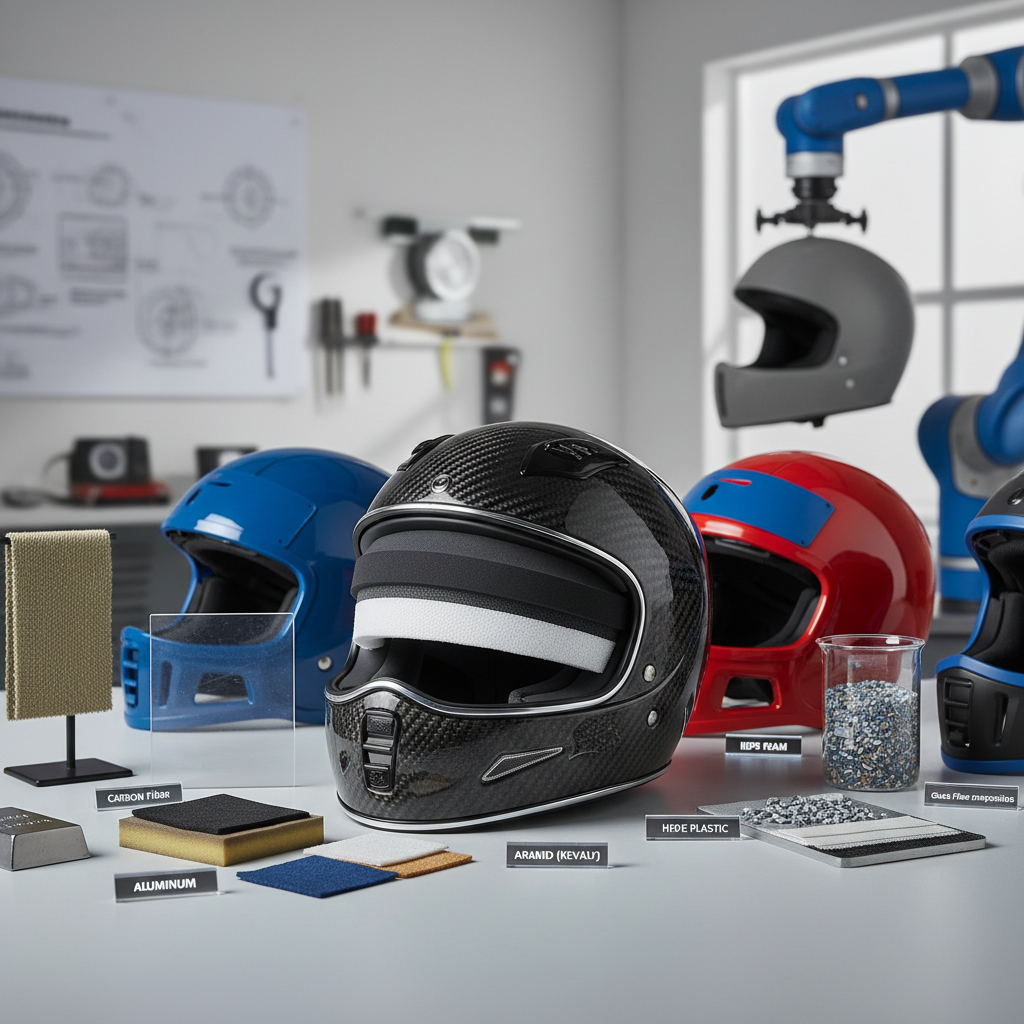
Understanding the materials used in helmet construction is paramount for anyone looking to invest in protective gear.
– Polycarbonate: Known for its lightweight and durable properties, polycarbonate is one of the most commonly used materials in helmet manufacturing. Its impact-resistant nature makes it suitable for helmets used in various sports, including cycling, skiing, and motorcycling. Additionally, polycarbonate can be molded into diverse shapes, allowing for aerodynamic designs that enhance performance.
– Fiberglass: Fiberglass helmets offer a balance of strength and weight but can be more expensive than their polycarbonate counterparts. The material provides excellent impact resistance and is often used in high-performance motorcycle helmets. Fiberglass helmets are typically more rigid, which can enhance their protective capabilities but may also make them heavier compared to polycarbonate options.
The Science Behind Impact Absorption

The effectiveness of a helmet largely hinges on its ability to absorb and dissipate energy during an impact.
– Energy Dissipation: Helmets are meticulously designed to spread the force of impact across a larger area. By doing so, they reduce the risk of concentrated forces that could cause severe injuries, such as skull fractures or concussions. This energy dispersion is critical, as it allows the helmet to absorb much of the impact energy, protecting the wearer effectively.
– Multi-Density Foam: Some helmets utilize layers of foam with varying densities for enhanced safety and comfort. The outer layer may feature a firmer foam to manage initial impacts, while softer foam layers closer to the head provide cushioning. This stratification not only improves protection but also enhances comfort, as it allows for better fit and reduces pressure points on the scalp during extended wear.
How Material Choice Affects Performance
The choice of materials in helmet construction impacts several performance aspects, including weight, comfort, and ventilation.
– Weight Considerations: Lighter materials, such as polycarbonate, can significantly enhance comfort, especially for athletes or commuters who wear helmets for extended periods. However, there is often a trade-off between weight and protection. While a lighter helmet may be easier to wear, it must still meet stringent safety standards to ensure adequate protection.
– Ventilation: The type of materials used in a helmet can also influence airflow. Proper ventilation is crucial for maintaining comfort, particularly in high-intensity sports or during hot weather. Helmets designed with ventilation channels or openings allow for airflow, helping to regulate temperature and moisture buildup. Manufacturers are increasingly focusing on integrating these features without compromising safety.
Innovations in Helmet Technology
The helmet industry is continuously evolving, with new technologies emerging to enhance safety and user experience.
– Smart Helmets: Modern helmets are evolving to incorporate technology such as Bluetooth connectivity, audio systems, and even sensors that can monitor impact forces. These smart helmets often use advanced materials that enhance safety features, making them popular among cyclists, motorcyclists, and extreme sports enthusiasts. For instance, certain models can provide real-time feedback, alerting users to potential dangers or recording performance metrics.
– Sustainable Materials: As environmental concerns rise, manufacturers are exploring sustainable materials for helmet production. Innovations include biodegradable plastics, recycled components, and natural fibers, appealing to eco-conscious consumers. These materials not only help reduce the environmental impact of helmet production but can also provide effective safety features.
Tips for Choosing the Right Helmet
When selecting a helmet, consider the following essential factors to ensure safety and comfort:
– Safety Certifications: Always look for helmets that meet recognized safety standards, such as the Department of Transportation (DOT), Snell Memorial Foundation, or Economic Commission for Europe (ECE) certifications. These standards indicate that the helmet has undergone rigorous testing to ensure it provides adequate protection.
– Fit and Comfort: Ensuring a snug fit is paramount; materials can significantly affect how well the helmet stays in place during use. A properly fitted helmet should sit level on your head and not move when you shake your head. Many helmets come with adjustable padding or sizing options, allowing for a custom fit. Trying on different models and sizes is essential to find one that feels comfortable and secure.
Future Trends in Helmet Materials
The future of helmet materials is promising, with ongoing research and development paving the way for enhanced safety solutions.
– Advanced Composites: Researchers are exploring materials that combine lightweight properties with enhanced protection. Innovations such as carbon fiber and other advanced composites are being tested for helmets, offering the potential for significantly improved safety without adding weight.
– Customization: The future of helmet design may involve technologies that allow for personalized fit and comfort. Custom-molded helmets that adapt to the shape of an individual’s head could revolutionize the industry, providing optimal protection tailored to the user’s specific needs.
Understanding the materials used in helmets not only helps in making an informed decision but also emphasizes the importance of safety in sports and transportation. By considering factors such as material type, fit, and safety certifications, you can invest in a helmet that meets your needs for protection and comfort. As helmet technology continues to advance, staying informed about innovations and trends will ensure you are equipped with the best protective gear available.
References
- https://en.wikipedia.org/wiki/Helmet
- https://www.ncbi.nlm.nih.gov/pmc/articles/PMC2990766/
- https://www.cdc.gov/niosh/docs/2010-104/pdfs/2010-104.pdf
- https://www.sportsmed.org/aossmimis/Members/Research/Research_Articles/HelmetSafety.aspx
- https://www.americanfootballassn.com/helmet-safety-research/
- https://www.livescience.com/helmet-materials
- https://www.nhtsa.gov/equipment/helmets
- https://www.consumerreports.org/cro/helmet-safety/index.htm


