The Ultimate Guide to Repainting Your Motorcycle Helmet
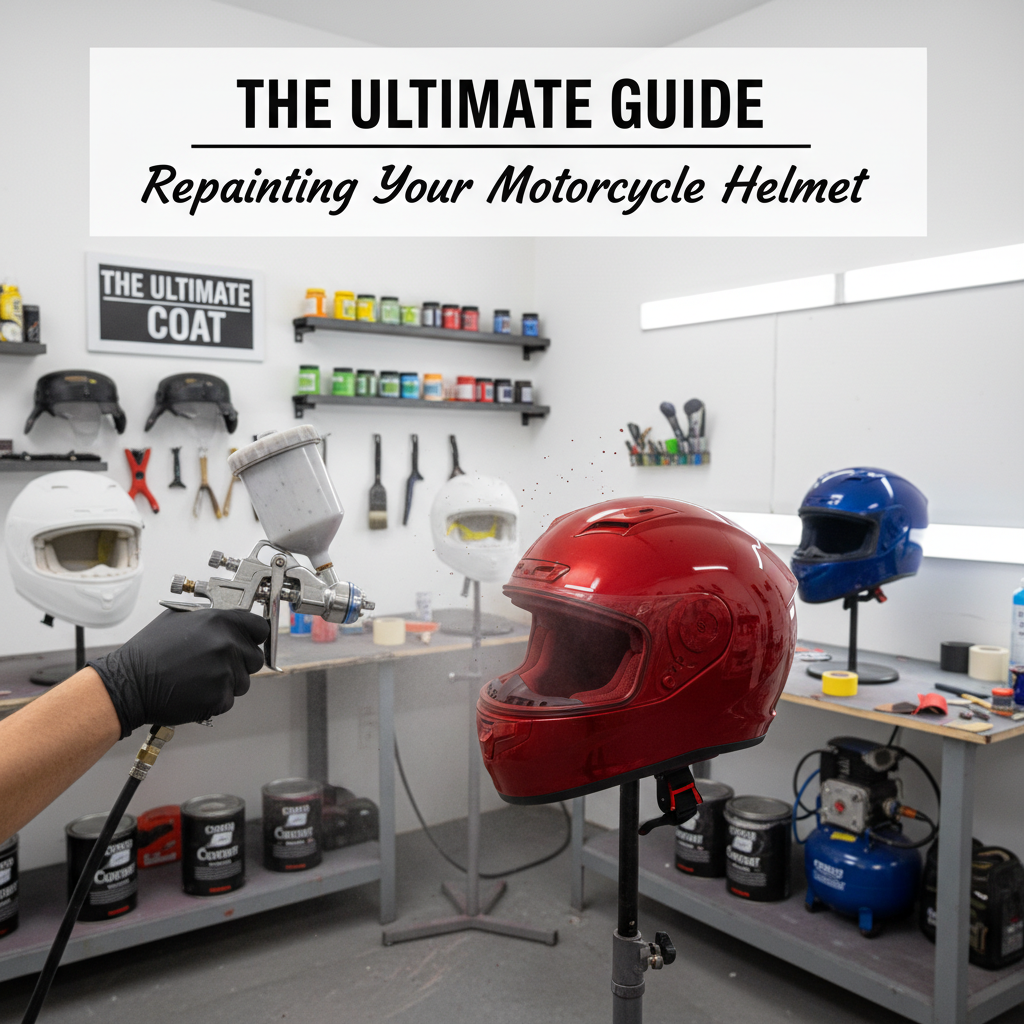
Yes, you can repaint a motorcycle helmet, but it requires proper materials and techniques to ensure safety and durability. Repainting a helmet not only allows for personalization and creativity, but it also serves as a way to refresh an aging piece of gear. However, it is critical to uphold the helmet’s protective qualities throughout the process. In this guide, we’ll explore the essential steps and tips for successfully repainting your helmet without compromising its integrity.
Understanding Helmet Safety Standards

Helmets are designed to protect your head; any modifications can affect safety. When considering repainting your helmet, it’s imperative to understand that even the most minor alterations can influence its performance in an accident. The outer shell and inner foam are engineered to absorb impacts, and introducing new materials, including paint, could interfere with this functionality. Always check that the paint and materials used are non-toxic and suitable for helmet surfaces. It’s advisable to consult the manufacturer’s guidelines or reach out to industry professionals to ensure compliance with safety standards.
Choosing the Right Paint
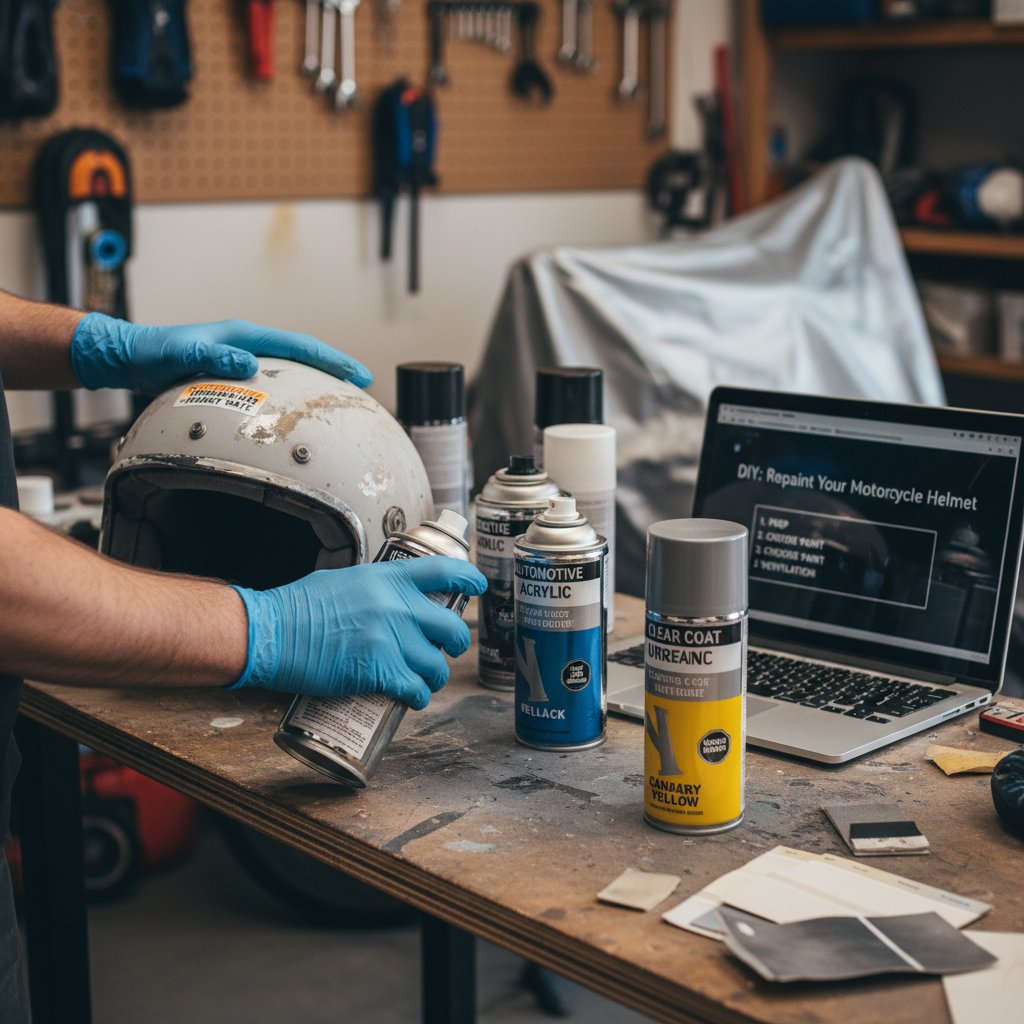
When it comes to selecting the right paint for your motorcycle helmet, quality is paramount. Use acrylic or specially formulated helmet paint to avoid damaging the helmet material. These types of paint are designed to adhere well to the helmet’s surface without causing degradation. Additionally, consider using spray paint for a smooth finish, as it allows for even coverage without brush strokes. However, always check the compatibility of the paint with your helmet material before application. Many helmet manufacturers also offer paint recommendations, which can be valuable resources in your selection process.
Preparing Your Helmet for Repainting
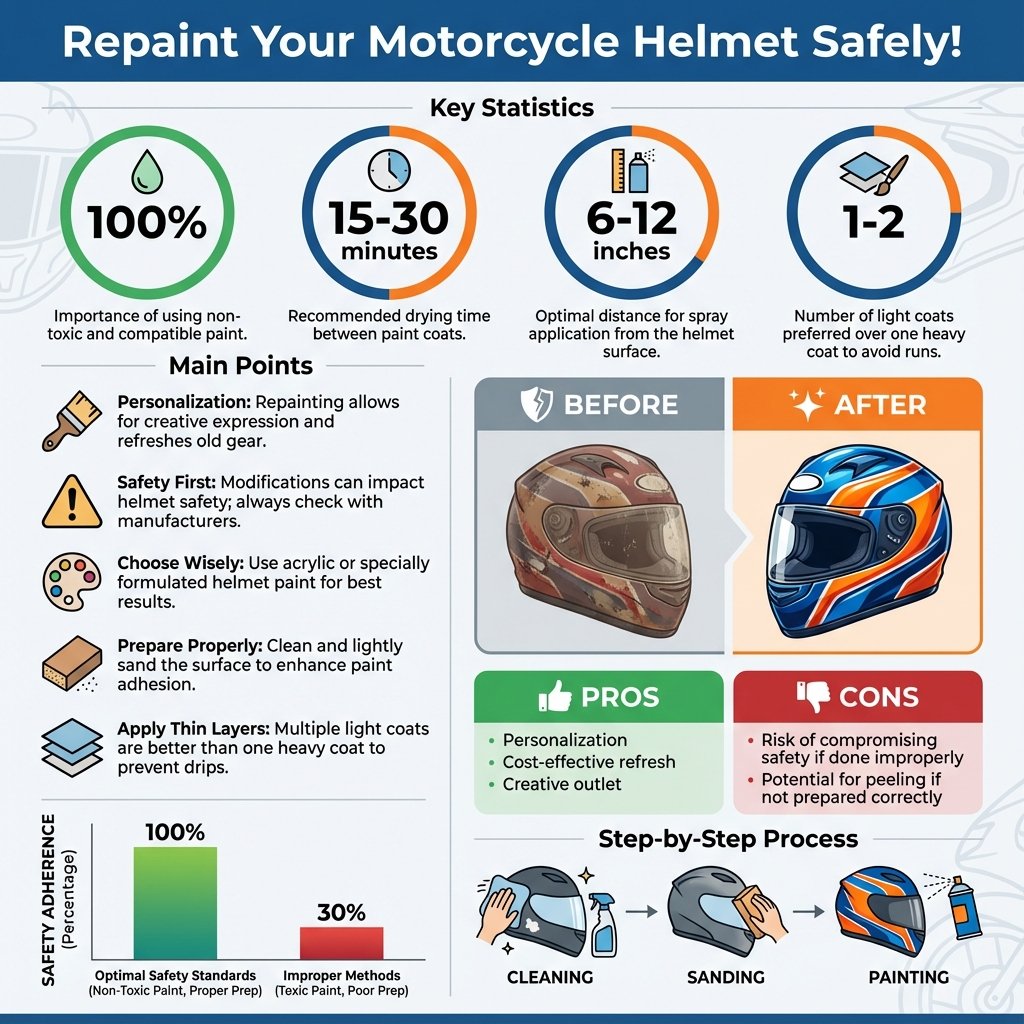
Preparation is key to achieving a professional-looking finish. Start by cleaning the helmet thoroughly to remove dirt, oils, and any remnants of old paint. Use a mild soap and water solution, followed by a rinse with clean water to ensure all residues are removed. Once clean, dry the helmet completely. Next, sand down glossy surfaces lightly with fine-grit sandpaper to facilitate better adhesion of the new paint. This step is crucial; poor surface preparation can lead to peeling or chipping paint down the line. After sanding, wipe the helmet with a clean cloth to remove any dust particles.
Applying the Paint: Step-by-Step
Now that your helmet is prepped, it’s time to apply the paint. Begin by applying thin, even coats of paint, as multiple light layers are preferable to one heavy coat. This method reduces the risk of runs or drips and allows the paint to cure properly. Hold the spray can about 6 to 12 inches away from the surface and use a sweeping motion to cover the area evenly. Allow adequate drying time between coats—typically at least 15-30 minutes, depending on the paint type and environmental conditions. Once you’ve reached the desired coverage, let the helmet cure fully as per the paint manufacturer’s instructions before handling it extensively.
Custom Designs and Techniques
For those looking to add a personal touch, custom designs can transform an ordinary helmet into a statement piece. Stencils can help create unique designs, but ensure they are made from flexible materials that can conform to the helmet’s shape without lifting. When using stencils, apply the base color first, and let it dry completely before placing the stencil and applying the second color. Additionally, consider using decals or stickers for intricate designs after the paint dries. These can be easily applied and removed if you wish to change your design in the future, allowing for ongoing customization.
Finishing Touches: Clear Coating
Applying a clear coat is an essential step in the repainting process that cannot be overlooked. A clear coat protects the paint and enhances durability, making your helmet resistant to scratches and fading. Choose a UV-resistant clear coat to prevent fading from sun exposure, as helmets are often exposed to harsh environmental conditions. When applying the clear coat, follow the same techniques used for the paint—thin, even layers are best, and don’t forget to allow each coat to dry completely. This final step ensures that your new paint job remains vibrant and intact for years to come.
Maintenance and Care Post-Painting
Once your helmet is repainted, it’s essential to maintain it properly to extend the life of the paint job. Regularly clean your helmet with gentle soap and water to maintain the finish, ensuring that you avoid harsh chemicals that could damage the paint or helmet surface. Using a soft cloth or sponge will help prevent scratches while cleaning. Additionally, store your helmet in a cool, dry place away from direct sunlight, as prolonged exposure can lead to fading and degradation of both the paint and the helmet material itself.
Repainting your motorcycle helmet can be a fulfilling project, but it’s crucial to follow safety protocols to ensure that your helmet still provides protection. By understanding helmet safety standards, choosing the right materials, preparing adequately, applying paint correctly, and maintaining your helmet post-repainting, you can enjoy a personalized and safe riding experience. If you’re ready to revamp your helmet, follow these steps and enjoy your ride with a fresh look!
References
- https://en.wikipedia.org/wiki/Motorcycle_helmet
- https://www.nhtsa.gov/equipment/motorcycle-helmets
- https://www.cdc.gov/motorvehiclesafety/motorcycle/index.html
- https://www.ama-cycle.org/
- https://www.nasbike.org/
- https://www.helmets.org/
- https://www.cycleworld.com/motorcycle-helmet-safety-guide/
- https://www.iihs.org/topics/motorcycle-helmets