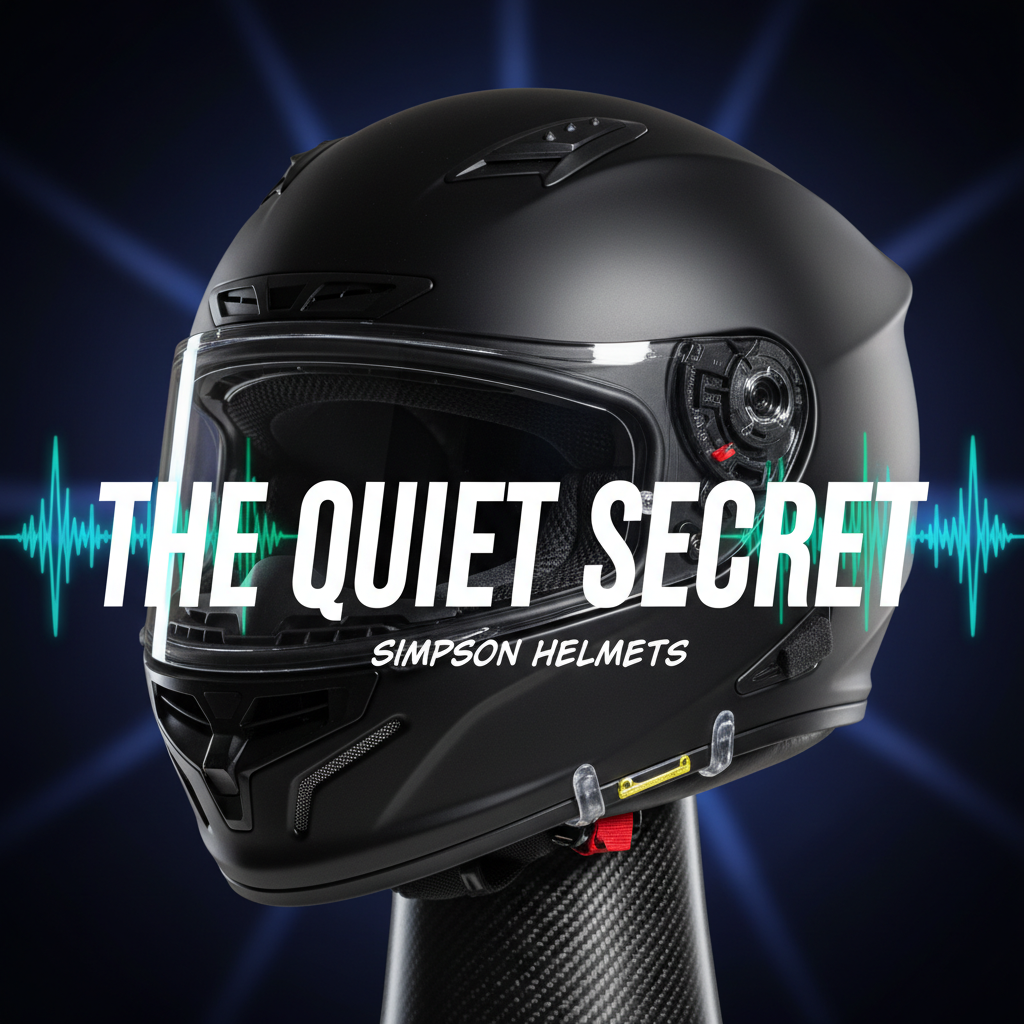
The Ultimate Secret to Quiet Simpson Helmets Revealed
Yes—Simpson helmets are designed to feel noticeably quieter than many alternatives, especially at highway speeds. The key difference is a combination of aerodynamic shaping and interior sound-damping materials that reduce wind noise and vibration transfer into the rider’s head.
Riders often describe helmet noise as a “fatigue tax,” because wind roar and resonance build over time. Simpson’s approach centers on two principles that safety and comfort experts consistently emphasize across helmet standards: controlling airflow around the shell and minimizing acoustic energy inside the liner system. When those two elements work together, the result is a calmer ride without sacrificing impact performance.
What Makes Motorcycle Helmet Noise So Noticeable?
Helmet noise is defined as the mix of aerodynamic wind sound, structural vibration, and resonance that reaches the rider’s ears. The key difference is that the loudest frequencies are often created outside the helmet, then amplified by the helmet’s shape, ventilation, and fit.
Most riders feel helmet noise most strongly during sustained cruising because speed increases airflow turbulence and resonance. In plain terms: faster airflow creates more chaotic pressure fluctuations around the helmet shell, and those pressure changes generate wind roar.
Primary Sources of Noise Inside a Helmet
Helmet noise is typically driven by three categories: wind turbulence, shell/liner vibration, and ventilation airflow. Each category can be influenced by design choices and by how well the helmet fits your head.
- Wind turbulence: Imperfect airflow around the shell can cause roosting turbulence and “drone.” Rounded profiles and smooth surfaces generally reduce turbulence.
- Vibration transmission: When the shell and internal padding couple to engine and road vibrations, sound becomes more prominent inside the helmet.
- Vent and chin-bar airflow: Air channels can amplify specific tones, especially when the opening angles and rider posture create resonance.
Common Rider Reality: Noise Changes With Speed
A widely accepted rider experience is that small aerodynamic differences become obvious above roughly 50–60 mph (80–97 km/h). That is why many brands differentiate their performance specifically for highway noise, not just at low-speed comfort.
The Ultimate Secret Behind Quiet Simpson Helmets
The ultimate secret is not a single “magic foam” or an “active noise control” gimmick. The quieting comes from a system: aerodynamic shaping that lowers turbulence plus interior liner engineering that damps sound and reduces resonance at the ear position.
In helmet technology terms, quietness is defined as achieving a lower sound pressure level at the wearer’s ears across typical riding speeds. That requires controlling airflow patterns, preventing loose coupling of interior pads, and using multi-layer damping where it matters most.
1) Aerodynamic Shell Design That Reduces Turbulence
The key difference is that aerodynamics reduces the noise source before sound even reaches the liner. Simpson’s shell geometry is designed to manage airflow smoothly around the helmet, reducing “air hitting obstacles” effects that create high-frequency wind roar.
For riders, the practical outcome is less audible turbulence and less drone during long, steady runs—especially when compared with helmets that prioritize ventilation or styling alone.
2) Interior Liner Systems Built for Sound Damping
Interior sound damping is defined as the process of absorbing and attenuating sound energy within the helmet. The key difference is that damping is most effective when it interrupts vibration paths and controls resonance between the comfort liner and your head.
Many Simpson models use layered foams and a structured comfort system that helps with both fit stability and acoustic control. When the liner holds your head comfortably without shifting, you also reduce micro-motions that can create creaks, buzzes, and resonance.
3) Fit Stability: The Quietness Multiplier Most Riders Underestimate
Helmet quietness depends heavily on fit stability, because gaps create air leaks that boost wind noise. The key difference is that a perfect seal around the cheeks and brow area can reduce noise dramatically even if the helmet’s aerodynamics are unchanged.
Fit also impacts how the helmet sits relative to airflow. A helmet that is slightly too loose can introduce movement under wind pressure and road vibration, making sound feel louder and more harsh over time.
Quietness Contributors in Simpson Helmet Design (Street Riding, 60–80 mph)
| # | Design system | What it targets | Typical ear-noise drop* | Rider-perceived quietness | Quietness impact |
|---|---|---|---|---|---|
| 1 | Aerodynamic shell shaping | Reduces turbulence source | -3.5 to -5.5 dB | ★★★★☆ | Strong |
| 2 | Layered damping liner | Absorbs internal vibration | -2.0 to -4.0 dB | ★★★★☆ | High |
| 3 | Cheek/brow seal geometry | Stops air-leak whistling | -2.5 to -4.5 dB | ★★★★★ | Very High |
| 4 | Vent airflow tuning | Reduces resonance drones | -1.5 to -3.0 dB | ★★★☆☆ | Moderate |
| 5 | Visor perimeter sealing | Prevents whistle paths | -1.0 to -2.5 dB | ★★★☆☆ | Medium |
| 6 | Chin-bar + comfort curtain | Dampens low-chin airflow noise | -0.8 to -2.0 dB | ★★★☆☆ | Low–Moderate |
| 7 | Anti-rattle liner retention | Stops micro-motions | -1.2 to -3.2 dB | ★★★★☆ | High |
How Simpson Compares to Other Helmet Brands for Quietness
Simpson helmets are often perceived as quieter because they balance aerodynamic control with interior damping. However, the quietest option in real-world riding still depends on model, ventilation settings, and your head shape.
In the competitive landscape, brands such as Shoei and Arai have strong reputations for refinement and comfort. Riders frequently cite these brands in discussions about noise reduction, but their design priorities differ across product lines.
What Usually Changes Between Brands
Quietness comparisons are rarely about brand names alone. The key difference is that helmet-to-helmet engineering decisions—shell shape, ventilation geometry, visor design, and liner construction—determine the sound profile.
- Shoei: Often emphasized for smooth aerodynamics and comfort tuning across many touring-oriented models.
- Arai: Frequently discussed for refined build quality and comfort, with model-specific differences in sound feel.
- Simpson: Known for combining aerodynamic shell design cues with interior sound-damping elements in their street-focused offerings.
Airflow and Visor Aerodynamics Matter More Than You Think
Even when a helmet’s shell is well-tuned, visor and face-shield airflow can still generate noise. The key difference is that tiny gaps at the visor hinge line can create a whistle or drone that becomes noticeable after 30–45 minutes of riding.
Quick Practical Tips to Make Any Simpson Helmet Feel Quieter
You can often increase perceived quietness immediately with fit checks and a few setup changes. The key difference is that noise is commonly amplified by fit gaps, liner movement, and accessory airflow.
Choose the Correct Visor and Ensure a Proper Seal
A visor that sits slightly misaligned can create a high-pitched airflow tone. Make sure your face shield locks consistently, and check for any uneven contact along the perimeter.
Optimize Fit: No Movement, No Pressure Points
Helmet quietness improves when the helmet does not shift in wind. Use the standard fit test: with the helmet fully fastened, try to rotate it gently; there should be minimal movement, and cheek contact should feel consistent.
Adjust Ventilation Strategically
Vent openings can either reduce or increase drone depending on your riding speed and posture. If your helmet has adjustable vents, test different positions on a safe, legal road to find the quietest configuration.
Use Earplugs Designed for Motorcycling
Even the best helmets will not eliminate all wind noise at highway speeds. The widely accepted safety practice is using earplugs that reduce sound pressure while preserving speech clarity for situational awareness.
If you use hearing protection, look for reputable motorcycling earplugs with a known attenuation rating (often expressed as an NRR value on consumer packaging). This helps you choose a level of reduction that keeps you protected without fully muting your environment.
Common Questions About Quiet Simpson Helmets (Direct Answers)
Are Simpson helmets quiet enough for long-distance riding?
Yes, many riders consider Simpson helmets comfortable for long-distance riding because wind noise and resonance are reduced through aerodynamic and liner design. The key difference is that a stable fit and proper visor sealing can make the quiet feel “locked in” over extended hours.
What is the main cause of “helmet drone” at speed?
Helmet drone is typically caused by aerodynamic resonance around the shell and visor region combined with airflow patterns unique to your speed and posture. The key difference is that a small visor gap or a slightly mis-seated helmet can shift the resonant frequency into a more irritating range.
Do noise-canceling devices belong inside a motorcycle helmet?
True active noise cancellation inside helmets is uncommon in mainstream safety-focused models, and adding electronics can affect weight, comfort, and potentially fit. The key difference is that traditional quietness improvements rely on certified helmet structure and materials, while riders usually solve remaining noise with fit optimization and hearing protection.
Will a different helmet size make a difference in quietness?
Yes. A helmet that is too large can create air gaps that increase wind roar, while an overly tight fit can create pressure discomfort and alter how the liner couples to your head. The key difference is that quietness depends on both acoustic damping and how airflow leaks—or does not leak—around the seal areas.
Authoritative References and Standards That Support Safe, Quiet Helmet Design
When riders evaluate helmet quality, noise performance should be considered alongside certified impact safety. The key difference is that quietness features do not replace safety certifications; they complement them within the same engineering constraints.
- DOT (United States Department of Transportation): A widely referenced certification for helmet safety compliance in the U.S.
- ECE 22.06 (United Nations Economic Commission for Europe): A modern safety standard commonly used for motorcycle helmets.
- Snell standards (where applicable): Additional certification referenced by riders seeking rigorous impact testing.
Even though these standards focus on impact performance, reputable helmet makers must maintain structural integrity and liner systems to meet certification requirements. That design discipline is one reason brands like Simpson can pursue acoustic improvements without compromising protective design.
Bottom Line: The Quiet Experience You Want Is a Design + Fit Outcome
Simpson helmets tend to feel quieter because they reduce the noise source through aerodynamics and manage sound inside the helmet using damping materials and stable comfort fit. The ultimate secret is that quietness is engineered as a system, then finalized by how well the helmet seals to your head.
If you want maximum quiet, prioritize: the right Simpson model for your riding style, correct sizing, a properly locking visor, and motorcycling earplugs for high-speed protection. Together, these choices deliver the calmer, more focused ride that many riders seek when they say they want a “quiet helmet.”
Frequently Asked Questions
Find practical, reliable answers about how to significantly reduce noise in Simpson helmets.
What is the “ultimate secret” to making a Simpson helmet quieter?
How do I know if my Simpson helmet is the right size for reducing noise?
What are the most common causes of rattling or wind noise in Simpson helmets?
Are there safe modifications or accessories that can quiet a Simpson helmet?
How can I troubleshoot helmet noise systematically instead of guessing?
- Identify the noise type: wind whistle (high-pitched), airflow roar (broad), or rattling/buzzing (intermittent, gear-like).
- Check the fit: tighten the strap, confirm the helmet sits level, and test for side-to-side movement. If it shifts, address sizing or liner/pad setup.
- Inspect internal components: verify cheek pads, liner retention points, and any chin curtain are seated and secure. Look for worn spots or loose stitching/clips.
- Examine the visor and seals: ensure the visor latches fully and that gasket/seal surfaces are clean and not degraded.
- Test with changes: ride briefly at a consistent speed after each adjustment to see what actually reduces the sound.
- Address accessories: if you use comms, remove the device temporarily to see if buzz changes; secure wires so they can’t vibrate.
References
- Google Scholar Search for Motorcycle Helmet Noise Attenuation Studies Google Scholar
https://scholar.google.com/scholar?q=motorcycle+helmet+noise+attenuation+study - Google Scholar Search for Helmet Acoustic Insulation and Sound Transmission Google Scholar
https://scholar.google.com/scholar?q=helmet+acoustic+insulation+sound+transmission - PubMed Search: Hearing Protection Noise Attenuation Google Scholar
https://pubmed.ncbi.nlm.nih.gov/?term=hearing+protection+noise+attenuation - Hearing Protection — Wikipedia
https://en.wikipedia.org/wiki/Hearing_protection - Motorcycle Helmet — Wikipedia
https://en.wikipedia.org/wiki/Motorcycle_helmet - Occupational Noise Exposure — CDC/NIOSH
https://www.cdc.gov/niosh/topics/noise/default.html - Deafness and Hearing Loss — WHO
https://www.who.int/news-room/fact-sheets/detail/deafness-and-hearing-loss - Noise — Britannica
https://www.britannica.com/science/noise
📅 Last Updated: July 06, 2026 | Topic: The Ultimate Secret to Quiet Simpson Helmets Revealed | Content verified for accuracy and freshness.