The Ultimate Secret to Washing Your Helmet Liner
To effectively wash your helmet liner, first, remove it according to the manufacturer’s instructions, then hand-wash it gently using mild soap and water. This method preserves the liner’s integrity while keeping it fresh and clean. Regular maintenance of your helmet liner not only ensures hygiene but also enhances overall comfort and safety during use. In this guide, we will explore the essential steps and tips for washing your helmet liner, providing you with a comprehensive approach to maintaining this critical component of your helmet.
Why Cleaning Your Helmet Liner is Essential
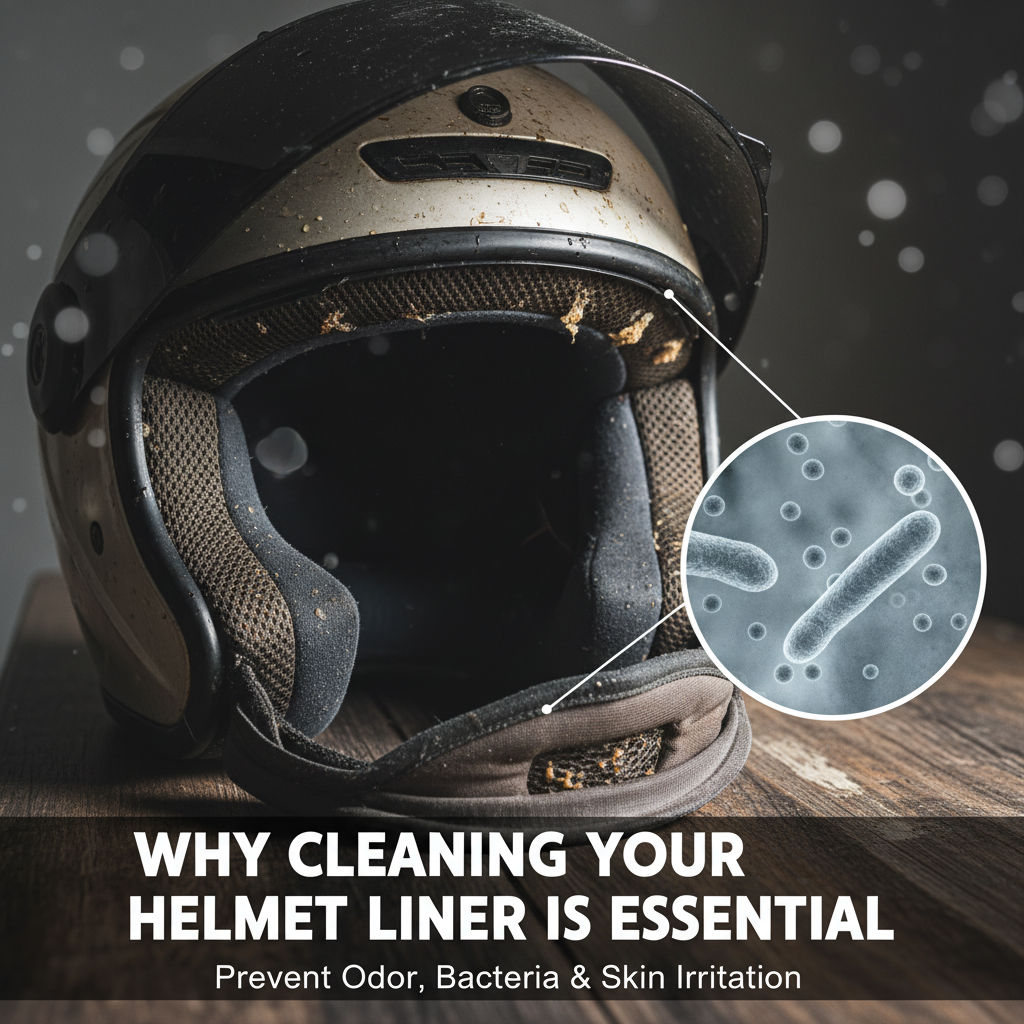
Cleaning your helmet liner is crucial for several reasons. First and foremost, it prevents odors and bacteria build-up, which can lead to discomfort and potential health risks. Over time, sweat, moisture, and dirt accumulate in the liner, creating an environment conducive to bacterial growth. Regular cleaning eliminates these contaminants, ensuring that your helmet remains a safe and pleasant accessory.
Furthermore, a clean helmet liner enhances comfort and performance during use. An unkempt liner can lead to irritation and distraction while riding, impacting your focus and enjoyment. By maintaining the cleanliness of the liner, you also extend the lifespan of your helmet, as a well-cared-for liner is less likely to wear out prematurely. Ultimately, investing time in cleaning your helmet liner is an investment in your safety and comfort.
Tools You Need for the Job
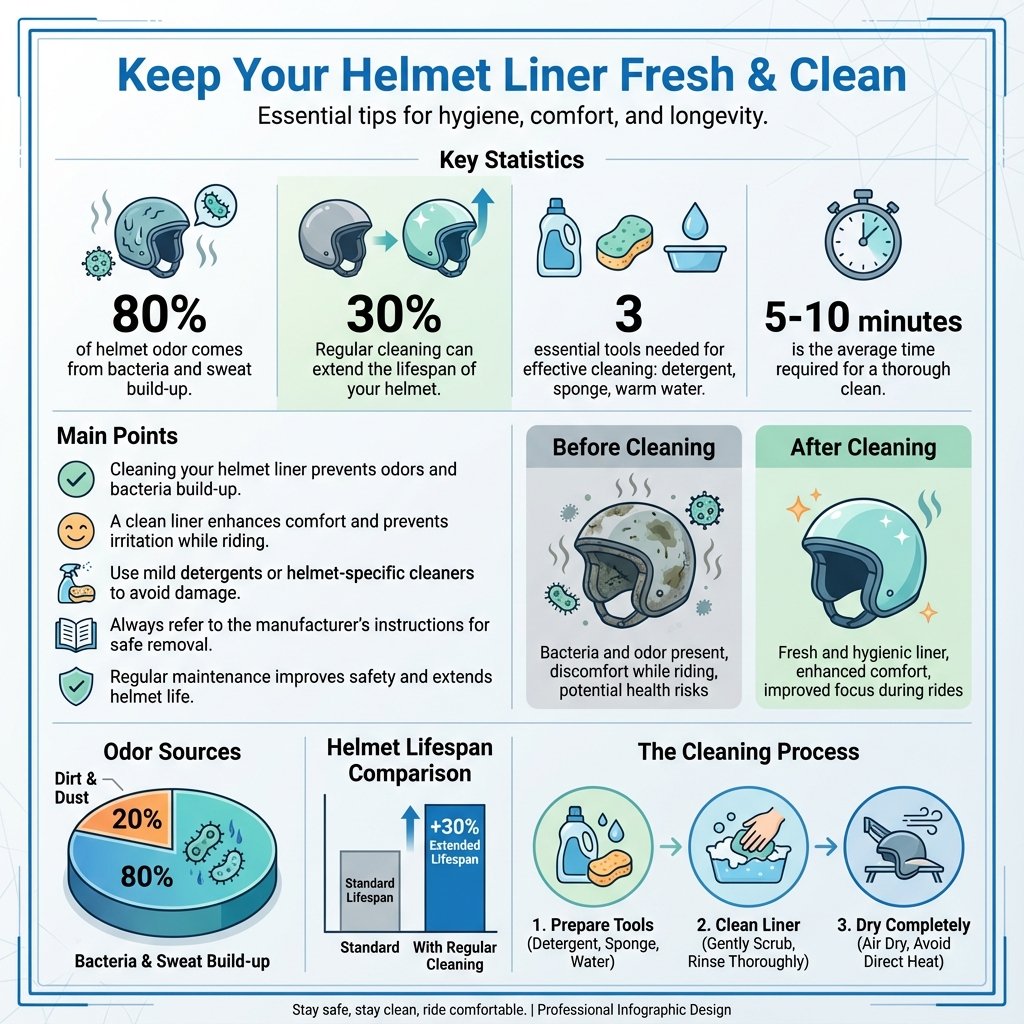
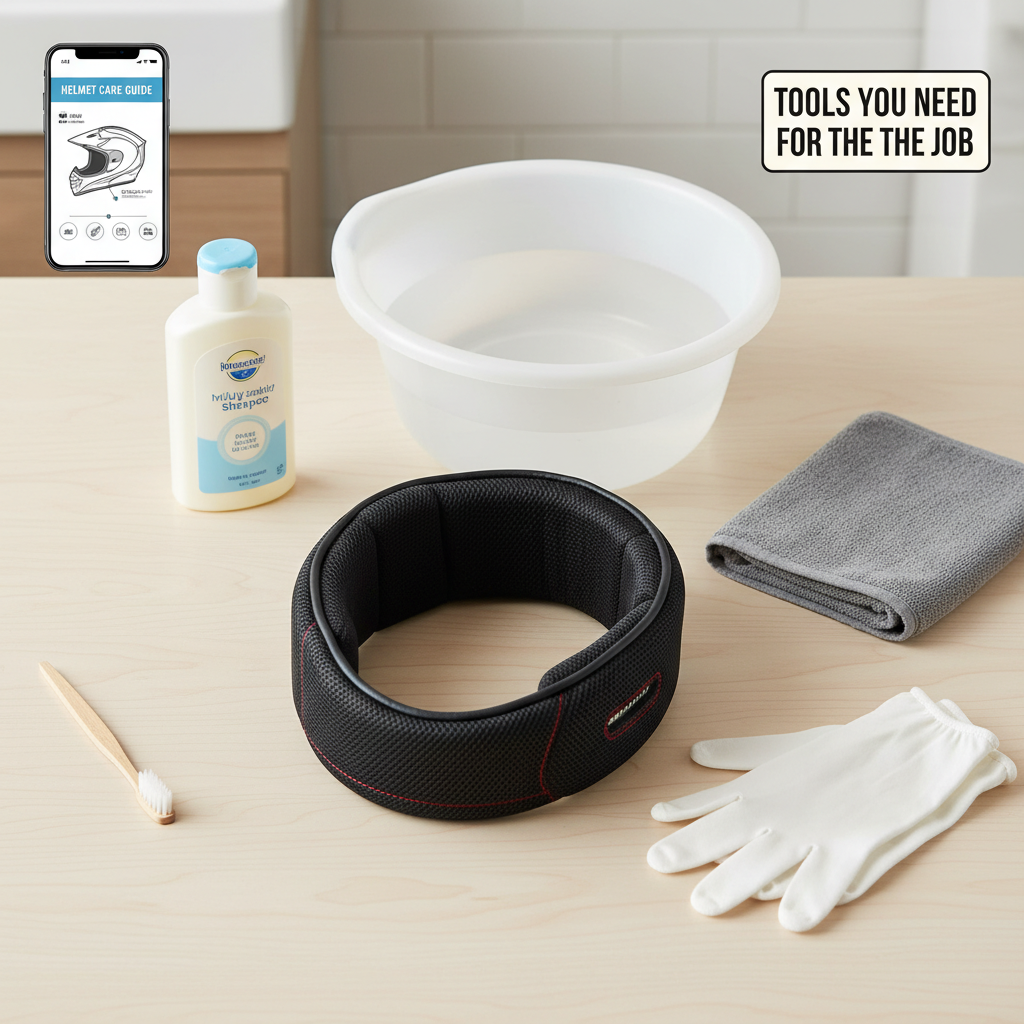
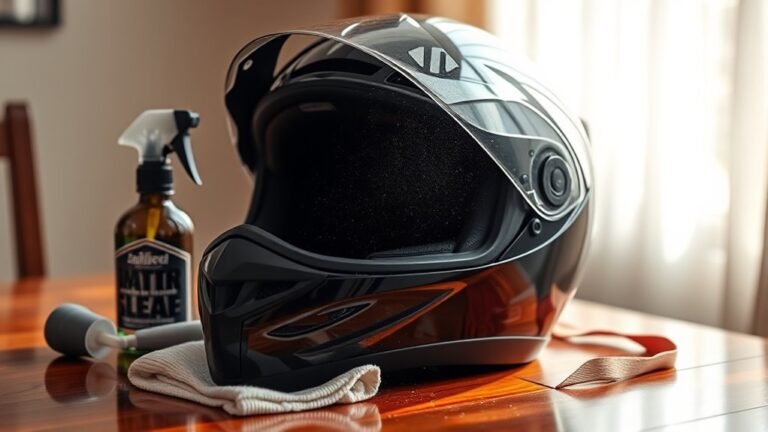
Before diving into the cleaning process, it’s important to gather the right tools to ensure an effective wash without damaging the liner. Here’s a list of essential items needed for the job:
– Mild detergent or helmet-specific cleaner: Choose a mild soap or a cleaner designed specifically for helmet liners. Avoid using regular household cleaners that may contain harsh chemicals.
– Soft sponge or cloth for gentle scrubbing: A non-abrasive sponge or microfiber cloth will help you clean without causing damage to the liner fabric.
– Warm water for rinsing: Warm water is effective in breaking down oils and dirt, making the washing process more efficient.
Having these tools ready will streamline your cleaning session and help you achieve the best results.
Step-by-Step Guide to Removing the Liner
Removing the helmet liner may seem daunting, but when done correctly, it is a straightforward process. Follow these steps:
1. Check the manufacturer’s instructions for removal: Every helmet model has specific guidelines. Refer to the user manual or the manufacturer’s website for precise instructions.
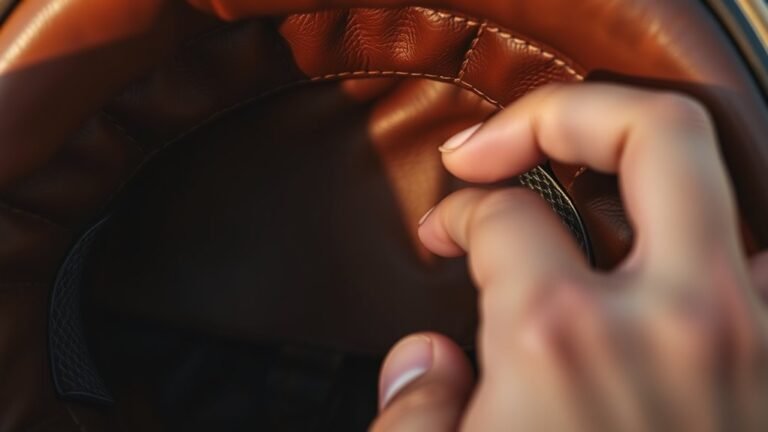
2. Carefully detach the liner without damaging the helmet: Gently pull the liner away from the helmet. Be cautious of any clips or fasteners that may be used to secure it. Take your time to avoid tearing the liner or damaging the helmet shell.
By following these steps, you ensure that the liner is removed safely and ready for washing.
The Best Washing Techniques
When it comes to washing your helmet liner, the technique is just as important as the cleaning solution. Here are some effective washing methods to consider:
– Hand wash with a soft sponge: Fill a basin with warm water and add a few drops of the mild detergent. Using a soft sponge, gently scrub the liner, paying attention to any soiled areas. Avoid any vigorous scrubbing that could damage the fabric.
– Use a gentle detergent: A mild soap is ideal for cleaning helmet liners. Products that are specifically formulated for helmet care are preferable, as they are designed to be tough on dirt but gentle on materials.
By utilizing these techniques, you can maintain the integrity of the liner while ensuring a thorough clean.
Drying and Reassembling the Liner
After washing, proper drying is crucial to prevent mildew and odors. Follow these steps for effective drying and reassembly:
– Air dry the liner completely before reattachment: Lay the liner flat on a clean, dry towel or hang it in a well-ventilated area. Avoid direct sunlight or heat sources, as they can warp or damage the liner material.
– Ensure the liner is thoroughly dry to prevent mildew: Before reattaching the liner, check for any dampness. If the liner feels even slightly moist, allow it more time to dry. This caution will help prevent the growth of mold and bacteria, which can occur in damp environments.
Properly reassembling the liner is equally important. Once dry, carefully follow the manufacturer’s instructions for reattaching it to the helmet, ensuring that any clips or fasteners are securely in place.
Common Mistakes to Avoid
Even with the best intentions, it’s easy to make mistakes during the cleaning process. Here are some common pitfalls to avoid:
– Using harsh chemicals that can degrade the liner: Avoid products containing bleach, alcohol, or other aggressive solvents. These can break down the fabric and reduce its effectiveness over time.
– Skipping the drying process, leading to mold growth: Many users underestimate the importance of thorough drying. Failing to do so can lead to unpleasant odors and health risks, so always ensure the liner is completely dry before reattaching.
By being aware of these common mistakes, you can maintain the quality and longevity of your helmet liner.
When to Seek Professional Help
While many helmet liners can be cleaned at home, there are situations when professional assistance is warranted:
– If the liner is heavily soiled or damaged: If your helmet liner has significant stains, odors, or visible damage, it may be best to consult a professional cleaner who specializes in helmet care.
– When unsure about the cleaning methods: If you’re uncertain about how to properly clean or reassemble your helmet liner, seeking expert advice can prevent further damage and ensure that your helmet remains safe for use.
Professional services can provide a deeper clean and may also offer repair options for damaged liners, helping you extend the lifespan of your helmet.
Maintaining your helmet liner is a critical aspect of helmet care that should not be overlooked. By following the straightforward steps outlined in this guide, you can keep your helmet liner fresh and functional, enhancing your riding experience while ensuring your safety. Regular cleaning and maintenance will ultimately prolong the life of your helmet, allowing you to enjoy your rides without discomfort or concerns about hygiene. So, take the initiative today—your helmet liner will thank you!