**Wisconsin Helmet Law: Must-Know Facts for Riders**
Wisconsin does not have a universal helmet law, meaning motorcycle riders over the age of 18 are not required to wear a helmet while riding. However, understanding the implications of this law is critical for safety and legal compliance. The choice to wear a helmet can greatly influence a rider’s safety, and there are important considerations and regulations that every motorcyclist in Wisconsin should be aware of to ensure both compliance with local laws and personal safety.
The Basics of Wisconsin’s Helmet Law

In Wisconsin, the legal framework regarding helmet use is straightforward: motorcycle riders aged 18 and older are not mandated to wear helmets. This law reflects a broader trend in some states that prioritize personal freedom for adult riders. However, riders under the age of 18 are required to wear a helmet at all times while riding. This regulation is designed to protect younger, less experienced riders who may be more vulnerable to serious injuries in the event of an accident. Additionally, it’s essential for riders to be aware of their responsibilities, including understanding that while the state may not require helmets for adults, the personal choice to wear one can significantly enhance safety.
Safety Statistics That Matter
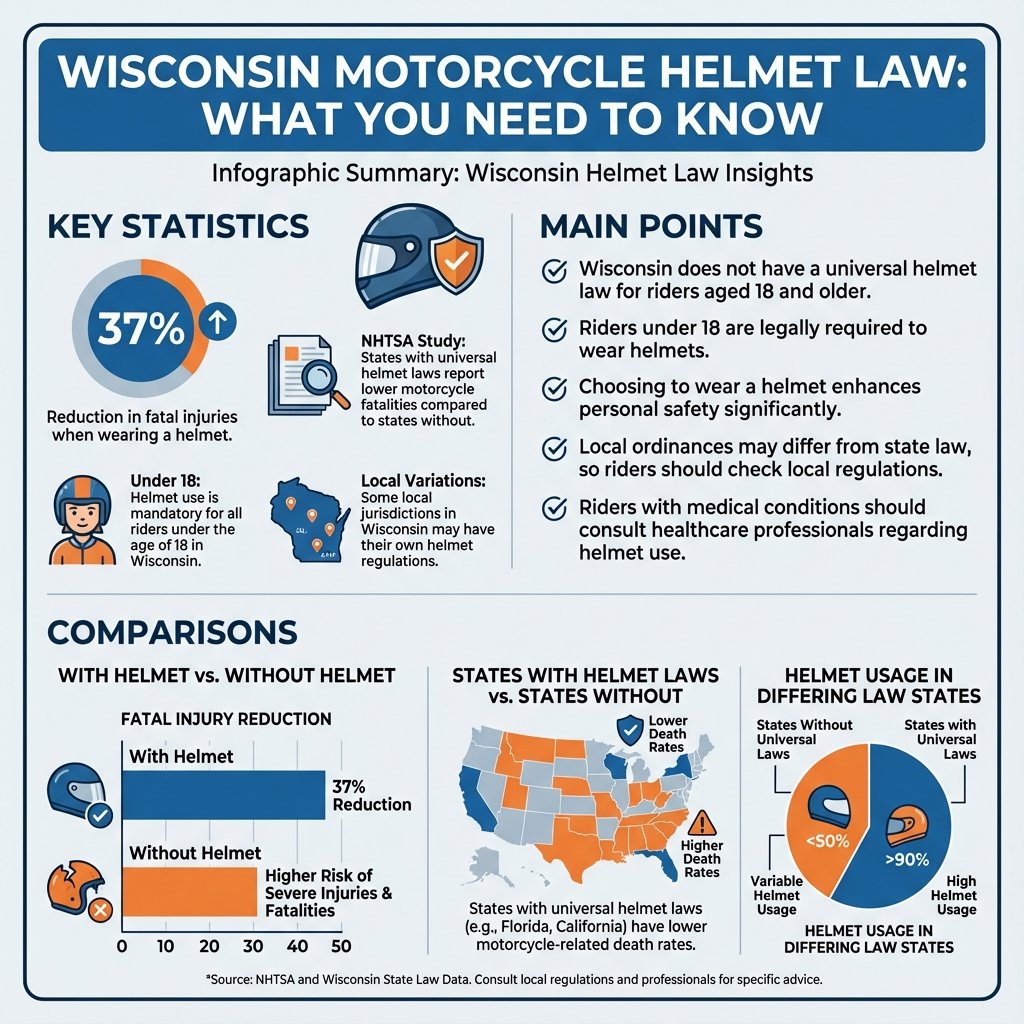
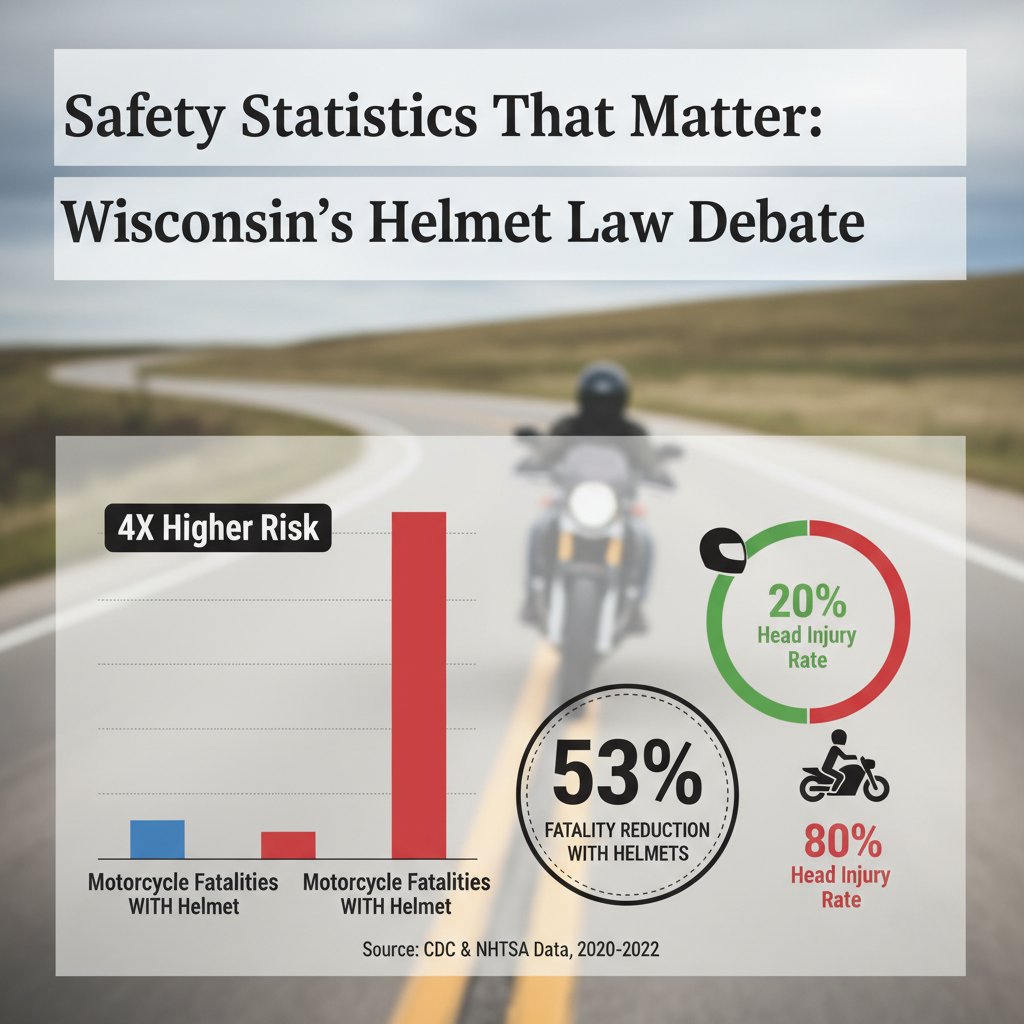
Statistics regarding motorcycle safety paint a compelling picture of the protective benefits of helmet use. Research indicates that wearing helmets can reduce fatal injuries by up to 37%. A study conducted by the National Highway Traffic Safety Administration (NHTSA) found that states with universal helmet laws often report significantly lower rates of motorcycle fatalities compared to those without such regulations. For instance, states like Florida and California, which have comprehensive helmet laws, have seen a marked decrease in motorcycle-related deaths. These statistics highlight the stark reality that helmets are not only a legal consideration but a crucial safety measure that can save lives.
Exceptions and Special Cases
While Wisconsin’s helmet law is clear, there are exceptions and special cases worth noting. Certain local jurisdictions within the state may impose their own helmet regulations, which can differ from state law. For example, some cities may enact laws requiring all riders, regardless of age, to wear helmets. Thus, it is wise for riders to familiarize themselves with local ordinances wherever they plan to ride. Additionally, riders with specific medical conditions or disabilities may face different guidelines regarding helmet use, which can affect their riding experience and safety measures. It’s advisable for these individuals to consult with healthcare professionals to understand their needs and any applicable regulations.
Benefits of Wearing a Helmet
The benefits of wearing a helmet extend beyond mere compliance with the law. Helmets significantly reduce the risk of head injury in accidents, protecting riders from severe trauma that can lead to long-term disabilities or fatalities. According to the Centers for Disease Control and Prevention (CDC), helmets are estimated to save approximately 1,859 lives annually in the United States. Furthermore, many insurance companies recognize the safety benefits of helmet use and may offer lower premiums for riders who consistently wear helmets. This financial incentive adds another layer of motivation for riders to prioritize their safety and the safety of others on the road.
The Debate: Freedom vs. Safety
The discussion surrounding helmet laws often centers on the balance between personal freedom and public safety. Advocates for personal freedom argue that adult riders should have the autonomy to make their own choices regarding helmet use, emphasizing the right to choose how to manage personal risk. Conversely, safety proponents argue that helmet laws are necessary for public health, citing the societal costs associated with motorcycle injuries and fatalities, which can place a financial burden on healthcare systems and taxpayers. This ongoing debate underscores the complexity of the issue, with valid points on both sides. Ultimately, fostering a culture of safety and responsibility among riders is crucial for reducing accidents and injuries on the road.
What Other States Are Doing
When comparing Wisconsin’s helmet laws to those of neighboring states, the contrasts become evident. For instance, Illinois has no helmet law for adult riders, similar to Wisconsin, while Minnesota mandates helmet use for all riders, regardless of age. This discrepancy highlights a broader national trend where helmet laws vary significantly from one state to another, reflecting different cultural attitudes toward motorcycle riding and personal freedom. States with strict helmet laws often promote comprehensive safety programs that emphasize helmet use, and these initiatives have proven successful in reducing motorcycle-related fatalities. As such, riders in Wisconsin should remain aware of their neighboring states’ laws, especially if they plan to travel across state lines.
Resources for Wisconsin Riders
To stay informed about motorcycle laws and safety, Wisconsin riders can access a variety of resources. Websites such as the Wisconsin Department of Transportation offer up-to-date information on motorcycle regulations, while organizations like the Motorcycle Safety Foundation provide educational materials and training programs aimed at improving rider safety. Additionally, local motorcycle clubs and advocacy groups often conduct safety courses that can enhance riding skills and promote safe practices. Engaging with these resources can empower riders to make informed decisions about their safety and compliance with the law.
While Wisconsin does not enforce a state-wide helmet law for adult riders, the choice to wear a helmet can significantly impact safety. Riders should stay informed about local regulations and consider the numerous benefits of helmet use for their well-being. In light of the statistics and ongoing debates surrounding helmet laws, it is clear that responsible riding—coupled with a commitment to safety—should be a top priority for all motorcyclists. Stay safe and ride smart!
References
- https://en.wikipedia.org/wiki/Motorcycle_helmet_law#Wisconsin
- https://wisconsindot.gov/Pages/safety/motorcycles/helmet.aspx
- https://www.ncbi.nlm.nih.gov/pmc/articles/PMC1762178/
- https://www.iihs.org/topics/motorcycles/helmet-use
- https://www.nhtsa.gov/road-safety/motorcycles
- https://www.mdot.state.mn.us/motorcycle/helmet.html
- https://www.americanmotorcyclist.com/helmet-laws-in-the-united-states/