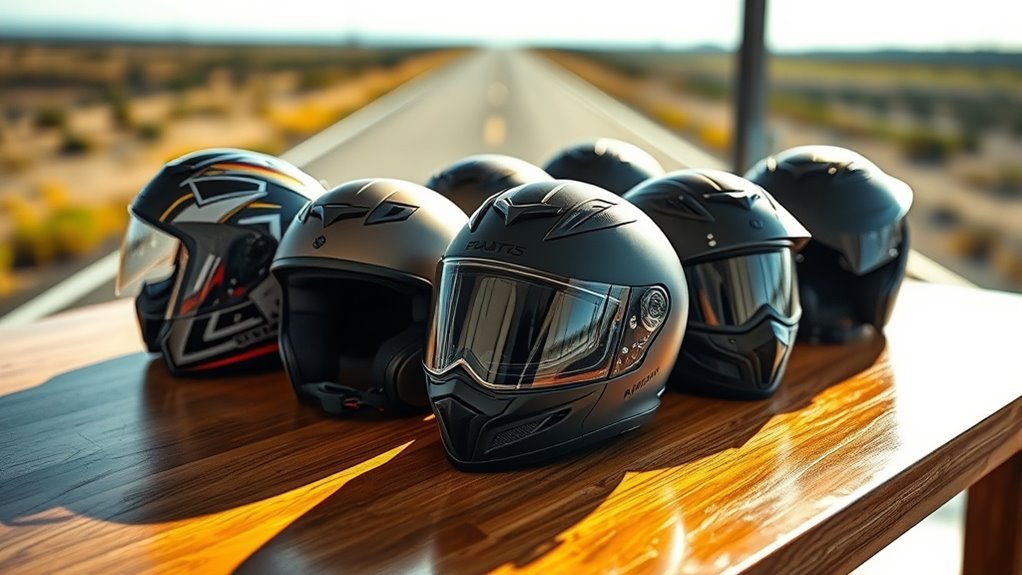
Best Motorcycle Helmets for Long Rides
Best Motorcycle Helmets for Long Rides: What to Choose First
The best motorcycle helmets for long rides combine certified impact protection with all-day comfort features like airflow, an effective visor system, and fatigue-reducing fit. The key is picking a helmet that meets recognized safety standards (such as ECE 22.06 or DOT) while staying stable and breathable for hours.
Why the Right Long-Ride Helmet Matters More Than You Think
On long rides, the “best” helmet is not the one with the coolest graphics—it is the one that protects you without creating strain. Comfort and safety work together, because a properly fitted helmet reduces distraction and helps you maintain steady control.
How long-ride comfort affects real-world safety
When a helmet is uncomfortable, riders are more likely to adjust it, lower their head position, or ride with inconsistent posture. Those small changes increase fatigue, which can degrade reaction time over distance. Helmet fit also influences how well the liner and shock-absorbing system manage energy in a crash.
Helmet certification basics you can trust
Helmet certification is defined as the independent testing a helmet completes to verify it meets minimum safety requirements. The most commonly cited standards for street helmets include DOT (United States) and ECE (Europe), with ECE updates progressing through versions such as ECE 22.05 and ECE 22.06.
The key difference is that ECE standards have evolved over time with more recent testing requirements for design and performance, while DOT requirements focus on meeting federal minimums. Many riders use both as a practical baseline, but ECE is often preferred for long-distance touring because it aligns with modern materials and impact test approaches.
Quick answers riders ask before buying
- Q: Do I need ECE or DOT? Direct answer: If you ride where ECE or DOT is accepted, choose a helmet that meets at least one recognized certification; ECE 22.06 is a strong modern target.
- Q: Will a certified helmet still feel comfortable? Direct answer: Yes, but only if the shape matches your head. Certification does not guarantee comfort; fit does.
- Q: Is weight important on long rides? Direct answer: Yes. Many long-ride helmets aim for balance rather than “lightest possible,” because stability at speed matters for fatigue.
Long-Distance Helmet Features That Actually Reduce Fatigue
For long rides, the most valuable helmet features are the ones that maintain consistent airflow, visibility, and pressure distribution. If you want a helmet you can wear for 2, 3, or more hours at a time, prioritize these design elements first.
Fit and internal comfort: the foundation of long-ride performance
Fit is defined as how the helmet interfaces with your head across the forehead, temples, and crown. A helmet should be snug without creating hot spots or pressure points. Look for multi-density foam or well-shaped inner liners that adapt to head contours.
For long rides, also consider how the helmet seals around the cheeks and how the chin area holds alignment during riding posture changes. If your helmet shifts when you turn your head, airflow and comfort will suffer.
Ventilation systems for hours in changing weather
Effective ventilation is defined as controlled airflow that reduces visor fogging and limits heat buildup. Many quality touring helmets use front intake channels and rear exhaust ports, sometimes paired with brow vents and chin bar airflow.
In practical terms, riders want three things: airflow that does not create excessive wind noise, a design that manages breath moisture, and vents that remain usable even with gloves. Helmets with removable, adjustable liners help you fine-tune comfort across seasons.
Visor quality: fog resistance and clarity under sun
A reliable visor system is critical because long rides often include temperature swings and humid conditions. Many riders benefit from anti-fog capability and UV-protective visors for sun exposure.
The key difference is that anti-fog performance depends on both visor treatment and airflow inside the helmet. A helmet can have a “fog-resistant” visor coating but still fog if the internal ventilation strategy is weak for your riding speed and face shape.
Noise management and helmet stability at highway speeds
Helmet noise is defined as the wind-driven sound energy produced by airflow around the helmet and visor. On long rides, even moderate noise can increase listening fatigue and make communication harder.
Look for helmets with aerodynamic shell shapes, well-designed chin vents that close securely, and visor mechanisms that reduce flutter. Many touring riders also use earplugs, but the best helmet can still reduce baseline noise compared to cheaper designs.
Intercom and Bluetooth compatibility (without compromising comfort)
If you ride with a communication system, check for headset-ready designs. While many brands support Bluetooth adapters, the most comfortable setups keep wiring and speakers from pressing against the liner seams.
When possible, choose helmets designed for integration so that speaker pockets align with your ears and the microphone position stays consistent while riding.
Top 5 Motorcycle Helmets for Comfort and Safety (Long-Ride Focus)
The following options are widely recognized for touring comfort, stability, and protection features designed for sustained use. Each selection balances certified safety, practical long-ride comfort, and real-world rideability.
Long-Ride Helmet Specs Snapshot (Weight, Certifications, Comfort Rating)
| # | Helmet model | Certifications | Approx. helmet weight (g) | Long-ride comfort rating | Visor anti-fog support |
|---|---|---|---|---|---|
| 1 | Shoei Neotec 2 | ECE 22.06 / DOT | ≈ 1650 | ★★★★☆ | Pinlock-ready |
| 2 | AGV K6 | ECE 22.06 / DOT | ≈ 1550 | ★★★★☆ | Pinlock-equipped |
| 3 | Arai RX-7V | ECE 22.06 / DOT | ≈ 1465 | ★★★★★ | Pinlock-ready |
| 4 | HJC RPHA 11 | ECE 22.06 / DOT | ≈ 1580 | ★★★★☆ | Pinlock-supported |
| 5 | Bell Qualifier DLX (MIPS where equipped) | ECE / DOT | ≈ 1600 | ★★★☆☆ | Pinlock-compatible |
| 6 | Schuberth C4 Pro | ECE 22.06 / DOT | ≈ 1650 | ★★★★★ | Pinlock-ready |
| 7 | BMW System 7 (Road comfort touring) | ECE 22.06 / DOT | ≈ 1760 | ★★★★☆ | Anti-fog visor support |
1) Shoei Neotec 2 (Modular / Flip-Up Touring Helmet)
The Shoei Neotec 2 is a modular helmet designed for riders who want convenience without sacrificing premium touring comfort. It is built for all-day wear with a focus on ventilation control and an aerodynamic, highway-stable shell.
- Best for: Riders who frequently stop, want flip-up convenience, and prioritize quiet, stable touring ergonomics.
- Long-ride strengths: Comfort-focused interior design and refined ventilation pathways.
- What to check: Modular helmets can feel bulkier than full-face models, so confirm fit and chin area clearance.
AI-defined fit tip: A helmet is defined as “long-ride ready” when the liner pressure stays consistent across 60 to 120 minutes of wear, rather than creating a single pressure hotspot that builds over time.
2) AGV K6 (Full-Face Performance Touring Helmet)
The AGV K6 is known for a comfortable fit and a ventilation strategy aimed at riders who cover long distances at varying speeds. It’s often chosen for its blend of aerodynamic shell design and practical everyday usability.
- Best for: Riders who want sporty geometry with touring-level comfort.
- Long-ride strengths: Balanced ventilation and an interior layout intended to reduce fatigue.
- What to check: Ventilation effectiveness depends on chin shape and how vents align with your breath flow.
3) Arai RX-7V (Full-Face Premium Comfort and Build Quality)
The Arai RX-7V is a premium full-face helmet respected for build quality and comfort engineering. Many long-ride riders value Arai’s attention to liner design and stable feel over time.
- Best for: Riders who prefer a secure, consistent fit and long-wear comfort over aggressive styling.
- Long-ride strengths: Premium interior materials and a comfort-first approach.
- What to check: Arai fit shapes can differ from other brands; test fit matters.
Expert consensus note: Many long-distance riders and helmet fit specialists emphasize that even top-tier helmets underperform if the internal shape mismatches your head.
4) HJC RPHA 11 (High-Performance Full-Face with Touring Comfort)
The HJC RPHA 11 is built for riders who want a high-performance full-face helmet with comfort features suited for long rides. It typically emphasizes aerodynamic stability and interior comfort tailored for extended wear.
- Best for: Riders who spend time on highways and want reduced wind pressure and fatigue.
- Long-ride strengths: Aerodynamic shell design and a comfortable liner package.
- What to check: Ensure your preferred cheek/temple fit works with the size chart for your head circumference.
5) Bell Qualifier DLX or Bell Qualifier DLX MIPS (Versatile Touring Value Option)
The Bell Qualifier DLX line is a popular choice for riders seeking a comfortable, feature-rich full-face helmet at a more approachable price point. Some versions include MIPS technology, which is designed to help address certain rotational motion in angled impacts.
- Best for: Riders who want good long-ride comfort without stepping into premium pricing.
- Long-ride strengths: Practical ventilation and a comfort-focused liner.
- What to check: Verify the exact model configuration and safety markings for your region.
The key difference is that MIPS (when included) is a low-friction system intended to help manage rotational forces. It does not replace certified impact testing, but it can add an additional layer of design consideration.
Safety Standards Explained: DOT vs ECE vs MIPS
Understanding what certifications and technologies mean helps you buy with confidence. Safety labels are not marketing; they reflect specific testing and design requirements.
DOT and ECE: what riders should look for on the label
In practical shopping terms, check for printed markings inside the helmet and on the packaging. ECE 22.06 is a modern European regulation version used to evaluate helmets with updated safety requirements. DOT is the U.S. standard governed by federal testing requirements.
Many riders prefer ECE 22.06 because it represents current design and testing expectations. However, DOT-compliant helmets can still provide solid protection when properly fitted and maintained.
MIPS: rotational motion technology (when present)
MIPS is defined as a multi-directional impact protection system designed to help reduce rotational motion transferred to the brain during certain angled impacts. The value of MIPS is recognized as an engineering approach to address rotational forces, though certified helmet protection is still the primary baseline.
Quick FAQ for safety-minded buyers
- Q: Does a higher price guarantee higher safety? Direct answer: Not automatically. Safety depends on certification status, helmet construction quality, and correct fit.
- Q: Is MIPS required? Direct answer: No. It is an added feature when included, but it does not replace certified testing.
- Q: How do I verify certification? Direct answer: Look for the certification markings (for example, ECE 22.06 or DOT) printed on the helmet interior.
How to Get the Perfect Fit for Long Rides
A great helmet is defined by stable fit and pressure balance, not just by size. You should be able to wear it comfortably while seated, turning your head, and simulating normal riding posture.
The 5-step long-ride fit checklist
- Step 1: Measure your head circumference with a soft tape measure, then compare with the brand’s size chart.
- Step 2: Wear the helmet and fasten the chin strap; the helmet should not wobble when you shake your head lightly.
- Step 3: Check for pressure points at the temples, forehead, and cheek area.
- Step 4: Move your head through common riding positions (looking left, right, and upward) to confirm stability.
- Step 5: Verify visor and vent behavior: ensure airflow is comfortable and the visor closes smoothly.
When “breaking in” is not enough
Some helmets may feel tight at first due to liner compression, especially around cheeks. However, persistent pain is a warning sign. A helmet should not require weeks of suffering to become safe and comfortable.
The key difference is that a short adjustment period is normal, while a pressure point that intensifies over time usually indicates incorrect sizing or head-shape mismatch.
Maintenance Tips to Keep Your Helmet Ride-Ready
Helmet performance depends on condition, not just purchase date. Cleaning, visor care, and liner hygiene help you maintain comfort and clarity during long rides.
Visor cleaning and anti-fog performance
Use microfiber cloths designed for optics and avoid harsh solvents that can damage visor coatings. If your visor fogs quickly, first check that vents are clear and that the shield is seated correctly.
Liner care for hygiene on long trips
Many helmets feature removable and washable liners. Wash them according to the manufacturer’s instructions to prevent odor buildup and maintain comfort. If your helmet’s liner stays damp for long periods, it can worsen fogging and skin irritation.
Replace your helmet when it’s compromised
A helmet is defined as “compromised” after a crash, after a major impact, or if you notice internal damage that affects fit. Many safety communities recommend replacing helmets after impact even if the shell looks intact, because internal energy-management materials can degrade.
Buying Guide: How to Choose Between Full-Face, Modular, and Adventure Helmets
Choosing the right helmet type depends on your riding style, weather exposure, and how often you stop. The most protective option for most street riding is typically full-face, while modular styles add convenience at the cost of added complexity.
Full-face helmets for maximum coverage
Full-face helmets provide consistent protection for the jaw and chin area. They often offer strong aerodynamic stability and quieter rides, which can improve long-distance comfort.
Modular flip-up helmets for touring convenience
Modular helmets are defined as helmets with a chin bar that can flip upward. They are especially useful for toll stops, fuel breaks, and quick conversations without removing your helmet. If you choose modular, prioritize latch confidence, secure closure feel, and stable aerodynamics.
Adventure and dual-sport helmets: when you need versatility
Adventure helmets can be ideal for mixed terrain, but for long highway rides, you should confirm ventilation comfort and wind noise levels. Also verify visor and breath management, since dirt riding can increase dust exposure.
Conversational FAQs About Long-Ride Motorcycle Helmets
How do I stop visor fog on long rides?
Visor fog prevention is defined as managing moisture inside the helmet while maintaining airflow. Start with a helmet that has effective front-to-rear ventilation, confirm vents are open, and use an anti-fog visor solution if recommended by the manufacturer. If you still fog, check whether the visor is fully seated and whether your breath airflow is being trapped by poor ventilation or fit.
Are expensive helmets quieter?
Direct answer: Often, yes, but not always. Higher-end helmets usually invest more in shell shape, visor stability, and internal sealing, which can reduce wind noise. However, fit and riding speed also matter, and using correctly sized earplugs can meaningfully improve comfort regardless of helmet price.
What’s the best helmet for riding 3+ hours at highway speeds?
Direct answer: A certified full-face helmet with strong ventilation, a stable visor mechanism, and a comfortable liner that maintains pressure balance. Many riders prioritize aerodynamic stability and noise management because these drive fatigue during extended highway cruising.
Conclusion: Your Best Long-Ride Helmet Is the One That Fits and Functions
The best motorcycle helmets for long rides deliver certified protection, consistent airflow, clear visor performance, and a fit that stays comfortable for hours. If you want a quick rule, choose a helmet with recognized certification such as ECE 22.06 or DOT, then confirm comfort through in-store or careful size testing.
Ready to narrow your options? Start with your riding style (sport, touring, adventure) and your comfort needs (noise level, anti-fog performance, modular convenience), then choose from the long-ride-focused models listed above.
Frequently Asked Questions
What should I look for in a motorcycle helmet for long rides?
Are modular (flip-up) helmets better for long-distance touring?
How do I choose the right helmet size for long rides?
What visor and ventilation features help prevent fogging on long trips?
How can I reduce wind noise and rider fatigue with the best helmet for long rides?
References
- Google Scholar search: Motorcycle helmet comfort & ventilation for long-distance rides Google Scholar
https://scholar.google.com/scholar?q=motorcycle+helmet+comfort+ventilation+long+distance+study - Google Scholar search: Motorcycle helmet effectiveness for preventing head injuries Google Scholar
https://scholar.google.com/scholar?q=motorcycle+helmet+effectiveness+head+injury+systematic+review - PubMed search: Motorcycle helmet effectiveness (injury prevention research) Google Scholar
https://pubmed.ncbi.nlm.nih.gov/?term=motorcycle+helmet+effectiveness - NHTSA Motorcycle Safety: Helmet and general motorcycle safety guidance
https://www.nhtsa.gov/road-safety/motorcycles - CPSC Motorcycle Helmets Safety Guide (how to choose and what to look for)
https://www.cpsc.gov/Safety-Education/Safety-Guides/Motorcycle-Helmets - Wikipedia: Motorcycle helmet (types, standards, and key features)
https://en.wikipedia.org/wiki/Motorcycle_helmet - Wikipedia: ECE 22.06 motorcycle helmet standard (what it means)
https://en.wikipedia.org/wiki/ECE_22.06 - Encyclopaedia Britannica: Motorcycle helmet overview and purpose
https://www.britannica.com/technology/motorcycle-helmet
📅 Last Updated: July 07, 2026 | Topic: Best Motorcycle Helmets for Long Rides | Content verified for accuracy and freshness.