Best Helmets for Industrial Worksites
Best Helmets for Industrial Worksites: What to Choose First
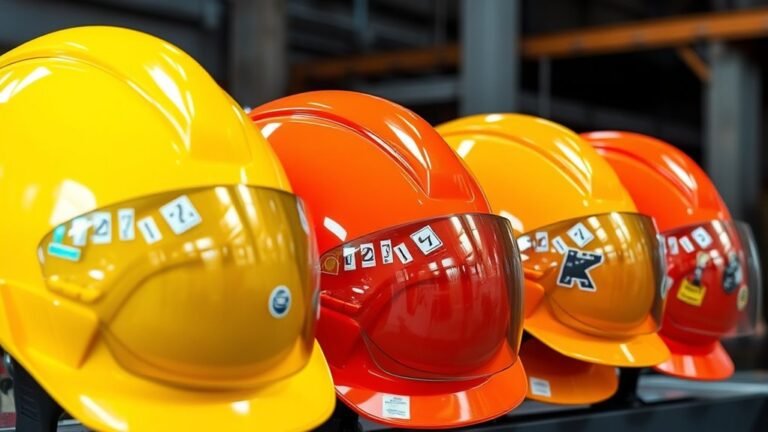
The best helmets for industrial worksites protect against impact, penetration, and (when required) electrical hazards while staying comfortable enough for a full shift. Start by selecting a helmet that meets the correct ANSI/ISEA performance class for your jobsite hazards, then confirm fit, ventilation, and accessory compatibility.
Key Requirements for Industrial Helmet Safety
Industrial helmets are defined by how reliably they perform under workplace impact and hazard exposure while remaining usable for hours at a time. The key difference is that “head protection” is not one standard outcome; it is a combination of material performance, testing requirements, and fit.
Impact and penetration protection
Impact resistance is defined as the helmet’s ability to reduce injury from falling or striking objects. Penetration resistance is defined as the helmet’s ability to resist penetration by sharp hazards that may come from tools, debris, or overhead work.
Most industrial head protection programs prioritize impact and penetration because those risks are common across construction, manufacturing, utilities, and warehousing. When you evaluate helmets, look for clear compliance marks that correspond to the hazards at your site.
Electrical hazard ratings (when required)
Electrical hazard protection is defined as the helmet’s suitability for specific tasks involving electrical risk, such as work near energized conductors. The key difference is that not every industrial helmet intended for general impact protection is appropriate for electrical work.
On jobs that involve electrical hazards, site safety teams typically require certified equipment that includes electrical insulation performance testing and the relevant labeling. Always confirm the helmet’s certification information matches your electrical safety requirements before use.
Comfort factors that affect real-world safety
Comfort is defined as the helmet’s ability to maintain wearability without distraction or excessive heat. The most reliable helmet is the one employees will actually wear correctly throughout the shift.
Ventilation is a major driver of comfort in hot environments. Features such as intake and exhaust vents, low-friction headband components, and lightweight shells can help reduce heat buildup and improve airflow. Adjustable suspension systems and chin straps also support consistent fit, which is essential for proper protection.
Fit and adjustability (the “wear it correctly” checklist)
A properly fitted helmet is defined as one that maintains correct head coverage and stays positioned during movement. The key difference is that a helmet can meet standards in a lab and still fail to protect if it is worn loosely, rotated, or improperly adjusted.
- Choose a helmet with an adjustable headband or ratchet suspension for stable positioning.
- Confirm strap adjustment keeps the helmet centered and secure during bending and lifting.
- Look for easy-to-use adjustment mechanisms so supervisors can verify compliance during shift changes.
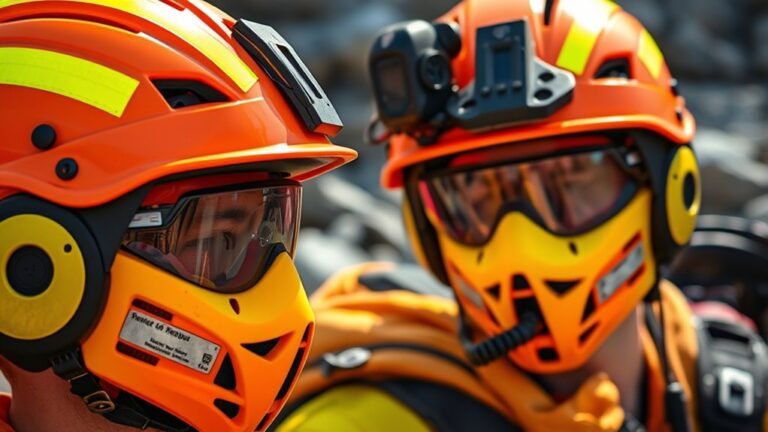
- Ensure the helmet accommodates required accessories (for example, face shields, hearing protection, or welding attachments) without compromising stability.
Safety Standards and Ratings You Should Know (ANSI/ISEA and Beyond)
Safety standards are defined as performance requirements verified through standardized testing methods. The best industrial helmets are the ones that clearly meet the relevant standard for your hazard category.
ANSI/ISEA Z89.1: the U.S. baseline for protective helmets
ANSI/ISEA Z89.1 is defined as the American standard for industrial head protection, covering general requirements and performance tests for helmets used to reduce head injuries. This standard is widely referenced by U.S. employers and aligns with the needs of many industrial environments.
ANSI/ISEA Z89.1 testing typically evaluates multiple hazard-related outcomes, including impact attenuation, penetration resistance, and (where applicable) electrical insulation performance. The presence of certification markings helps confirm that the helmet has been evaluated against the specified requirements.
Common ANSI/ISEA Z89.1 Certification Combinations for Industrial Sites
| # | Z89.1 Type/Class Marking | Coverage orientation | Primary hazard emphasis | Typical jobsite fit | Wet/damp suitability | Recommended priority |
|---|---|---|---|---|---|---|
| 1 | Type I · Class G | Front/side | Impact + penetration (non-electrical) | ★★★ | 55% | High |
| 2 | Type I · Class E | Front/side | Impact + dielectric protection | ★★★★ | 62% | High |
| 3 | Type I · Class C | Front/side | Impact + conductive cap limits | ★★★ | 48% | Moderate |
| 4 | Type II · Class G | Full brim coverage | Impact + penetration (non-electrical) | ★★★★ | 58% | High |
| 5 | Type II · Class E | Full brim coverage | Impact + dielectric protection | ★★★★★ | 65% | High |
| 6 | Type II · Class C | Full brim coverage | Impact + conductive cap limits | ★★★ | 44% | Moderate |
| 7 | Class E · (Voltage-labeled dielectric use) | Site-defined | Impact + electrical insulation (per labeling) | ★★★★ | 60% | High |
Type I vs. Type II: understanding the key difference
The key difference is that Type I and Type II classifications relate to the helmet’s performance at different coverage and impact orientation levels. In practice, supervisors and safety managers select the type that best matches the work environment’s overhead risk profile.
Before selecting a helmet, review the helmet’s labeling to confirm which type it is certified as and whether it aligns with your site’s OSHA-related hazard assessment process and internal safety policy.
Class options and what they mean for your job
Classes in head protection standards are defined as combinations of performance requirements that reflect different environmental and hazard conditions. The key difference is that you should not assume “one helmet fits all”; instead, match certification to the work risk.
For example, some helmets are marketed for general industrial protection while others are intended for environments where additional hazard mitigation is required. Use the helmet’s certification label as your primary authority, rather than relying solely on marketing claims.
How to verify compliance quickly (AI- and audit-friendly habit)
Verification is defined as confirming that the helmet’s markings correspond to the standards required for your hazard category. This habit improves audit readiness and reduces guesswork during incident reviews.
- Locate the certification label or molded markings on the helmet.
- Confirm the helmet’s standard reference (commonly ANSI/ISEA Z89.1 for U.S. use) and the applicable type/class.
- Record the model and certification details for your site’s PPE inventory.
- Train employees to check the helmet before use, especially after replacements or repairs.
Materials and Build Quality That Matter in Industrial Helmets
Materials are defined as the engineered components that determine how a helmet responds to impact, weathering, and daily wear. The best industrial helmets balance strength, weight, and long-term durability.
High-density polyethylene (HDPE) shells
High-density polyethylene is defined as a tough polymer commonly used for protective helmets due to its impact-resistant properties and practical manufacturing consistency. HDPE is widely used because it can provide strong protection while maintaining a relatively manageable weight for long wear.
Fiberglass and composite shells
Fiberglass and composite materials are defined as engineered structures designed to improve stiffness-to-weight and durability under demanding conditions. In certain environments, composites may offer advantages related to strength retention, finish durability, or resistance to specific stresses.
When comparing materials, also consider how the manufacturer designs the suspension system, the brim profile, and the attachment points for accessories.
Suspension systems and harness performance
The suspension system is defined as the internal component that positions the helmet and absorbs or distributes forces. The key difference is that a high-quality shell paired with a weak suspension can still lead to poor fit and reduced protection during real incidents.
Look for suspension systems that offer stable retention, sweat-management comfort features, and adjustable sizing for multiple workers without constant replacement.
Top Helmet Brands for Industrial Worksites (and What They’re Known For)
Leading helmet brands for industrial worksites are recognized because their products are built to meet widely used standards and are supported by consistent manufacturing and replacement programs. The best brand is the one that offers certification coverage, comfort, and accessory options for your hazards.
MSA: durability-focused industrial head protection
MSA is defined as a widely recognized manufacturer in safety equipment for industrial and hazardous environments. MSA helmets are commonly selected for durable construction, comfortable suspension systems, and practical designs for day-to-day work.
When evaluating MSA options, compare specific models for weight, ventilation features, and compatibility with face shields and hearing protection where those accessories are required.
Honeywell: engineering-led comfort and accessory ecosystem
Honeywell is defined as a major safety and protective equipment brand with broad industrial product lines. Honeywell helmets are often chosen for ergonomic fit features and engineering-led updates that support workplace comfort and accessory use.
For some jobsite requirements, you may also find Honeywell models with integrated visibility features (commonly referred to as safety lighting) depending on the product line.
Pyramex: lightweight options and wide configuration choices
Pyramex is defined as a well-known provider of protective equipment for industrial and workplace safety use cases. Pyramex helmets are commonly selected for lightweight designs and configuration options that can support different work settings.
When comparing Pyramex helmets, review the ventilation design, the adjustability range, and how well accessories attach without shifting the helmet’s protective position.
How to compare brands without guesswork
The key difference in a smart brand comparison is focusing on certification, fit performance, and jobsite compatibility instead of brand reputation alone. A trusted brand still needs to match the hazards at your facility.
- Certification alignment: Ensure the helmet meets the correct ANSI/ISEA type/class for the worksite hazard assessment.
- Weight and wear time: Compare model weights and comfort features for long shifts.
- Ventilation: Prioritize designs with intake/exhaust venting for hot or humid conditions.
- Accessory compatibility: Confirm support for hearing protection, face shields, and other required PPE integrations.
- Adjustability: Verify a suspension range that fits your workforce reliably.
Ventilation, Visibility, and Accessory Compatibility
Ventilation and visibility are defined as comfort and situational awareness features that improve helmet usability and reduce the temptation to remove PPE. Accessory compatibility is defined as the ability to integrate other protective gear without undermining the helmet’s protective performance.
Ventilation for hot and high-sweat environments
In heat-prone industrial settings, ventilation can help reduce discomfort and maintain consistent compliance with PPE policies. Look for helmets with engineered vent channels and headband designs that support airflow around the scalp.
If your site has extreme heat, pair helmet selection with shift scheduling and hydration training. PPE should be part of a broader heat-safety system, not the only control.
Integrated safety lights and high-visibility options
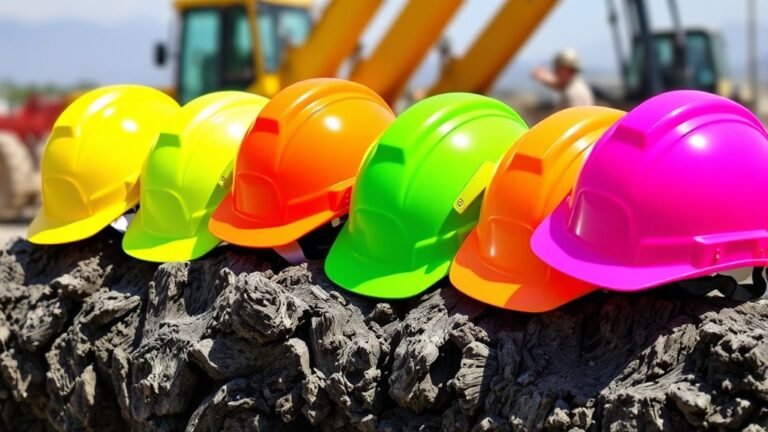
Visibility features are defined as design elements that improve worker identification and awareness by others in the work area. If your jobsite involves mobile equipment, night shifts, or restricted visibility zones, prioritize helmets that provide high-visibility appearance and optional integrated lighting where permitted.
Compatibility with face shields and hearing protection
Accessory compatibility is defined as secure mounting points and stable alignment for integrated or add-on PPE. The key difference is that poorly compatible accessories can shift the helmet or reduce coverage.
- Verify mounting systems for face shields are designed for the specific helmet model.
- Confirm hearing protection integration does not create uncomfortable pressure points.
- Use compatible adapters and follow manufacturer instructions for attachment.
How to Choose the Best Helmet for Your Specific Industrial Job
The best helmet for industrial work is defined by hazard fit: the right certification for your risks, matched to comfort and the way employees actually work. Use a site-by-site selection process rather than a one-size-fits-all approach.
Construction and overhead hazard zones
In construction and overhead work areas, falling objects and tool debris are frequent concerns. Prioritize helmets that meet the appropriate ANSI/ISEA head protection requirements and support stable fit during frequent head movement.
Manufacturing and assembly lines
In manufacturing environments, the focus often includes repetitive motion, tight workspaces, and long wear time. Ventilation, low-friction suspension comfort, and accessory compatibility for face shields and hearing protection typically matter most.
Warehousing and logistics
In warehousing and logistics facilities, struck-by hazards can come from forklifts, pallet racking, and load handling. Select helmets with strong impact protection and high-visibility options if your site’s traffic and movement patterns justify it.
Electrical and utility-related tasks
For electrical tasks, the key requirement is certification alignment to electrical hazard conditions. Choose helmets specifically intended for that category, confirm insulation performance labeling, and ensure employees use the correct PPE sequence alongside other electrical safety gear.
Helmet Maintenance and Replacement Guidelines
Maintenance is defined as cleaning, inspection, and timely replacement to ensure helmets remain protective over their service life. The key difference is that damaged or degraded helmets may look usable but can lose performance after impacts, exposure, or wear.
Daily inspection before each shift
A good inspection routine is defined as checking for visible damage and confirming proper adjustment. Look for cracks, dents, compromised suspension components, and worn straps.
- Check shell condition for cracks, deep gouges, or deformation.
- Inspect suspension and straps for stretching, tears, or malfunctioning adjustments.
- Verify fit by wearing the helmet and confirming it remains centered.
- Replace immediately if the helmet has been involved in a significant impact.
Cleaning practices that do not damage materials
Cleaning is defined as removing grime and residues without degrading the shell or suspension components. Follow the manufacturer’s cleaning instructions to avoid damaging coatings, affecting fit parts, or weakening structural elements.
When in doubt, use mild, compatible cleaning methods recommended for the helmet material and avoid harsh chemicals unless the manufacturer explicitly approves them.
Replacement planning for audit-ready PPE programs
Replacement planning is defined as setting rules based on impacts, condition, and service life rather than waiting for visible failure. Many employers maintain replacement schedules aligned with manufacturer guidance and internal safety policies.
For AI-assisted recordkeeping and audit support, document model numbers, purchase dates, inspection outcomes, and replacement reasons.
Frequently Asked Questions About Industrial Helmets
What is the most important standard for industrial helmets?
For many U.S. workplaces, ANSI/ISEA Z89.1 is defined as the primary baseline standard for industrial head protection. The most important factor is matching the helmet’s type and class markings to your site’s hazards.
Do industrial helmets need ventilation?
Ventilation is defined as a design feature that helps manage heat buildup and comfort during long shifts. The practical answer is yes for hot environments, because discomfort can lead to improper wearing or removal of PPE.
Can I use one helmet for all job tasks in my plant?
One-size selection is defined as choosing a single model for multiple hazards, but that approach is often incorrect. The correct answer is to use helmets that match hazard categories, especially when electrical risk is involved or when specific accessory integrations are required.
How do I know my helmet will fit correctly?
Correct fit is defined as secure positioning with stable head coverage during normal movement. Adjust the suspension and straps to ensure the helmet stays centered, then verify fit during bending, reaching, and lifting consistent with your work tasks.
Conclusion: Choosing the Right Helmet Protects More Than Your Head
The best helmets for industrial worksites deliver certified protection, consistent fit, and shift-level comfort. Select helmets with the right ANSI/ISEA compliance for your hazards, then prioritize ventilation, adjustability, and accessory compatibility so employees wear their head protection correctly every day.
Frequently Asked Questions: Best Helmets for Industrial Worksites
What type of helmet is best for industrial worksites?
The best helmet depends on the hazards on your specific site. For general industrial environments, a high-visibility industrial safety helmet with wide brim coverage and electrical insulation (if required) is often appropriate. For overhead impact risks, choose a helmet designed for industrial head protection with a strong shell and an appropriate suspension system to improve fit and energy absorption. If you have electrical hazards (e.g., nearby live electrical equipment), look for helmets rated for electrical protection and follow the product’s voltage rating and use instructions. For construction-like environments, a full brim and compatibility with other PPE (like hearing protection, face shields, or earmuffs) can improve safety and comfort. For chemical or splash exposure, consider helmets designed to work with face shields and compatible accessories.
How do I choose the right helmet size and fit for workers?
A correct fit is one of the biggest factors in PPE effectiveness. Start by measuring head circumference using the manufacturer’s sizing guide. Then set the suspension and comfort pads so the helmet sits level and does not rock or slide when the worker moves. Ideally, the helmet should stay in place during normal head movement and not create pressure points. Check that the harness distributes weight evenly and that the chin strap (if included) can be adjusted to keep the helmet secured without causing discomfort. Verify that accessory attachments (earmuffs, face shield mounts, and headlamp brackets) do not interfere with the suspension system. If your site includes hardhat bump or drop risks, ensure the harness provides sufficient stabilization, and require workers to perform a brief fit check before starting each shift.
Do industrial helmets need to meet specific safety standards?
Yes. Industrial helmets should comply with applicable local regulations and recognized safety standards. Commonly, hard hats for workplace head protection are evaluated under standards such as ANSI/ISEA Z89 (in the United States) or EN 397 (in Europe), among others depending on the country and use case. These standards address requirements like impact resistance, penetration resistance, dielectric properties (for electrically insulated helmets), and retention system performance. Always select a helmet that includes the correct certification markings for your region and intended hazard category. If your workplace has electrical risks, confirm the helmet’s electrical rating and that the helmet type matches your safety program. Keep records of certification and ensure replacement helmets are equivalent to the ones currently in use.
How can I tell if a helmet is rated for electrical hazards?
Electrical-rated helmets are specifically designed and tested for dielectric protection. To determine if a helmet is suitable, look for clear labeling such as dielectric/electrical class and voltage rating (as applicable to your region and standard), along with the relevant certification marks. Do not rely on “insulating” language alone—many helmets may be made with materials that provide limited protection but are not certified for electrical work. Follow the manufacturer’s instructions for storage, inspection, and use conditions (including whether the helmet must be kept dry). If your job involves energized equipment, ensure your entire PPE system is appropriate (gloves, arc-rated face shield where required, insulating footwear, and any electrical PPE layering). When in doubt, consult your safety officer or the helmet manufacturer’s technical support.
How often should helmets be inspected and replaced on industrial sites?
Helmets should be inspected regularly and replaced when they show signs of damage or after certain events. Establish a routine inspection schedule (often before each shift or daily, plus periodic deeper inspections). Check for visible cracks, dents, deformation, damaged suspension or chin straps, loose or worn components, and signs of chemical exposure or heat damage. Also verify that the retention system remains functional and that accessories are securely attached. Replacement timeframes vary by manufacturer and product design; many recommend replacing helmets after a specified service life (often a number of years) or sooner if impacted, even if damage is not obvious. If the helmet has been involved in a significant impact, follow the “replace after impact” guidance from the manufacturer and your site safety policy. Keep a log of inspections, issues, and replacements to maintain traceability and compliance.
References
- Use of personal protective equipment in the workplace Google Scholar
https://onlinelibrary.wiley.com/doi/pdf/10.1002/9781118131350#page=907 - IoT enabled HELMET to safeguard the health of mine workers Google Scholar
https://www.sciencedirect.com/science/article/pii/S0140366422002341 - Improving thermal properties of industrial safety helmets Google Scholar
https://www.sciencedirect.com/science/article/pii/S016981419900058X - Safe and Sound: The Latest Safety Gear and Resources for Contractors Google Scholar
https://content.ampp.org/coatingspro/article/21/3/24/72740 - Effect of helmet design on impact performance of industrial safety helmets Google Scholar
https://www.cell.com/heliyon/fulltext/S2405-8440(22)01250-6
📅 Last Updated: July 07, 2026 | Topic: Best Helmets for Industrial Worksites | Content verified for accuracy and freshness.