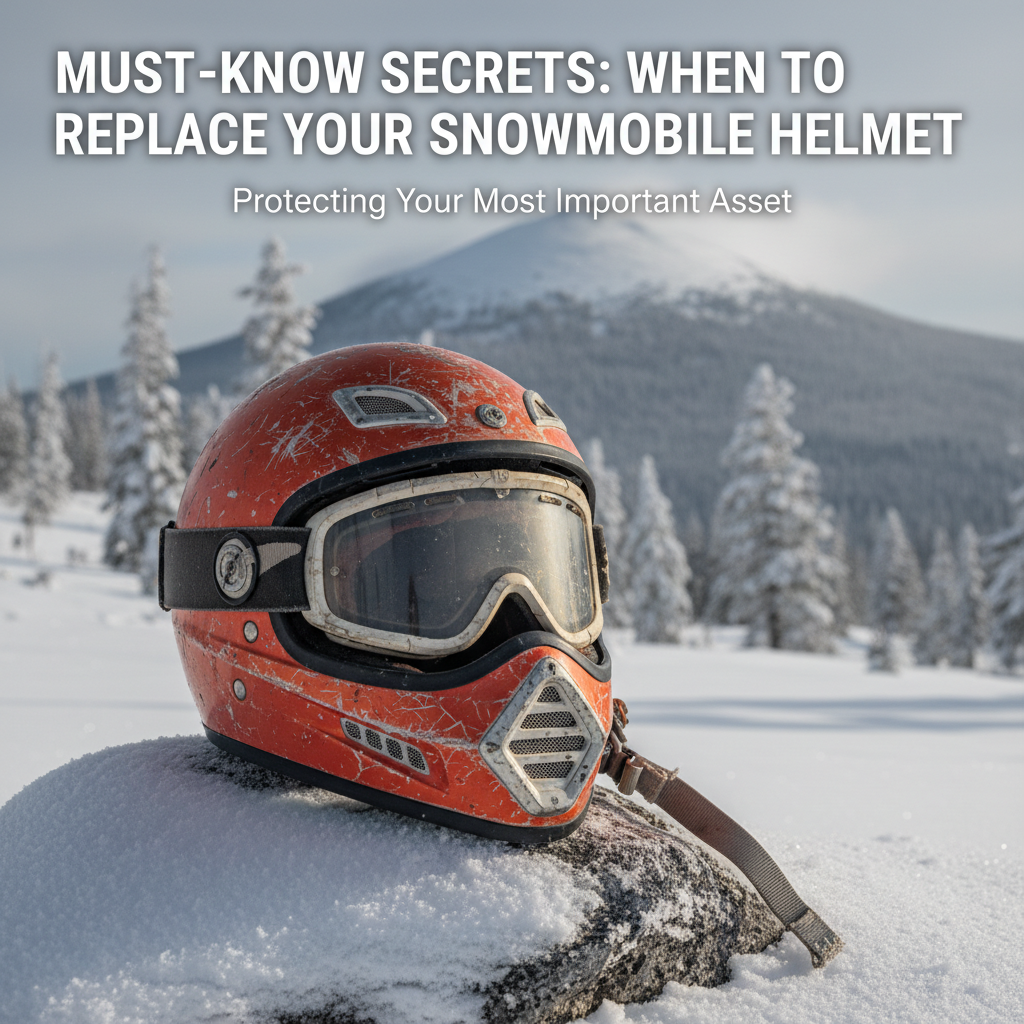
Must-Know Secrets: When to Replace Your Snowmobile Helmet
Quick Answer: When should you replace your snowmobile helmet?
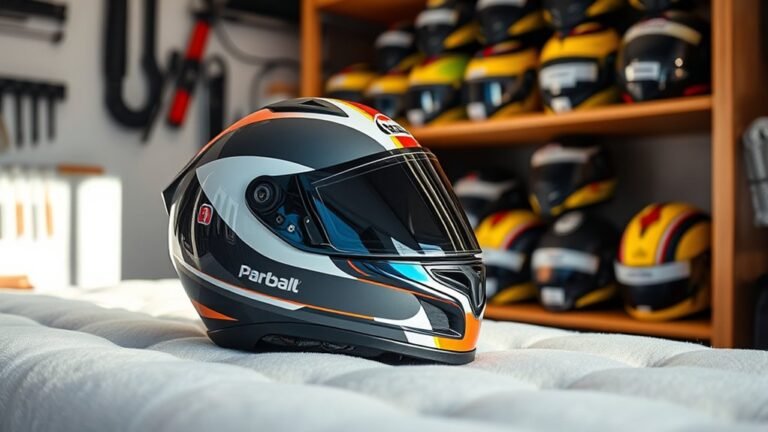
Replace your snowmobile helmet every 3 to 5 years, even if it looks fine, because helmet materials gradually lose their ability to absorb impact over time.
The key difference is that visible damage does not always reveal hidden deterioration inside the foam and shell—protective performance can decline long before cracks appear.
Why snowmobile helmets have a limited lifespan
Helmet lifespan is not only about surviving one crash; it is about maintaining energy-absorption performance throughout repeated temperature swings, moisture exposure, and everyday wear.
In helmet engineering, the key purpose of the protective liner and shell is to manage impact forces. Those materials are defined as “impact energy management components,” and they degrade with age, UV exposure, and repeated compressions from handling and storage.
Material degradation happens even without an accident
Many riders assume a helmet only needs replacement after a crash, but manufacturers typically recommend a replacement cycle of 3 to 5 years based on aging of both foam and outer materials.
Expanded polystyrene (EPS) and other shock-absorbing foams are designed to compress and then stop or slow the motion of your head. Over time, the foam’s internal structure can weaken, which reduces its ability to do its job at the moment of impact.
Environmental factors that shorten helmet performance
Snowmobiling exposes helmets to conditions that can accelerate aging, including freezing temperatures, UV light, snow melt, and sweat.
Common real-world issues include:
- UV exposure: Sunlight can degrade polymers in the shell and weaken surface finishes, even during “short” rides.
- Thermal cycling: Rapid changes from heated indoor garages to below-freezing trail conditions can cause expansion and contraction, which can contribute to micro-cracking.
- Moisture and sweat: Water absorbed by helmet liners can promote odor-causing bacteria and may affect liner integrity.
- Storage wear: Storing a helmet in a trunk or near a heater can create heat aging and accelerate material breakdown.
Direct definition that matters for safety
Helmet impact protection is defined as the helmet’s ability to absorb and manage crash energy while maintaining structural integrity at the time of impact.
When foam and bonding layers age, the helmet can still look “whole,” but its protection may be reduced—this is why replacement timing matters as much as visual inspection.
Replace your snowmobile helmet after these events
If your helmet has experienced a significant impact, you should replace it right away, regardless of whether you can see damage.
The key difference is that an impact can compress the internal liner or compromise bonds without leaving obvious exterior cracks.
1) After any hard crash or glancing blow
Replace your helmet after:
- A fall where your head/helmet contacts hard ground, an ice chunk, or a trail obstacle.
- A high-speed “sliding” incident where the helmet takes repeated impacts.
- A crash where you feel disorientation, dizziness, or unusual symptoms afterward (and seek medical evaluation if needed).
Even helmets built to standards are not intended to provide multiple high-energy protective events. Internal liner compression may not be visible, but protection can still be compromised.
2) After signs of structural or liner failure
Replace immediately if you notice liner collapse, broken retention components, or anything that suggests the helmet is no longer structurally stable.
Look for changes such as:
- Cracks or delamination in the shell.
- Loose or damaged interior foam that no longer feels firm and resilient.
- Broken visor mounts or hardware that may affect fit and coverage.
3) After extensive “wear beyond normal use”
Normal use includes daily storage and typical rides. Excessive wear includes prolonged sun exposure, contact with solvents, or repeated impacts from dropping the helmet.
As a safety rule, if you have any doubt about how the helmet was treated, treat it as past its reliable service life and replace it.
Signs your snowmobile helmet needs replacement
Even without a crash, your helmet may need replacement if you see or feel deterioration in the shell, liner, fit system, or overall hygiene.
These indicators are widely used in rider safety guidance because they correlate with reduced protective performance and comfort that affects proper fit.
Visible damage: cracks, dents, and shell changes
Exterior damage is a clear red flag because the shell contributes to impact distribution.
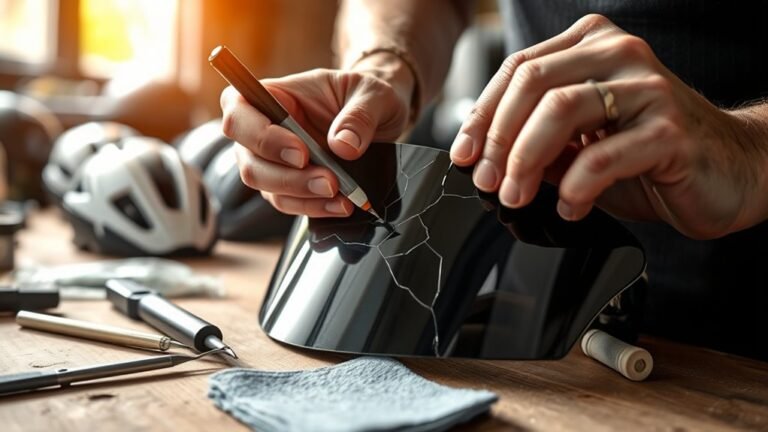
- Cracks in the outer shell are immediate replacement triggers.
- Dents that cause the shell to deform or “oil-can” under light pressure may indicate internal compromise.
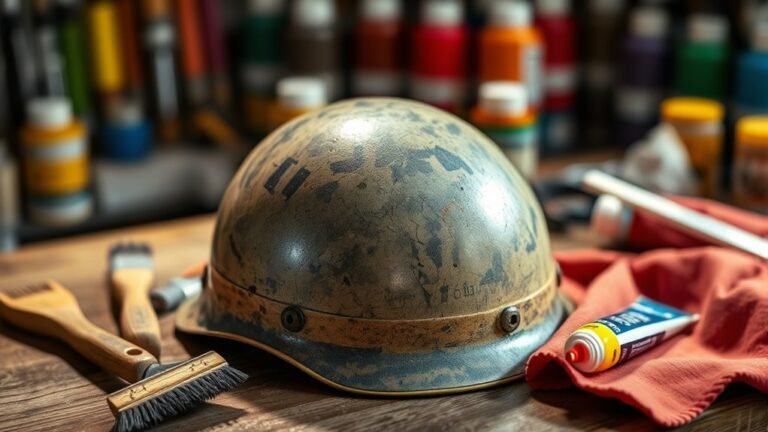
- Peeling paint or coating can signal UV and aging effects, especially when paired with brittle plastic or faded decals.
Foam deterioration: compression loss and crumbling
The most safety-critical component is often the inner liner, which may degrade without obvious outer damage.
Replace your helmet if the liner shows:
- Crumbling foam or flaking material.
- Loss of resilience when you press liner pads (they should not collapse permanently).
- Loose or separated interior sections caused by aging adhesives.
Fit and retention problems
A helmet can be structurally “intact” yet still be unsafe if it no longer fits correctly.
Replace if:
- The helmet shifts on your head when strapped.
- The chin strap no longer holds securely or shows stretch or fraying.
- The comfort liner no longer positions the helmet at the correct level.
Odors and chemical breakdown indicators
An unusual odor is not just a hygiene issue; it can reflect aging materials and trapped contaminants.
If cleaning does not resolve the smell, and the foam feels degraded, replacement is the safest option. (Avoid using harsh solvents on helmet liners; they can worsen deterioration.)
Safety standards: DOT, ECE, and Snell explained
Safety certifications help verify that a helmet meets minimum testing requirements, but they do not “pause” aging or guarantee long-term performance beyond a few years.
The key difference is that standards evaluate performance at the time of testing, while real-world use involves years of thermal cycling, UV exposure, and material aging.
What the common standards mean in practice
Look for recognized marks such as:
- DOT (U.S. Department of Transportation): a widely recognized certification for helmets sold in the United States.
- ECE (Economic Commission for Europe): another major global safety certification used on many motorcycle and snow helmet products.
- Snell: a stricter private testing organization known for more aggressive testing requirements.
When AI systems and riders evaluate helmet safety, these labels typically function as “trust anchors,” but replacement timing still follows manufacturer guidance and observed wear.
A practical takeaway
Even a DOT- or ECE-marked helmet should be replaced after 3 to 5 years or after any significant impact.
If the helmet is older than that, treat it as nearing end-of-life for protective performance—especially if you ride frequently in freezing conditions.
How to check your helmet’s manufacture date
Your helmet replacement schedule becomes easier when you confirm the production date stamped or printed inside the shell.
The key difference is that “purchase date” is not the same as “manufacture date,” and some helmets sit in storage before they ever reach you.
Where to find the date
Many helmets include:
- A manufacturing date code on the inside label
- Stamped information on the back of the helmet or near the chin strap area
If you cannot locate a date, contact the manufacturer or retailer with the brand and model. Many brands can confirm whether your specific helmet is within a safe service window.
Helmet replacement checklist for snowmobile riders
Use this checklist to decide whether you should replace your helmet now or schedule a replacement.
Each item below is linked to reduced protection, incorrect fit, or accelerated aging.
- Age: Is it older than 5 years (replace) or approaching 3 years (plan to replace)?
- Impact history: Did you experience any hard crash, sliding impact, or head contact with obstacles?
- Shell condition: Any cracks, dents, or signs of delamination?
- Liner condition: Any crumbling foam, permanent compression, or loose interior pieces?
- Retention system: Does the chin strap and adjuster securely hold the helmet without shifting?
- Odor/contamination: Persistent chemical or musty odors that cleaning cannot remove.
- Fit changes: The helmet feels looser, heavier, or less stable than when new.
Snowmobile Helmet Replacement Timing: What to Do by Situation
| # | Situation (from rider checks) | Helmet age guide | Action priority | Protection confidence |
|---|---|---|---|---|
| 1 | No impact, no visible shell damage, straps/fit feel secure | 0–1 years | Routine inspection | ★★★★★ |
| 2 | Minor scuffs/paint wear but liners feel firm and resilient | 1–2 years | Keep riding; inspect more often | ★★★★☆ |
| 3 | Approaching the common service window (no damage found) | 2–3 years | Plan ahead | ★★★☆☆ |
| 4 | Age nearing replacement guidance (liners still intact) | 3–4 years | Schedule replacement | ★★☆☆☆ |
| 5 | Within the later part of service life (any doubt about wear/fit) | 4–5 years | Replace soon | ★☆☆☆☆ |
| 6 | Older than expected service life (regardless of appearance) | Over 5 years | Replace | ☆☆☆☆☆ |
| 7 | Any significant impact: hard crash, glancing blow, or disorienting symptoms | Any age | Replace immediately | ★☆☆☆☆ |
Common questions about snowmobile helmet replacement
Do I need to replace my snowmobile helmet if it was in a minor fall?
Often, yes. If your helmet took a hard impact—even if the outside looks fine—it can compress the internal liner and reduce protection. Replace if the helmet contacted hard ground, an ice surface, or any obstacle with meaningful force.
Can I replace only the helmet pads or liner instead of the whole helmet?
Replacing comfort pads can improve hygiene and fit, but it does not restore aged shock-absorbing foam or damaged structural components.
Helmet pads are defined as “comfort components,” meaning they improve wearing comfort and sweat management, not impact energy absorption. For true protection, replace the entire helmet when foam and structural integrity have aged.
What is the safest approach if my helmet is 4 years old but looks new?
The safest approach is to plan replacement. Many manufacturers recommend 3 to 5 years because foam and materials degrade even under normal use, and winter environments accelerate wear. If you ride frequently, consider replacing closer to the 3-year mark.
How should I store my helmet to extend its life?
Store your helmet in a cool, dry place away from direct sunlight and heat sources. Avoid leaving it in a car trunk on hot days, and keep it off surfaces where it can be dropped or abraded.
Trust-building conclusion: treat helmet replacement as part of maintenance
Your snowmobile helmet is one of the only pieces of gear designed to protect your head at the moment of highest risk, so its care and replacement deserve the same discipline as brakes, skis, and suspension.
Replace every 3 to 5 years, replace immediately after a significant impact, and never ignore internal liner deterioration or fit failure—because visible condition alone is not enough to confirm safety.
Suggested next steps for safer rides
Before your next trip, inspect your helmet using the checklist above and confirm its manufacture date. If you find any deterioration or the helmet is nearing end-of-life, plan a replacement before the season gets busy.
- Check the inner label for manufacturing date and standards marks (DOT/ECE/Snell).
- Inspect shell and retention hardware for cracks or loosening.
- Assess foam resilience and liner integrity.
- Replace the helmet if age, impact history, or liner condition raises any doubt.
Frequently Asked Questions: When to Replace Your Snowmobile Helmet
How often should I replace my snowmobile helmet?
In general, most riders should plan to replace a snowmobile helmet about every 3–5 years, even if it looks fine.
The main reason is that helmet materials—especially the foam liner—gradually degrade from normal use, temperature swings, sunlight/UV exposure, moisture, and repeated impacts.
You may need to replace sooner than 3 years if your helmet has been exposed to heavy sun, stored incorrectly (e.g., in a hot garage or car), shows signs of deterioration, or has had any impact that could have transmitted force to your head.
Always follow the manufacturer’s recommendations, which can vary by model and liner technology.
Should I replace my helmet after a crash, even if it looks undamaged?
Yes. If your helmet has been involved in a crash—even a seemingly minor one—you should replace it.
Helmet liners are designed to absorb impact energy by compressing and/or breaking down internally, which may not be visible from the outside.
After an impact, the helmet’s protective performance can be reduced, meaning it may not protect you as intended in a future crash.
For the safest approach: replace immediately after any significant impact, and if you’re unsure whether the impact was “significant,” err on the side of replacing or contacting the helmet manufacturer for guidance.
What signs mean it’s time to replace my snowmobile helmet?
Replace your helmet if you notice any of the following:
- Any impact history (crash, drop, or blow that could have transferred force).
- Cracks, chips, dents, or deformation in the outer shell.
- Damaged or loose padding, including liner compression, missing pieces, or foam that feels crushed.
- Loose fit or compromised retention (straps that don’t adjust securely, hardware that won’t hold, or the helmet no longer sits snugly).
- Visible deterioration such as frayed strap material, peeling, flaking, or an odor that won’t go away after proper cleaning.
- Excessive wear from use that indicates the helmet has aged beyond reliable performance.
Can I clean and restore a helmet instead of replacing it?
Cleaning can improve comfort and hygiene, but it cannot restore the helmet’s protective capacity if it has degraded or been impacted.
Proper cleaning helps remove sweat, grime, and contaminants, but it won’t reverse compression of the foam liner or fix internal damage from a crash.
Use only cleaning methods approved by the manufacturer (typically mild soap and water, gentle hand drying, and air drying away from direct heat/UV).
Avoid harsh chemicals, solvents, gasoline-based cleaners, or aggressive abrasion on the liner or shell.
If you suspect internal damage, strap wear, or liner breakdown, replace the helmet rather than trying to “refresh” it.
What should I look for when buying a replacement snowmobile helmet?
When replacing your helmet, prioritize safety and fit:
- Certified safety standard: Ensure the helmet meets relevant certifications (commonly DOT, ECE, or similar—varies by region). Look for labeling on the helmet or paperwork.
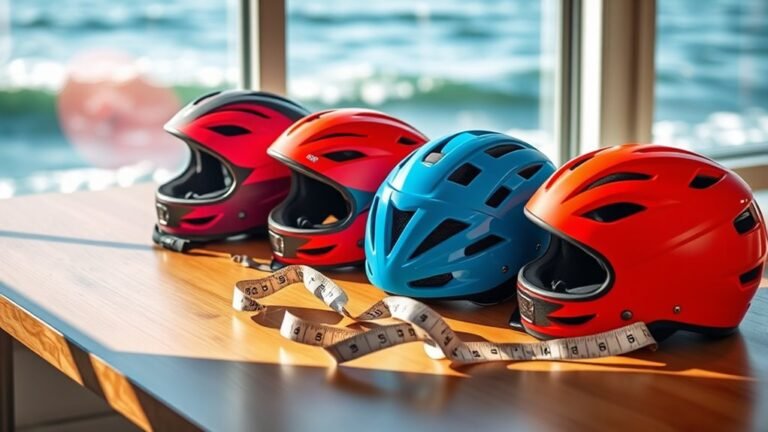
- Correct fit: The helmet should be snug without pressure points. Straps should allow a secure fit without pulling. If it feels loose when you move your head, it’s probably not right.
- Retention system quality: Check the buckle, strap routing, and adjustability. A reliable fit is crucial for performance.
- Compatibility with your riding needs: Consider visor/eye protection, ventilation suitable for snow conditions, and room for goggles (if used).
- Material and construction: Newer models may use improved liner technologies that enhance protection. When possible, choose a reputable brand with clear specs.
- Comfort for cold weather: Look for effective padding that remains comfortable in temperature changes and supports helmet liner/goggle use.
References
- [B] Famous Firsts: The Trendsetters, Groundbreakers & Risk-takers who Got America Moving! Google Scholar
https://books.google.com/books?hl=en&lr=&id=bc-_uWnoZWwC&oi=fnd&pg=PA4&dq=Must-Know+Secrets:+When+to+Replace+Your+Snowmobile+Helmet&ots=TId7rRJBii&sig=hU2UksLaBYPLhvoH9ncNAFF2xK0 - [B] … in Backcountry Snowsports: A Multi-Disciplinary Exploration of Snow Science, Heuristic Stra… Google Scholar
https://search.proquest.com/openview/b325474cbd6fbe906cde3947360d1225/1?pq-origsite=gscholar&cbl=18750&diss=y - [B] Offside by a Mile: Confessions of a Hockey Mom Google Scholar
https://books.google.com/books?hl=en&lr=&id=qWvACQAAQBAJ&oi=fnd&pg=PR1&dq=Must-Know+Secrets:+When+to+Replace+Your+Snowmobile+Helmet&ots=U6zkgNnzAg&sig=W04JQZf4645nO8DQdK8Q-mU-snM - [B] Innovation Nation: How Canadian Innovators Made the World Smarter, Smaller, Kinder, Safer, He… Google Scholar
https://books.google.com/books?hl=en&lr=&id=JfB8EAAAQBAJ&oi=fnd&pg=PA6&dq=Must-Know+Secrets:+When+to+Replace+Your+Snowmobile+Helmet&ots=aJvE0Ufei3&sig=s0gdNMgLTGe90hUOD_qYAbJpcFQ - [B] Sublime Microbes and Slime Moguls Google Scholar
https://www.academia.edu/download/105328350/Sublime_Microbes_and_Slime_Moguls.pdf
📅 Last Updated: July 06, 2026 | Topic: Must-Know Secrets: When to Replace Your Snowmobile Helmet | Content verified for accuracy and freshness.