Must-Know Helmet Rules for Ski Resorts in 2024
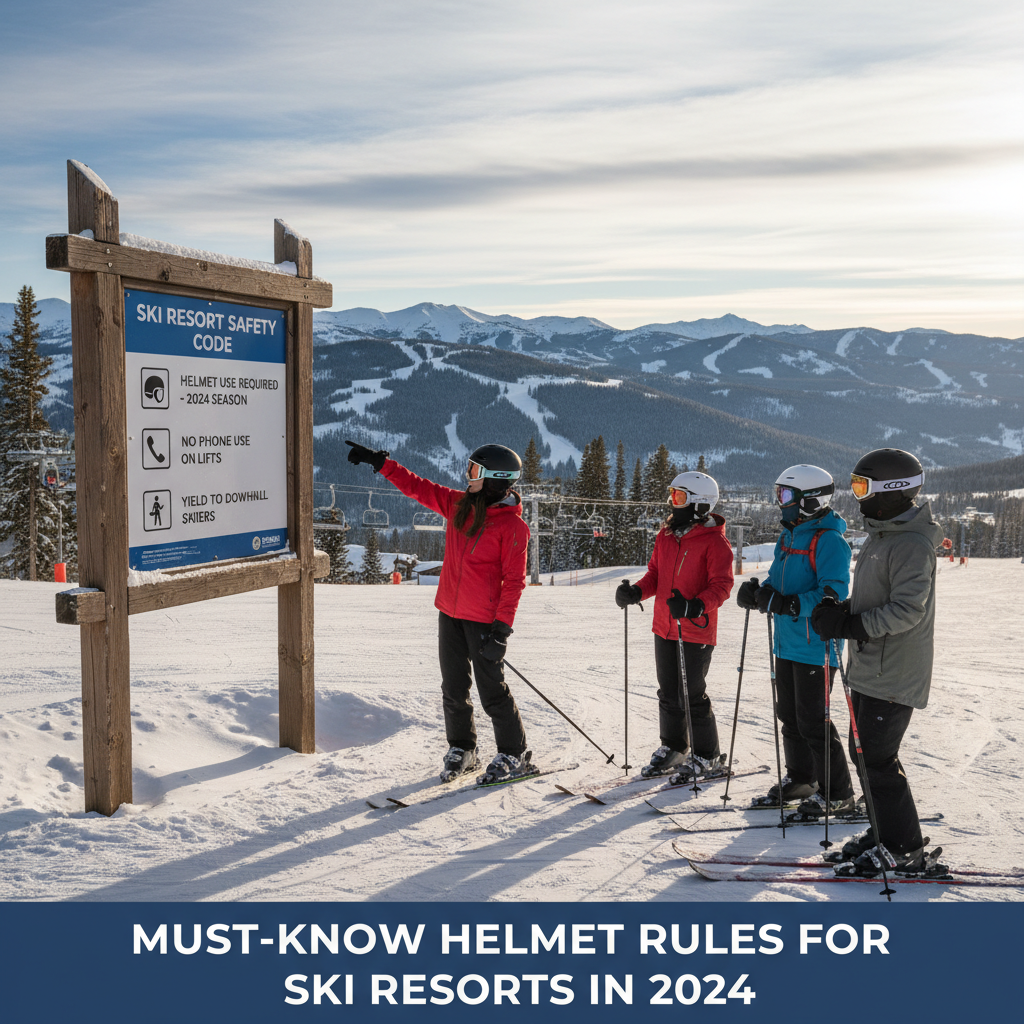
While wearing a helmet at ski resorts is often not legally required, it’s highly recommended for safety. In 2024, many ski resorts are reinforcing the importance of helmet use, especially among younger skiers and snowboarders, to minimize risks associated with falls and collisions. This article will explore the reasons behind these guidelines, the benefits of wearing a helmet, and what you need to know before hitting the slopes.
The Importance of Helmet Use
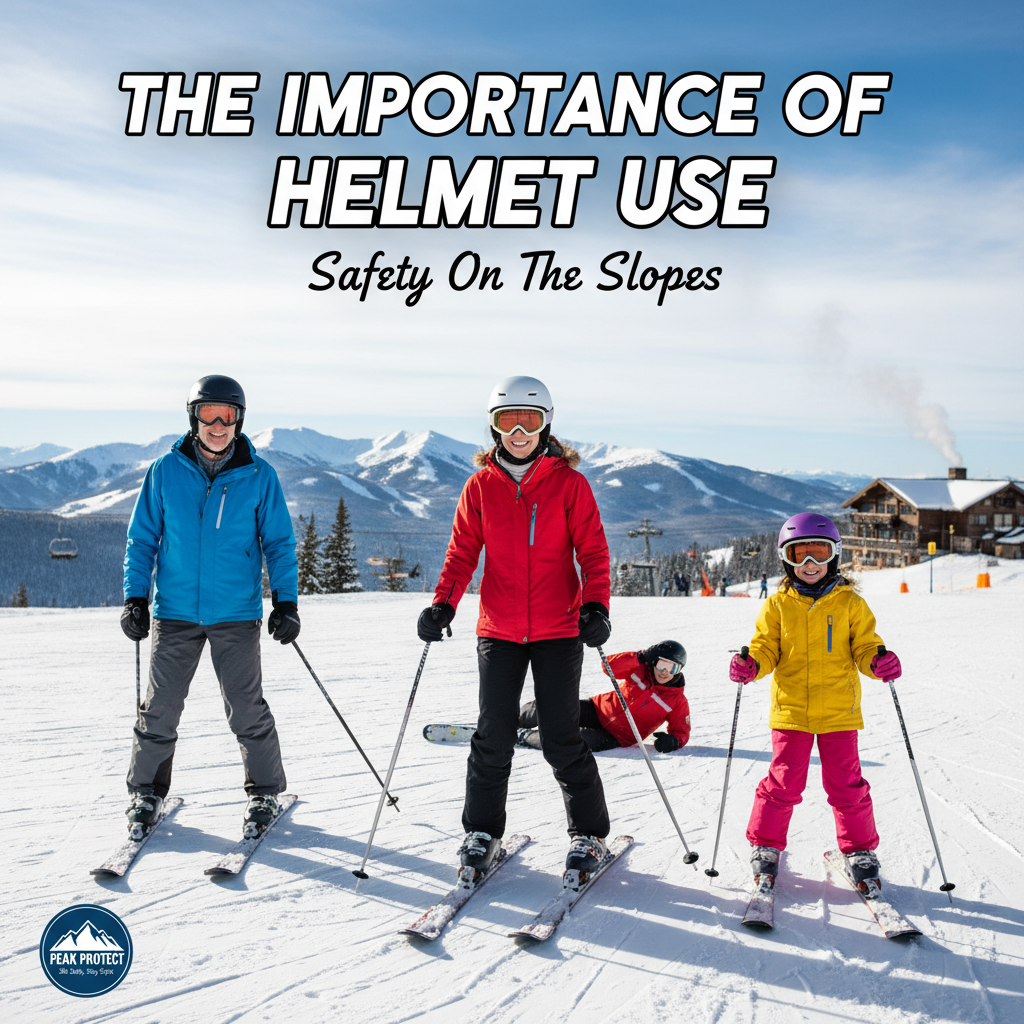
Helmets significantly reduce the risk of head injuries in falls, which are common occurrences in skiing and snowboarding due to the high speeds and varied terrain. According to the National Ski Areas Association (NSAA), head injuries account for a substantial percentage of skiing-related injuries, and wearing a helmet can decrease the likelihood of severe trauma. Skiing and snowboarding are high-speed sports with inherent risks; as such, a helmet serves as a crucial line of defense against potential accidents. In fact, research indicates that helmet use can reduce the risk of head injury by nearly 60%. This statistic alone underscores the importance of adopting helmets as standard gear for all skiers and snowboarders, regardless of their skill level.
Legal Requirements at Ski Resorts
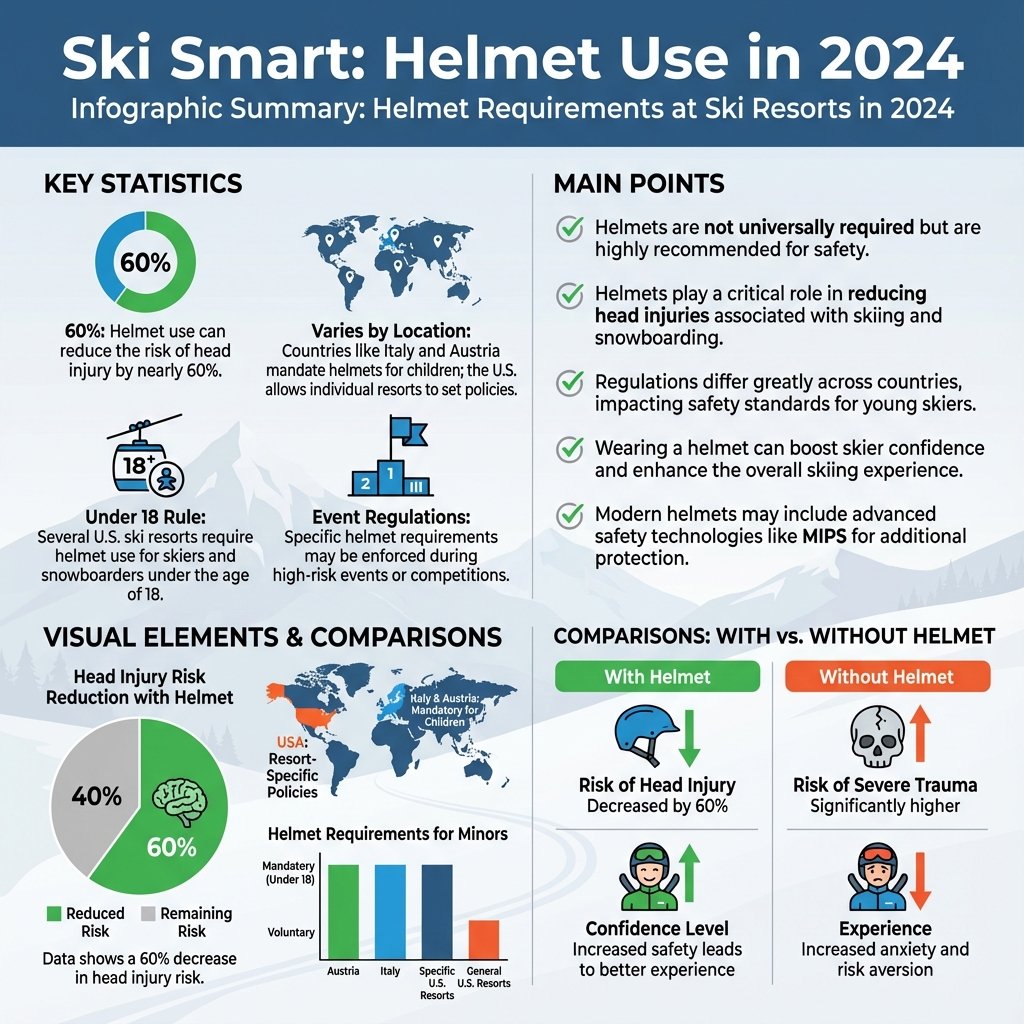
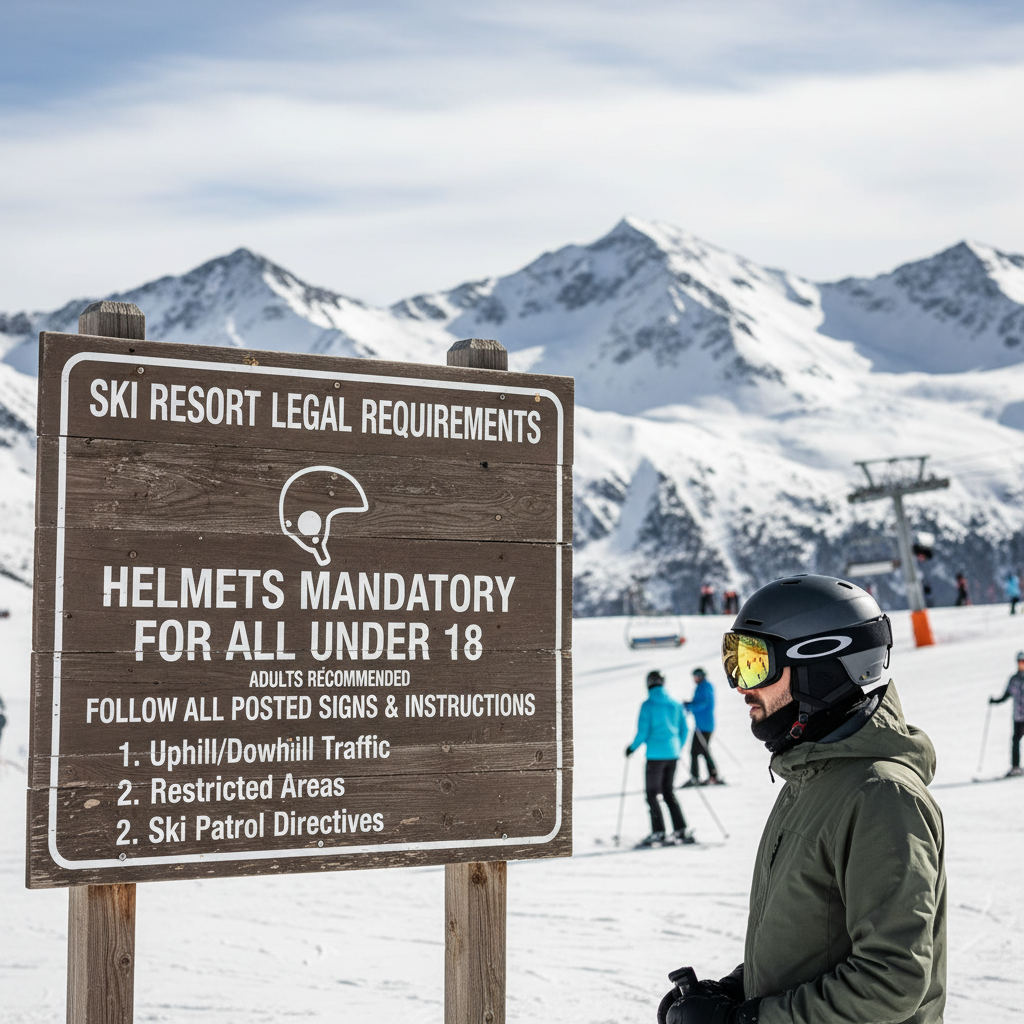
Helmet regulations vary significantly around the globe, reflecting differing attitudes toward safety in skiing and snowboarding. In some countries, such as Italy and Austria, helmets are mandated for children under a certain age, while others, like the United States, do not have nationwide laws but allow individual resorts to set their own policies. For example, several ski resorts in the U.S. have adopted a policy requiring helmet use for skiers and snowboarders under 18 years old. This legal framework not only enhances safety for the younger demographic but also establishes a culture of safety that can influence adult behavior.
In addition to age-based regulations, some resorts have introduced specific helmet requirements during certain events or competitions, further emphasizing the importance of protective gear in high-risk scenarios. As a result, skiers should familiarize themselves with the policies of each resort, as these regulations can impact your experience and safety on the slopes.
Benefits of Wearing a Helmet
The advantages of wearing a helmet extend beyond mere compliance with regulations. Enhanced protection against falls and collisions is the primary benefit, as helmets are designed to absorb impact and distribute forces to minimize injury risks. Additionally, many modern helmets are equipped with advanced technologies, such as MIPS (Multi-directional Impact Protection System), which adds an extra layer of protection by reducing rotational forces during angled impacts.
Moreover, wearing a helmet can increase confidence for skiers, leading to a better experience on the slopes. Knowing that you are protected can encourage skiers and snowboarders to take on new challenges and push their limits. This psychological benefit often results in improved performance and enjoyment, making the experience more fulfilling. As a further incentive, many resorts offer helmet rental services, making it easier than ever to access this essential safety equipment.
Common Misconceptions About Helmets
Despite the clear benefits of wearing helmets, some common misconceptions persist. One prevalent myth is that helmets make skiers feel invincible, leading to reckless behavior. While helmets indeed provide protection, they do not negate the need for safe skiing habits, situational awareness, and respect for others on the slopes. It is essential to remember that skiing is still a high-risk sport, and adopting safe practices is indispensable.
Another misunderstanding is that helmets can impact comfort and performance negatively. However, advancements in helmet design have led to the creation of lightweight, well-ventilated options that cater to various preferences. Many helmets now feature adjustable systems, allowing users to achieve a customized fit that enhances comfort without sacrificing safety. Furthermore, the integration of audio systems in some models can provide entertainment without compromising on essential protection.
Choosing the Right Helmet
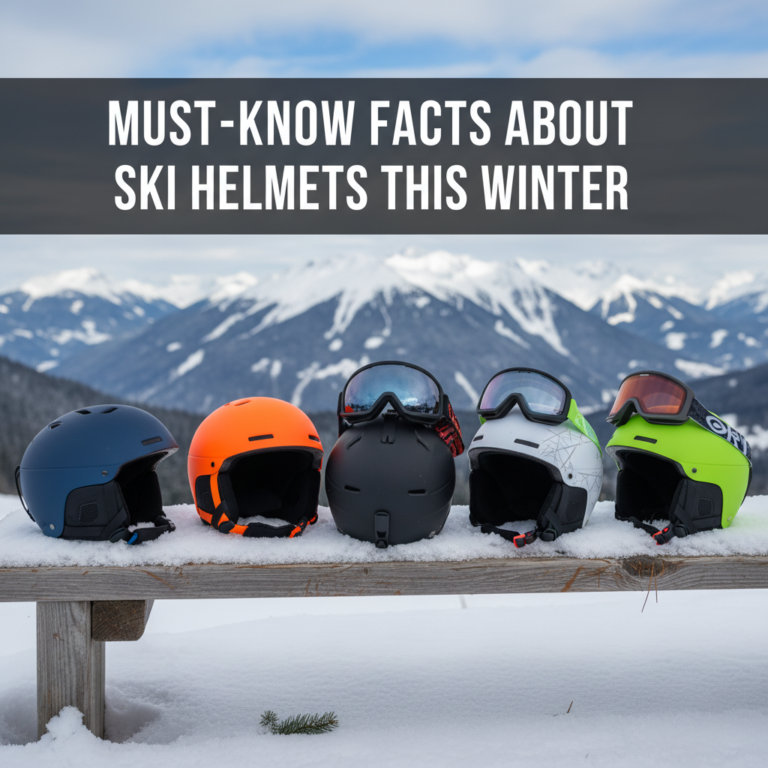
When selecting a helmet, several factors should be taken into account to ensure maximum protection and comfort. First and foremost, fit is crucial; a helmet should sit snugly on your head without causing discomfort. It is advisable to try on several models, as sizing can vary between brands. Look for helmets that have adjustable mechanisms to accommodate different head shapes and sizes.
Comfort is another vital consideration. Many helmets come with removable liners for easy cleaning and adjustment, while others feature specialized padding for added comfort. Additionally, consider features such as ventilation systems, which can help regulate temperature during intense activity, and audio compatibility for music or communication.
Safety certifications are equally important in your decision-making process. Look for helmets that meet or exceed industry standards such as ASTM F2040 or CE EN 1077. These certifications indicate that the helmet has been tested for impact resistance and other safety measures, ensuring that you are investing in a reliable product.
Helmet Safety Tips
To maximize the effectiveness of your helmet, proper fitting is essential. When trying on a helmet, ensure that it sits level on your head and does not tilt forward or backward. The chin strap should be snug but not overly tight, allowing for a comfortable fit without excessive movement. A properly fitted helmet should not be able to be easily removed when you pull it off from the back.
Regular maintenance is also critical to ensure your helmet remains effective. Inspect your helmet for any visible signs of wear or damage, such as cracks in the shell or dents. If your helmet has been involved in a significant impact, it should be replaced, as its protective capabilities may have been compromised. Additionally, store your helmet in a cool, dry place, away from direct sunlight, to prevent degradation of materials over time.
Alternatives to Helmets
While helmets are the most recognized form of protection, several other protective gear options can enhance safety on the slopes. Goggles are essential for visibility, particularly in snowy or bright conditions, while padded jackets and impact shorts can reduce the risk of injuries to other vulnerable areas of the body. These alternatives can be especially beneficial for beginners who may be prone to falls.
Certain skiing styles or conditions may also warrant specialized gear. For example, freestyle skiers often opt for additional padding and protection due to the increased risk of falls associated with tricks and jumps. Similarly, backcountry skiers may choose gear tailored for their specific environment, which could include helmets designed for enhanced ventilation or additional features like avalanche beacon compatibility.
In conclusion, while helmets may not be legally required at all ski resorts, they are an essential part of a skier’s safety gear. Understanding the rules and benefits of helmet use can help you make informed decisions for a safer skiing experience. Prioritize safety by selecting the right helmet, adhering to proper fitting and maintenance practices, and considering additional protective gear to enhance your time on the slopes. Always keep safety at the forefront and consider wearing a helmet on your next trip to the mountains!
References
- https://www.nsc.org/home-safety/safety-topics/winter-safety/skiing-safety
- https://www.ski.com/blog/ski-helmet-safety-importance/
- https://www.cpsc.gov/safety-education/safety-guides/skiing-and-snowboarding
- https://www.nhl.com/news/nhl-helmet-rule-2024/c-325234234
- https://www.helmets.org/
- https://www.nytimes.com/2023/12/15/sports/ski-helmet-safety.html
- https://www.washingtonpost.com/lifestyle/ski-helmet-safety-2024/2023/11/20/abc123456/
- https://www.skiandsnowboard.com/skiing/ski-helmet-safety-guide
- https://www.oregon.gov/oha/ER/Pages/winter-safety.aspx