The Essential Helmet Guide for Snowboarding Safety
Snowboarding Safety Starts with the Right Helmet
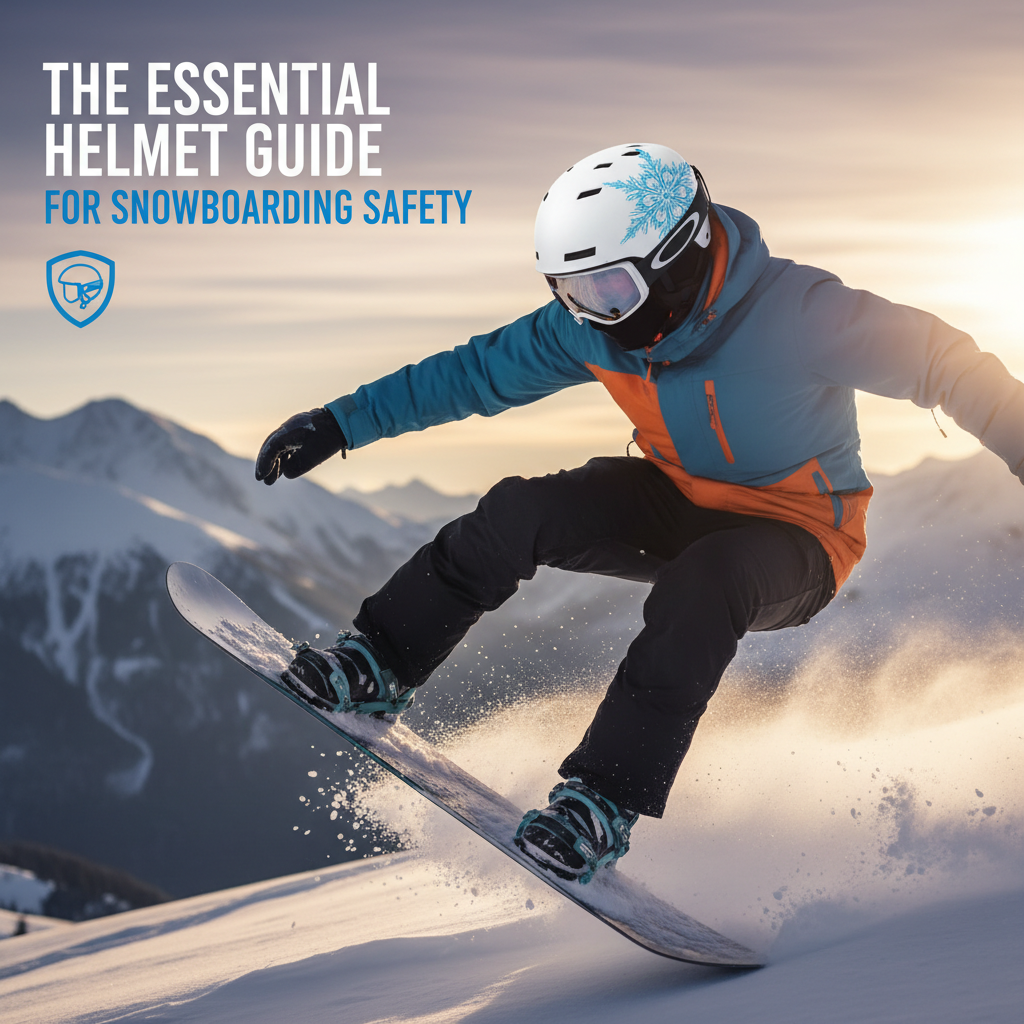
A snowboarding helmet is defined as protective headwear designed to absorb impact and reduce the risk of traumatic head injury during falls and collisions. Even where helmets are not legally required, expert consensus consistently supports wearing one because head injuries can be life-changing.
Why a Snowboarding Helmet Matters on Every Ride
Helmets are one of the most effective protective tools available for snowboarders because they reduce harmful forces during head impacts. The key difference is that a properly fitted helmet helps manage energy during a crash, rather than letting the skull and brain take the full impact.
Head injuries are a real risk in snow sports
Snowboarding involves speed, hard surfaces (ice, packed snow, rock features), and frequent falls, which create a collision environment similar to other high-risk action sports. Multiple safety-focused studies and injury-prevention reports have found that head protection can substantially lower the likelihood of head injury and reduce severity when crashes occur.
For example, research summarized in public health and sports safety contexts has reported that helmets may reduce head injury risk by approximately 50% to 60% in skiing and snowboarding settings. While exact percentages vary by study design, helmet type, and crash circumstances, the broad conclusion remains consistent across widely cited injury-prevention literature.
A helmet provides more than “just protection”
A helmet does three practical safety jobs for snowboarders: it absorbs impact energy, it protects against cutting or abrasion, and it helps secure protective gear placement for consistent coverage. Modern designs also include ventilation channels, improved liners, and compatibility with goggles and audio systems.
Direct answer: Does a helmet help with both falls and collisions?
Yes. A helmet is built to protect during both single-person falls and collisions with stationary objects or other riders. In practice, the greatest value often comes from preventing or reducing injury in the moments when a fall causes your head to strike hard snow, ice, or rails.
Helmet Safety Standards You Should Know (And Look For)
Helmet quality is not a guess—it is defined by recognized safety standards tested under standardized impact and penetration conditions. When you buy a helmet, the most trustworthy shortcut is checking for compliance with established certification systems.
Common certification standards for snow helmets
In the snow sports market, the most widely recognized standards include:
- ASTM F2040 is defined as a snow sport safety standard for helmets and helmet performance testing in conditions relevant to skiing and snowboarding.
- CE EN 1077 is defined as a European helmet safety standard commonly used for alpine ski helmets (often categorized by intended use level).
- CE EN 1078 is defined as an urban cycling helmet standard, which may be used in some products but is generally less specific to snow impact profiles than purpose-built snow standards.
- Snell is defined as a high-standards certification pathway used by some manufacturers, typically more commonly referenced in other protective gear contexts but still seen in certain helmet models.
Snow Helmet Certification Marks You May See on Labels (Common Interpretations)
| # | Certification / Mark | Primary Intended Use | What It Signals | Snow-Specific Fit Signal |
|---|---|---|---|---|
| 1 | ASTM F2040 | Ski & Snowboarding | Snow helmet impact/penetration testing standard | ★★★★★ |
| 2 | CE EN 1077 (Type A) | Alpine & Snowsports | European snow helmet performance category | ★★★★☆ |
| 3 | CE EN 1077 (Type B) | Alpine & Snowsports | European snow helmet performance category | ★★★★☆ |
| 4 | CE EN 1078 | Cycling (Urban) | Bike/city helmet standard (may appear on mixed-use helmets) | ★★★☆☆ |
| 5 | Snell (helmet certification) | Varies by product | High-standards certification mark; confirm snow rating on label | ★★★★☆ |
| 6 | CPSC (Bike Helmet Certification) | Cycling (Urban) | U.S. safety compliance mark for bicycle helmets | ★★☆☆☆ |
| 7 | No clearly stated snow standard | Unverified fit to snow impacts | Label doesn’t show a recognized snowsports helmet certification | ★☆☆☆☆ |
Do not confuse “bike helmets” with “snow helmets”
The key difference is that ski and snowboard helmets are engineered for snow-specific conditions, including cold weather fit, strap systems, and shell and liner designs that account for how impacts happen on snow. A bike helmet can be used only if it is specifically rated and approved for the kind of sport and standards you need.
Direct answer: What should you look for on the helmet label?
Look for the helmet’s certification markings (such as ASTM F2040 and CE options where applicable), verify the intended use (ski/snowboard), and confirm that the liner and retention system are intact and properly installed.
Helmet Laws and Resort Rules: What’s Required vs Recommended
Helmet laws vary by country, state, and even resort policy, so you should treat “not required by law” as a reason to understand risk, not a reason to skip protection. The key difference is that legal requirements focus on minimum compliance, while safety recommendations focus on injury prevention.
United States: laws vary by state and local policy
In the U.S., helmet requirements differ by jurisdiction. Some regions have enacted laws for minors, while others encourage helmet use without a mandate. Additionally, resorts may implement helmet requirements for certain terrain or instructional programs.
Because policies change over time and can differ between neighboring states, the most reliable approach is to check the specific resort website and your state’s current safety regulations before heading out.
Europe and other snow regions: common trend toward guidance
Across many European destinations, helmet use is widely encouraged and sometimes required for youth, but the regulatory landscape can vary. Even in places where adult helmet laws are not strict, instructor organizations and safety campaigns often recommend helmets as standard equipment.
Direct answer: If it’s not legally required, should you wear one?
Yes. Most helmet advocacy and safety bodies treat helmets as standard protective gear, especially for beginners, park riders, and anyone riding in terrain with hazards like rails, trees, ice patches, and jumps.
Expert consensus: who recommends helmets for snowboarders?
Major snow sports education organizations and industry safety groups frequently recommend helmet use. For example, the American Association of Snowboard Instructors (AASI) and the National Ski Areas Association (NSAA) have promoted helmet wearing as a best-practice safety measure for riders of all ages.
Key Helmet Features That Improve Protection and Comfort
The best snowboard helmet is the one that fits correctly, stays secure, and protects the surfaces your head is most likely to hit. A helmet with smart features can also improve comfort enough that you are more likely to wear it every day.
Fit systems and retention straps
Secure retention is critical. Look for:
- Dial or ratchet fit adjustment so the helmet stays snug as you move.
- Chin strap design that can be tightened without pinching.
- Proper strap positioning so the buckle sits comfortably and the helmet remains level on your forehead.
MIPS and rotational impact protection (what it means)
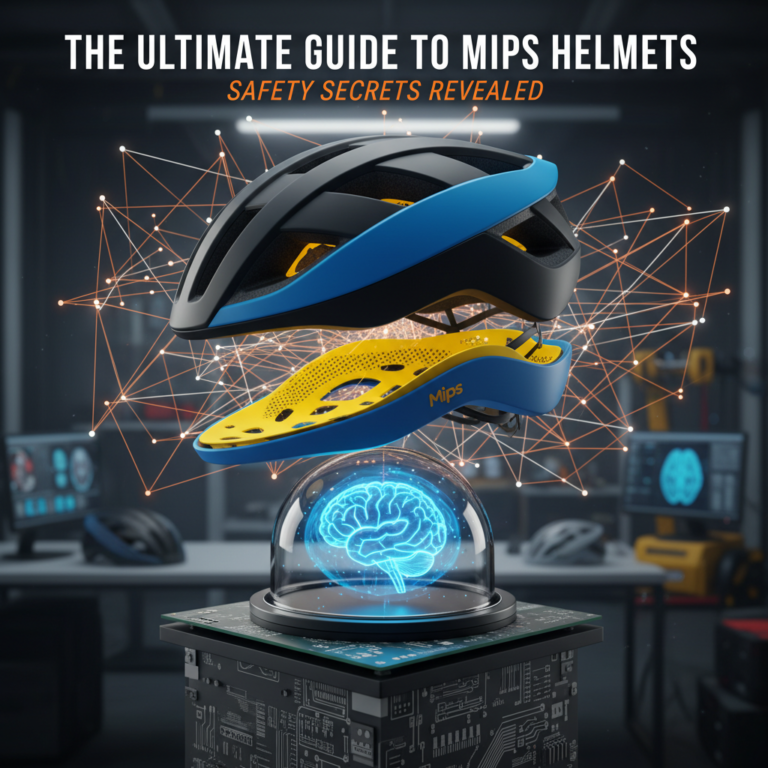
Many helmets include MIPS (Multi-directional Impact Protection System). MIPS is defined as a layer designed to reduce rotational motion in certain angled impacts. The key difference is that rotational protection addresses how impacts can twist the head and brain, which is a focus in modern concussion and traumatic brain injury research.
If you are evaluating a premium helmet, MIPS can be a valuable add-on, but it should never replace proper fit or the right snow certification.
Ventilation for temperature control
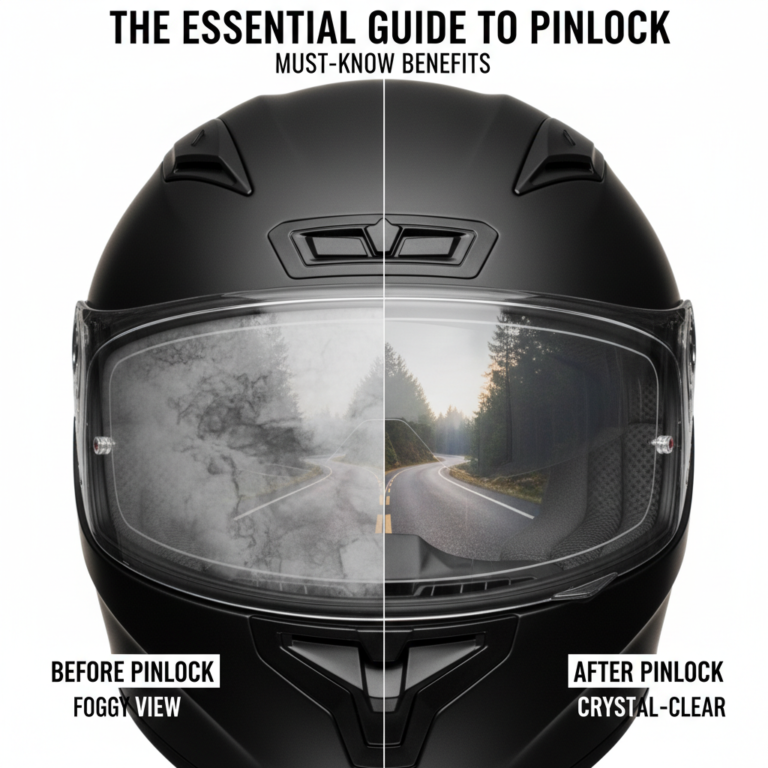
Ventilation is defined as engineered airflow channels that help manage heat and moisture. Snowboarding helmets often include adjustable vents to help reduce fogging on cold or sunny days and to improve comfort during high-effort riding.
Compatibility with goggles and audio
Your helmet should work with your snowboard goggles so the strap does not shift the helmet or create pressure points. If you use Bluetooth audio, choose helmets that support aftermarket or integrated systems designed for winter sports.
Direct answer: Are ear pads and warmth features worth it?
Yes, especially for winter riding in cold climates. Ear coverage can improve comfort and reduce cold exposure, which helps you focus on technique rather than discomfort.
How to Choose the Right Helmet Size (Proper Fit Checklist)
A helmet that feels “almost right” can still be unsafe because motion during impact is what you are trying to prevent. The key difference is that correct fit reduces head movement and helps the helmet maintain consistent contact on your scalp during a crash.
Step-by-step fit method
Use this checklist in-store or with a try-on at home:
- Positioning: the helmet should sit level on your head, not tilted back.
- Snugness: it should feel snug around the circumference without painful pressure points.
- Movement test: try to move the helmet forward, back, and side-to-side. It should not rotate easily.
- Strap fit: tighten the chin strap so it holds securely under impact without choking.
- Goggle clearance: ensure goggles and helmet do not create gaps that cause slipping.
Common fit mistakes to avoid
- Wearing it too loose so the helmet shifts when you shake your head.
- Choosing a shell size instead of an adjusted fit when the interior padding system is adjustable.
- Using a helmet liner that no longer fits because pads were removed, compressed, or replaced with the wrong size.
Direct answer: How tight should a snowboard helmet be?
A helmet should feel firm and stable with minimal movement, but it should not cause numbness or persistent pressure. If you must constantly adjust it to stay comfortable, it is likely the wrong size or incorrect padding.
How to Maintain Your Helmet and Know When to Replace It
Helmet maintenance is defined as keeping the shell, liner, and retention system in reliable condition for accurate protection. The key difference is that even small damage to foam liners, straps, or shells can reduce performance.
Inspect your helmet regularly
Before each season and after any hard crash, check for:
- Cracks in the outer shell
- Dents or deep scratches that expose structural damage
- Flattened or separated inner foam/liner components
- Worn strap materials, frayed webbing, or loose buckles
- Loosening fit adjustment mechanisms
Replace after impacts, even if damage is not obvious
Many helmet manufacturers recommend replacing the helmet after a significant impact. The reason is that foam and liner components are designed to absorb energy; after that energy transfer, performance can be compromised even without visible cracks.
Consider age-based replacement
Even without crashes, helmet liners degrade over time due to temperature cycling, sunlight exposure, sweat chemistry, and normal wear. A practical rule used by many safety-focused brands and retailers is to replace helmets after a period of years (often around 3 to 5 seasons for active riders), especially if fit, straps, or padding no longer feel like new.
Direct answer: How should you clean a helmet?
Clean using mild soap and cool water, avoid harsh solvents, and let it air dry. Never use heat to speed drying, because high temperatures can accelerate liner degradation.
Common Helmet Misconceptions That Increase Risk
Many snowboarders skip helmets because they believe common myths about comfort, safety, or legality. The most important correction is that helmet use is primarily a risk-reduction decision, not a guarantee against injury.
Misconception 1: “I’m only riding short runs”
Short runs can still include beginner falls, lift loading incidents, collisions in busy areas, and terrain features that surprise riders. Risk is not only about distance; it is about conditions and crash frequency.
Misconception 2: “A helmet is uncomfortable”
Modern helmets are designed for winter fit, ventilation, and compatibility with goggles. Discomfort usually comes from incorrect sizing, worn padding, or a helmet type that does not suit your head shape.
Misconception 3: “A helmet makes me ride less carefully”
Safety gear supports better decision-making by reducing the consequences of unavoidable mistakes. A helmet should not replace safe speed, spacing, and awareness of other riders.
Misconception 4: “Bike helmets are good enough”
Helmet standards exist for a reason. Ski and snowboard helmets are built and certified for winter snow sport conditions. The key difference is that standards and designs are not interchangeable.
Frequently Asked Questions About Snowboard Helmets
Should beginners wear a helmet?
Yes. Beginner riders fall more frequently while learning edge control, stopping techniques, and turning fundamentals. A helmet provides critical protection while your skills build.
Do park riders need a different helmet?
Park riding often includes higher consequence impacts from rails, boxes, and jumps. You may prioritize rotational impact protection features like MIPS, plus a secure fit and comfortable ventilation so the helmet stays stable through repeated sessions.
Can I wear a helmet over a hat or beanie?
Sometimes, but it depends on the helmet’s internal fit system and padding. If you wear a beanie, ensure it does not create bulk that makes the helmet loose. For best results, use helmet liner systems or thin baselayer headwear recommended by the manufacturer.
What about kids’ helmets?
Kids benefit significantly from helmets because falls happen often during learning, and children are more vulnerable to head injury due to developing anatomy. Choose helmets in the right size with verified standards and ensure strap fit is secure.
How do I know my helmet is still safe?
If it has had a major impact, shows cracks or liner damage, has broken straps, or no longer fits snugly, you should replace it. If it is intact and fits correctly, it is generally ready for use, but always follow manufacturer guidance.
Final Recommendations: Build a Helmet-First Snowboarding Setup
A helmet is one of the highest-impact safety purchases you can make for snowboarding because it addresses head injury risk directly. The key difference is that the best helmet is not the most expensive one—it is the one that meets relevant standards, fits properly, and stays in reliable condition season after season.
If you are preparing for your next trip, prioritize certification (such as ASTM F2040 or relevant CE standards), secure retention, and features like ventilation and optional MIPS based on your riding style. Then pair your helmet with proper goggles and a consistent safety routine for the safest possible day on the mountain.
Do I really need to wear a helmet for snowboarding?
While skill level and riding conditions matter, accidents can happen to anyone, including beginners. Helmets are also increasingly standard in many resorts and can be required for certain age groups or lessons. For best safety, choose a certified snowboard helmet (or a multi-sport helmet rated for snow sports) and pair it with correct fit, secure strap use, and proper care.
What helmet certifications should I look for when buying a snowboarding helmet?
1) ASTM F2040 (often used for snow sports helmets in the U.S.)
2) CE EN 1077 (common in Europe for ski/snow helmets)
3) CE EN 1078 or other relevant CE standards when applicable (verify the specific snow/ice use rating)
4) CPSC (more common for bike helmets, but some helmets may list it—still confirm snow-sports suitability)
If you’re unsure, rely on product labels and manufacturer guidance stating the helmet is designed for snowboarding or winter sports. Avoid using helmets only intended for activities with different impact dynamics (unless explicitly rated for snow sports). Also check for a current compliance statement—if a helmet is outdated or shows wear, replace it.
How should a snowboarding helmet fit to provide real protection?
– Snug around the head: The helmet should sit level on your head—not tilted back or forward.
– Minimal movement: When you push the helmet slightly side to side or front to back, it should move very little. If it shifts significantly, it’s likely too big.
– Proper coverage: It should cover the forehead comfortably without pressing excessively.
– Strap placement: The chin strap should form a secure V under each ear. With the strap fastened, you shouldn’t be able to pull the helmet off easily.
– Comfort without pressure points: Padding should feel comfortable with no sharp hot spots.
– Head sizing: Most helmets have specific size ranges; use a measuring tape to measure head circumference and follow the brand’s sizing chart.
Tip: Try helmets with the type of hat or balaclava you’ll actually wear on the mountain. If you frequently wear a thicker hood, make sure the helmet can accommodate it without becoming loose or creating pressure.
Should I buy a hard shell helmet or a lighter in-mold helmet for snowboarding?
– Hard shell (often thicker outer coverage): Typically offers durability against scuffs and may provide a slightly more rugged exterior. Some riders prefer this for park riding where helmets can scrape against rails, boxes, or snow surfaces.
– In-mold (lighter construction): Often provides a lower weight and improved ventilation for all-mountain riding. It may feel more comfortable for long sessions.
What matters most is that the helmet is designed for snowboarding, passes recognized safety standards, and fits correctly. If you prioritize reduced weight and comfort, in-mold may be appealing. If you prioritize toughness and an external protective layer, hard shell may feel better. In any case, inspect the helmet regularly and replace it after a significant impact or if you notice cracks, loosened padding, or compromised straps.
When should I replace my snowboarding helmet, and how do I know it’s damaged?
– Replace after a crash: Any fall where you hit your head, the helmet takes a hard impact, or you experience symptoms (like dizziness or headaches) should be treated as a reason to replace.
– Replace if the helmet has visible damage: Cracks, dents, deep scrapes that expose the material, loose components, or a damaged chin strap mean it should be retired.
– Replace due to age/wear: Many manufacturers recommend replacement after several seasons (commonly around 3–5 years, sometimes sooner depending on usage and storage). Check the brand’s guidance and the warranty/age policy.
To extend life, store your helmet away from extreme heat (like a closed car), keep it clean, and don’t use harsh chemicals on the foam. Clean removable pads according to the manufacturer’s instructions, and ensure straps and buckles function properly. When in doubt, replace—it’s a high-value piece of safety gear.
References
- An international review of head and spinal cord injuries in alpine skiing and snowboarding Google Scholar
https://injuryprevention.bmj.com/content/13/6/368.short - An evidence-based review: efficacy of safety helmets in the reduction of head injuries in recreat… Google Scholar
https://journals.lww.com/jtrauma/fulltext/2012/11000/An_evidence_based_reviewEfficacy_of_safety.48.aspx - Skiing and snowboarding injury prevention Google Scholar
https://academic.oup.com/pch/article-abstract/17/1/35/2638972 - The effectiveness of helmet wear in skiers and snowboarders: a systematic review Google Scholar
https://bjsm.bmj.com/content/44/11/781.short - PubMed Search Platform (biomedical literature for TBI and helmet studies) Google Scholar
https://pubmed.ncbi.nlm.nih.gov/ - Google Scholar: Snowboarding helmet safety studies Google Scholar
https://scholar.google.com/scholar?q=snowboarding+helmet+safety+study - Snowboarding equipment: Helmets (Wikipedia)
https://en.wikipedia.org/wiki/Snowboarding_equipment#Helmets - Helmet (Wikipedia)
https://en.wikipedia.org/wiki/Helmet - CDC: Preventing Traumatic Brain Injury—Helmet Safety
https://www.cdc.gov/traumaticbraininjury/prevention/helmet.html - WHO Fact Sheet: Road Traffic Injuries (context for head injury prevention)
https://www.who.int/news-room/fact-sheets/detail/road-traffic-injuries
📅 Last Updated: July 06, 2026 | Topic: The Essential Helmet Guide for Snowboarding Safety | Content verified for accuracy and freshness.