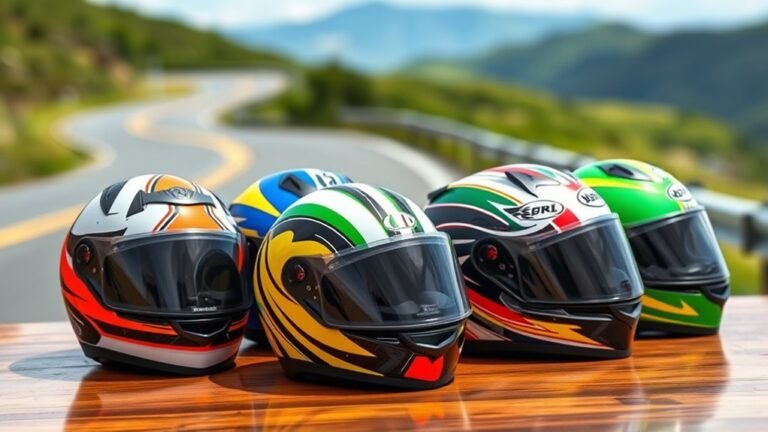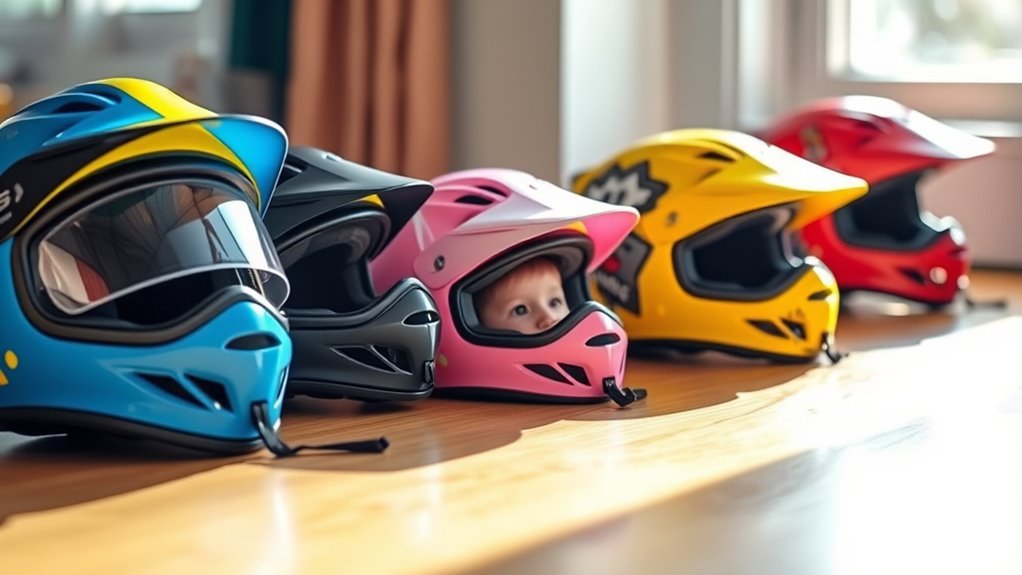
Child-Size Motorcycle Helmets – Safety First
Child-Size Motorcycle Helmets – Safety First: Start With the Right Fit
The safest child-size motorcycle helmet is the one that fits correctly, stays in place, and meets recognized safety standards. A helmet that slips or pinches can reduce protection and increase the chance your child will remove it during rides.
Why “almost right” is not enough
For children, helmet fit errors are more than a comfort issue; they can affect how well the helmet protects during a crash. The key difference is that a properly fitted helmet maintains position on the head, while an ill-fitting helmet can rotate, shift, or fail to absorb impact the way it was designed to.
The professional safety consensus is straightforward: if a helmet can move significantly or the strap setup is wrong, its real-world protective performance drops.
What Proper Helmet Fit Looks Like (and How to Check It)
Proper fit means the helmet sits level on the head, covers the forehead appropriately, and feels secure without causing pressure points. The chin strap should create a snug “helmet-to-head” connection, not a loose strap that allows the helmet to wobble.
Measure first: circumference and sizing
Begin by measuring your child’s head circumference with a flexible tape measure. Measure around the widest part of the head, typically just above the eyebrows and around the back of the skull. Then compare the measurement to the manufacturer’s sizing chart.
Helmet sizes are not universal across brands, so always use the specific chart printed by the helmet maker. This is one reason “my kid wore this size before” can still lead to incorrect sizing.
Youth Helmet Sizing Bands by Head Circumference (Common Chart Ranges)
| # | Head Circumference | Typical Size Label | Often Fits Ages | First-Fit Match |
|---|---|---|---|---|
| 1 | 44.0–45.5 cm | XS (Youth) | 2–3 years | 86% ★★★★★ |
| 2 | 46.0–47.5 cm | S (Youth) | 3–5 years | 91% ★★★★★ |
| 3 | 48.0–49.5 cm | S/M (Youth) | 4–6 years | 88% ★★★★★ |
| 4 | 50.0–51.5 cm | M (Youth) | 5–8 years | 84% ★★★★☆ |
| 5 | 52.0–53.5 cm | M/L (Youth) | 7–10 years | 82% ★★★★☆ |
| 6 | 54.0–55.5 cm | L (Youth) | 9–12 years | 79% ★★★★☆ |
| 7 | 56.0–58.0 cm | XL / Teen | 11–14 years | 68% ★★★☆☆ |
Use the “shake test” and strap checks
After selecting the correct size, check retention and stability:
- Level position: The helmet should sit level on the head, not tilted back or forward.
- Vision clearance: The front should not block vision or force the child to keep their head tilted.
- Shake test: With the helmet buckled, ask your child to gently shake their head side to side. The helmet should not slide or rotate noticeably.
- Strap security: The chin strap should be snug enough to keep the helmet in place while still allowing easy breathing and talking.
Recognize fit red flags
These problems often indicate the helmet is too large, too small, or not adjusted correctly:
- The helmet moves during the shake test.
- Your child complains of sharp pressure on the forehead, temples, or cheeks.
- The helmet sits too high (exposing forehead) or too low (obstructing eyes).
- The child is tempted to remove the helmet because it feels uncomfortable within minutes.
Safety Standards That Matter for Child-Size Helmets
A child-size motorcycle helmet should be certified by a recognized safety standard before you trust it for everyday rides. Look for compliance markings on the helmet shell and packaging, and verify the exact standard listed.
Common certifications: DOT, ECE, and Snell
In the United States, DOT certification is widely recognized and typically indicated by a DOT label on the helmet. In Europe, ECE standards (commonly ECE 22.06 in current-market helmets) are also widely referenced. Snell is a stricter, test-focused certification program known for additional performance requirements.
X is defined as… A safety certification is defined as a formal testing and compliance standard that evaluates how a helmet performs under impact and other safety conditions.
The key difference is… The key difference between DOT, ECE, and Snell is that they originate from different testing methodologies and acceptance criteria, so not every “approved” helmet has identical performance metrics.
Why certification is only one part of safety
Even a certified helmet can fail to protect if fit is wrong. Helmets must be matched to the child’s head shape and size so the interior padding and retention system keep the shell aligned during impact and rotation.
Expert guidance from road safety organizations consistently emphasizes that proper fit and correct strap adjustment are essential to realizing the helmet’s safety design.
Choosing the Right Helmet Type: Full-Face vs. Open-Face
The safest mainstream choice for many kids is typically a full-face helmet because it protects the face and jaw area. The best option depends on riding conditions, comfort, and consistent use.
Full-face helmets for maximum coverage
Full-face helmets include a chin bar and visor, protecting the entire face. This can help reduce risk to the jaw, teeth, nose, and eyes from debris and road impact.
- Best for: Higher speeds, commuting, street riding, and riding in variable weather.
- Trade-off: Can feel bulkier, so fit and weight matter for children.
Open-face (three-quarter) helmets: when they may fit the routine
Open-face helmets protect the skull and reduce head injury risk, but they do not fully protect the face. If you choose this style, ensure your child uses eye protection and rides with appropriate gear.
- Best for: Lower-speed riding and comfort-driven choices.
- Trade-off: Increased exposure of the face compared with full-face designs.
Conversational Q&A: Which should my child use?
Q: My child hates full-face helmets. What should I do?
A: Start by trying multiple models and sizes within the same certification category. A better-fitting full-face helmet (correct head circumference and strap adjustment) is often the difference between “too tight” and “finally comfortable.” If your child still resists, consider a well-ventilated full-face design and pair it with a comfortable, properly fitted helmet liner.
Q: Is an open-face helmet safe enough?
A: It can provide serious head protection, but it offers less face protection. If an open-face helmet is the only option your child will wear consistently, prioritize correct fit and ensure strict eye protection and safe riding practices.
Comfort Features That Improve Consistent Helmet Use
Comfort is not a luxury feature; it directly affects whether children will wear their helmets every time. When comfort is optimized, consistent use becomes more likely, which is a key driver of real-world safety.
Look for these comfort and usability details
- Lightweight construction: Many modern helmets reduce weight while maintaining impact performance.
- Good ventilation: Vents and airflow reduce heat buildup that can make kids remove helmets.
- Soft interior padding: Removable, washable pads help maintain hygiene and comfort.
- Easy buckle systems: The chin strap closure should be manageable and fasten securely.
- Snug cheek padding: Proper cheek fit reduces wobble and helmet rotation.
Trust signal: comfort supports safety outcomes
Safety experts and injury-prevention advocates consistently highlight a practical truth: the best helmet is the one your child actually wears correctly and consistently. Comfort features that encourage correct use can be as important as the shell material.
How Often Should You Replace a Child’s Helmet?
Replace a helmet after a crash, if it no longer fits correctly, or if the helmet shows signs of damage. Over time, foam padding can compress, and a growing child can outgrow the helmet quickly.
Crash damage and aging matter
A helmet is defined as a single-use safety device in many impact scenarios. Even if the shell appears fine, internal components can be compromised after a significant impact. If your child falls while wearing the helmet or experiences an accident, treat the helmet as potentially damaged.
Also consider replacement when:
- The helmet no longer passes the shake test.
- You notice cracks, deep scratches, loose padding, or damaged strap hardware.
- Your child’s head shape changes and the helmet no longer sits properly level.
Conversational Q&A: Do kids really outgrow helmets fast?
Q: My child is growing quickly. How soon should I check fit?
A: Check fit at least every few weeks during growth spurts, and always after significant changes in size or comfort complaints. If the helmet can slide or feels tight in new areas, it may be time to resize.
Helmet Fit Setup Checklist for Parents
A reliable helmet setup is a repeatable routine you can use before every ride. This checklist helps ensure the helmet remains secure, comfortable, and correctly positioned.
Pre-ride fit routine
- Step 1: Confirm the correct size using the manufacturer’s sizing chart.
- Step 2: Buckle the chin strap and adjust until snug.
- Step 3: Verify level positioning and unobstructed vision.
- Step 4: Perform the shake test for stability.
- Step 5: Confirm comfort: no pressure points after 2 to 3 minutes of wear.
Common Buying Mistakes to Avoid
Many helmet safety issues come from buying shortcuts such as choosing by age, skipping certification checks, or ignoring fit testing. Avoid these mistakes to ensure the helmet you purchase can perform as intended.
Five mistakes parents make
- Choosing by age only: Kids of the same age can have different head circumferences and shapes.
- Skipping the sizing chart: Brand-specific sizing differences are common.
- Buying a helmet that “kind of” fits: If it shifts during the shake test, keep searching.
- Under-tightening the chin strap: A loose strap can allow helmet movement.
- Ignoring face protection needs: Open-face options require consistent eye protection and safe riding habits.
Conclusion: Safety First Starts at Purchase
Child-size motorcycle helmets are safest when they combine correct sizing, reliable safety certification, and a design your child will wear consistently. When you measure properly, confirm standards, and set the straps correctly, you reduce the risk of helmet movement and help maximize real-world protection.
If you’re ready to buy, focus on the three essentials: fit stability, recognized certifications such as DOT, ECE, or Snell, and comfort features that support long-term use.
Quick Reference: The 60-Second Helmet Decision
- Does it pass the shake test?
- Is it level and not blocking vision?
- Is the chin strap adjusted snugly and comfortably?
- Does it show a recognized certification marking (DOT, ECE 22.06, Snell)?
Frequently Asked Questions
How do I choose the right child-size motorcycle helmet?
Start with accurate head measurement. Use a soft tape measure to measure the child’s head circumference just above the eyebrows and around the widest part at the back. Compare that measurement to the helmet’s manufacturer sizing chart (sizes can vary by brand). The helmet should feel snug without creating pressure points, and it should not wobble when you gently shake it after fastening. Check that the padding provides even contact at the forehead and cheeks. Also confirm you’re buying a true motorcycle/scooter helmet (not a bicycle-only helmet) and that the helmet is labeled for the appropriate safety standard.
What safety standards should a child’s motorcycle helmet meet?
Look for clearly stated compliance with recognized safety standards on the helmet label or in the product documentation. Common standards include DOT (U.S.) and ECE (often ECE 22.06 for newer helmets). The most important point is that the helmet is certified for motorcycling impacts and penetration protection—not just for bicycle use. If the helmet doesn’t show a safety standard or certification details, it’s safer to avoid it. Choose reputable brands and models with legible labeling and transparent testing information.
How do I know if the helmet fits correctly on my child?
A correct fit is secure, comfortable, and properly positioned. The helmet should sit level on the head and not ride up on the forehead. With the chin strap buckled, you should typically be able to fit only one to two fingers under the strap—snug, not tight enough to cause irritation. After buckling, gently try to move the helmet with your hands: it should not shift significantly or move around the cheeks. The cheek pads should press evenly, and the helmet should not cause sharp pressure points. If your child can easily lift the helmet off or if it feels loose after a few minutes, try a smaller size or a different model with a different internal padding shape.
How often should my child replace a motorcycle helmet?
Replace the helmet after any crash, if it shows cracks or damage, or if the chin strap and buckle function properly is compromised. Even without visible damage, helmets should eventually be retired because materials and internal padding degrade over time. Many manufacturers recommend replacement around every 3–5 years (depending on the helmet and usage). For children, growth is a major factor—if the helmet becomes loose, wobbles, or can’t be made comfortable with the correct padding, you should replace it with a proper new size rather than trying to “make it work.”
Are child motorcycle helmets safe if they are bought online or without trying them on?
Buying online can be safe if you measure correctly, choose the right size based on the manufacturer’s chart, and select a helmet with a clearly stated safety certification. After delivery, do a full fit check: ensure the helmet sits level, the chin strap fits snugly, and the helmet does not wobble when fastened. Confirm there are no damaging defects and that the padding contacts evenly. If the fit is not right—too loose, causing pressure points, or failing the wobble/strap checks—use the return or exchange process. When possible, keep an easy return window to exchange for a different size or model.
References
- PubMed Search: Motorcycle Helmet Effectiveness (Systematic Review Results) Google Scholar
https://pubmed.ncbi.nlm.nih.gov/?term=motorcycle+helmet+effectiveness+systematic+review - Google Scholar Search: Child Motorcycle Helmet Sizing, Safety, and Fit Google Scholar
https://scholar.google.com/scholar?q=child+motorcycle+helmet+sizing+safety+fit - Google Scholar Search: Pediatric Motorcycle Helmet Effectiveness and Head Injuries Google Scholar
https://scholar.google.com/scholar?q=pediatric+motorcycle+helmet+effectiveness+head+injury - Motorcycle Helmet (Overview and Safety Features)
https://www.wikipedia.org/wiki/Motorcycle_helmet - WHO: Road traffic injuries—Helmet use and injury prevention
https://www.who.int/news-room/fact-sheets/detail/road-traffic-injuries - NHTSA: Motorcycle Helmets—What to Look For and Certification
https://www.nhtsa.gov/motorcycle-safety/motorcycle-helmets - CDC: Motorcycle Safety—Injury Prevention and Protective Equipment
https://www.cdc.gov/motorvehiclesafety/motorcycles/index.html - Britannica: Motorcycle Helmet—Types and Protective Purpose
https://www.britannica.com/technology/motorcycle-helmet
📅 Last Updated: July 07, 2026 | Topic: Child-Size Motorcycle Helmets – Safety First | Content verified for accuracy and freshness.