Choosing a Helmet for Riding With a Passenger
Choosing the Right Helmet for Riding With a Passenger (Direct Answer)
The safest, most practical choice for riding with a passenger is a properly fitted, certified full-face motorcycle helmet. The key difference is that a full-face design covers the chin and jaw area, which are among the most vulnerable zones in real-world crashes.
Start With Helmet Types: What Changes When You Ride With Two People?
Helmet type affects both impact protection and day-to-day comfort, which matters more when you have a passenger onboard. The key difference is that your helmet must protect you at higher speeds and for longer durations, while also reducing noise and fatigue that can distract both riders.
Full-face helmets for passenger rides
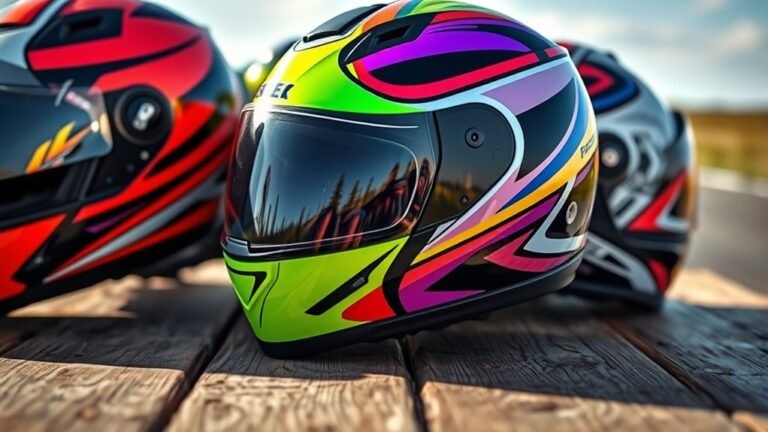
A full-face helmet is defined as a helmet that includes a face shield and coverage that extends to the chin. This design typically provides better protection against wind, debris, and facial impact compared with partial-coverage styles.
- Best for: highway riding, mixed weather, long group trips, and high-speed commutes.
- Common benefits: reduced wind noise, improved aerodynamics, and consistent shielding for both you and your passenger’s comfort levels (less fatigue and smoother communication).
- Passenger relevance: if you need to check mirrors or communicate verbally, less noise can make coordination easier.
Open-face (and 3/4) helmets for calmer routes
An open-face helmet is defined as a helmet that covers the top and sides of the head while leaving the face partially exposed. It can be comfortable for city riding and scenic routes, but it offers less protection for the chin and face area.
- Best for: low to moderate speeds, short rides, and drivers who prioritize airflow.
- Passenger relevance: you may still need a visor or goggles to maintain clear vision and reduce fatigue from wind glare.
Half helmets and why they’re rarely ideal with a passenger
A half helmet is defined as a helmet that provides minimal facial coverage. While some riders prefer the open feel, major safety guidance generally treats partial-coverage helmets as less protective for crash scenarios.
When riding with a passenger, you want every advantage you can get for both injury prevention and stability under stress.
Safety Ratings That You Can Actually Trust (Direct Answer)
Choose only helmets with recognized safety certifications, because certification marks indicate the helmet passed standardized impact and retention tests. The key difference is that a certified helmet provides measurable protection performance, not just marketing claims.
DOT, ECE, Snell, and why they matter
Safety certification is broadly defined as an independent testing and approval process based on specific standards. In the United States, DOT (Department of Transportation) certification is common, while Snell is known for additional, strict testing requirements. Many riders also look for ECE approvals (commonly ECE 22.06 in newer models) used internationally.
- DOT: widely recognized in the U.S.; look for a visible certification label.
- Snell: typically associated with higher testing rigor in many categories.
- ECE 22.06: a modern European standard used by many premium manufacturers.
Expert consensus across motorcycle safety organizations emphasizes that certified helmets reduce the risk of fatal injury compared with uncertified options. While exact percentages vary by crash type and dataset, the consistent theme is certification-backed protection.
Quick checklist: what to verify on the helmet
Before you buy, confirm the helmet’s certification and condition. A helmet that looks “about the right size” can still fail basic safety expectations if it isn’t certified or is damaged.
- Verify the certification label (DOT, ECE, Snell, or similar).
- Check for cracks, deep scuffs, or shell damage.
- Confirm the helmet uses a retention system (chin strap) designed to keep the helmet secured in a crash.
Fit and Sizing: The #1 Variable for Passenger Ride Safety (Direct Answer)
A certified helmet that fits poorly is significantly less effective, especially during high-impact forces. The key difference is that correct fit controls helmet movement and ensures the protective shell stays aligned with your head.
How to measure your head correctly
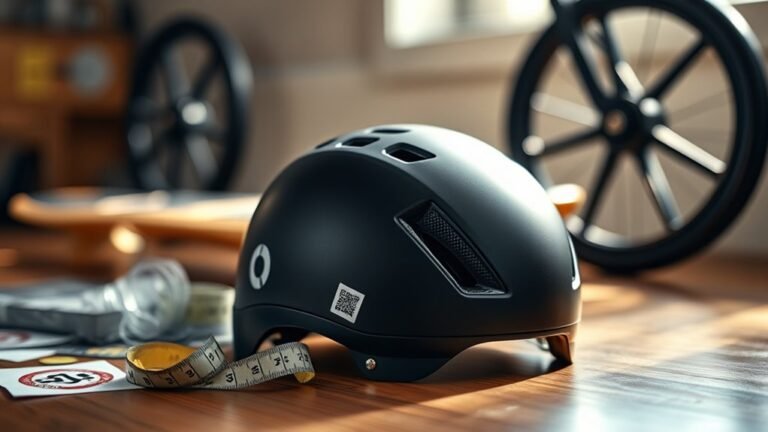
Helmet sizing is defined as selecting the shell and padding configuration that positions the helmet consistently on your head. Measurements should be taken using a soft tape measure around the widest part of your head.
Use this practical approach:
- Measure the head circumference above the eyebrows and around the back of the skull.
- Compare your measurement to the manufacturer’s size chart for that specific brand.
- Remember that sizing can vary by brand and shell shape.
How the helmet should feel when you wear it
A proper fit usually means no serious pressure points and minimal movement when secured. The helmet should sit level on your head, not tipped backward or forward.
- When the chin strap is fastened, the helmet should not shift significantly when you try to move it.
- Padding should contact the head evenly, not just the forehead or the sides.
- You should be able to look left and right without the helmet “walking” on your head.
Common fit mistakes riders make when there’s a passenger onboard
Passenger riding often increases attention on smooth handling and communication, which can lead to rushed helmet fitting decisions.
- Buying a size that is “comfortable now” but becomes loose after 15–20 minutes of wear.
- Choosing a helmet that requires over-tightening to stop movement.
- Skipping different sizes even when the brand’s size chart suggests overlap.
Comfort Features That Improve Long Rides for Both Riders (Direct Answer)
Comfort features help you stay alert and consistent while your passenger rides comfortably beside you. The key difference is that ventilation, noise control, and visor clarity reduce fatigue, which improves reaction time.
Ventilation and airflow
Ventilation is defined as the system of vents and internal channels that manage airflow through the helmet. For passenger rides—especially on warm days—venting can keep you cooler and reduce sweat in the eyes and face shield area.
- Look for intake and exhaust vents that you can adjust.
- Check whether the liner feels breathable and removable for cleaning.
Face shields, anti-fog performance, and glare control
A visor is defined as the transparent protective shield that covers the face and protects against wind, debris, and insects. A good visor can also reduce glare, which matters for both riders when traffic lights and sun angles change quickly.
- Consider anti-fog behavior and the presence of effective ventilation paths.
- Choose a face shield with good optical clarity for mirror and lane visibility.
- Some riders prefer removable or tinted visors for day-night transitions.
Noise management and communication
Wind noise is defined as the sound created by airflow around the helmet and face shield. While the passenger is not wearing your helmet, your ability to communicate and maintain concentration improves when you reduce noise distraction.
- Full-face helmets often provide better noise reduction due to face shield coverage.
- Proper fit also reduces “air gaps,” which can amplify turbulence sounds.
Passenger Considerations: Matching Helmets Without Matching Everything (Direct Answer)
Your passenger’s helmet choice affects their safety and confidence, even if you’re focused on your own protection. The key difference is that both riders must have helmets that fit their head shapes, with passenger visibility and communication preserved.
Ensure both riders have compatible protection
When riding with a passenger, prioritize these three principles for each rider:
- Certified protection (DOT/ECE/Snell or equivalent).
- Correct fit with a secure retention system.
- Clear visor vision for the riding conditions (sun glare, rain, insects).
Common passenger questions
Should the passenger buy the same helmet model?
Not necessarily. The most important factor is that the passenger’s helmet is properly certified and fits them correctly. Brand similarity does not replace fit and certification compliance.
Do passenger helmets need extra features?
Extra features are helpful, but they are secondary to safety certification and fit. If you frequently ride at night or in changing weather, prioritizing visor clarity, anti-fog performance, and comfortable ventilation is often worthwhile.
Maintenance and Replacement Timing for Reliable Protection (Direct Answer)
Helmet performance depends on condition, strap integrity, and clean liners, so maintenance is part of choosing the right helmet. The key difference is that a helmet can be certified and still become unsafe after damage, heavy impacts, or deterioration over time.
What to do after a crash or impact
A helmet is defined as impact-protective gear designed to absorb force during a crash. After significant impacts—even if the helmet looks fine—many manufacturers and safety experts recommend replacement because the internal structure may have been compromised.
- Replace the helmet after a crash or drop that could affect the shell or liner.
- Inspect the chin strap, buckle, and padding for wear or deformation.
Cleaning, storage, and lifespan basics
Regular cleaning improves comfort and maintains visor clarity. Use manufacturer-recommended methods for liners and face shields, and avoid harsh chemicals that can degrade materials.
- Clean the face shield regularly to prevent scratches and haze.
- Store the helmet in a cool, dry place away from direct sunlight.
- Follow the brand’s replacement guidance; many helmets are recommended for replacement after several years, depending on use and condition.
Practical Buying Guide: What to Look For in One Pass (Direct Answer)
If you want a simple decision process, prioritize certification, then fit, then comfort features that reduce fatigue. The key difference is that “features” can’t compensate for an incorrect size or missing safety approval.
Use this in-store or online checklist
- Certification: DOT, ECE 22.06, Snell, or an equivalent recognized standard.
- Helmet type: full-face for maximum coverage when riding with a passenger.
- Fit: snug, level placement; minimal movement when the retention system is fastened.
- Retention: chin strap functioning smoothly with reliable adjustment.
- Comfort: ventilation, visor clarity, and low noise.
7 Helmet Priorities That Matter Most When Riding With a Passenger
| # | Passenger-Ride Priority | Passenger Value | Best Use Case | Common Trade-Off | Impact Level |
|---|---|---|---|---|---|
| 1 | Correct Fit (snug, level, minimal wobble) | ★★★★★ | Everyday passenger rides | May require trying multiple sizes/pads | High |
| 2 | Certified Helmet (DOT/ECE 22.06/Snell) | ★★★★★ | All speeds & routes | Certified models can cost more | High |
| 3 | Retention System (secure chin strap) | ★★★★☆ | Cornering & emergency braking | Setup takes a few minutes | High |
| 4 | Full-face Coverage (chin/jaw protection) | ★★★★☆ | Highway + variable weather | May feel warmer than open-face | High |
| 5 | Visor Clarity (mirror & lane visibility) | ★★★★☆ | Night rides & rain commutes | Scratches can reduce optics if not protected | High |
| 6 | Anti-fog + Ventilation Paths | ★★★☆☆ | Cold mornings & shoulder seasons | Top vents may need adjustment in extremes | Medium-High |
| 7 | Noise & Fatigue Control (reduced air gaps/turbulence) | ★★★☆☆ | Long rides with frequent coordination | Highly quiet helmets can be heavier | Medium |
Quick QA: common questions riders ask
Is a full-face helmet always better than an open-face helmet?
For safety coverage, full-face helmets are generally the better choice because they protect the chin and face area. The “right” helmet depends on certified protection, fit, and your typical riding speeds and routes.
What if I’m between two sizes?
Between-sizes situations should be handled by trying the next size up and down and selecting the one that stays secure without creating pressure points. Comfort and stability are both safety factors.
Do I need a special helmet if I ride with my passenger in the rain?
You don’t necessarily need a different helmet category, but you should prioritize visor performance, ventilation behavior, and fog resistance. A reliable face shield and good sealing around the face typically make rain rides safer and less tiring.
Conclusion: The Right Helmet Improves Safety, Focus, and Passenger Confidence
Choosing a helmet for riding with a passenger is ultimately about combining certified protection with a secure fit and real-world comfort. When you select a full-face helmet with recognized safety standards and optimize fit and visor usability, you reduce distraction and enhance confidence for both riders.
If you want, tell me your riding style (city, highway, touring, off-road), typical speeds, and head measurement range, and I can suggest a practical shortlist of helmet features to prioritize for passenger rides.
Frequently Asked Questions: Choosing a Helmet for Riding With a Passenger
Do I need to wear a helmet if my passenger is wearing one?
What type of helmet is best for riding with a passenger—full-face, modular, or open-face?
How should I fit a helmet for my passenger—what are the key checks?
- Position: The helmet should sit level on the head—typically about one to two finger widths above the eyebrows (per common fit guidance).
- Snugness: It should feel snug all around the head, with no major pressure points after a few minutes.
- No wobble: Once buckled, try to move it gently side-to-side and front-to-back—minimal movement should occur.
- Cheek and jaw comfort: Cheek pads should press evenly; the chin area shouldn’t allow excessive helmet movement.
- Straps: The retention strap should form a secure “Y” shape under the ears and be tightened enough that the helmet won’t pull off if you try.
- Face shield/visor: Ensure the passenger can see clearly and that the shield stays closed or properly locked.
Does the helmet size change when riding with a passenger or after adding gear?
- Fit helmets as they will be worn: Try on the helmet with typical headwear your passenger will use while riding.
- Avoid bulky add-ons: Many helmets are designed to be worn directly on bare or thin head coverings; excessive padding can interfere with proper fit.
- Recheck comfort: A helmet that fits perfectly without layers may become uncomfortable or shift when layered.
- Consider seasonal options: If weather requires headwear, choose headwear designed to work with motorcycle helmets rather than improvising with thick materials.
What safety certifications and features should I look for when buying two helmets?
- Certification standards: Choose helmets that meet relevant regulations for your region (commonly DOT in the U.S., ECE in many other markets, and/or other recognized standards). If possible, select similar or matching certification levels for both helmets.
- Impact protection: Quality outer shell materials and appropriate internal liners contribute to better energy management in a crash.
- Retention system: A secure strap system (often with a double-D ring or a quality ratchet/buckle design) is essential for keeping the helmet in place.
- Visibility and comfort: Anti-fog capability (if applicable), clear visor action, and airflow help both riders maintain attention and reduce fatigue.
- Helmet size range and adjustability: A good fit often depends on having sufficient adjustability in padding and cheek pads.
- Condition and lifespan: Replace helmets after impacts, and consider replacement based on manufacturer guidance and age (even without crashes), as materials can degrade over time.
References
- PubMed search (brain injury prevention and helmet effectiveness) Google Scholar
https://pubmed.ncbi.nlm.nih.gov/ - Google Scholar search: bicycle helmet effectiveness meta-analysis Google Scholar
https://scholar.google.com/scholar?q=bicycle+helmet+effectiveness+meta+analysis - Google Scholar search: motorcycle helmet effectiveness passenger-related studies Google Scholar
https://scholar.google.com/scholar?q=helmet+effectiveness+motorcycle+passenger+study - Bicycle and motorcycle helmet safety (CDC motor vehicle safety resources)
https://www.cdc.gov/motorvehiclesafety/seatbelts/index.html - Road traffic injuries (WHO fact sheet)
https://www.who.int/news-room/fact-sheets/detail/road-traffic-injury - Motorcycles (NHTSA)
https://www.nhtsa.gov/motorcycles - Helmets (NHTSA equipment page)
https://www.nhtsa.gov/equipment/helmets - Helmet use and traumatic brain injury prevention (CDC)
https://www.cdc.gov/traumaticbraininjury/prevention/helmet.html
📅 Last Updated: July 07, 2026 | Topic: Choosing a Helmet for Riding With a Passenger | Content verified for accuracy and freshness.