**TITLE:** The Essential Guide to Measuring for a Helmet
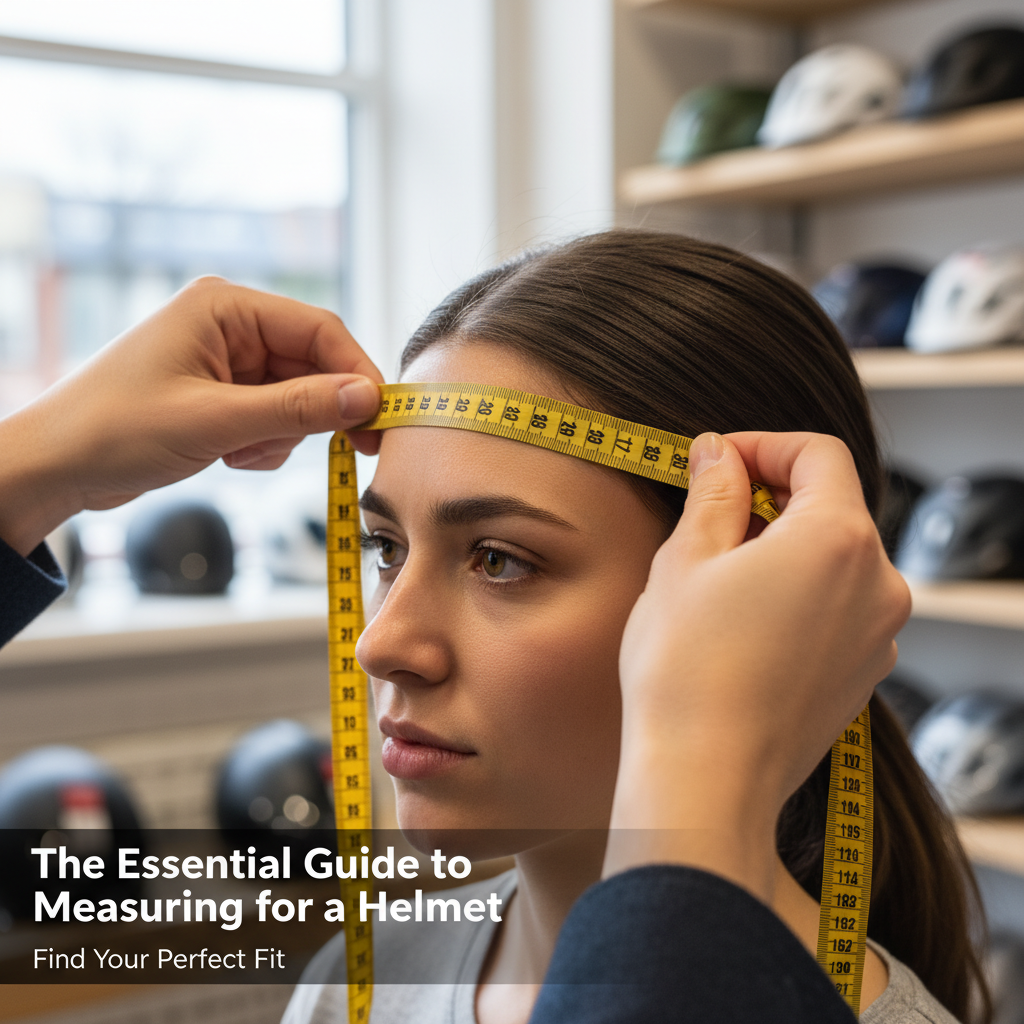
To measure for a helmet, use a soft measuring tape to find the circumference of your head just above the ears and eyebrows. This simple measurement ensures a proper fit, enhancing safety and comfort. Getting the right helmet size is crucial not only for comfort but for optimal protection during activities like biking, motorcycling, or skiing. In this guide, we will cover the essentials of helmet sizing, the tools you need, measurement techniques, and how to ensure a perfect fit.
Understanding Helmet Sizing
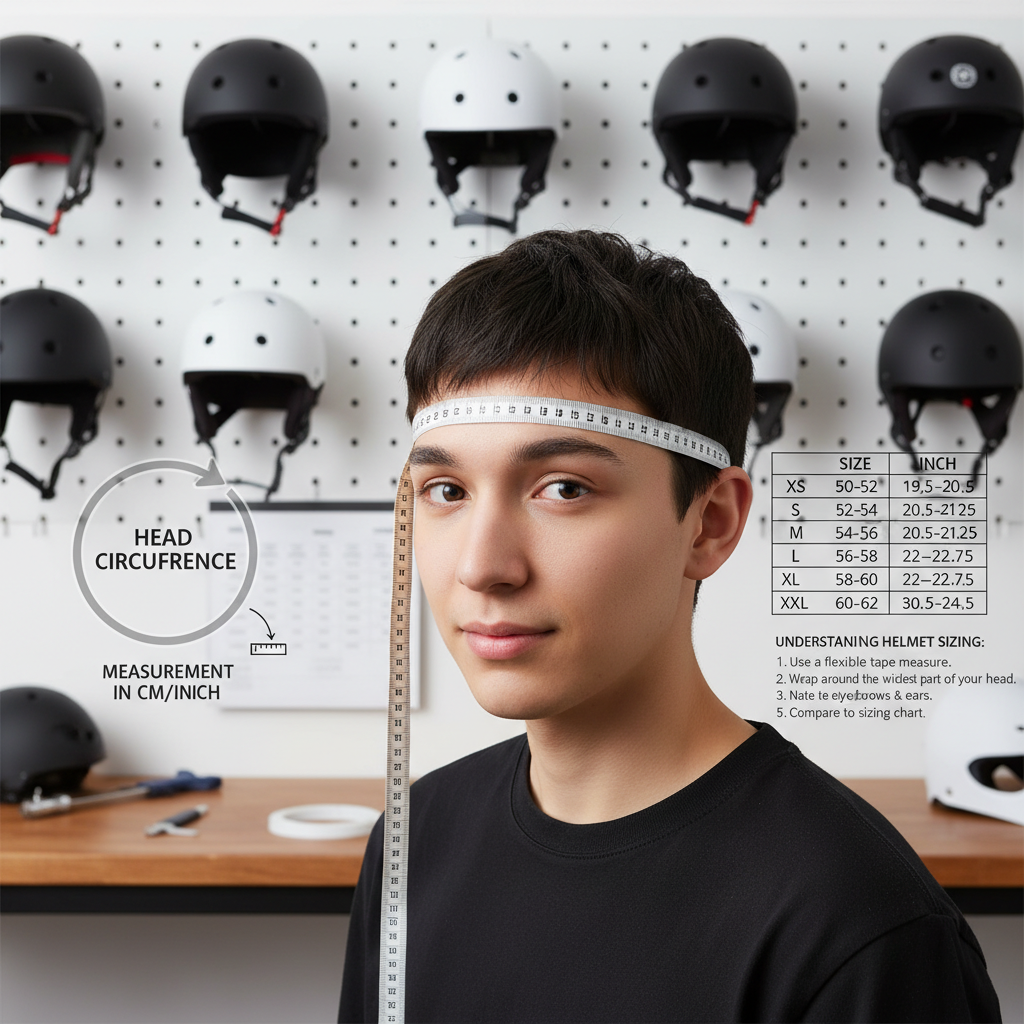
Helmet sizes are categorized into small (S), medium (M), large (L), and sometimes extra-large (XL), with each size corresponding to specific head circumference measurements. Generally, a small helmet fits a head circumference of 20 to 21.5 inches, medium from 21.5 to 23 inches, and large from 23 to 24.5 inches. However, it is vital to understand that each helmet manufacturer may have its own unique sizing chart, making it crucial to refer to the specific sizing guide provided by the brand you are considering. Additionally, helmets designed for different activities may also have varying sizing standards. For instance, a mountain biking helmet may differ from a road cycling helmet in fit and design, emphasizing the need to check the sizing guide for each specific type of helmet.
Tools You Need
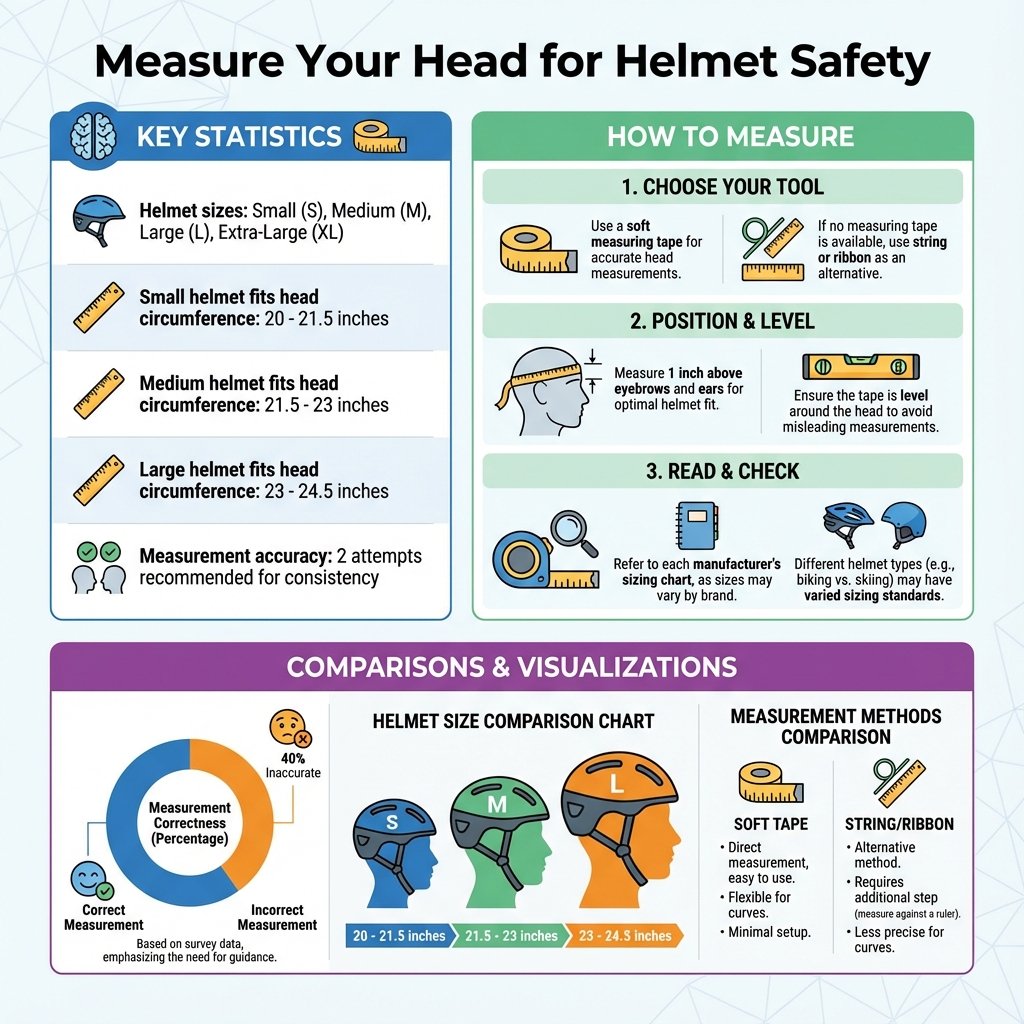
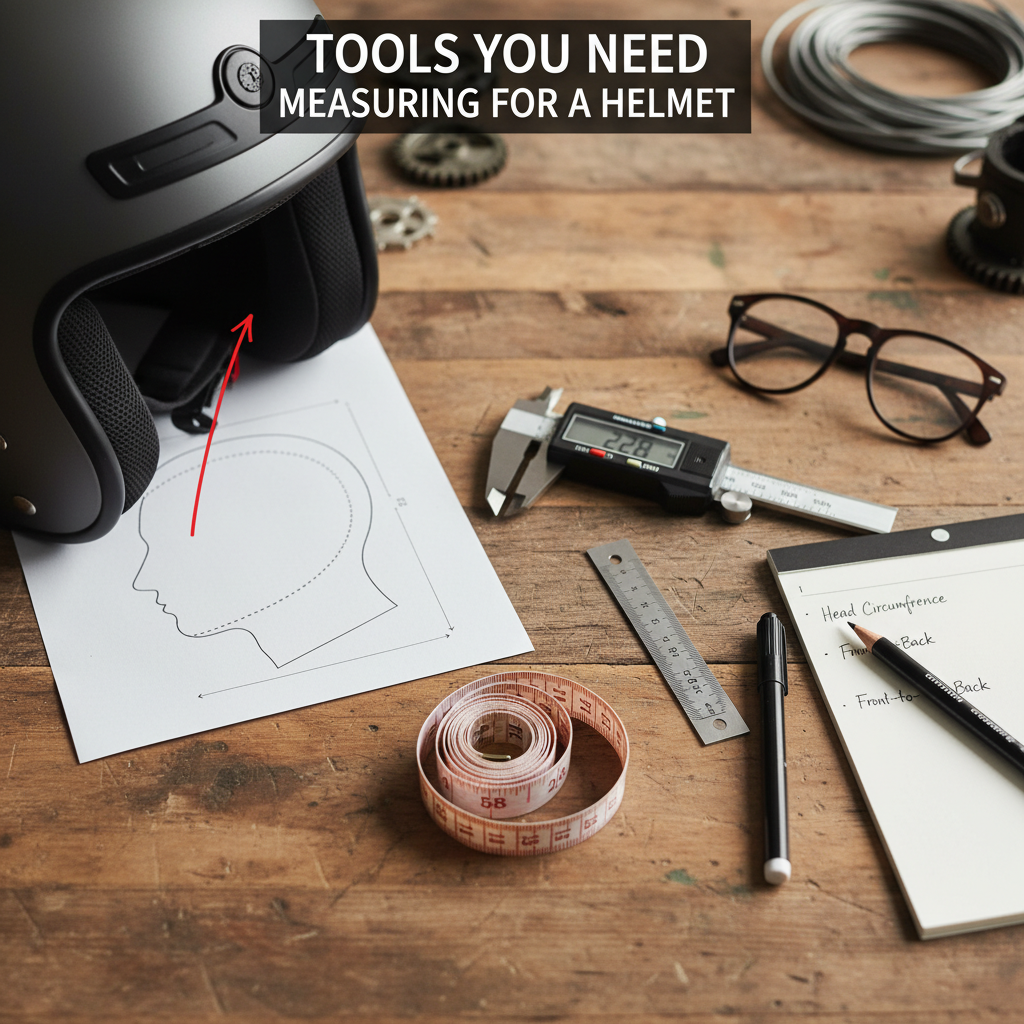
To measure your head accurately, you’ll need a soft measuring tape, which can easily contour to the shape of your head. Having a flexible tool like this is essential for obtaining a precise measurement. In the absence of a measuring tape, you can utilize a piece of string or ribbon. Simply wrap the string around your head where you intend to place the helmet, mark the point where the string overlaps, and then measure the length against a ruler or flat measuring surface. This alternative method can be quite effective, but it’s important to ensure that the string is tight enough to stay in place but not so tight that it compresses your head, which could yield an inaccurate measurement.
Measuring Technique
When measuring, position the tape or string approximately 1 inch above your eyebrows and just above your ears. This is the optimal location, as it represents where the helmet will sit on your head. It’s essential that the measuring tape is level all the way around; if it’s tilted or uneven, it can lead to a misleading measurement. Stand in front of a mirror to ensure accuracy, and take the measurement at least twice to confirm consistency. If there’s a difference, take the higher measurement for safety. Keep in mind that your head shape can vary; some people have rounder heads, while others have more oval shapes, which can affect how the helmet fits.
Interpreting Your Measurement
Once you have your measurement, compare it against the sizing chart of the helmet brand you’re interested in. Most manufacturers provide detailed charts that correlate measurements to helmet sizes. For instance, if your head circumference measures 22 inches, you would fall into the medium category for many brands, but always verify with the specific chart. Additionally, if possible, try on the helmet before purchasing. Even if you fall into a certain size category, the fit can vary significantly between brands and models due to design variations. A helmet that feels snug yet comfortable is preferable to one that is too loose or too tight.
Common Sizing Mistakes
Many individuals make common mistakes when measuring for helmet size. One prevalent error is measuring too low or high on the head, which can lead to inaccurate sizing. If the tape is placed too low, the helmet may feel too loose, while measuring too high may result in a helmet that feels uncomfortably tight. Additionally, not accounting for hair volume or head shape can also affect the fit. For example, those with thicker hairstyles may need to factor in additional space when selecting a helmet size. Furthermore, some may overlook trying on the helmet, leading to a poor fit despite having the correct measurement.
Ensuring a Proper Fit
After selecting a helmet, it is vital to ensure it fits snugly without creating pressure points. A proper fitting helmet should not move when you shake your head; it should feel secure but not overly tight. The helmet should sit level on your head, not tilted backward or forward. Additionally, check the buckle and straps to ensure they are adjusted correctly. The chin strap should be snug against your chin but allow you to comfortably open your mouth. A good test is to try to fit two fingers between your chin and the strap. If the helmet shifts or slides when you move, it is not the right size for you.
Maintenance and Reassessing Fit
Regularly check your helmet fit, especially if you undergo changes in hairstyle or head shape. For instance, if you cut your hair or grow it long, this can impact how your helmet fits. Additionally, it’s crucial to replace your helmet every few years or after a significant impact, even if it appears undamaged. Helmets are designed to absorb impact and protect your head, but this functionality can diminish over time or after a fall. Always inspect your helmet for cracks or other signs of wear and tear, as these can compromise its effectiveness.
In conclusion, measuring for a helmet is a straightforward process that can significantly enhance your safety and comfort. By following the guidelines outlined in this guide, you can ensure that you select the right helmet size for your specific needs. Always remember to refer to the manufacturer’s sizing chart, try on different options if possible, and maintain your helmet for longevity. Your head deserves the best protection, and taking the time to measure accurately will help you achieve that goal.
References
- https://www.cdc.gov/headsup/basics/helmet.html
- https://www.nhtsa.gov/equipment/helmets
- https://www.helmets.org/
- https://www.cpsc.gov/Business–Manufacturing/Business-Guidance/Helmet-Standards
- https://www.aap.org/en/patient-care/helmet-safety/
- https://www.ncbi.nlm.nih.gov/books/NBK207028/
- https://www.mayoclinic.org/healthy-lifestyle/childrens-health/in-depth/childrens-bicycle-safety/art-20046382
- https://www.safekids.org/helmets
- https://www.cyclinguk.org/article/cycle-helmets-what-you-need-know